

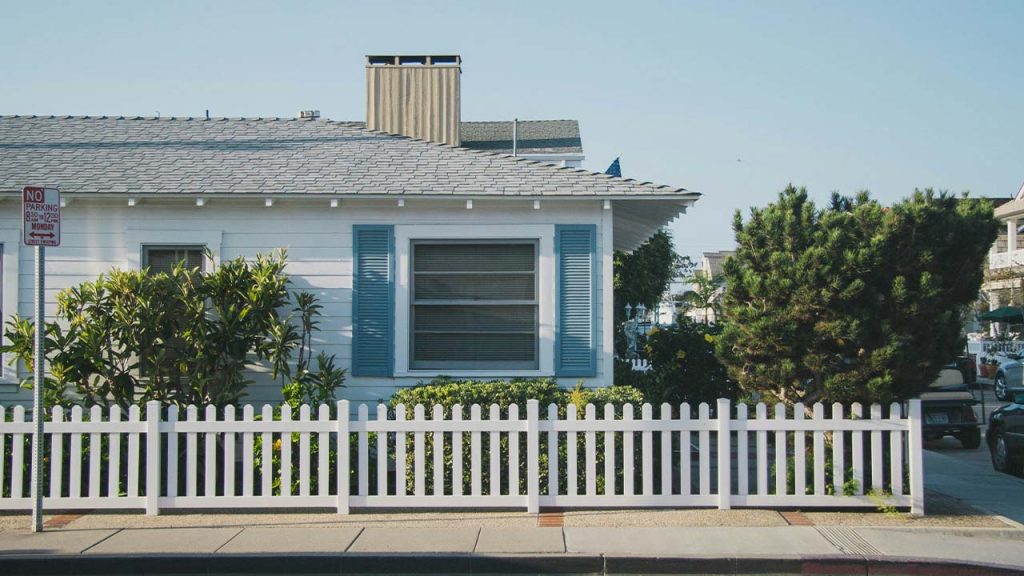
Planting trees near your home can enhance beauty and provide shade, but some species can cause costly damage or headaches. From invasive roots that crack foundations to messy drop zones or fast-growing giants that overshadow your space, not all trees are homeowner-friendly. Knowing which trees to avoid close to your house helps protect your property and keeps your yard safe and manageable for years to come.
1. Silver Maple
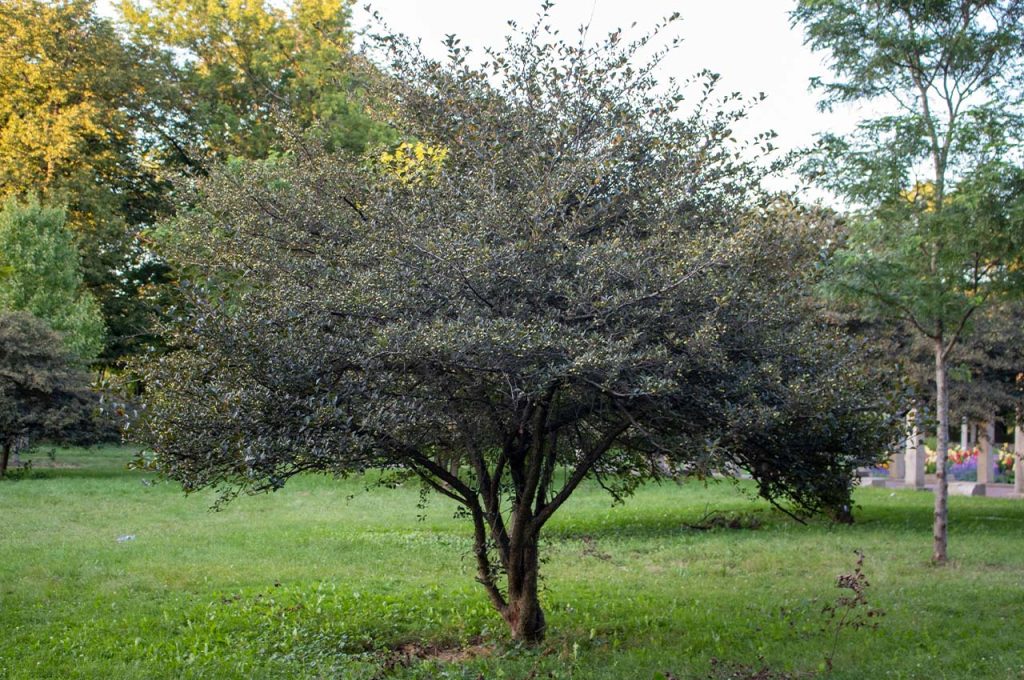
Silver maples are prized for their fast growth and striking appearance, but they come with significant drawbacks near homes. Their wood is brittle and prone to splitting during storms, which can cause damage to property and pose safety hazards. Even more concerning are their aggressive root systems, which spread widely and can invade sewer lines, foundations, and driveways, leading to costly repairs. Additionally, their large leaves and seed pods create frequent yard debris, increasing maintenance efforts.
2. Willow Tree
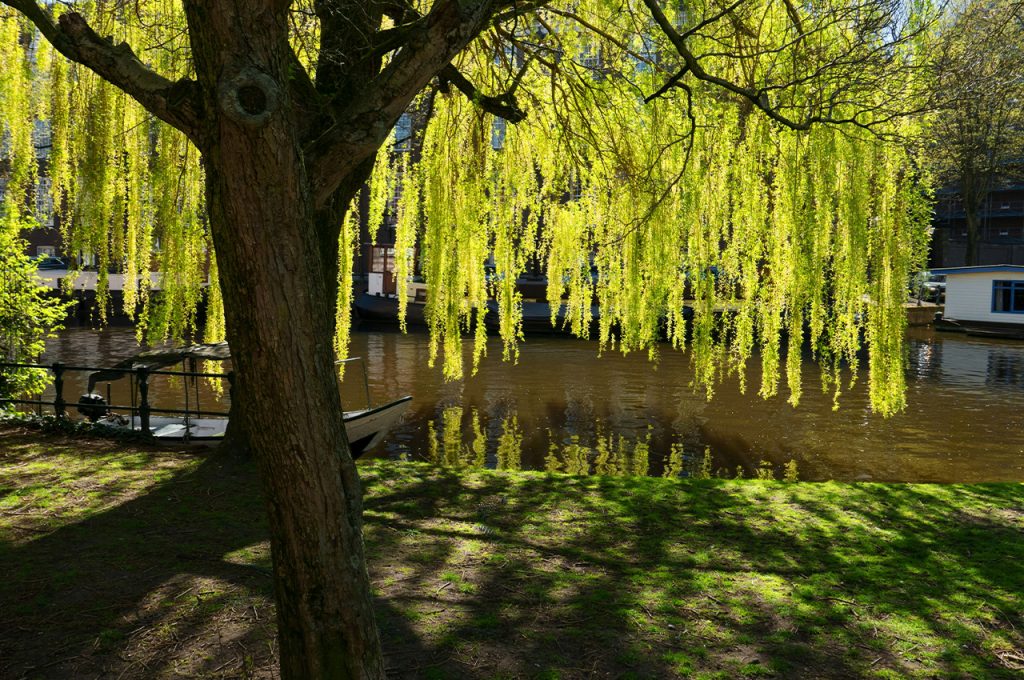
Willow trees add a graceful, natural look with their sweeping branches, but they pose problems when planted too close to houses. Their roots aggressively seek out water sources and can easily infiltrate underground pipes, septic systems, and foundations, causing serious structural damage. Willows also grow quickly and require regular pruning to keep them manageable. Their fragile branches tend to break off in wind or heavy rain, increasing the risk of injury and damage to nearby structures.
3. Poplar
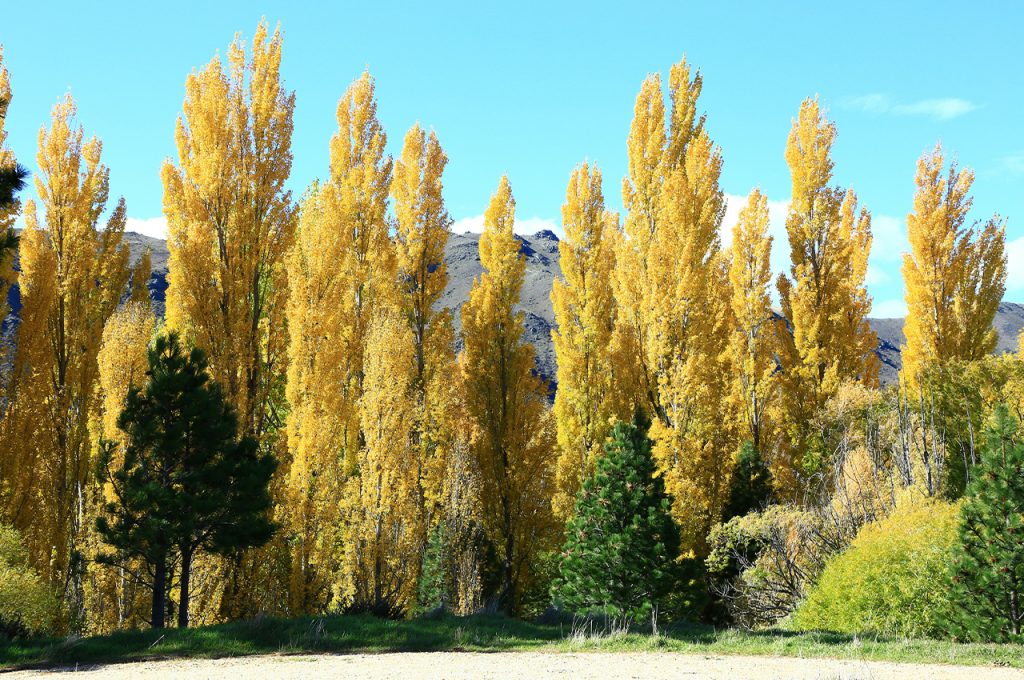
Poplar trees are fast-growing and can provide quick shade, but their proximity to homes often creates issues. Their wood is brittle and prone to breaking under wind or snow loads, which can threaten windows, roofs, and vehicles. Their shallow, spreading roots can disrupt sidewalks, driveways, and underground utilities. Poplars are also messy, dropping abundant leaves, buds, and fluffy seeds that clog gutters and require frequent cleanup.
4. Black Locust
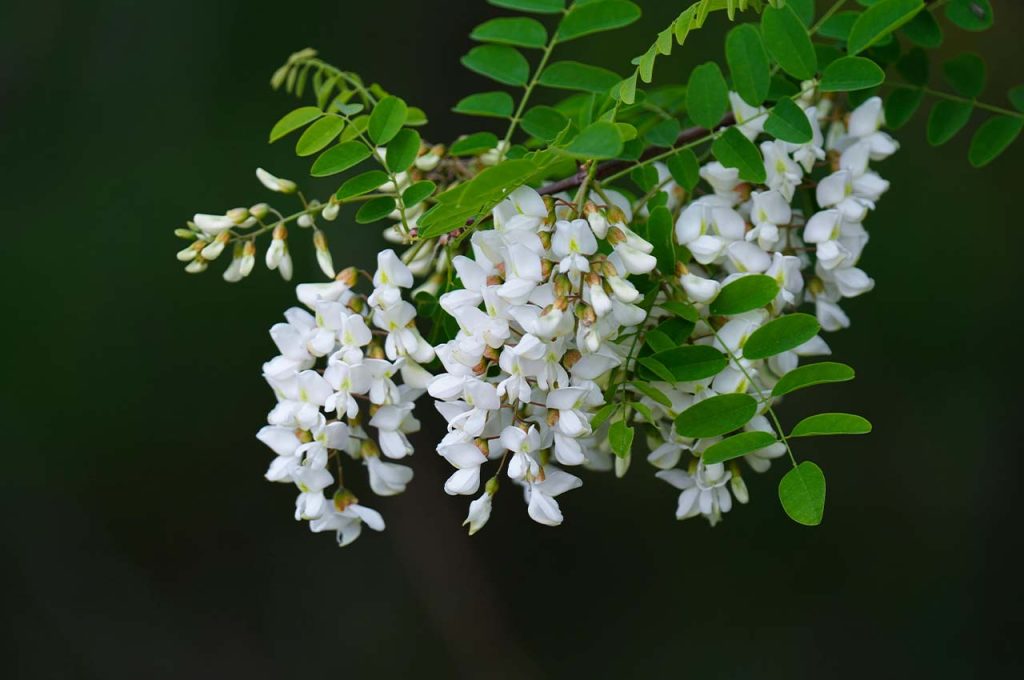
Black locust trees offer strong, durable wood and lovely fragrant flowers, but they come with invasive tendencies. Their root systems aggressively send out suckers that spread uncontrollably, crowding garden spaces and potentially damaging foundations. The tree’s sharp thorns and abundant seed pods can be a nuisance in yards where children or pets play. Moreover, their roots can interfere with underground pipes and septic systems if planted too close to a home.
5. Bradford Pear
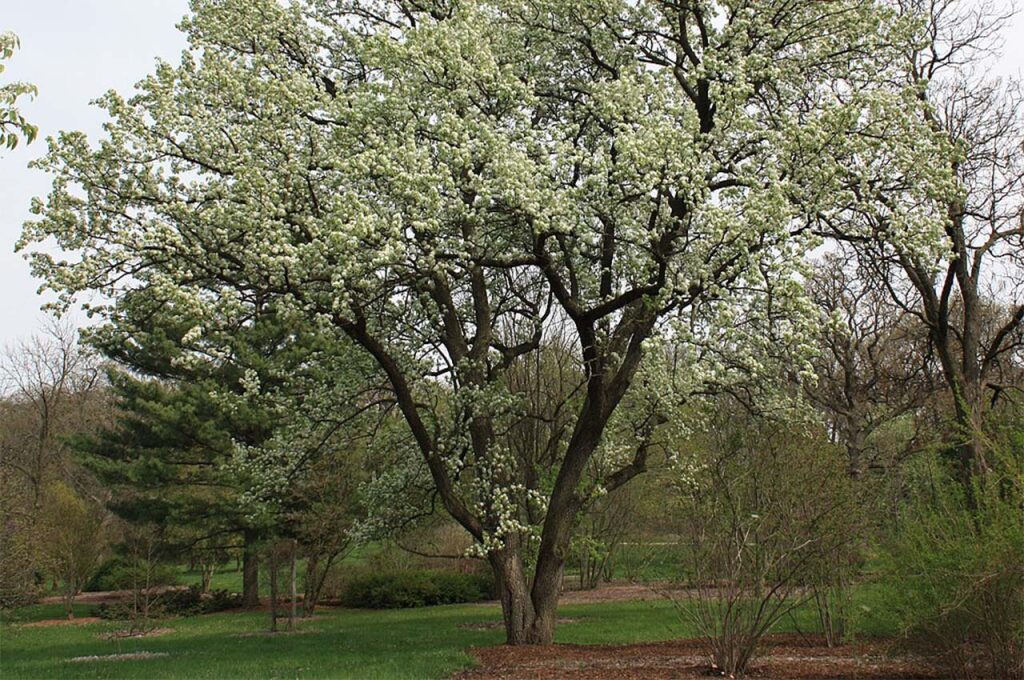
Bradford pear trees were once popular for their attractive white blossoms and fast growth, but their drawbacks have become clear. The tree’s weak branch structure makes it highly susceptible to splitting or breaking during storms, which can cause property damage and safety hazards. Its invasive roots can lift sidewalks and crack foundations, while the foul-smelling fruit attracts pests and creates an unsightly mess.
6. Eucalyptus
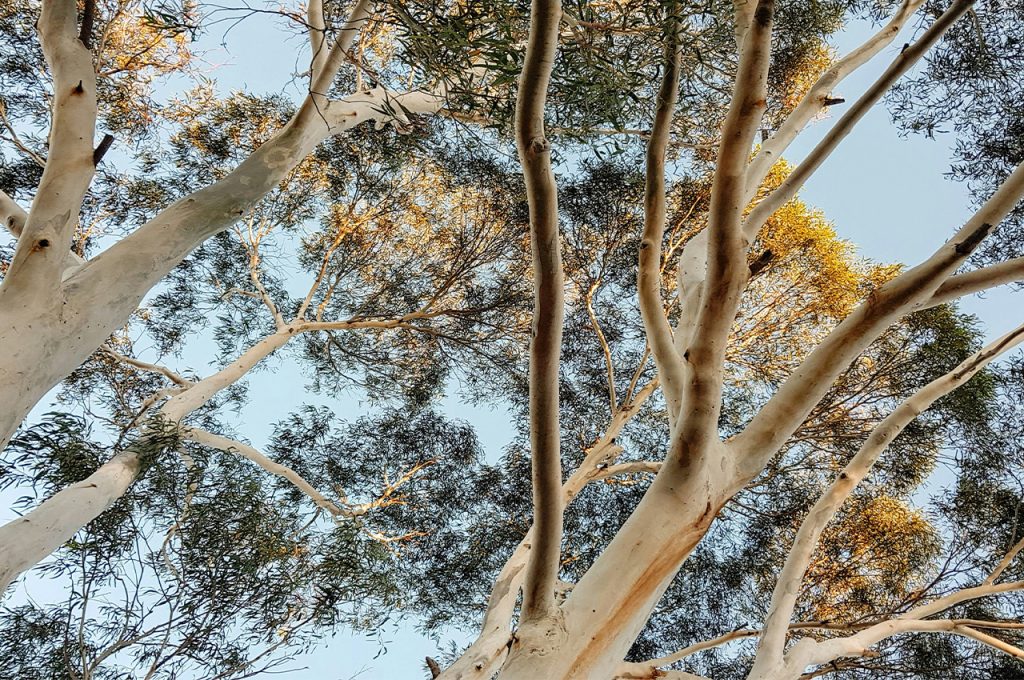
Eucalyptus trees are admired for their aromatic leaves and rapid growth, but planting them near homes can lead to serious challenges. Their extensive root systems aggressively seek moisture, often invading and damaging foundations, driveways, and underground pipes. The peeling bark and falling branches pose risks during storms, potentially damaging property or injuring people. Additionally, eucalyptus leaves contain oils that increase fire risk, especially in dry climates.
7. Lombardy Poplar
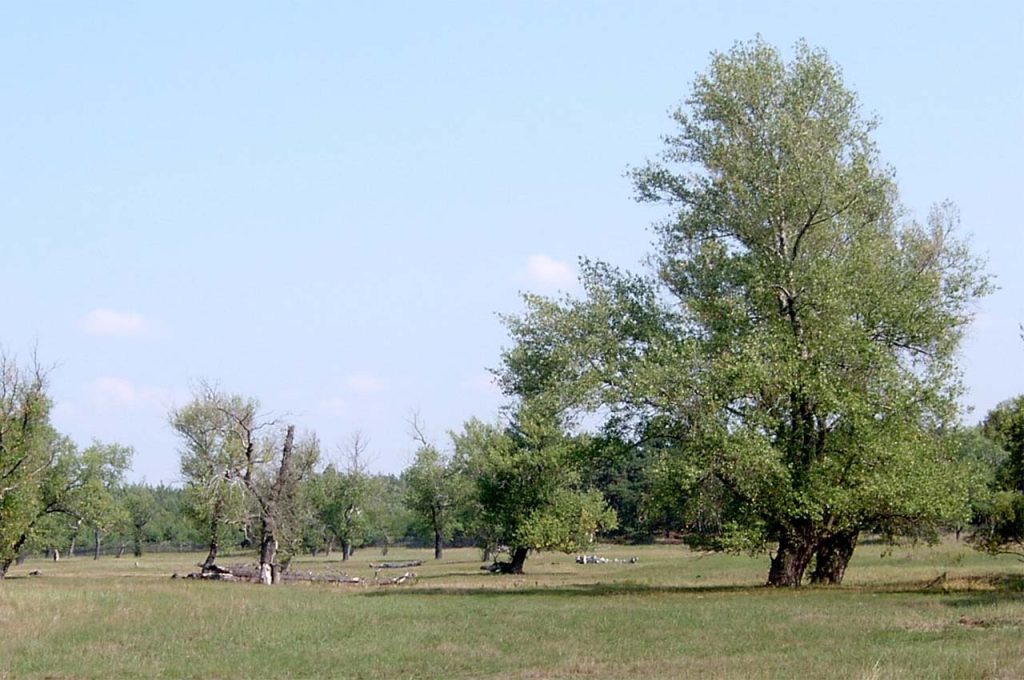
Lombardy poplars are fast-growing, columnar trees often used for quick privacy screens, but they are not ideal close to buildings. Their wood is brittle and prone to breaking in wind or ice storms, creating hazards for nearby structures and people. The shallow root system spreads widely and can cause upheaval of sidewalks, patios, and foundations. Additionally, these trees have a relatively short lifespan and can succumb to disease or pests, leaving homeowners with unexpected removal costs.
8. Leyland Cypress
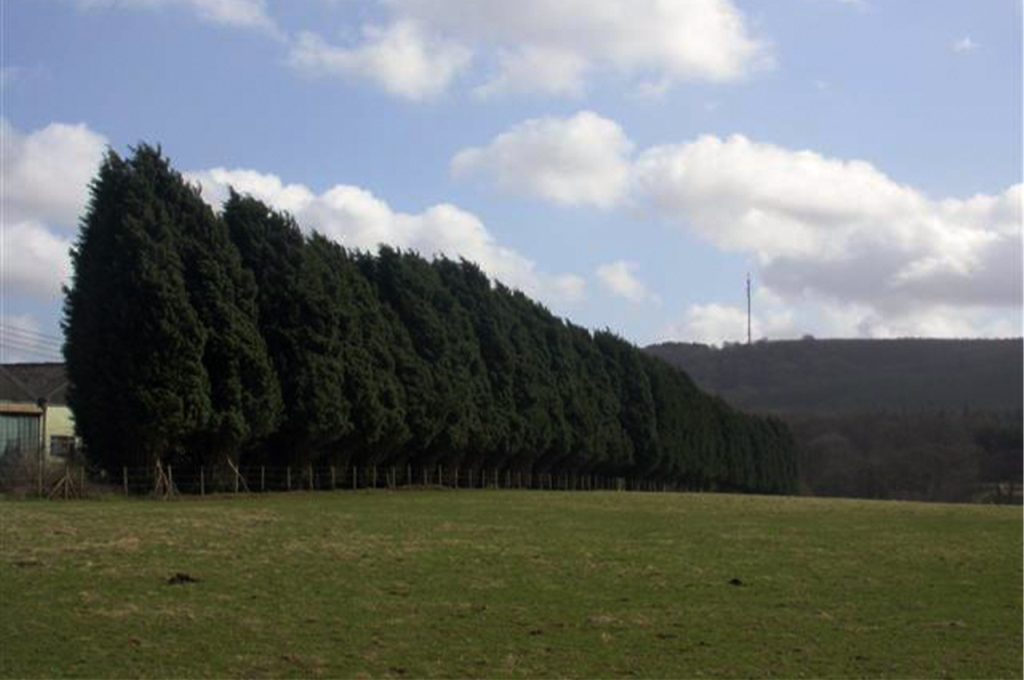
Leyland cypress trees are popular for creating dense, tall privacy hedges quickly, but they can become problematic near homes. Their rapid growth means roots expand aggressively, potentially disrupting foundations and underground utilities. The trees require regular pruning to maintain shape and prevent overcrowding, or else they risk becoming overgrown and unsightly. Their dense foliage can trap moisture against siding, increasing the risk of mold or rot. Though effective for privacy, Leyland cypress needs careful placement and maintenance to avoid home damage.
9. American Elm
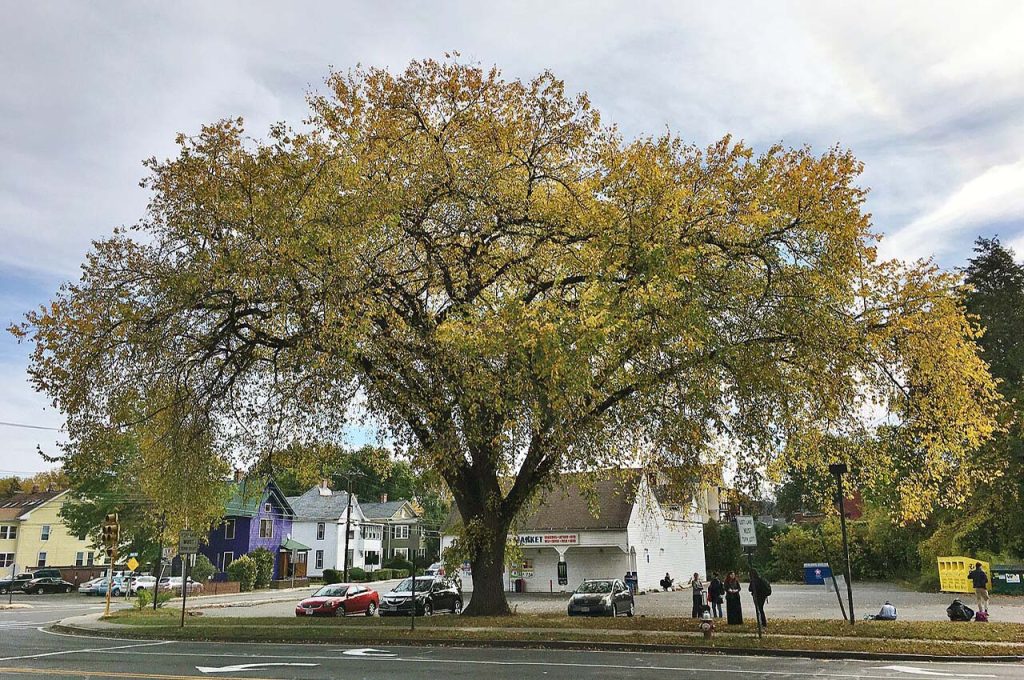
American elms were once a common shade tree but are now less favored near homes due to their vulnerability to Dutch elm disease and other pests. Their large, spreading root systems can invade sewer lines and foundations, causing structural issues over time. The tree’s broad canopy can drop heavy limbs in storms, posing risks to property and safety. American elms also produce abundant leaf litter and seed pods that require frequent cleanup. For homeowners seeking low-maintenance landscaping, planting American elms too close to the house is generally not advisable.
10. Box Elder
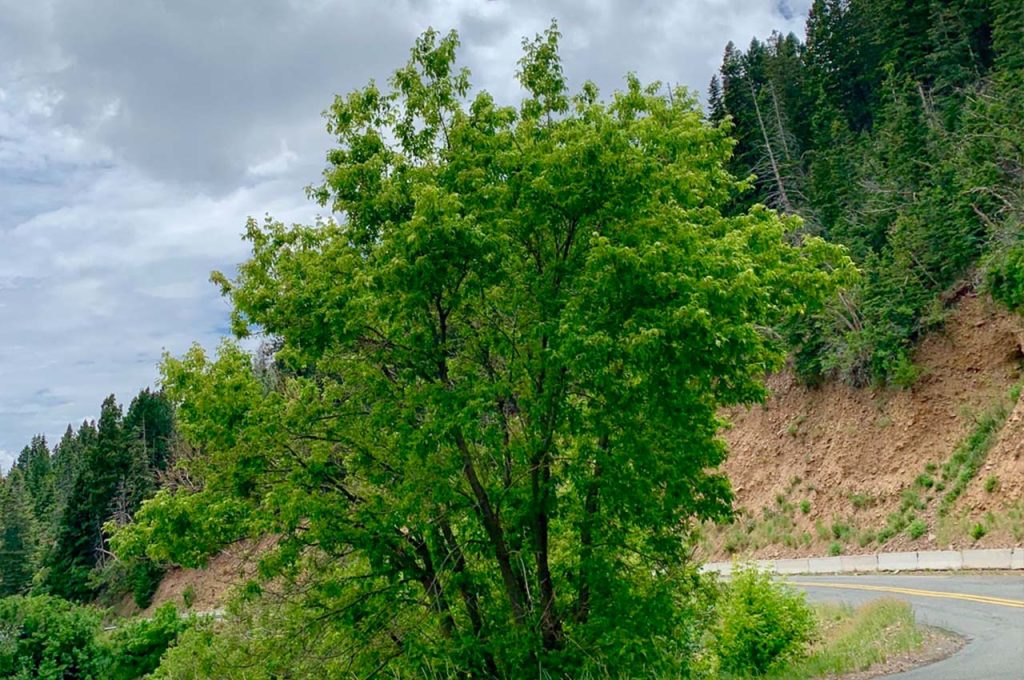
Box elder trees grow quickly and tolerate poor soil, but they present numerous challenges near residential areas. Their roots are invasive, often damaging sidewalks, foundations, and underground utilities. The tree produces abundant winged seeds that litter yards and gutters, creating a mess. Box elders are also prone to pests like box elder bugs, which can invade homes in large numbers during cooler months. Their weak wood structure makes branches susceptible to breaking, increasing risk during storms.
11. Tree of Heaven
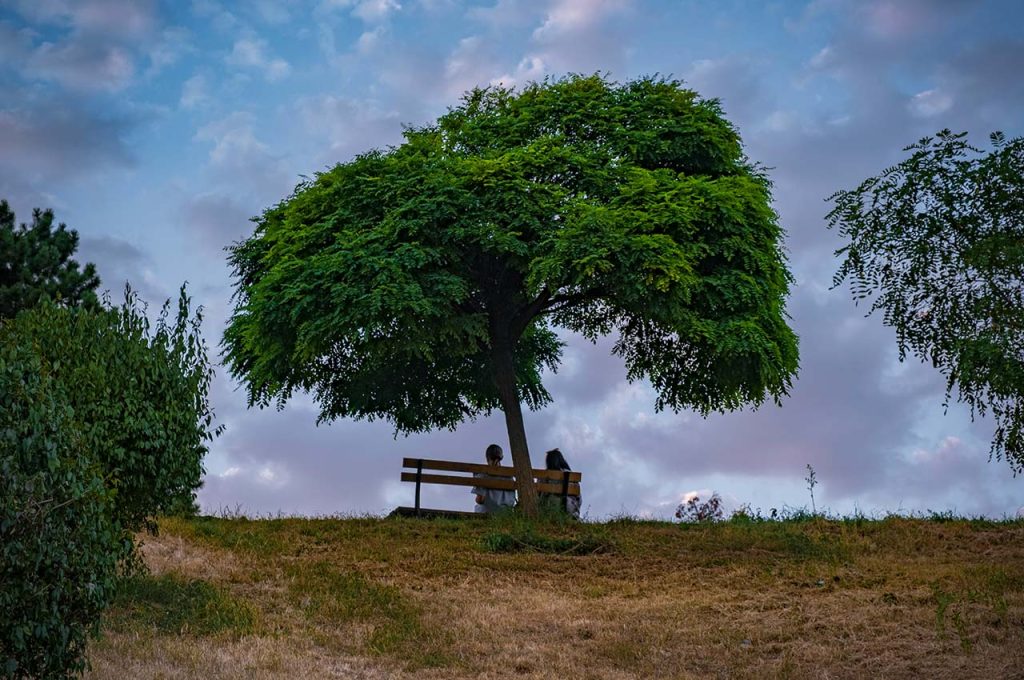
Tree of Heaven grows fast and tolerates tough conditions but is notorious for its invasive roots that can damage foundations and pipes. Its rapid spread and ability to sprout from roots make it difficult to control, often overtaking gardens and yards. The tree emits a strong odor and produces a sticky residue that attracts pests. Its weak wood is prone to breakage in storms, posing hazards to nearby structures.
12. Russian Olive
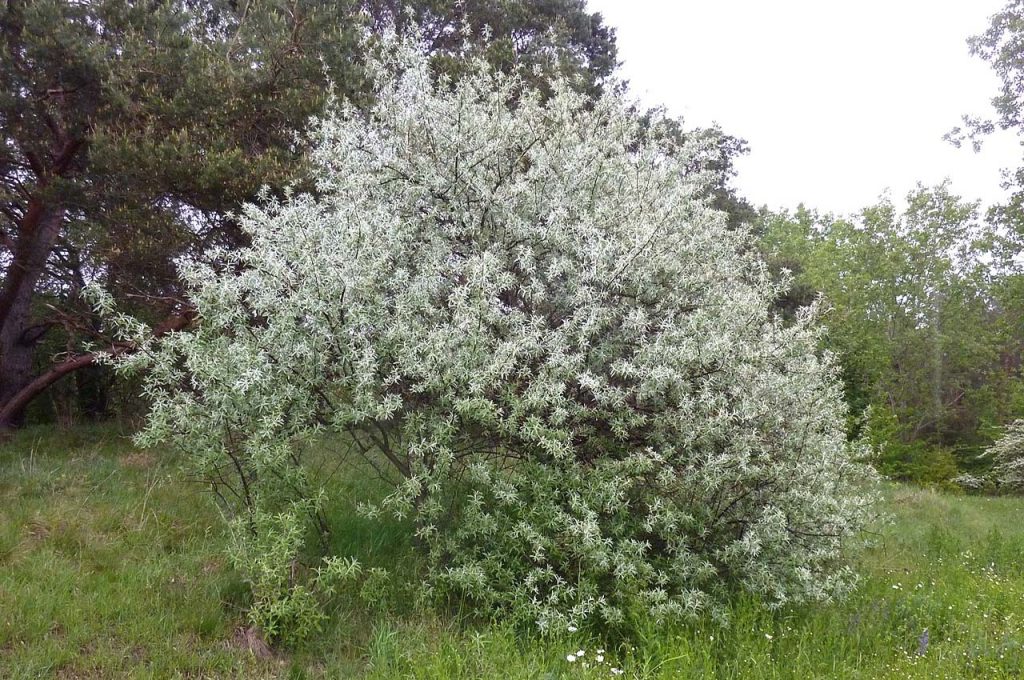
Russian olive trees are hardy and drought-tolerant but have aggressive root systems that can invade sewer lines and foundations, causing costly damage. Their dense growth shades out native plants, reducing biodiversity. The tree produces abundant, messy fruit that attracts unwanted wildlife and creates cleanup hassles. Russian olive’s brittle branches often break in storms, risking property damage. While useful for erosion control, they should be avoided near homes to prevent maintenance and structural problems.
13. Red Maple
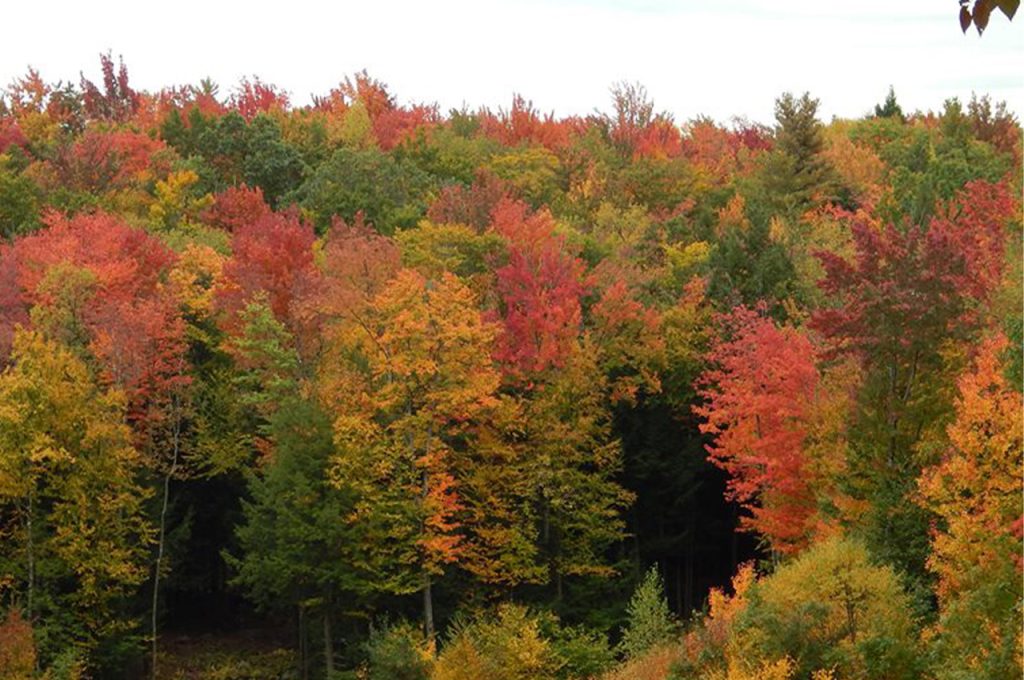
Red Maples are admired for their fiery fall foliage, but they come with hidden drawbacks when planted too close to a home. Their aggressive root systems can crack foundations, invade pipes, and lift sidewalks. These trees also grow quickly, which means they require regular pruning to prevent overgrowth near roofs and power lines. While beautiful in the right setting, Red Maples are better suited for open areas where their roots and canopy won’t interfere with structures.
14. Sweetgum
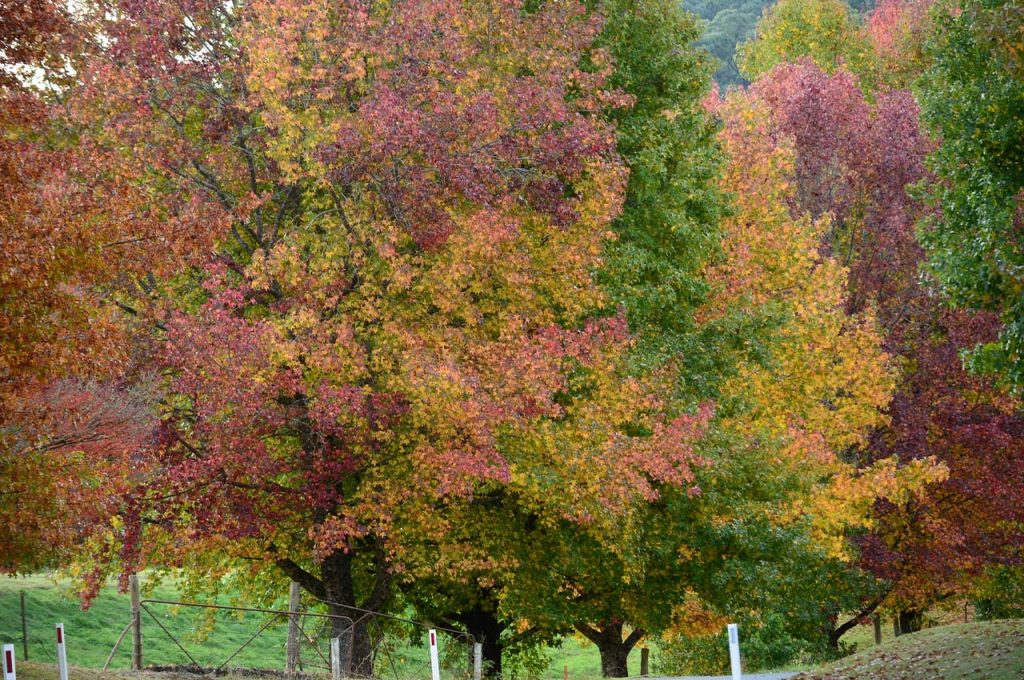
Sweetgum trees offer striking star-shaped leaves and vibrant fall color but come with drawbacks near homes. Their roots are shallow and expansive, potentially lifting sidewalks and disrupting foundations. The tree produces hard, spiky seed balls that litter lawns, creating hazards for barefoot walking and adding cleanup chores. Sweetgum’s brittle branches are prone to breakage in heavy wind or ice, risking damage to property.
15. Horse Chestnut
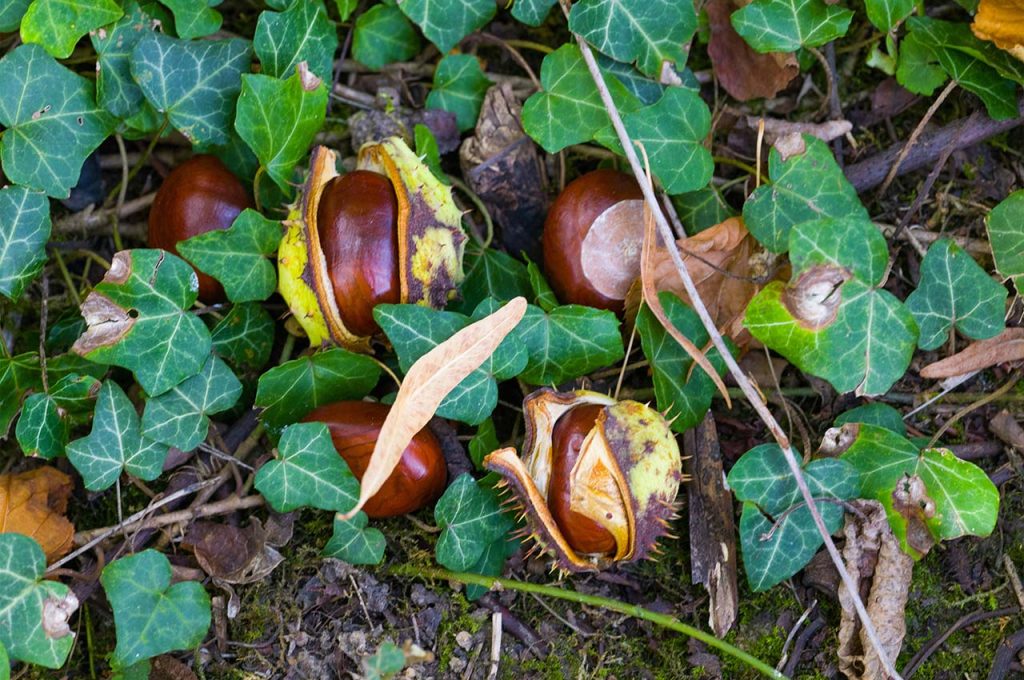
Horse chestnut trees are stately with attractive flowers but can cause trouble near homes. Their large root systems spread widely and can crack foundations or lift pavement. The spiky seed pods they drop are messy and can be hazardous. Horse chestnuts are vulnerable to leaf blotch and other diseases that reduce their lifespan and appearance.
16. Mulberry
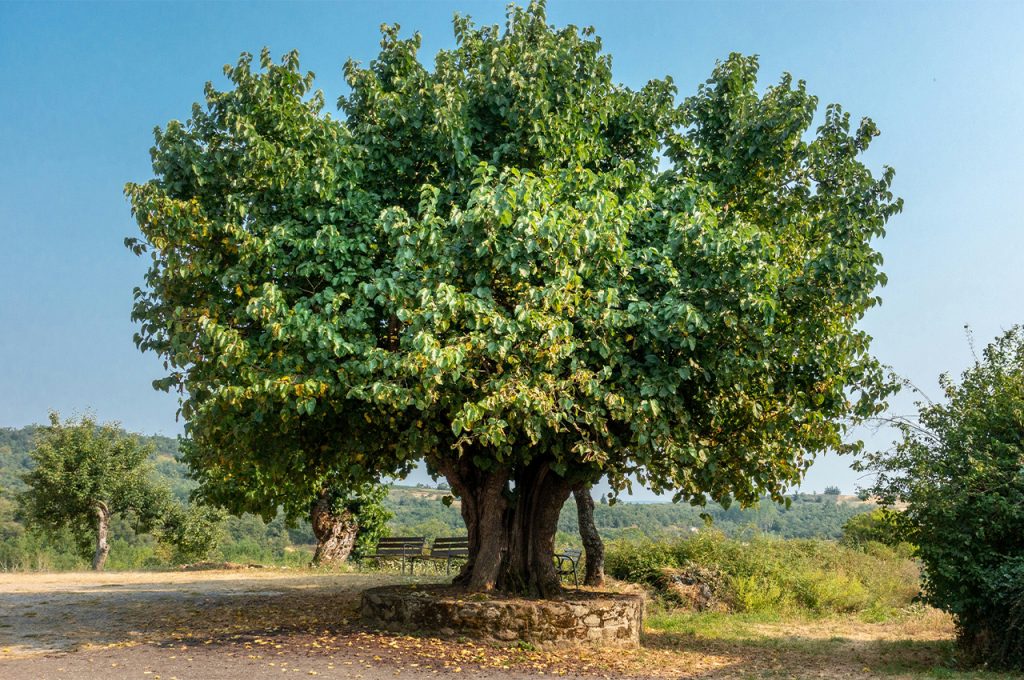
Mulberry trees grow quickly and provide abundant shade but have invasive roots that can disrupt sidewalks, driveways, and foundations. Their large, messy fruit creates stains on driveways, cars, and outdoor furniture, attracting insects and birds that add to the cleanup. Mulberries are also prone to disease and pests, which can cause branches to weaken and break. Due to their high maintenance and potential property damage, mulberry trees are best planted away from your home.
17. Black Walnut
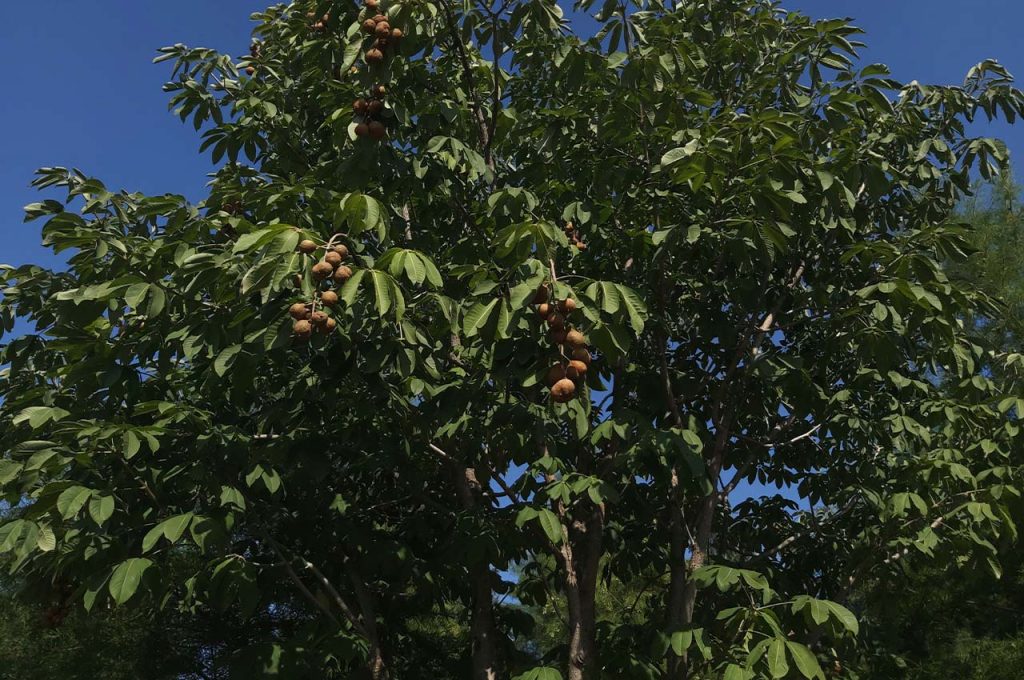
Black walnut trees are prized for their wood but release juglone, a toxic chemical that inhibits growth of many nearby plants, limiting your garden choices. Their large, aggressive roots can invade foundations and underground pipes, causing structural problems. The nuts they drop are heavy and hard, creating hazards on walkways and lawns. Additionally, black walnut trees require ample space to thrive, making them unsuitable close to homes where they can cause damage and reduce garden health.
18. Norway Maple
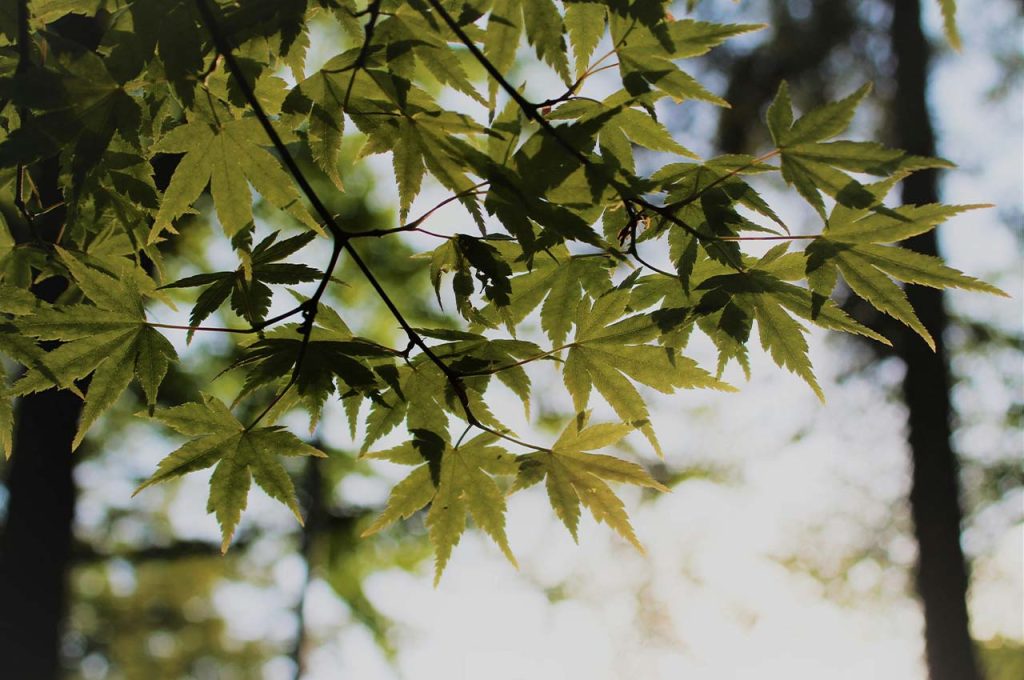
Norway maples are hardy and fast-growing but have dense root systems that can interfere with foundations, sidewalks, and septic systems. Their thick canopy shades out grass and other plants beneath, leading to patchy lawns and limited garden options. Norway maples also produce abundant seeds that spread aggressively, crowding out native species. Their brittle branches may break during storms, posing risks to nearby structures.
19. Catalpa
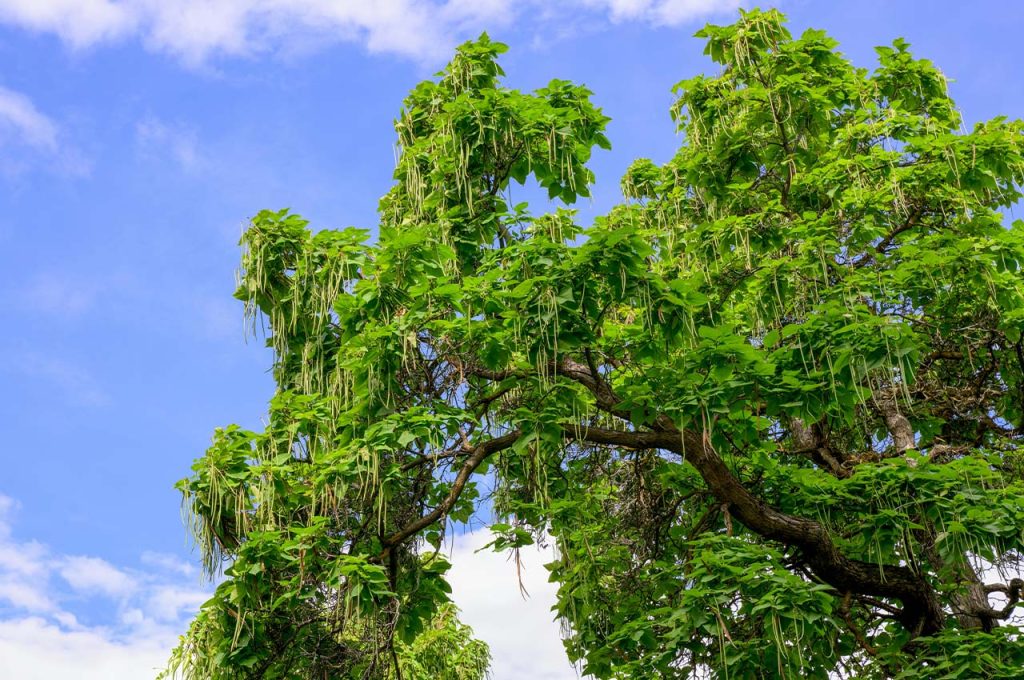
Catalpa trees feature large, heart-shaped leaves and showy flowers, but they have extensive root systems that can invade pipes and foundations. Their seed pods and leaves create considerable litter, demanding regular cleanup. Catalpas are also susceptible to pests and diseases, which can weaken branches and increase the risk of breakage in storms. The tree’s size and messy nature make it less ideal for planting close to homes where maintenance and damage risk need to be minimized.
Want to see more from Remodr?

Drop a comment below, share this with your friends and family, and don’t forget to follow us for more fresh ideas, updates, tips, and home trends.
This article was created with the assistance of AI but thoroughly edited by a human being.