

Barrel length is one of the most debated choices among big-game hunters, especially when comparing 20-inch and 24-inch barrels. At first glance, four inches may seem minor, but in real hunting conditions, those inches influence velocity, recoil, balance, noise, and overall shootability. Hunters pursuing elk, moose, deer, or plains game often operate in varied terrain, from tight timber to open ridgelines, making barrel performance more than a bench-rest discussion. A longer barrel can extract more energy from slow-burning powders, while a shorter barrel may offer quicker handling when shots come fast and close. Understanding how each length performs helps hunters match their rifle to their hunting style rather than chasing trends. This comparison breaks down the real-world advantages and tradeoffs of both lengths so hunters can make informed, confident decisions.
Muzzle Velocity and Energy Output
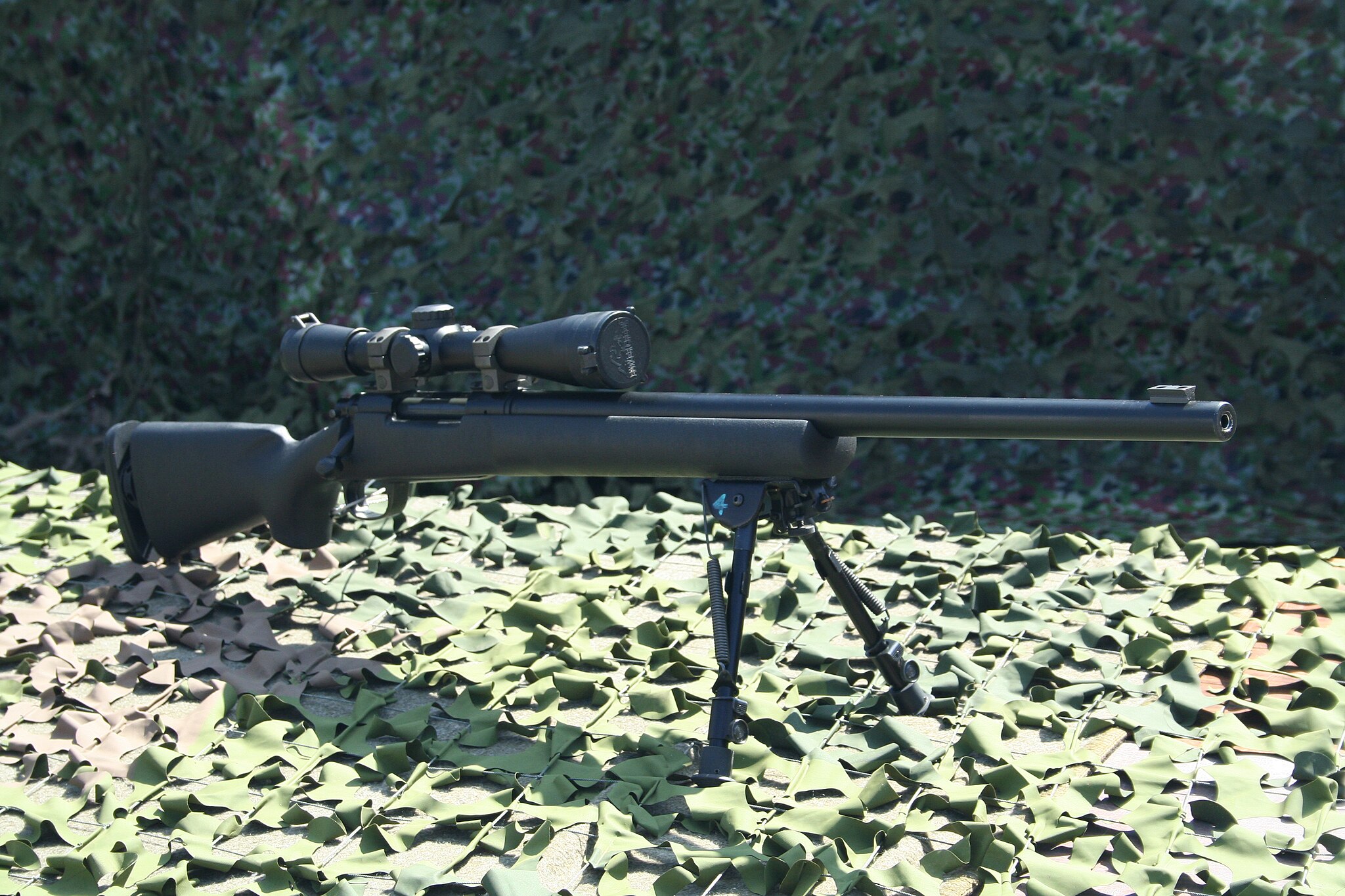
A 24-inch barrel generally delivers higher muzzle velocity because it allows expanding gases more time to push the bullet forward. This extra dwell time often results in gains of 50 to 150 feet per second, depending on cartridge and powder choice. That velocity translates into increased kinetic energy at the muzzle and better retained energy at longer distances, which matters when hunting large animals with heavy muscle and bone. A 20-inch barrel, while still effective, sacrifices some speed as unburned powder exits earlier. For most common big-game ranges, the difference may not be dramatic, but at extended distances the 24-inch barrel offers flatter trajectories and more reliable expansion, especially with traditional cup-and-core bullets.
Accuracy Potential in Field Conditions
Accuracy is often misunderstood in barrel-length debates. In controlled testing, both 20-inch and 24-inch barrels can be extremely accurate when properly manufactured. The difference shows up more in practical field shooting. A 24-inch barrel typically has a longer sight radius for iron sights and can feel steadier during slow, deliberate shots. Meanwhile, a 20-inch barrel is easier to maneuver into position, which can improve hit probability during quick shots. Neither length guarantees better accuracy on its own; shooter comfort and stability matter more. However, longer barrels may slightly reduce sensitivity to minor aiming errors at long range due to higher velocity and reduced drop.
Handling and Maneuverability
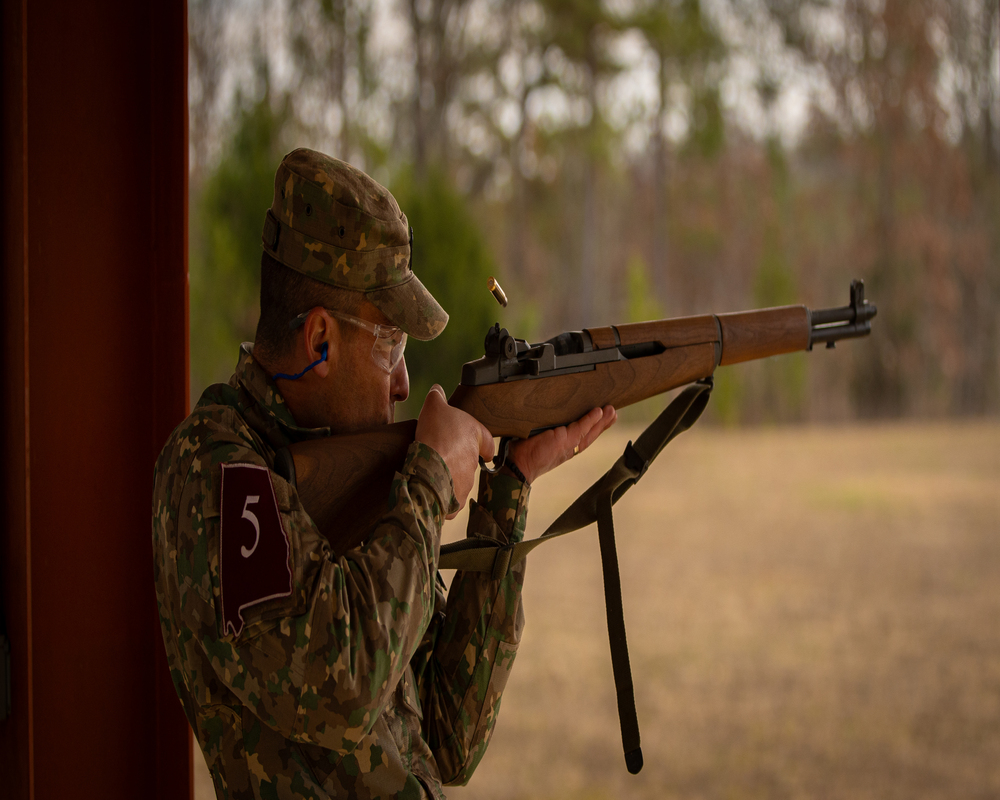
Handling is where the 20-inch barrel often shines. In dense woods, steep terrain, or when stalking through brush, a shorter barrel moves more easily without snagging branches or bumping rocks. It is quicker to shoulder and less fatiguing during long days of still-hunting. A 24-inch barrel can feel nose-heavy, especially on lightweight rifles, making rapid target acquisition slower. That said, in open country where shots are planned and deliberate, the added length becomes less of a liability. Hunters who value fast transitions and compact rifles often prefer the 20-inch barrel for its agility and ease of carry over uneven ground.
Recoil and Shootability
Recoil perception is influenced by rifle weight, balance, and gas efficiency, all of which are affected by barrel length. A 24-inch barrel usually adds forward weight, which can soften felt recoil and muzzle rise, making follow-up shots smoother. The longer barrel also allows more complete powder burn, reducing sharp recoil impulses. A 20-inch barrel may feel snappier, particularly in magnum calibers, because gases exit sooner and the rifle weighs slightly less. While recoil differences are not extreme, sensitive shooters may notice that longer barrels are more comfortable during extended practice sessions, which can indirectly improve field performance through better training.
Noise and Muzzle Blast
Shorter barrels are noticeably louder. A 20-inch barrel releases higher-pressure gases closer to the shooter, increasing muzzle blast and perceived noise. This can be uncomfortable during unsuppressed hunting, especially in enclosed terrain like timber or canyon walls. A 24-inch barrel allows pressure to drop before the bullet exits, resulting in a slightly softer report and less concussion. While hearing protection should always be used during practice, hunters often skip it in the field, making barrel length more relevant. Reduced blast can also help maintain situational awareness after the shot, which matters when tracking wounded game or watching herd movement.
Ballistic Performance at Long Range
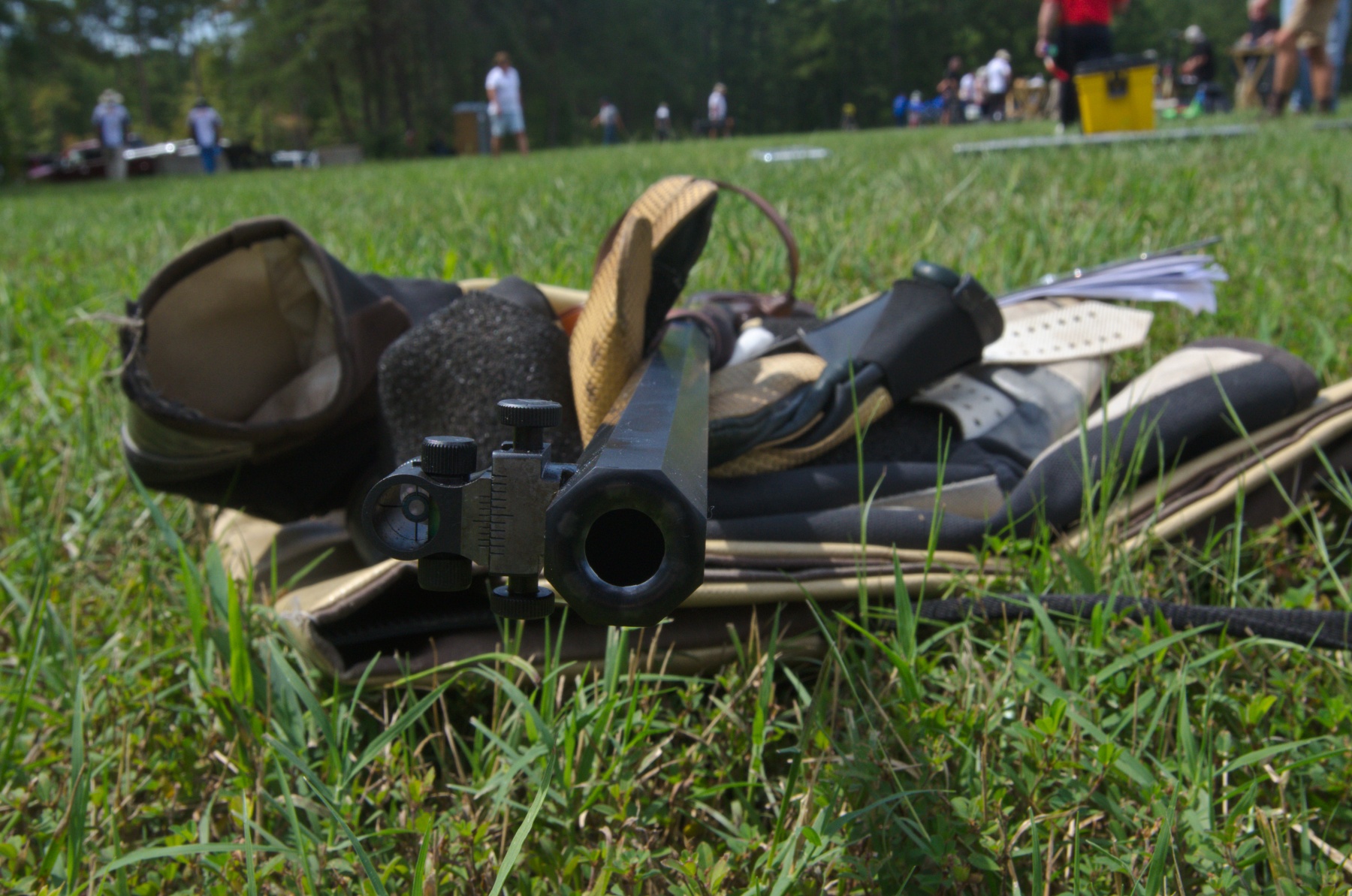
At longer distances, the advantages of a 24-inch barrel become clearer. Higher initial velocity leads to less bullet drop, reduced wind drift, and more reliable terminal performance. These factors combine to make precise shot placement easier beyond 300 yards. A 20-inch barrel can still perform well, but it demands more precise range estimation and wind calls. For hunters who regularly take longer shots in open country, the ballistic margin provided by a longer barrel can increase ethical shot confidence. In contrast, those who keep shots inside moderate distances may see little practical difference in terminal results.
Weight and Carry Comfort
Barrel length directly affects rifle weight and balance. A 24-inch barrel adds ounces that may not matter at the range but become noticeable during multi-mile hikes or steep climbs. The forward-heavy balance can also strain the support arm during extended carries. A 20-inch barrel keeps overall weight down, and centers balance closer to the action, improving carry comfort. For backcountry hunters counting every ounce, this difference can influence endurance and alertness. While heavier rifles can shoot more steadily, lighter setups often result in less fatigue, which can be just as important when a critical shot opportunity finally appears.
Cartridge Compatibility and Efficiency
Certain cartridges benefit more from longer barrels. Large-capacity magnums using slow-burning powders often achieve optimal efficiency in 24-inch barrels, maximizing velocity and minimizing wasted energy. Standard cartridges, such as .308-based rounds, are typically well-suited to 20-inch barrels and lose relatively little performance. Using a shorter barrel with a cartridge designed for longer tubes can result in excess muzzle blast without proportional gains. Matching the cartridge to barrel length ensures efficient powder burn and consistent ballistics. Hunters should consider manufacturer data and real chronograph results rather than assumptions when pairing barrel length with caliber choice.
Practical Hunting Scenarios
Real-world hunting conditions ultimately determine which barrel length performs best. In thick woods, swampy lowlands, or mountainous terrain with close encounters, the 20-inch barrel excels through speed and maneuverability. In wide-open plains, alpine basins, or tundra, the 24-inch barrel’s ballistic advantages become more valuable. Weather, clothing layers, and shooting positions also influence preference. A longer barrel may be cumbersome when wearing bulky gear, while a shorter barrel is easier to manage from awkward positions. Evaluating typical shot distances and terrain provides clearer guidance than relying solely on ballistic charts.
Final Verdict for Big-Game Hunters
Neither barrel length is universally superior; performance depends on priorities. A 24-inch barrel favors hunters who value maximum velocity, long-range ballistics, and smoother recoil characteristics. A 20-inch barrel favors those who prioritize portability, quick handling, and versatility across varied terrain. Both are fully capable of ethical big-game harvests when paired with proper ammunition and shot placement. The best choice aligns with how and where you hunt most often. Understanding these tradeoffs allows hunters to select a rifle that feels natural in the field, builds confidence, and performs reliably when the moment of truth arrives.
The post 20″ Barrels vs. 24″ Barrels: Which Length Performs Best for Big-Game Hunters? appeared first on Bushcraft Base Camp.