
This post contains affiliate links. For more details, review the disclosure at abiggreenhouse.com/disclosure/.
Fast-food brands rely on trust as much as speed and convenience. When customers return to the same restaurant week after week, they expect the food to taste the same and meet the quality they were promised. Problems arise when ingredient changes happen quietly, without clear communication. Even small adjustments can feel significant when they affect flavor, texture, or freshness. In recent years, several major chains have faced criticism for limiting ingredient transparency or altering recipes behind the scenes. These cases highlight how quickly confidence erodes when diners feel they’re no longer getting what they signed up for.
BURGER KING
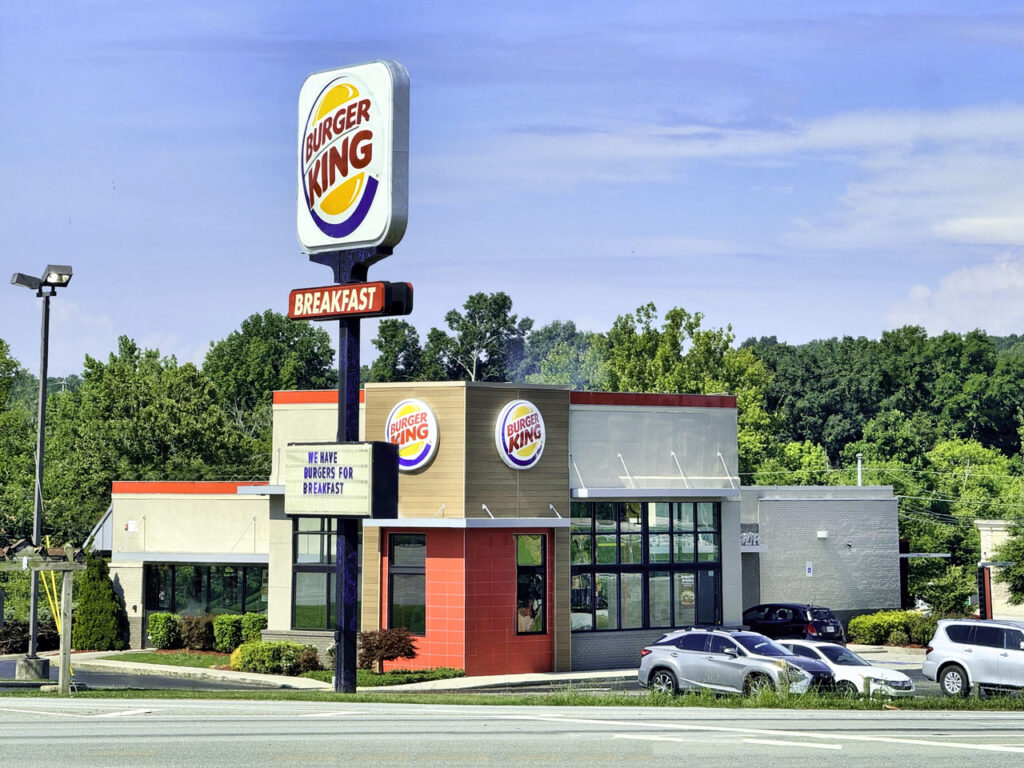
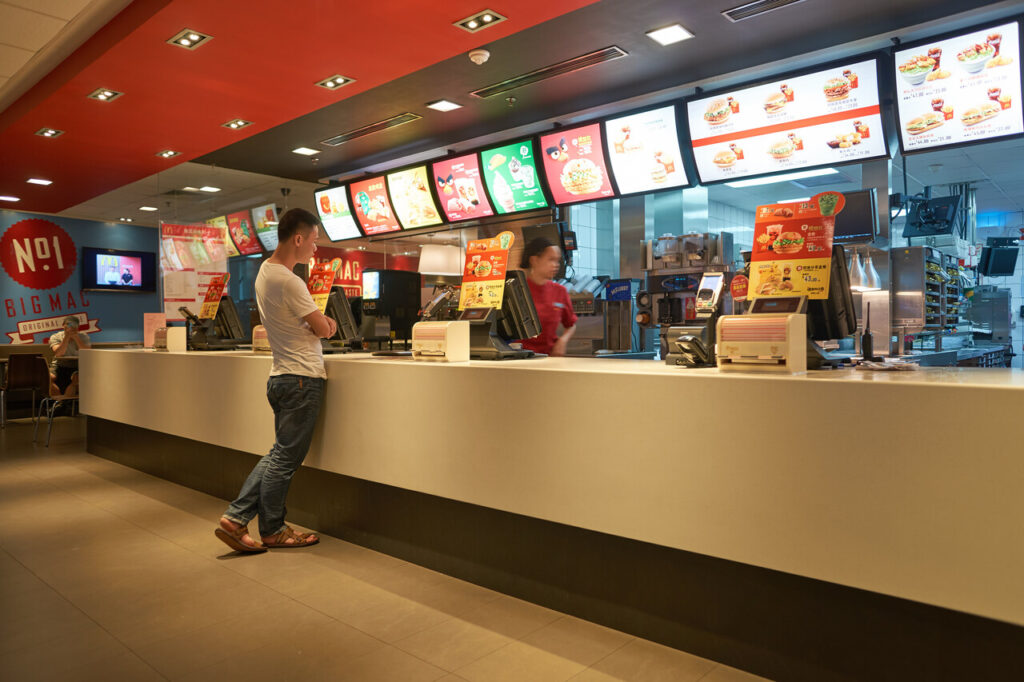
Burger King’s ingredient controversies don’t stem from a single announcement but from a pattern that left customers guessing. Over the years, the chain promoted cleaner labels and the removal of certain additives, which built trust with diners who care about what goes into their food. At the same time, critics noted that full ingredient lists were not always easy to access, especially for core menu items. When transparency is partial, even small formulation changes feel bigger than they might be. Ingredient sourcing can shift due to cost, supply, or regional availability, but without clear communication, customers notice differences in taste and texture and assume quality has dropped.
WINGSTOP
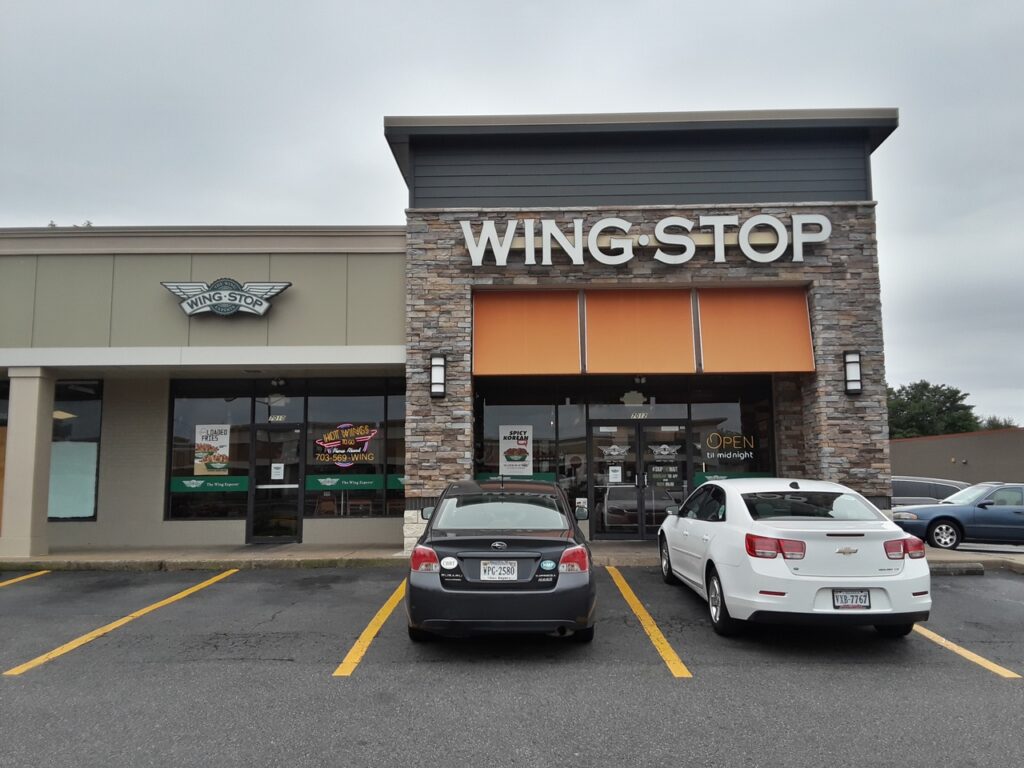
Wingstop has built its reputation on bold sauces and craveable wings, yet much of the criticism centers on what customers cannot see. The chain has historically declined to publish full ingredient lists, citing proprietary recipes. While this is common in the industry, it becomes controversial when flavor or quality appears to shift. Wing prices fluctuate heavily, and chains often adjust preparation methods or oils to manage costs. When those changes happen quietly, regular customers tend to notice. Differences in crispness, seasoning intensity, or aftertaste spark speculation about cheaper ingredients or new additives. The secrecy amplifies concern because diners cannot verify what has changed.
RAISING CANE’S
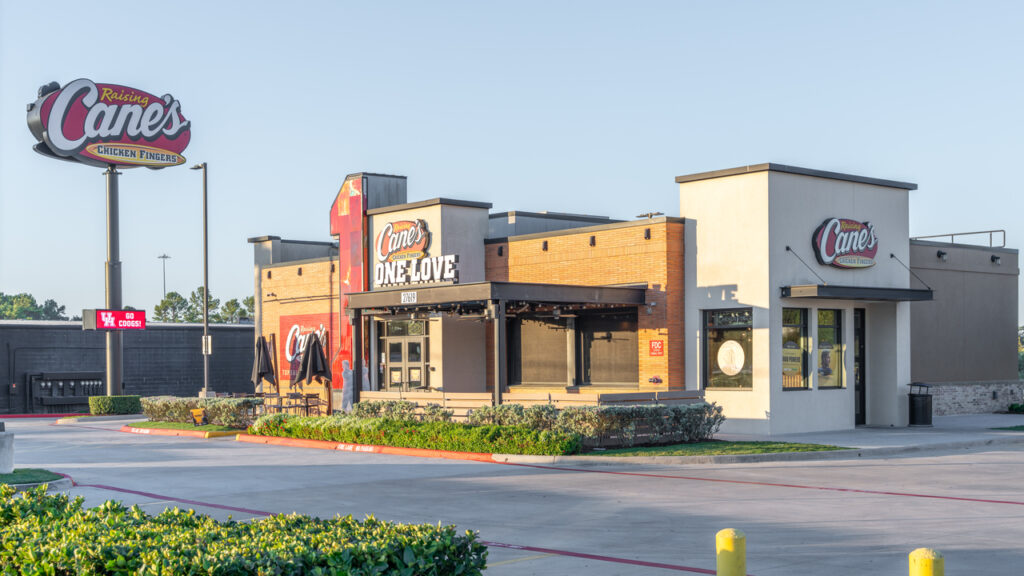
Raising Cane’s markets simplicity as its strength, focusing on chicken fingers, fries, and a signature sauce. That simplicity raises expectations. Customers assume fewer ingredients means higher quality and clearer sourcing. Critics argue that this image clashes with the company’s reluctance to fully disclose ingredient details beyond basic allergen information. The sauce, in particular, draws attention due to its flavor complexity, which suggests more than a handful of components. When supply chains tighten or costs rise, even small substitutions can affect taste. Without transparency, loyal fans fill in the gaps themselves, often assuming corners were cut.
JIMMY JOHN’S
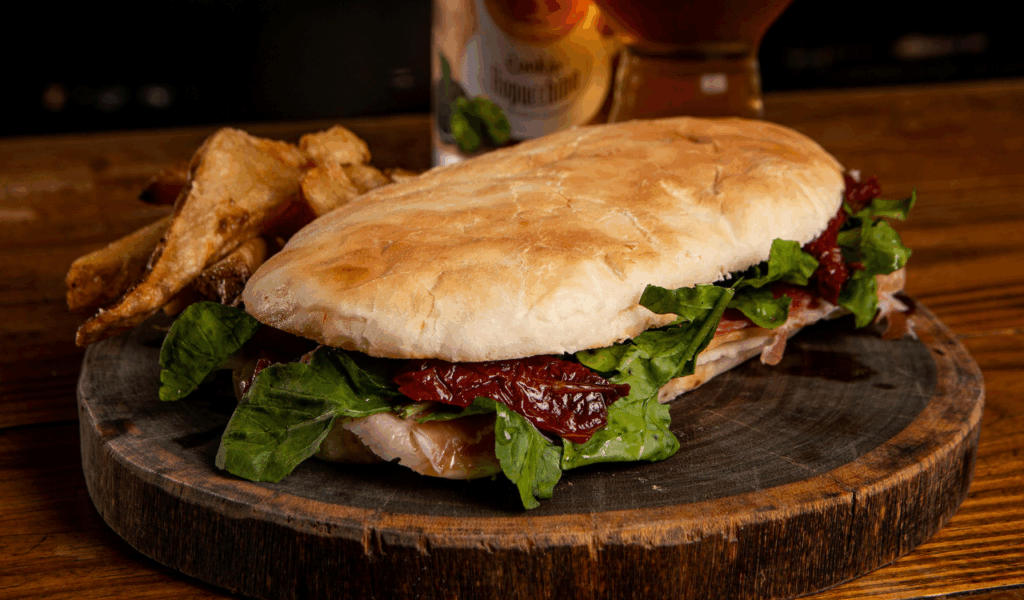
Jimmy John’s built its brand on speed, consistency, and the idea of fresh ingredients prepared the same way every time. Over the years, however, reports of recipe changes and limited ingredient disclosure have raised questions. The chain provides allergen information but stops short of offering full transparency, which frustrates customers who want to know exactly what’s in their food. Bread formulations, deli meat sourcing, and preservatives can all change quietly in response to cost pressures. Even if those changes meet regulatory standards, customers notice differences in flavor, texture, or shelf life. When expectations are built around freshness, any deviation stands out.