
Some links in this post are affiliate links. For details, please review the disclosure.
1. EGGS

Eggs actually perform meaningful work. Rather than a rushed pastry or sugary cereal, they supply a dense portion of premium protein that directly influences how long you stay full. Protein slows digestion and minimizes blood sugar swings, which is why an egg-forward breakfast keeps hunger at bay for hours rather than minutes. Eggs also contain fat, especially when you keep the yolk, and that protein-fat mix triggers satiety hormones in the body. In practice, this means fewer mid-morning cravings and less mindless snacking later. Eggs are incredibly versatile, which matters more than most realize.
2. GREEK YOGURT WITH HEALTHY ADD-INS

Greek yogurt stands out by concentrating protein while keeping portions manageable. Compared with regular yogurt, it contains substantially more protein per bite, directly supporting fullness. The real edge appears when you pair it with the right additions. Pairing Greek yogurt with nuts, seeds, or berries introduces fiber and fat, slowing digestion even further. This combo keeps blood sugar stable and prevents the rapid hunger rebound that follows sweetened yogurts or fruit-only breakfasts. Many people assume yogurt is a light option, but Greek yogurt behaves differently in the body.
3. OATMEAL WITH PROTEIN AND FIBER BOOSTERS

Oatmeal gets a bad rap when eaten plain or overly sweetened, which misses the value. Oats are rich in soluble fiber, particularly beta-glucan, which forms a gel during digestion. That gel slows stomach emptying and heightens fullness. The key is pairing fiber with protein—milk, yogurt, eggs, or nut butter—so it becomes a robust satiety tool. Adding seeds or nuts enhances texture and helps keep hunger at bay longer. The overall effect is a shift in energy use: instead of quick glucose spikes, you enjoy steady fuel.
4. NUT BUTTERS
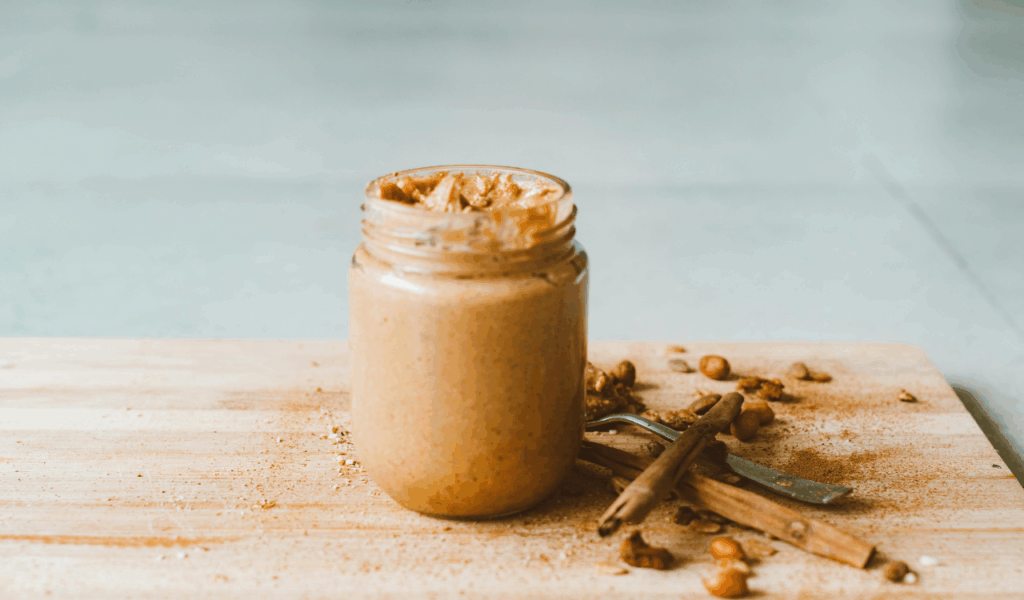
Nut butters succeed by delivering fat, protein, and a touch of fiber in a single compact option. Fat is often misunderstood, yet it plays a central role in creating fullness. Incorporating nut butter into breakfast slows digestion and keeps hunger hormones quiet longer. A spoonful of peanut or almond butter with fruit or whole grains feels grounding rather than fleeting. They also help stabilize blood sugar, reducing energy crashes. An added advantage is density: a small amount goes a long way, making them practical when appetite is low but nourishment is needed.
5. AVOCADO ON WHOLE GRAIN TOAST

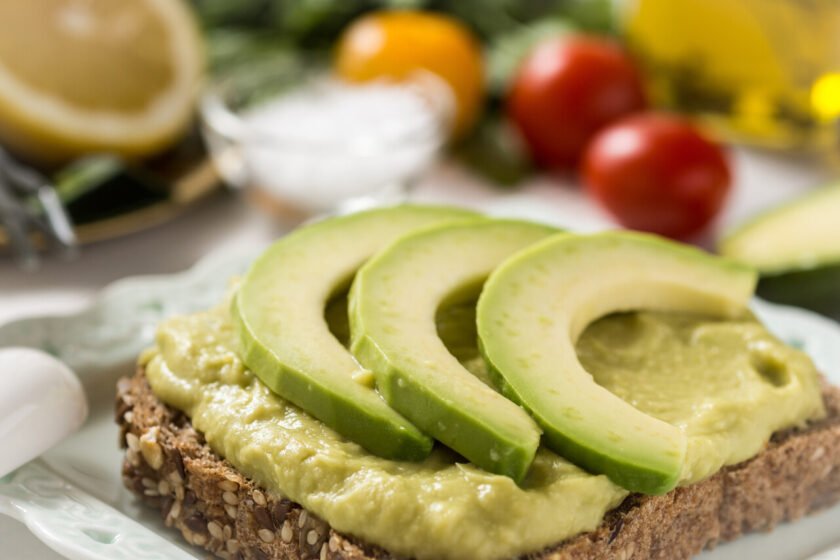
Avocado shines where many breakfast picks fall short by delivering fat and fiber together. Fat slows digestion, while fiber adds volume and signals fullness. When paired with whole-grain toast, the result is steady energy rather than a rapid rise and fall. Whole grains digest more slowly than refined bread, and avocado smooths that process even further. This combo helps prevent the hunger rebound that often follows toast alone. Avocado also supports nutrient absorption, making the meal more efficient overall. In short, it means fewer cravings and better appetite control.