
Casual Dining Pasta Dishes
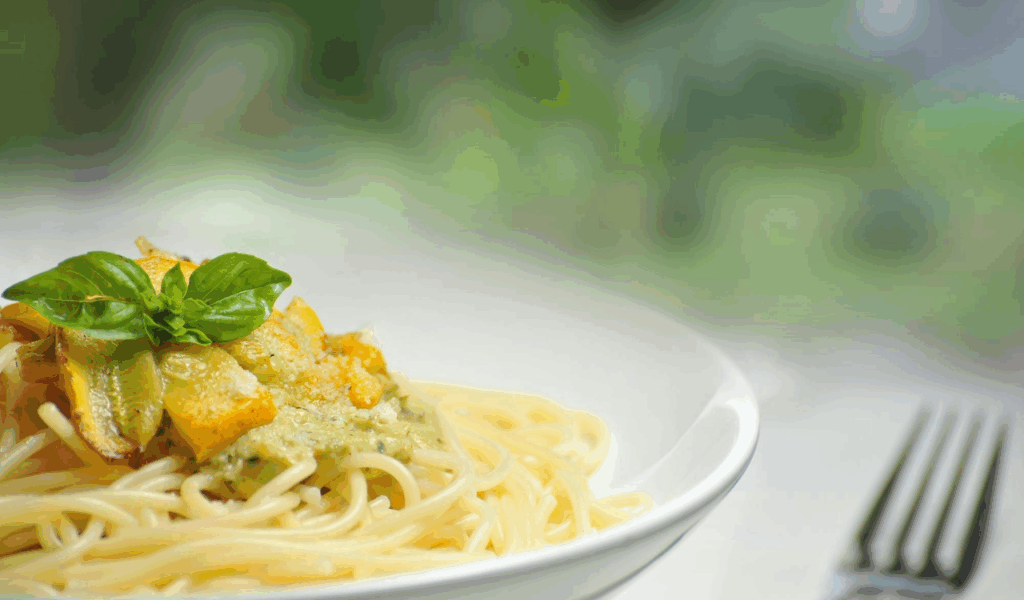
Casual-dining spots formerly offered sizable pasta portions that were easy to share or take home. Now menus frequently show smaller bowls, reduced protein, or lighter sauces, while prices either hold steady or rise. To preserve a sense of fullness, restaurants may use narrower plates or deeper bowls. The higher costs for dairy, wheat, and proteins drive these adjustments. Regular diners often feel less satisfied after finishing, even though the taste remains consistent. The diminished portion size shifts perceived value, especially among loyal patrons.
Burger Combo Meals

Burger combo platters have long set the standard for meal heft, particularly the patty size and sides. Today, many venues feature thinner patties and noticeably smaller sides like fries or salads. Some menus add charges for what used to be basic toppings or larger portions. Even with these changes, base costs rise. To keep meals looking substantial, restaurants may elevate the buns or package items in smaller containers. Loyal customers quickly notice the change and realize they’re paying more for a meal that doesn’t fill them up as much as before.
Breakfast Platters
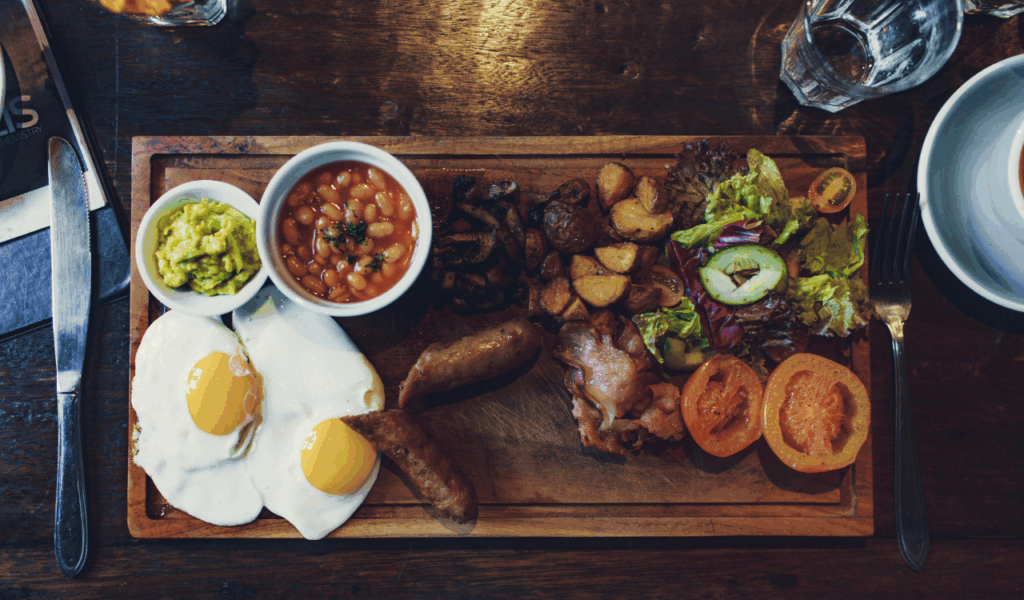
Morning platters previously offered hearty portions of eggs, grains, and morning proteins. Many spots have quietly trimmed servings, offering fewer eggs, smaller sides, or thinner steaks while prices stay the same. The costs of eggs and cooking oil have driven these shifts. Plates can still look full thanks to smart spacing or extra garnish, but diners often leave less satisfied. The reduced quantities are noticeable to those who rely on breakfast to power their day, and they may visit less often.
Build-Your-Own Bowl Menus
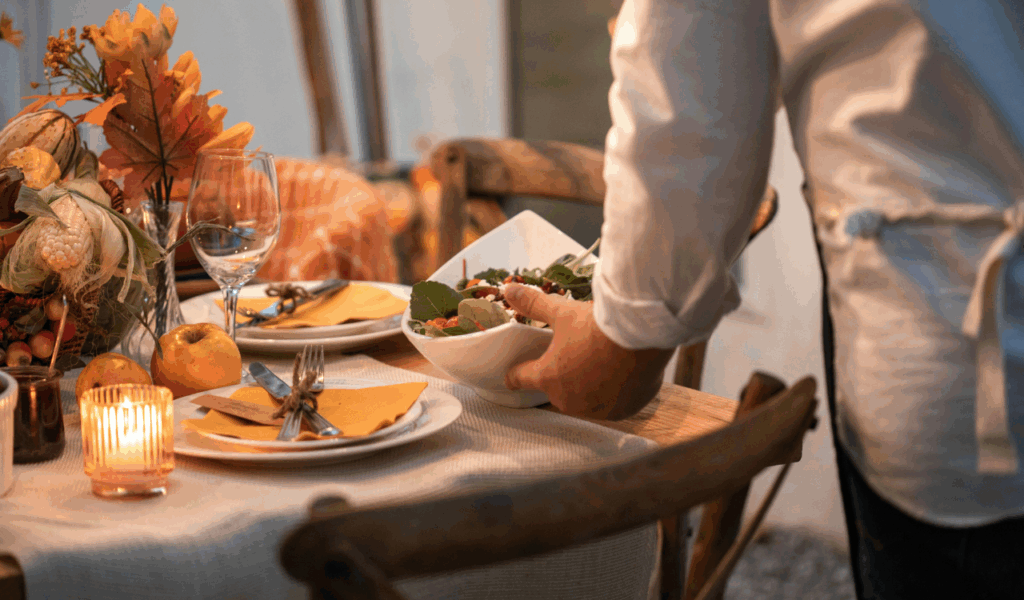
People like build-your-own bowl ideas because they feel in charge of both the ingredients and the price. A lot of restaurants have recently cut the default scoop sizes for bases, meats, and toppings without changing the prices on the menu. Extra scoops often cost more, which makes the total cost go up quickly. Even while the bowls still look bright and well-balanced, the overall volume may feel lighter than you thought. People who go to these places often note that the bowls don’t fill them up as much anymore. Customization makes it easier to see how portions have gotten smaller, especially when long-time customers compare their past and present experiences.
Entrées With Fewer Side Items
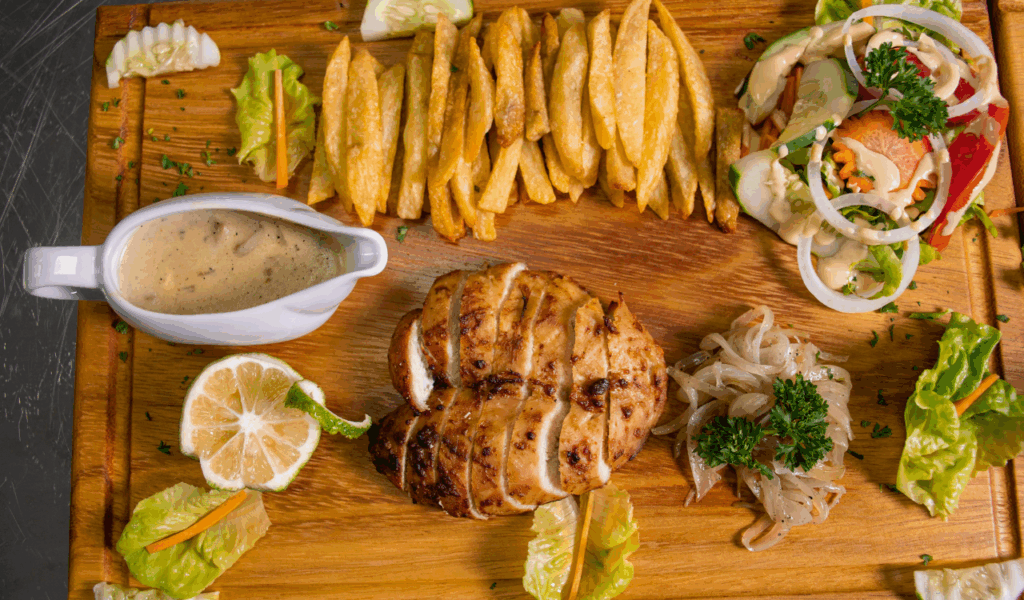
In the past, the base price of many restaurant entrees included several side items. Today, it’s usual for plates to come with only one little side or none at all, so you have to buy extras. Even when prices go up, the portions of the primary item may be a little smaller. This change lets eateries serve more sides while keeping expenses down. When familiar dishes don’t taste the same anymore, diners typically notice. The dinner still looks nice, but the smaller sides affect the way buyers used to think about the menu pricing as a sign of abundance.