
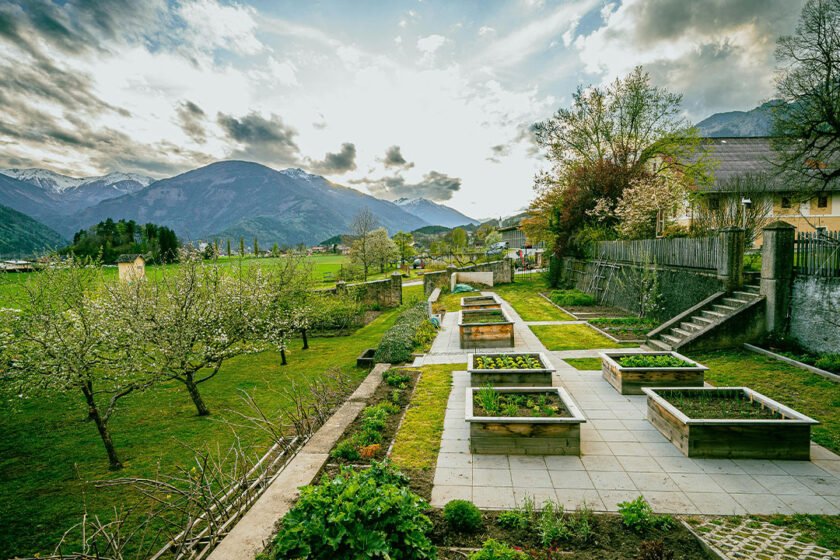
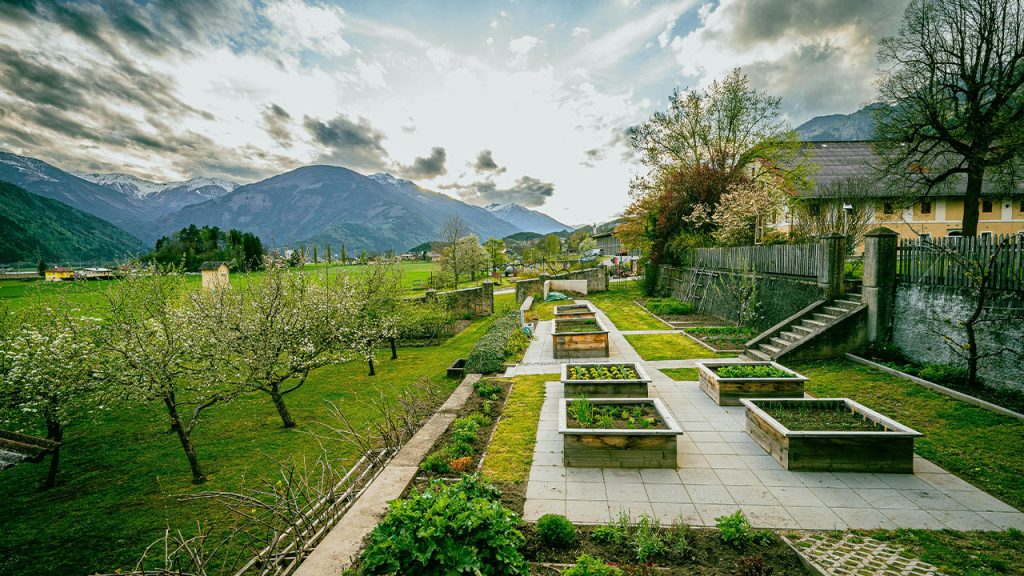
Filling a raised garden bed entirely with high-quality soil can get expensive fast—especially if you’re working with deep beds or multiple boxes. The good news? You don’t need to fill the entire thing with pricey topsoil. Gardeners in the know use strategic “filler” materials that improve drainage, reduce cost, and still support healthy root growth. Here are six affordable options to bulk up your beds without breaking the bank.
1. Logs and Branches From Your Yard
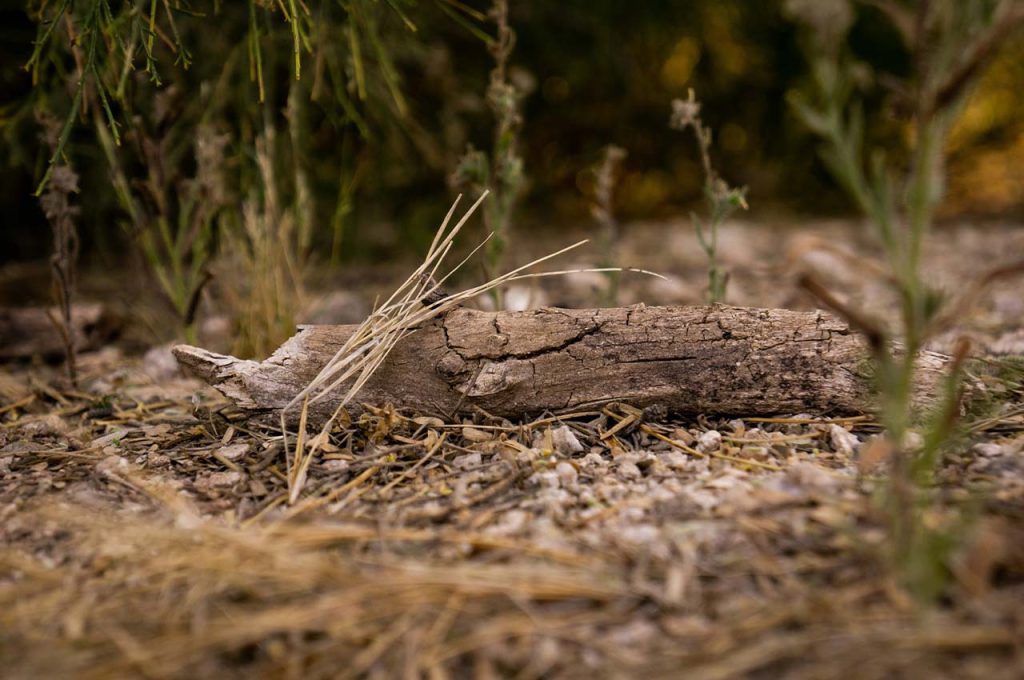
Tossing in logs, branches, and twigs at the bottom of a raised bed mimics the hugelkultur method. As they slowly decompose, they improve soil structure, retain moisture, and release nutrients. It’s a smart way to repurpose yard waste while saving money on soil. Just avoid anything freshly cut or from disease-prone trees like walnut, which can inhibit plant growth.
2. Shredded Cardboard and Paper
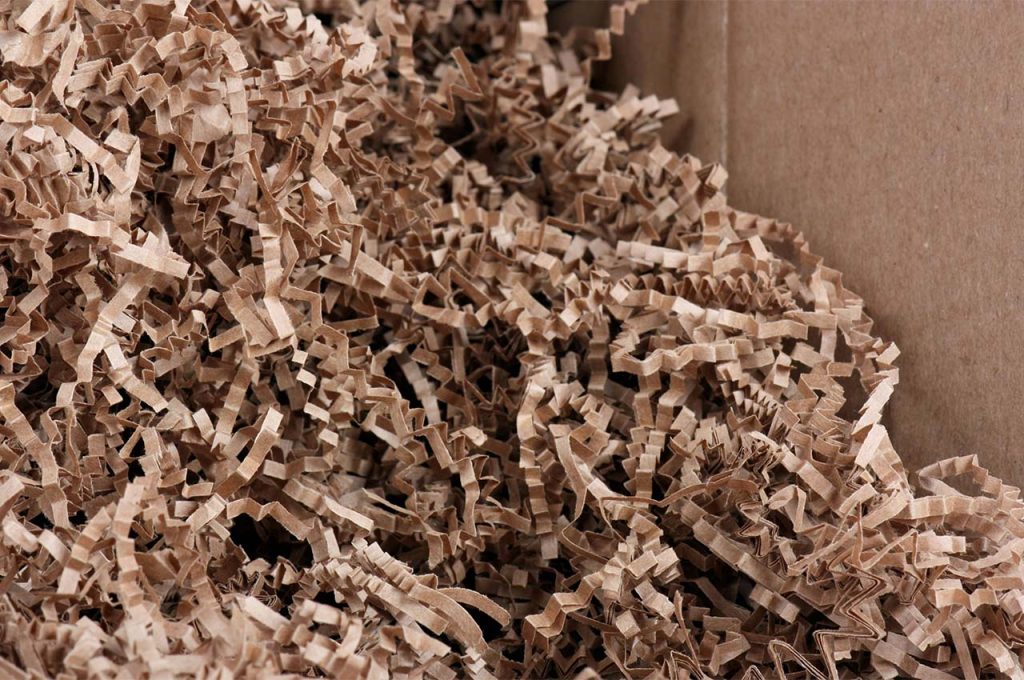
Clean, dye-free cardboard and shredded newspaper make excellent organic filler. Layered at the bottom of your bed, they break down gradually, suppress weeds, and boost water retention. Be sure to remove any tape or glossy coatings first. This method is especially handy if you have leftover moving boxes or weekly newspaper deliveries piling up.
3. Dried Leaves and Grass Clippings
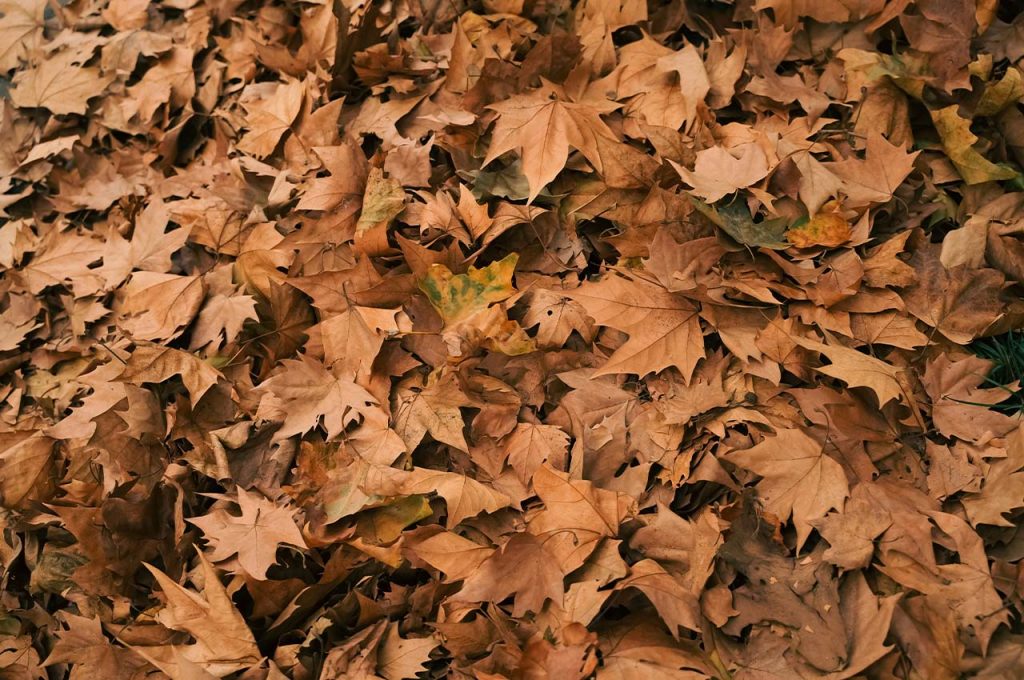
A mix of dry leaves and grass clippings creates an airy, compostable layer that encourages earthworms and microbial activity. As it breaks down, this “brown and green” combo enhances the richness of your garden soil. Let the grass dry out a bit before adding it to prevent matting and unpleasant smells, and make sure the leaves are disease-free.
4. Straw or Hay Bales
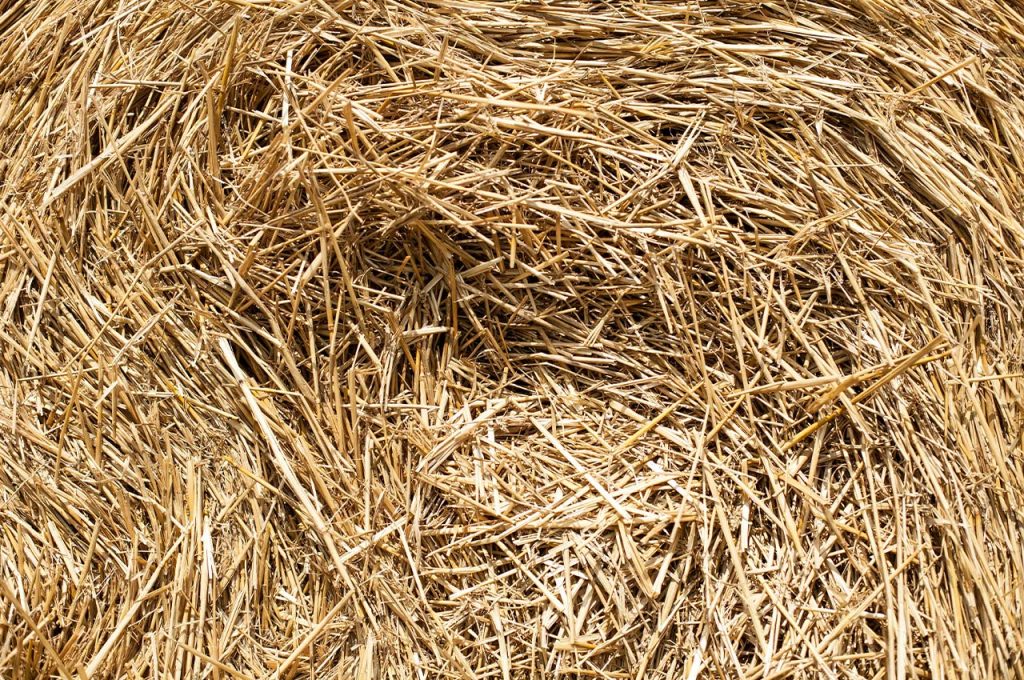
Straw and old hay are lightweight, easy-to-handle materials that provide bulk while enriching the soil over time. Straw is especially ideal because it’s low in seeds, unlike hay, which may introduce unwanted sprouts. Use it as a mid-layer filler, and it’ll help with aeration, drainage, and insulation—ideal for extending your growing season.
5. Compostable Kitchen Scraps
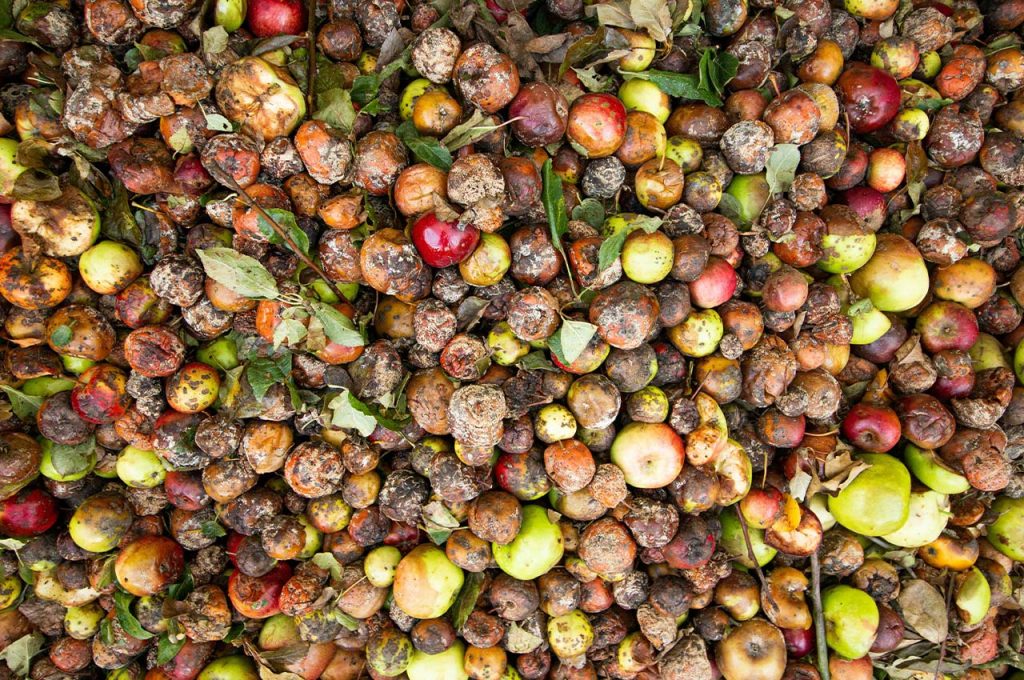
Fruit peels, coffee grounds, eggshells, and veggie trimmings can go straight into the bottom layers of your raised bed. Just like a compost pile, these scraps break down into nutrient-rich soil. Avoid meat, dairy, and oily foods to keep pests away. Cover scraps with soil or other filler to minimize odor and speed decomposition.
6. Old Potting Soil and Spent Plants
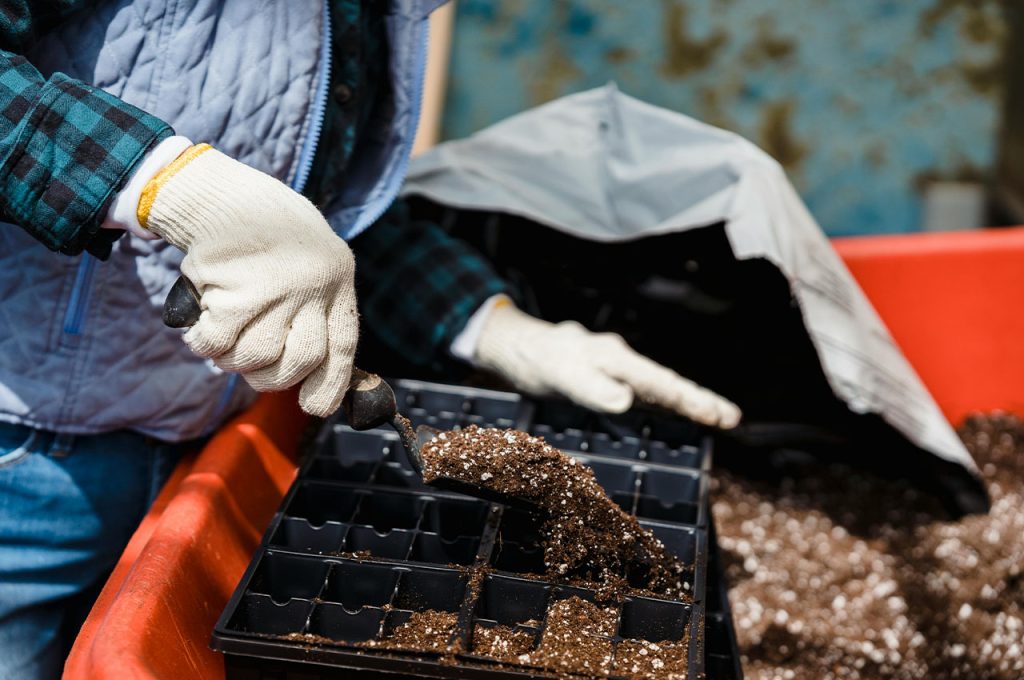
Don’t toss last season’s potted plants or their soil—repurpose them as base filler. Even if depleted of nutrients, this mix still adds valuable volume and organic matter. Chop up dead stems and roots to help them break down faster, and layer them beneath fresh soil. It’s a smart way to recycle materials that would otherwise be discarded.