
Note: This post contains affiliate links. See the disclosure for more information.
Six Grocery Store “Artisan” Foods Shoppers Say Taste Mass-Produced
Rustic-Style Bread Loaves
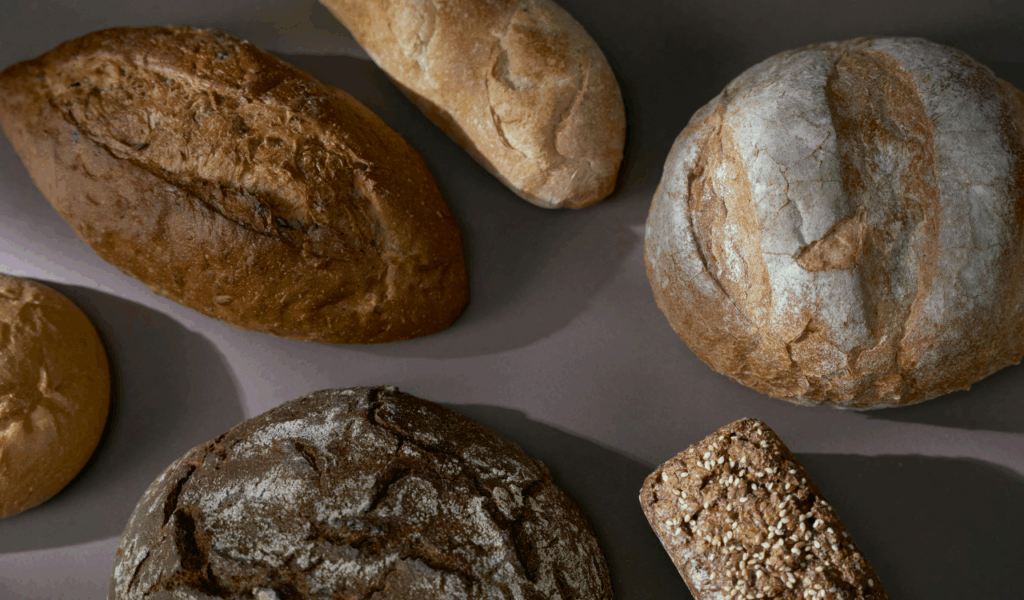
Rustic-style loaves are marketed as bakery-grade with hearty crusts, irregular shapes, and flour-dusted tops that imply handmade craft. In many cases, these loaves are produced in factories, shaped by machines, and baked rapidly. The result is a loaf that resembles handmade but lacks the depth that comes from natural fermentation. True artisan bread gains flavor and texture from longer fermentation. To meet shelf-life and output demands, mass-produced variants trim this step, leaving bread dense, bland, or drying out soon after opening, which can feel deceptive to shoppers.
Pre-Packaged Fresh Pasta
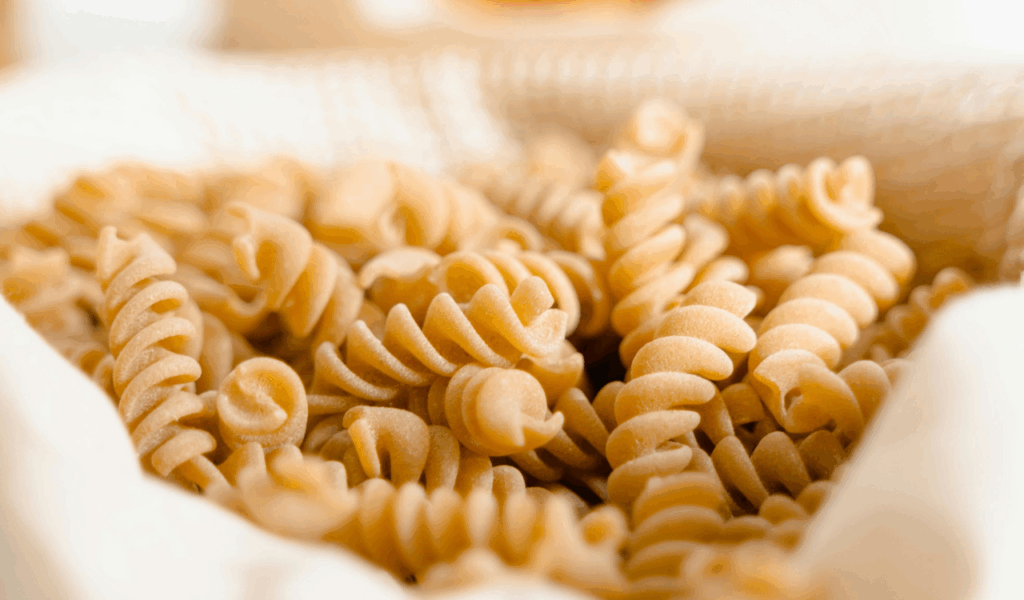
Refrigerated fresh pasta is sometimes labeled artisanal, implying hands-on mixing, rolling, and slicing. Yet most store versions are mass-produced in large facilities using industrial extruders and uniform recipes. They’re convenient and safe, but often lack the nuanced bite and subtle egg richness of truly fresh, small-batch pasta. When cooked, the texture may turn out too uniform or slightly sticky. Calling such products artisanal can feel misleading when they function like a mass-market item designed for consistency and long shelf life rather than unique flavor or traditional preparation.
Flavored Gourmet Popcorn
Gourmet popcorn, especially varieties with sweet or savory coatings, is often marketed as an artisanal snack. Packaging may feature rustic typography, lines suggesting small-batch craft, or claims of robust seasoning. In reality, many are produced in large quantities using industrial tumblers and flavor sprays. Buyers report flavors that feel one-note or artificial, not what they expect from a handmade treat. The popcorn can also lose its crunch, becoming too hard or stale quickly. People question whether the product truly earns the artisan label when the eating experience remains consistent bag to bag.

Craft-Style Ice Cream
Store-bought ice cream that appears handcrafted often uses premium ingredients, nostalgic imagery, and slow-churned vibes. While some brands genuinely meet higher standards, others rely on mass-production techniques. Shoppers notice excess air, stabilizers, or overly sweet flavors that mask ingredient quality. Real artisan ice cream tends to be thicker with cleaner, more balanced flavors, produced in smaller batches. A dessert that melts quickly or tastes overly manufactured can feel like mass-market ice cream in craft clothing rather than a truly cared-for frozen treat.

Specialty Cheese Blocks
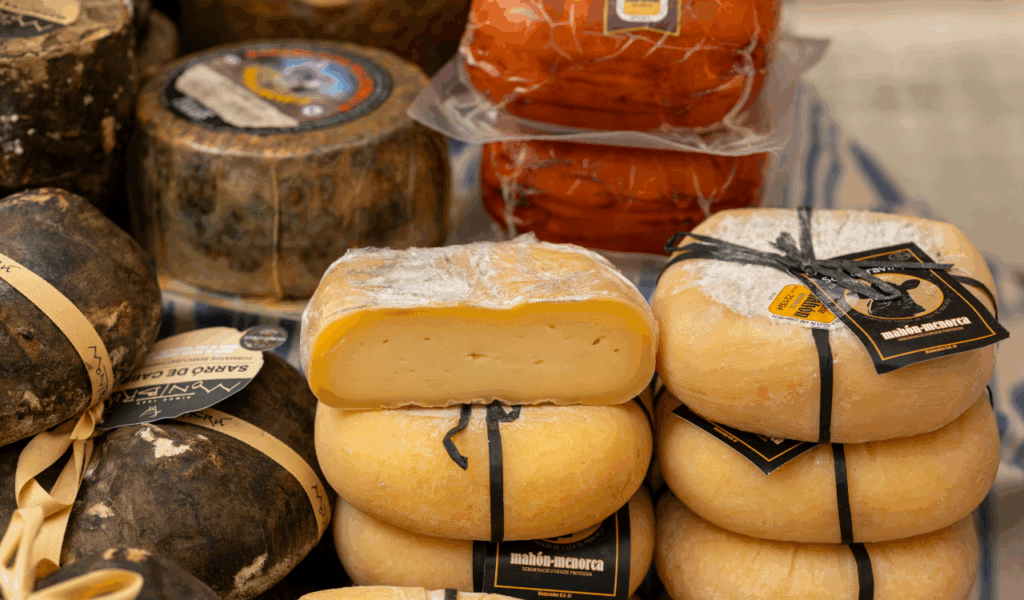
Artisan-style labeling on specialty cheeses often signals traditional methods and careful aging. Yet many grocery-store options are produced in large factories aimed at broad appeal, and may not deliver the same depth, aroma, and evolving texture as smaller-batch cheeses. Shoppers might find flavors muted and textures uniform, making them feel more processed than handmade. These cheeses are safe and widely available, but the artisan tag can be misleading when taste remains similar. Those seeking a distinctive flavor may be disappointed if the cheese doesn’t reflect the craftsmanship promised on the label.
Small-Batch Style Sauces
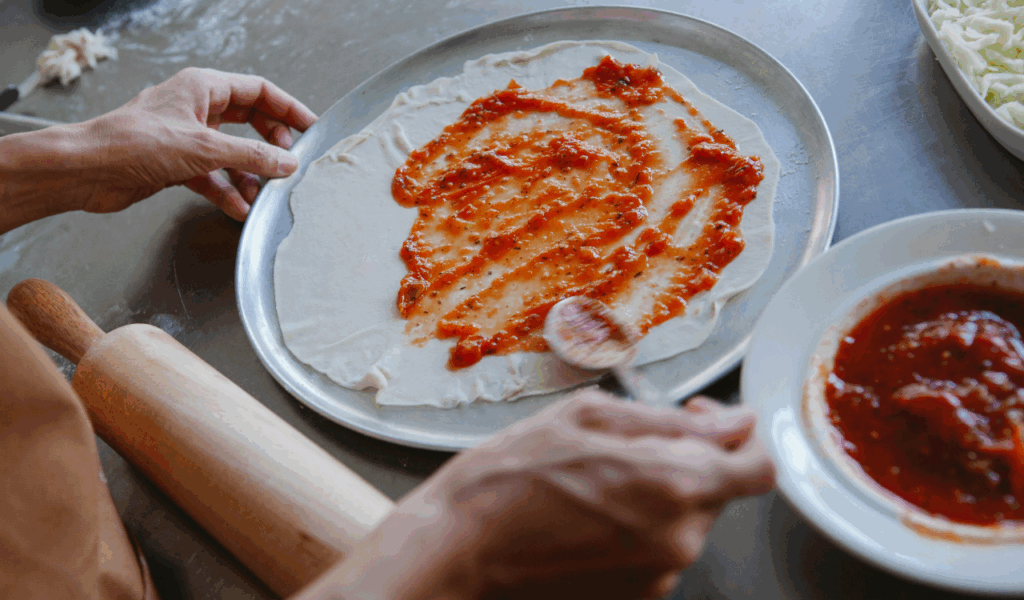
Small-batch style sauces often feature simple ingredient lists and rustic-looking packaging. Yet many are produced in enormous quantities using industrial equipment to preserve shelf life. Consumers commonly find these sauces too sweet, too salty, or uniformly flavored, lacking the depth that comes from cooking in small batches. People frequently adjust heat and seasoning to appeal to broad tastes instead of preserving authenticity. If a sauce tastes identical across flavors, it can feel more mass-produced than something crafted with care, as its artisan label suggests.