

Mexico has become a popular destination for digital nomads seeking affordable living, cultural immersion, and flexible residency options. However, living there requires more than booking an Airbnb and connecting to WiFi. Navigating immigration processes, handling tax obligations, understanding community impact, and ensuring reliable infrastructure are crucial parts of the experience. Local institutions, government agencies, and national statistics guide foreigners considering the move. These lessons are based on factual sources from the Mexican government, immigration offices, and statistical agencies to help prepare travelers for life as digital nomads in Mexico.
1. Visa
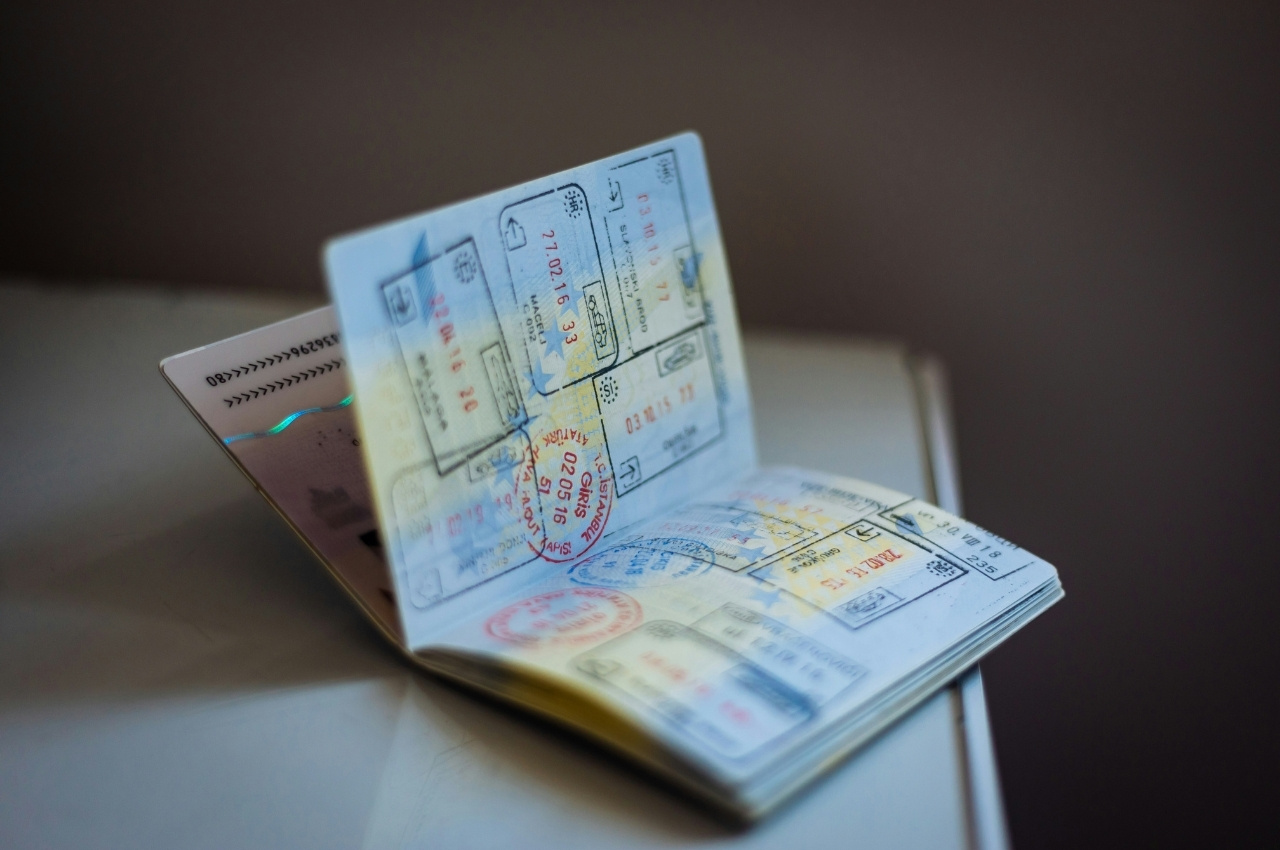
Mexico’s Temporary Resident Visa is the main pathway for foreigners planning to stay longer than 180 days. The Secretaría de Relaciones Exteriores confirms that this visa allows legal residence for one to four years and is renewable. Applicants must show proof of financial solvency, a valid passport, and additional supporting documents. Once approved abroad, holders must register with the Instituto Nacional de Migración to receive a residency card. Following official immigration processes avoids complications with overstays or reentries. Understanding this system ensures stability for digital nomads seeking to remain legally in Mexico beyond tourist allowances.
2. Tax Obligations
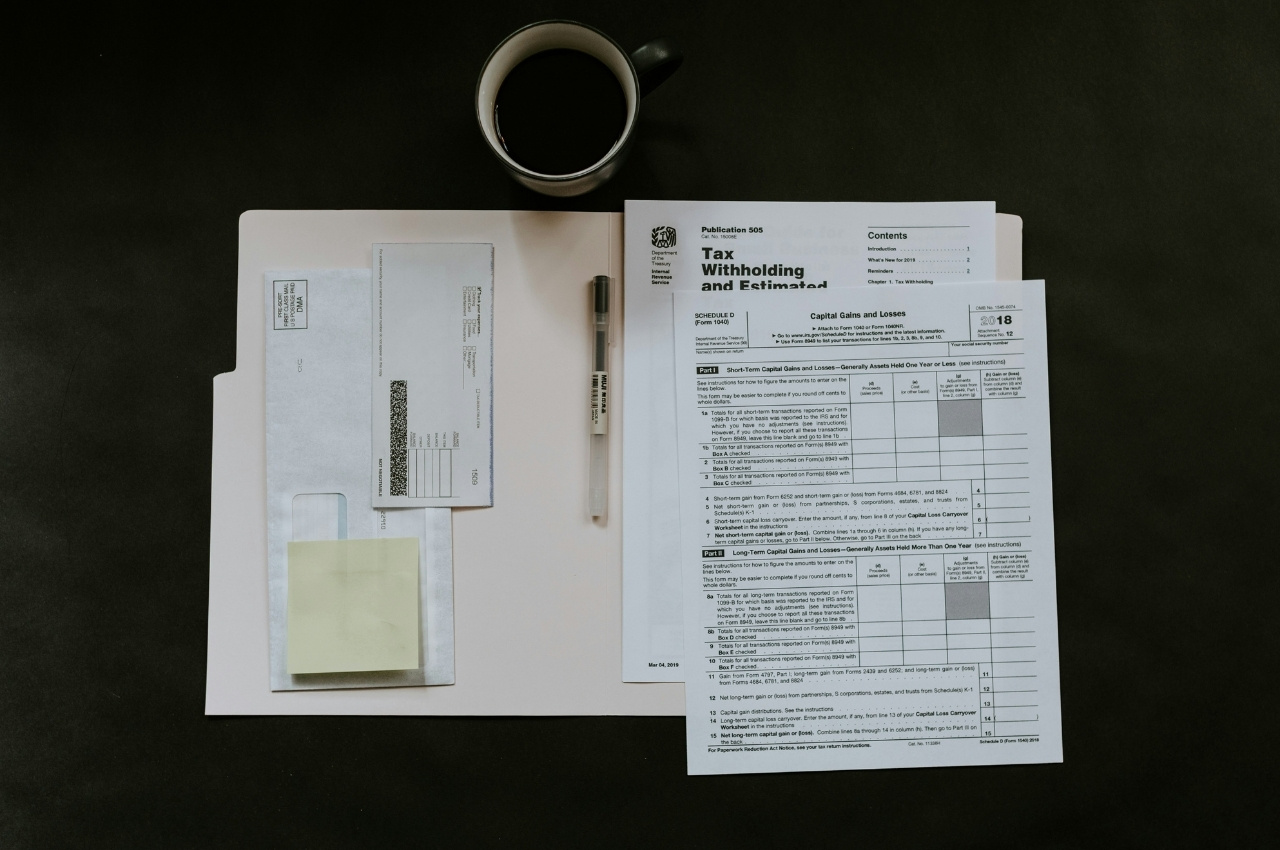
According to the Tax Administration Service (SAT), foreigners who spend more than 183 days in a year in Mexico can be considered tax residents. This means they are obligated to declare and pay taxes on worldwide income, not just local earnings. Non-residents only pay tax on Mexican-sourced income, but determining status depends on length of stay and proof of ties. Mexico has tax treaties with countries like the United States and Canada to prevent double taxation. Registering with SAT and obtaining an RFC number is essential for digital nomads planning longer or repeated stays in Mexico.
3. Infrastructure And Internet
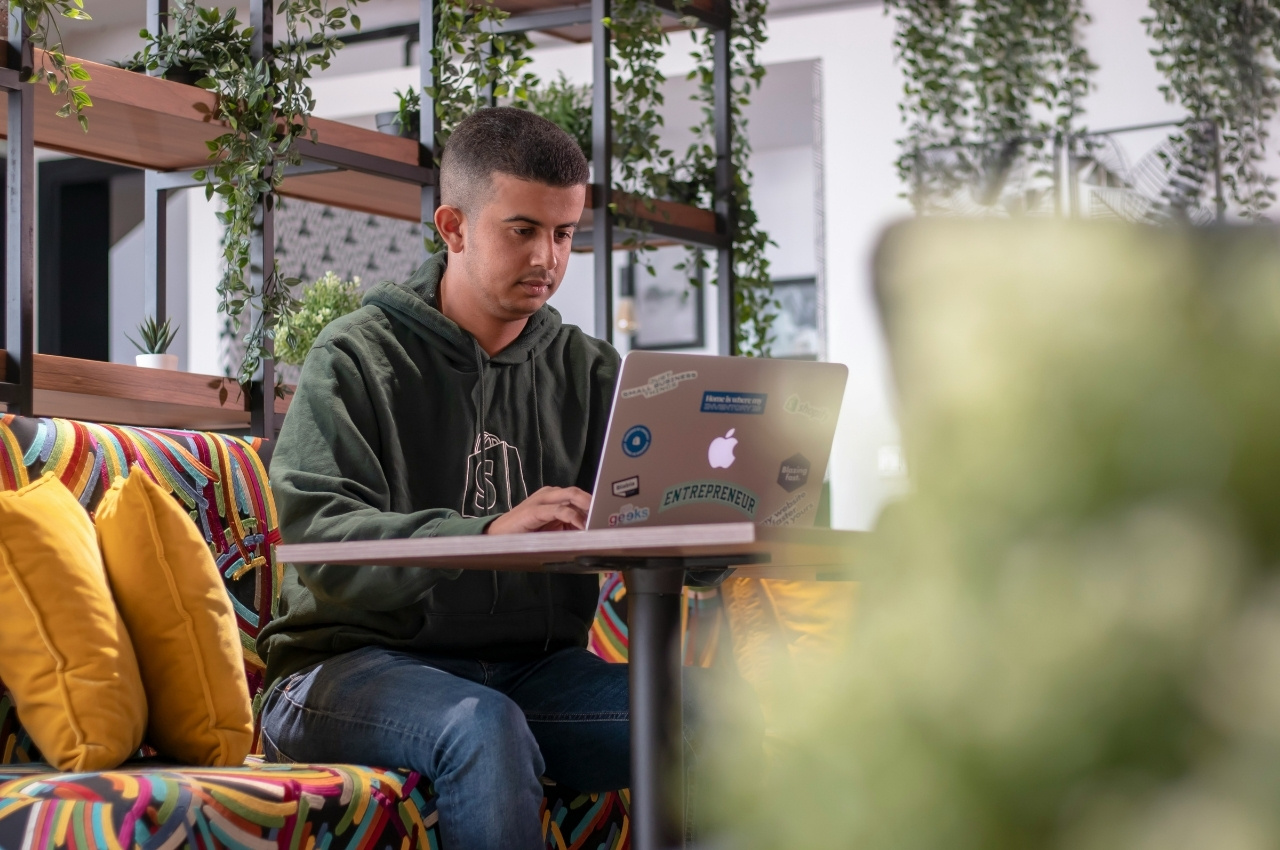
Mexico’s federal government, through the Secretaría de Comunicaciones y Transportes, has expanded broadband coverage in major cities such as Mexico City, Guadalajara, and Monterrey. Fibre-optic connections and coworking spaces are widely available in these urban areas, making them attractive hubs for remote work. However, rural communities still face slower internet and less reliable power. The Federal Telecommunications Institute has noted gaps in rural connectivity that affect reliability. Digital nomads must plan for backup internet options, such as mobile data hotspots, and choose cities with developed infrastructure to maintain professional commitments without disruption.
4. Housing Market Effects
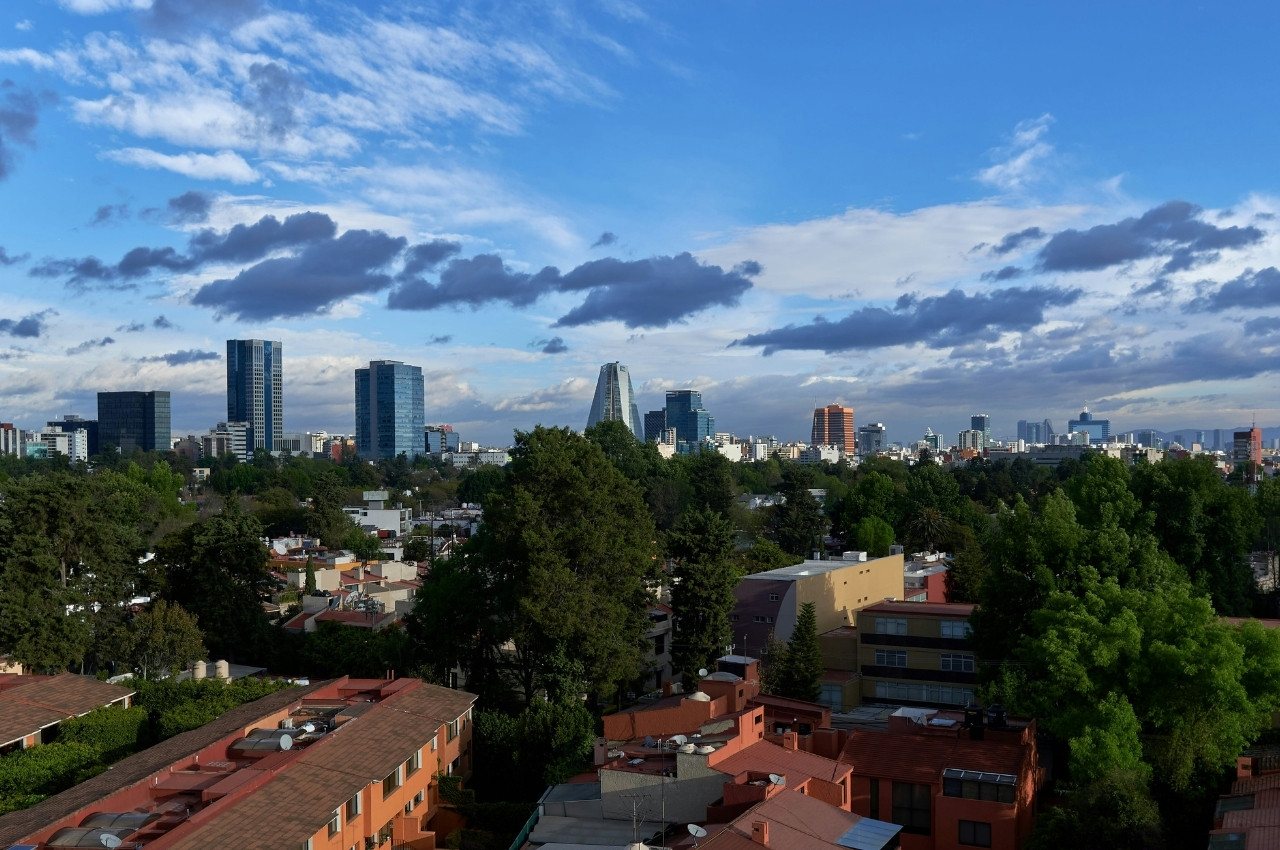
Housing affordability has been significantly affected in cities popular with digital nomads. Data from the National Institute of Statistics and Geography (INEGI) shows rising rental prices in areas like Mexico City’s Roma and Condesa neighborhoods. The demand from foreigners using short-term rental platforms has displaced residents and sparked public protests. In response, Mexico City officials have debated regulations to manage short-term rentals and protect affordable housing. Digital nomads choosing less saturated neighborhoods and supporting local landlords can reduce negative impacts. Being mindful of housing choices helps balance personal comfort with responsibility to local communities.
5. Legal Clarity And Regulation
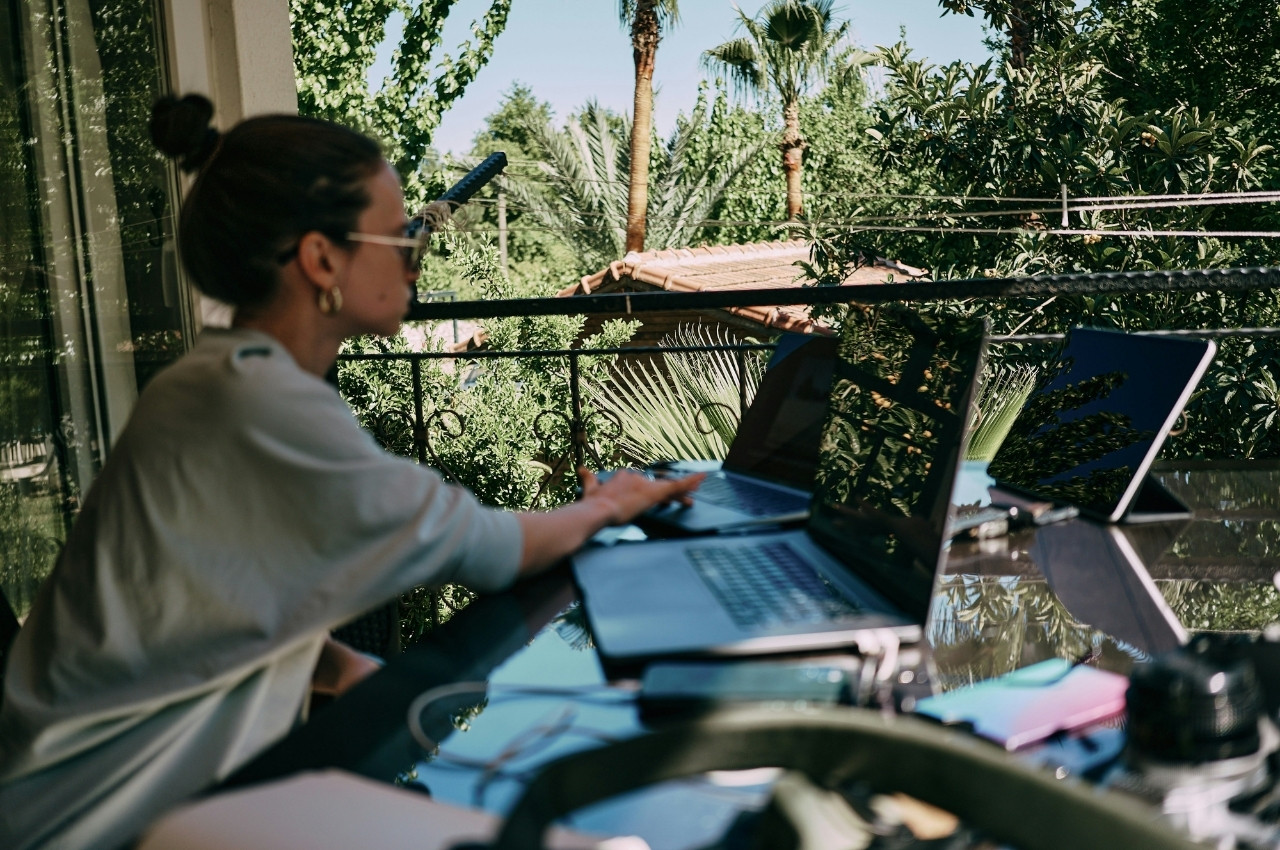
Mexico does not currently have a specific digital nomad visa, but existing categories, such as the Temporary Resident Visa, cover foreigners working for overseas companies while living in the country. The Instituto Nacional de Migración provides clear guidelines on the obligations attached to each visa type, including documentation requirements and renewal processes. Immigration law also connects to labor and tax codes, meaning digital nomads must ensure they are compliant in multiple areas. Consulting official government offices before arrival is recommended, as each case may differ depending on nationality, income, and intended length of stay.
6. Community And Culture
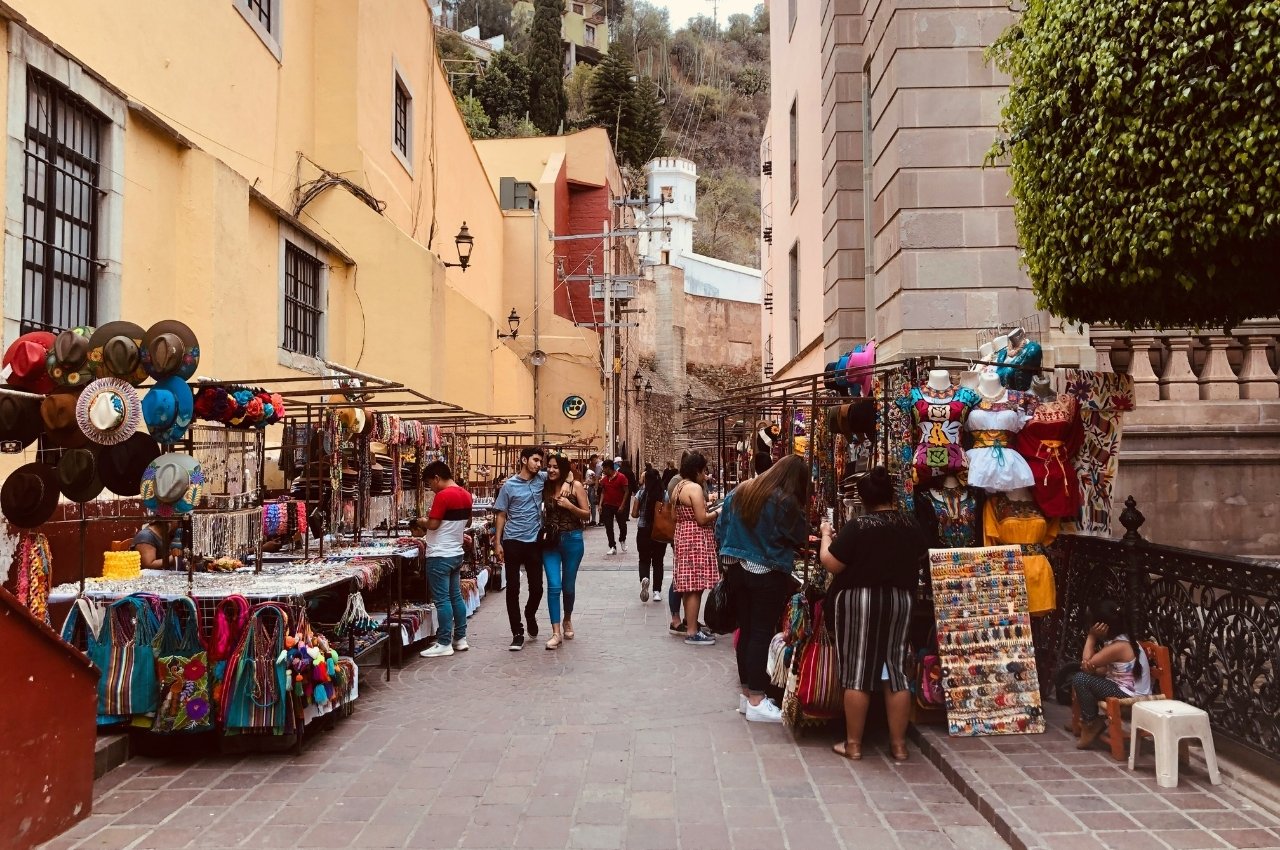
Mexico’s cultural life is deeply rooted in indigenous heritage, colonial history, and regional traditions. The Instituto Nacional de Antropología e Historia documents festivals, cuisine, and customs that vary across the country. While digital nomads often enjoy these cultural offerings, differences in language and pace of life can present challenges. Locals may also express frustration with rising costs linked to foreign residents, as noted in surveys conducted by INEGI. Building respectful relationships, learning Spanish, and participating in cultural events can foster stronger integration. Immersion in community life helps nomads move beyond surface-level experiences and create lasting connections.