
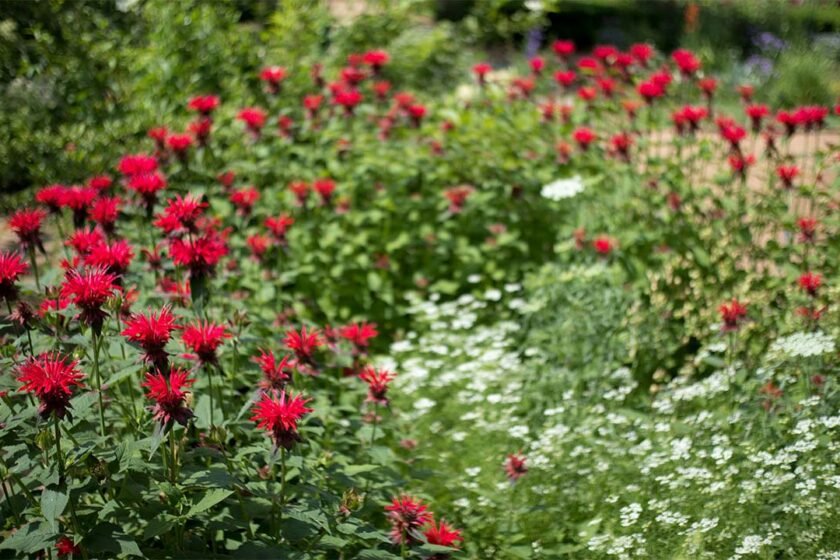
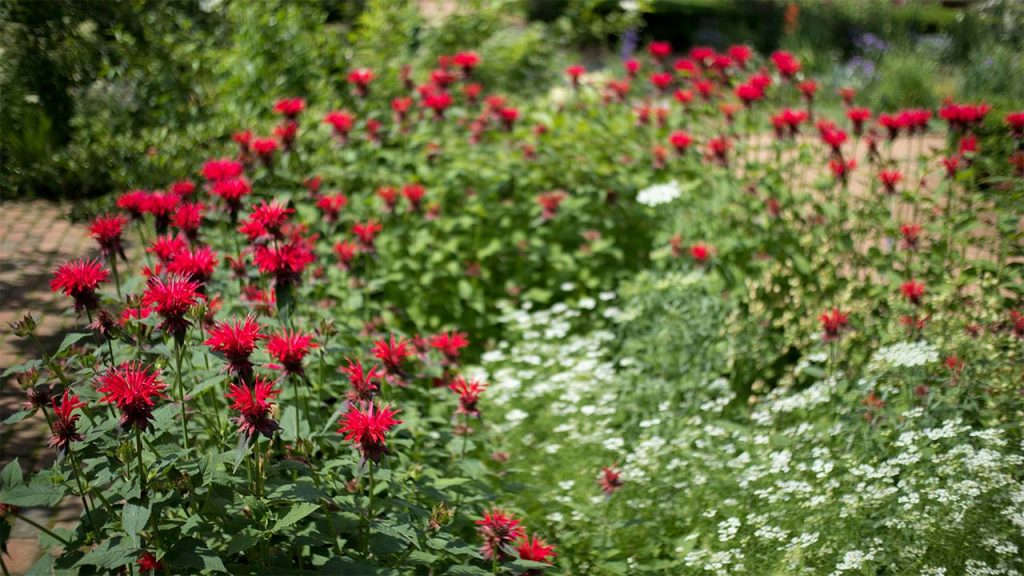
Bee balm is a vibrant, pollinator-friendly perennial known for attracting hummingbirds and butterflies—but it’s not immune to competition. Planting it too close to certain species can stunt its growth, affect blooming, or even crowd it out entirely. Whether you’re planning a cottage garden or refreshing your flower bed, knowing which plants to keep at a distance can help your bee balm thrive and stay the showstopper it’s meant to be.
1. Mint: The Aggressive Root Spreader
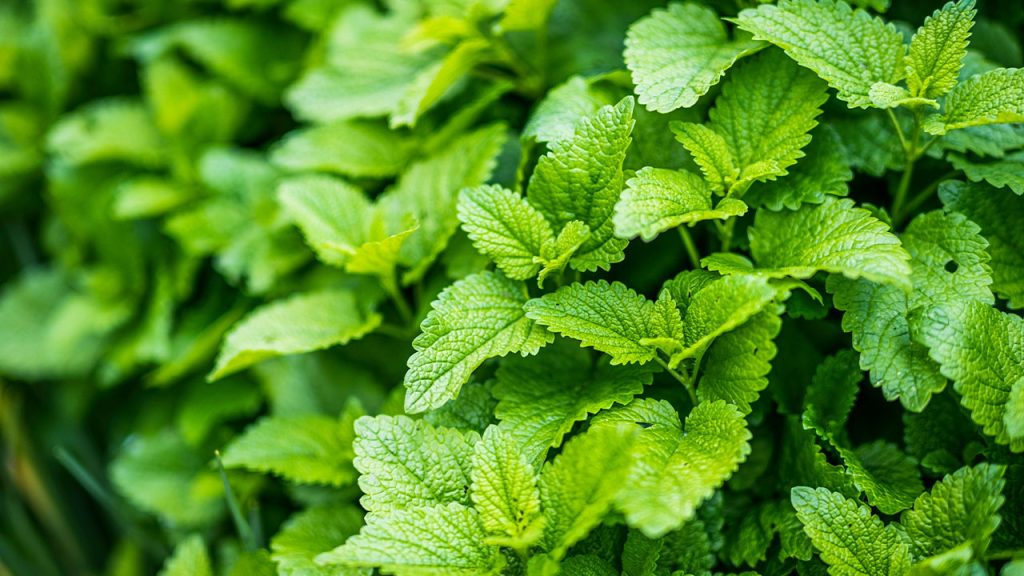
Mint may be fragrant and useful, but it’s notorious for taking over garden beds. Its spreading roots compete for space and nutrients, quickly overwhelming nearby plants like bee balm. When planted too close, mint can choke out bee balm’s roots and stunt its growth. If you love mint, keep it contained in a pot or a barrier-lined area to avoid garden domination.
2. Black-Eyed Susan: A Sunlight Stealer
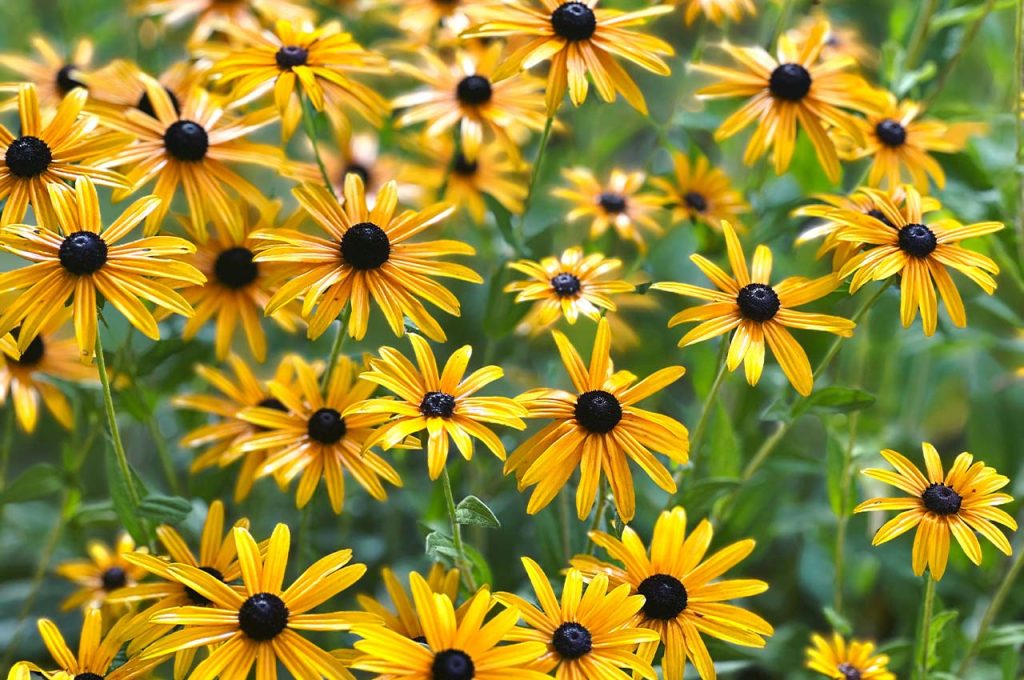
Black-eyed Susans are cheerful, low-maintenance blooms—but their height and dense foliage can overshadow bee balm. When planted too closely, they block precious sunlight and limit airflow, which bee balm needs to thrive. To avoid competition, give each plant its own sunny spot and room to breathe.
3. Hostas: Heavy Feeders in Shady Spots
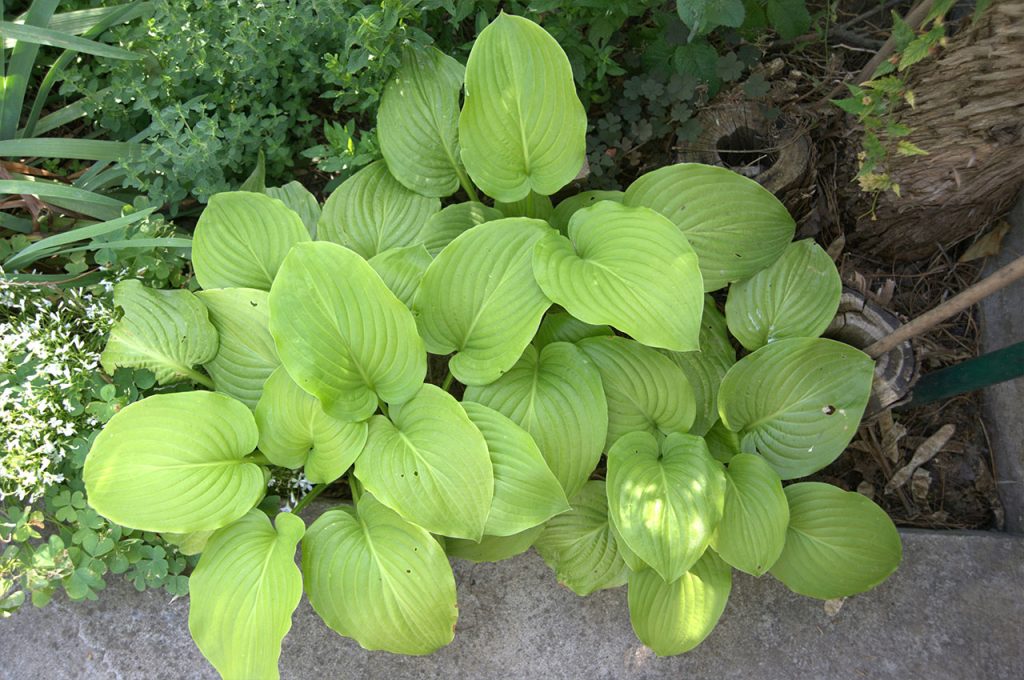
Hostas and bee balm don’t make the best neighbors. Hostas prefer shady conditions and rich soil—environments where they’ll compete fiercely for nutrients. Their large leaves can also shade out sun-loving bee balm, leaving it with leggy growth and fewer blooms. Keep them separate to let each plant shine in its ideal environment.
4. Bee Balm Itself: When it gets overcrowded
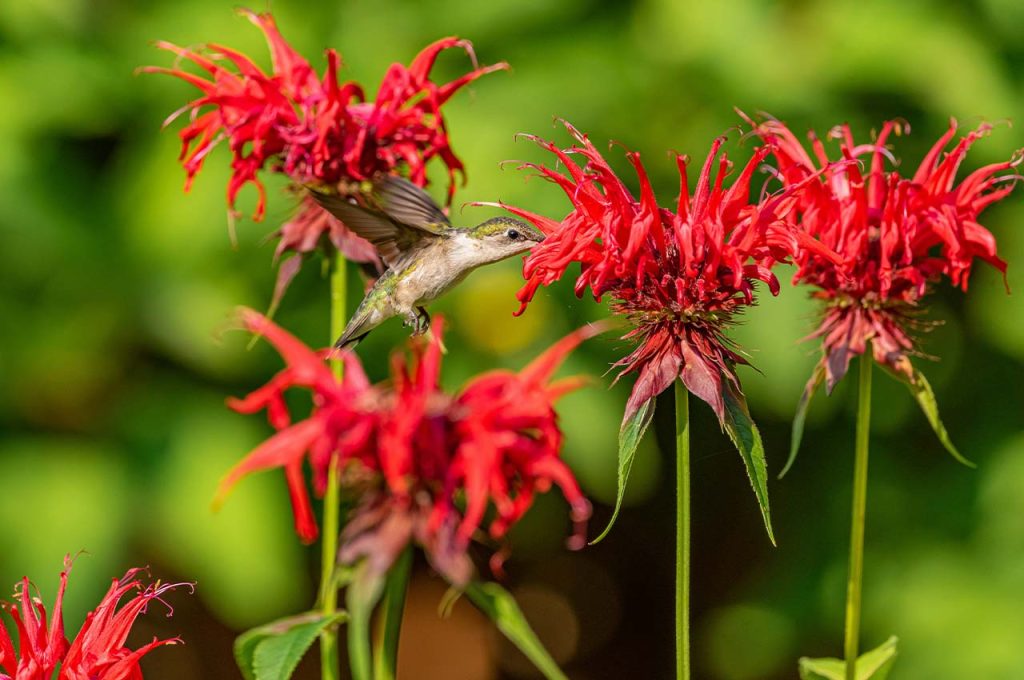
Bee balm spreads aggressively through underground rhizomes. While a single clump adds charm, too many can quickly form a dense patch that crowds out nearby plants—including other bee balm. Without regular thinning, it can reduce air circulation and increase the risk of mildew. Divide plants every couple of years to keep the bed healthy and balanced.
5. Creeping Jenny: Ground Cover Gone Wild
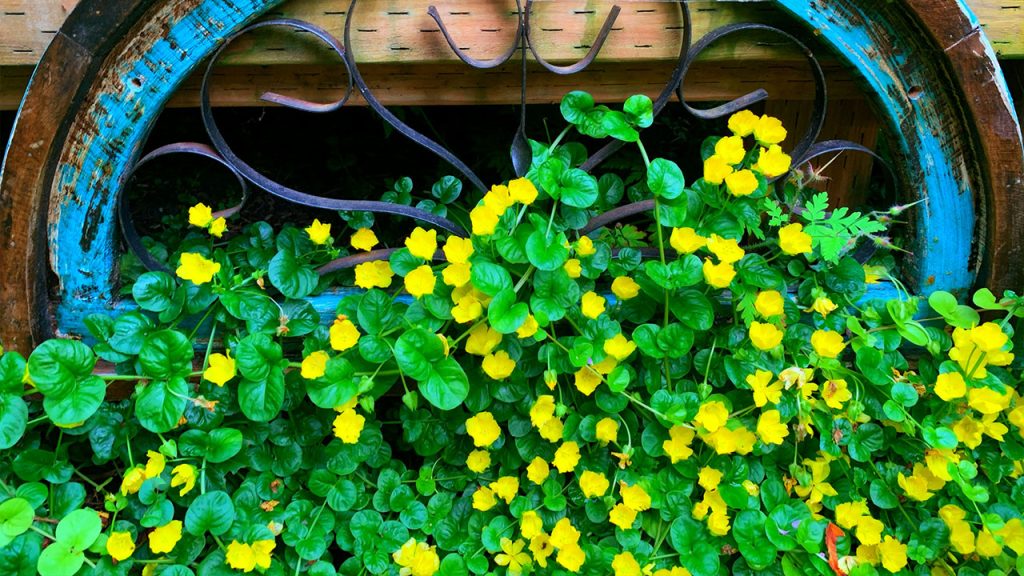
Creeping Jenny adds lovely golden-green tones to the garden, but it spreads fast and forms thick mats. These mats can compete with bee balm for water and nutrients, smothering its base and affecting root development. If using Creeping Jenny, confine it to pots or use edging to keep it in check.
6. Tall Ornamental Grasses: Shade and Space Hogs
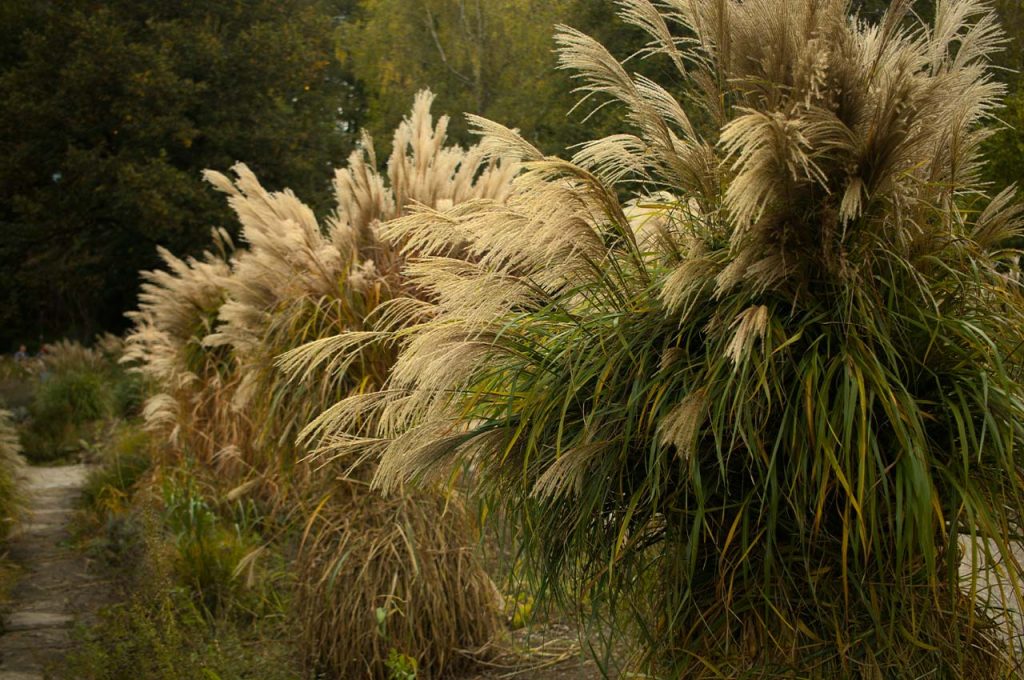
While tall grasses bring movement and texture, they can overshadow and outcompete bee balm in smaller gardens. Their height casts shade, and their dense roots hog soil nutrients. When planted too close, bee balm may struggle to bloom or spread. Pair them thoughtfully, allowing space between for healthy growth.