

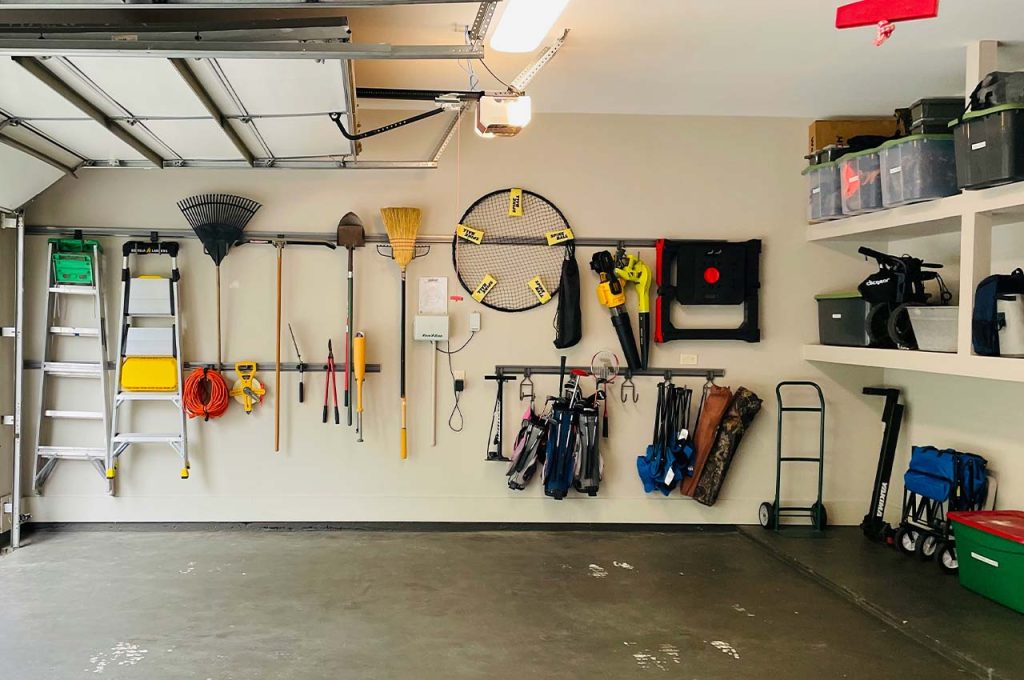
Your garage might seem like the perfect spot for extra living space or a side hustle setup, but zoning laws and building codes often say otherwise. From makeshift guest rooms to low-key businesses, certain uses can violate local regulations—and land you in hot water. Before you plug in that mini-fridge or set up a workshop, here’s what to know about garage uses that could be breaking the rules without you realizing it.
1. Turning Your Garage Into a Bedroom Without a Permit
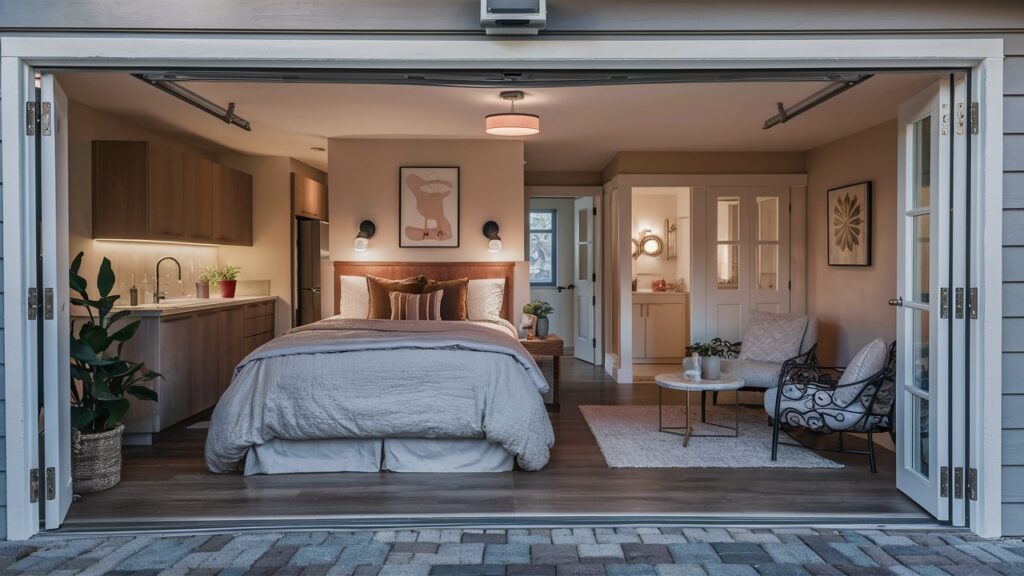
Transforming your garage into a cozy bedroom might seem like a smart space-saving move, but doing so without the proper permits can lead to major headaches. Unpermitted conversions can violate local codes, affect home value, and even pose safety risks. Before adding drywall and a bed, check with your city—many areas require inspections for insulation, exits, and fire safety.
2. Running a Business From the Garage in a Residential Zone
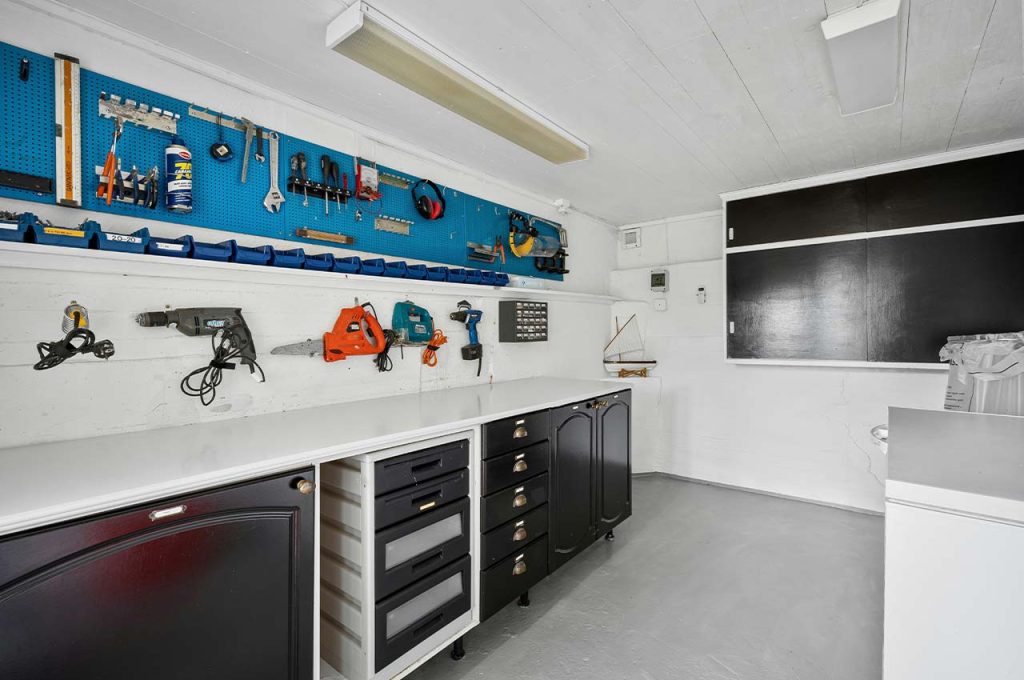
Turning your garage into a business hub—whether a workshop, studio, or stockroom—can clash with local zoning laws and raise red flags. Even seemingly harmless setups can cause legal issues if they attract foot traffic, create noise, or involve hazardous materials. Always confirm your local regulations, and consider applying for a home occupation permit if needed.
3. Adding a Kitchenette or Cooking Area Illegally
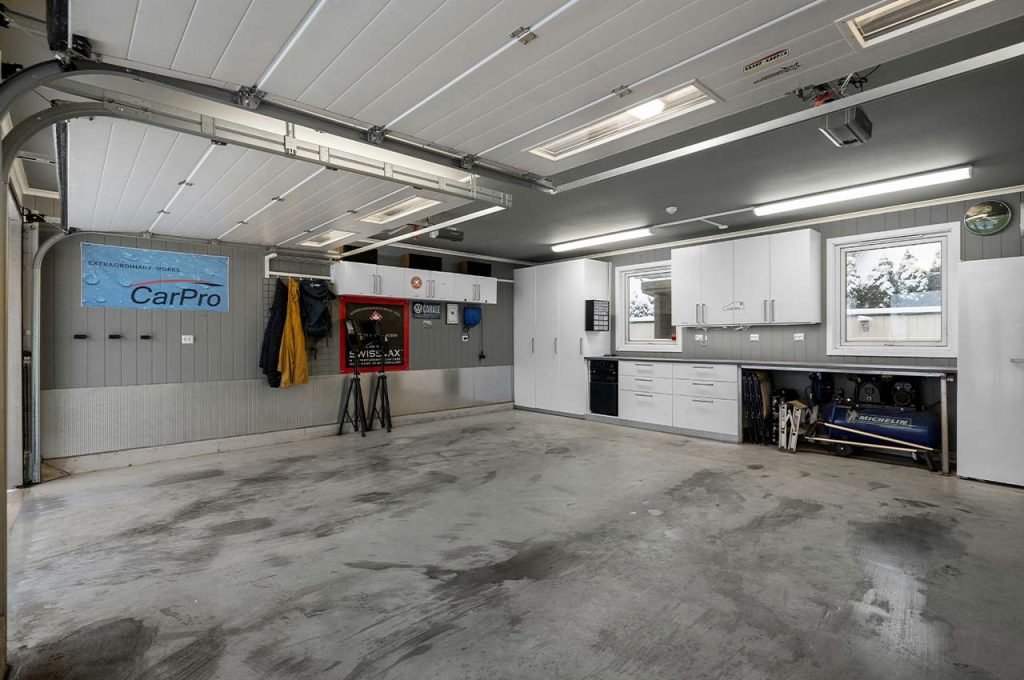
Adding a kitchenette or cooking area to your garage without permits can raise serious safety and zoning concerns. Many municipalities prohibit unapproved second kitchens because they often signal an unpermitted rental unit. Improper ventilation, wiring, or gas hookups can also pose fire hazards. If you’re considering a cook space, consult local codes and get the proper inspections to avoid fines or forced removal later.
4. Installing Plumbing or Electrical Work Without Approval
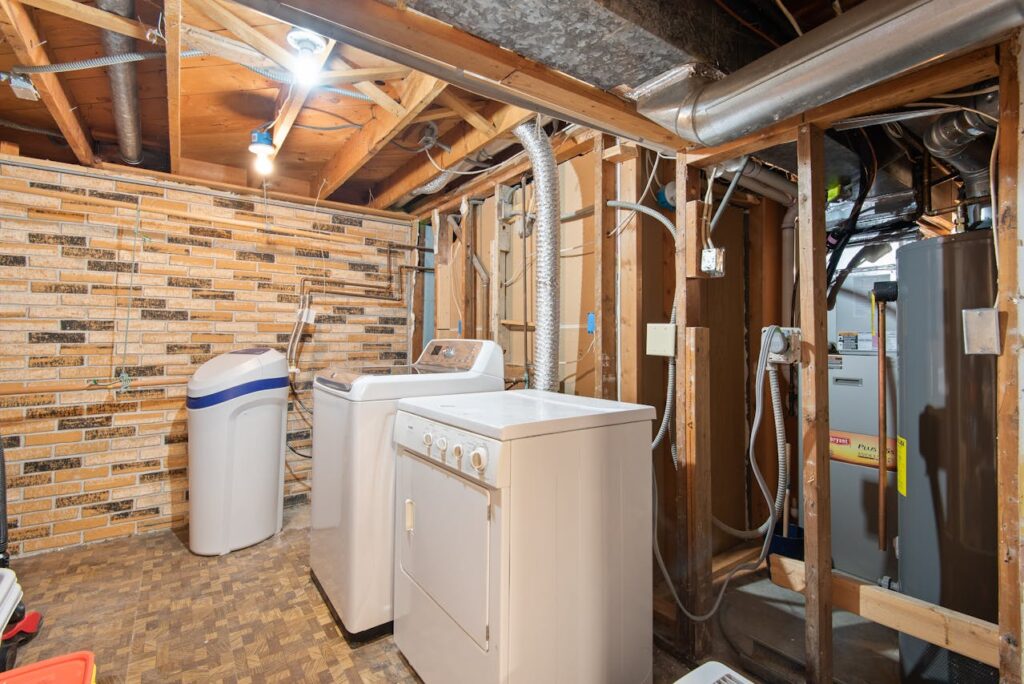
Adding a bathroom, laundry area, or upgraded outlets to your garage without pulling permits is risky and can compromise safety. Unapproved plumbing or electrical work may violate building codes, create fire hazards, or lead to leaks and mold. Always hire licensed professionals and get your work inspected—especially if you plan to sell the home later.
5. Using the Garage for Long-Term Living Without Meeting Code

Letting someone live in your garage without converting it legally could violate occupancy laws and put both you and your tenant at risk. Without proper egress, fireproofing, heating, or insulation, the space may be unsafe for sleeping or extended use. If you’re considering a rental or guest space, go through the proper channels to meet all habitability standards.
6. Blocking Required Parking Spaces With Permanent Setups

In many neighborhoods, converting your garage for storage, gym equipment, or a workshop isn’t just inconvenient—it might be illegal. In many cities, zoning rules mandate a minimum number of off-street parking spots—lose them, and you could be out of compliance fast. Blocking those with permanent fixtures could lead to fines or trouble when selling your home. Always verify what’s allowed in your area.