
Aiming for high-end upgrades may seem like a smart investment, but certain over-the-top renovations can actually hurt your home’s resale value. Features that add extra maintenance, reduce functional space, or cater to niche tastes can turn off potential buyers. From oversized bathrooms to luxury add-ons, some upgrades limit your home’s appeal. Before making major changes, consider how they’ll affect your home’s marketability and long-term value.
1. Oversized Bathrooms That Take Space from Other Areas
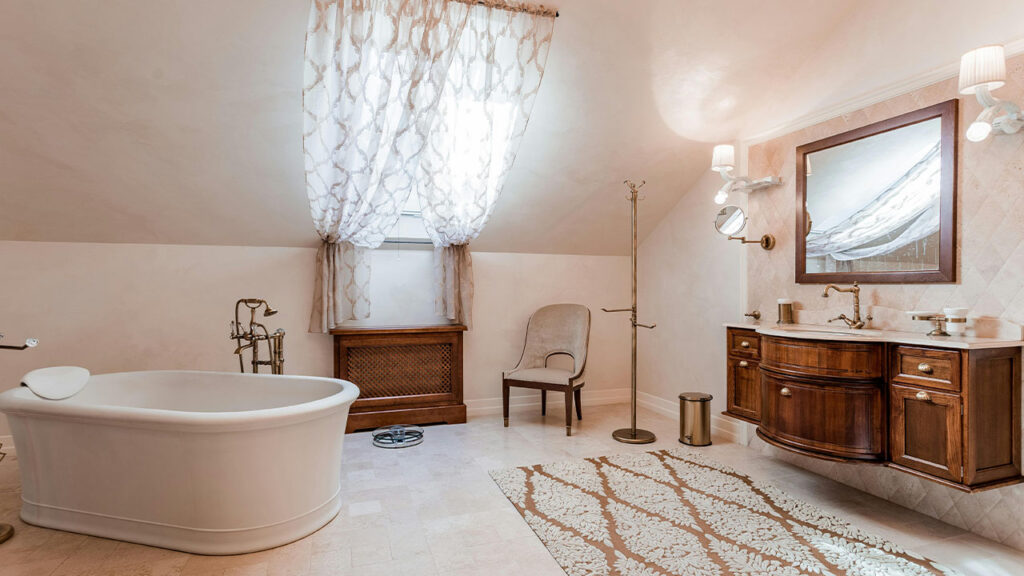
Expanding a bathroom at the expense of bedrooms or closet space can backfire when selling your home. While spa-like bathrooms are desirable, buyers often prioritize a balanced layout with practical square footage distribution. An oversized bathroom may feel excessive, especially in homes with limited living space. Instead, maintaining a functional yet stylish bathroom that doesn’t overpower other key areas of the home is a smarter long-term investment.
2. High-Maintenance Swimming Pools That Limit Buyer Interest
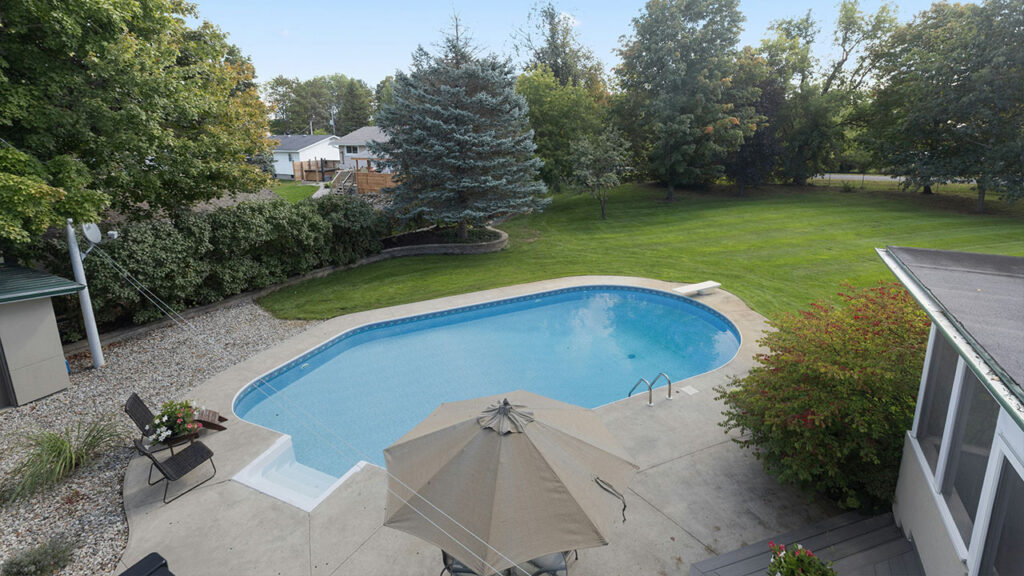
While a private pool might seem like the ultimate luxury, it can also be a major drawback for potential buyers. Pools require ongoing maintenance, seasonal upkeep, and increased insurance costs, which may deter those who don’t want the hassle. Families with young children might even see a pool as a safety risk. If you’re set on adding one, consider a well-integrated, easy-to-maintain design that won’t alienate a large portion of buyers.
3. Custom Luxury Kitchens That Feel Too Personalized
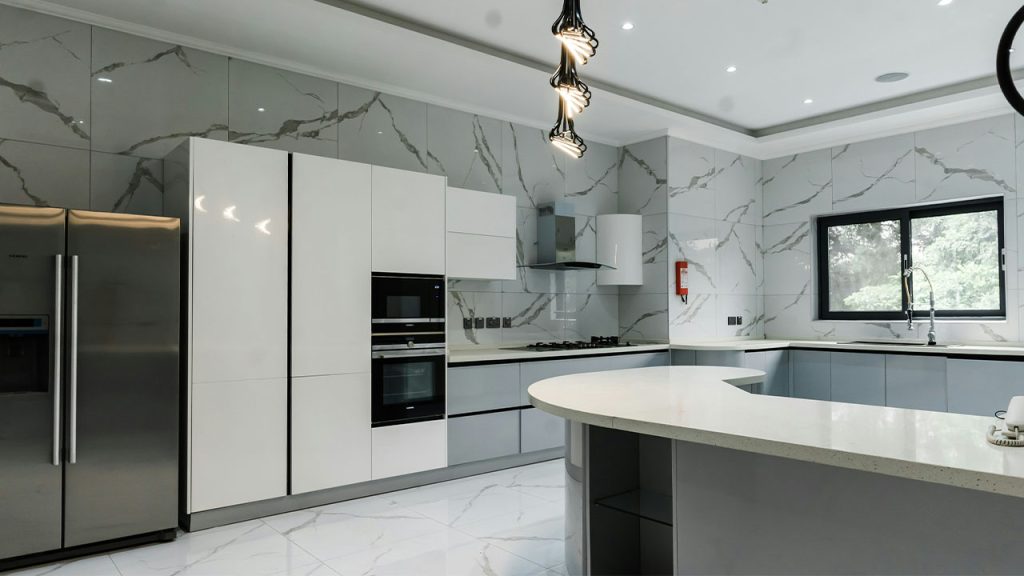
A high-end kitchen remodel can add value, but going overboard with ultra-personalized features may limit its appeal. Buyers might not share your taste for bold-colored cabinetry, commercial-grade appliances, or intricate tilework. Instead of investing in highly specific upgrades, opt for classic, timeless designs with broad appeal. A kitchen should feel luxurious yet adaptable so future homeowners can easily make it their own.
4. Over-the-Top Smart Home Tech That Quickly Becomes Outdated
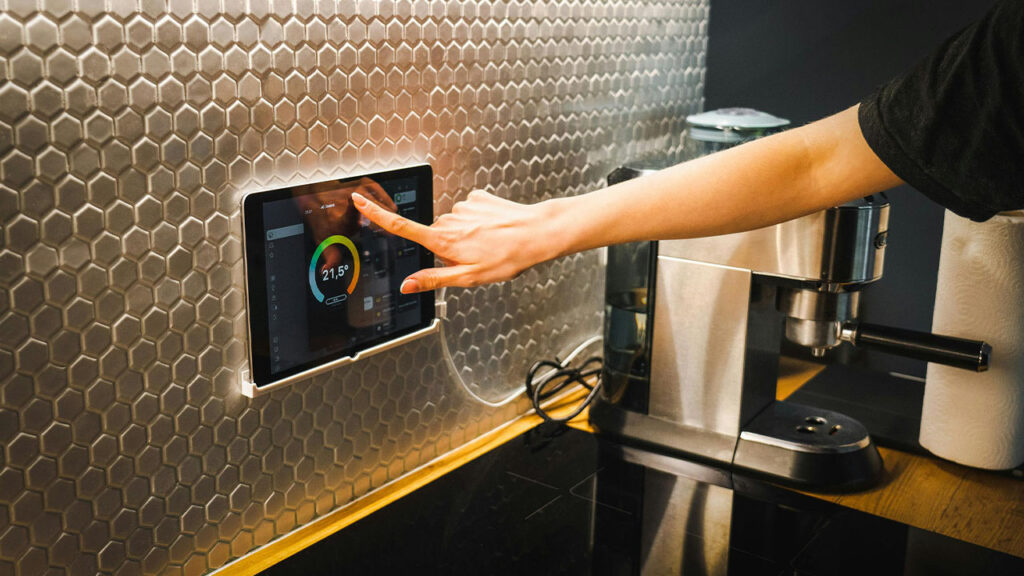
While smart home technology can add convenience, going all-in on cutting-edge systems may backfire. Rapid advancements mean today’s high-end automation could be obsolete in just a few years, leaving buyers with expensive upgrades that need replacing. Overcomplicated tech can also be intimidating for less tech-savvy buyers. Instead, focus on practical, universally appealing upgrades like smart thermostats and lighting that enhance functionality without overwhelming buyers.
5. Converting Bedrooms into Specialized Spaces
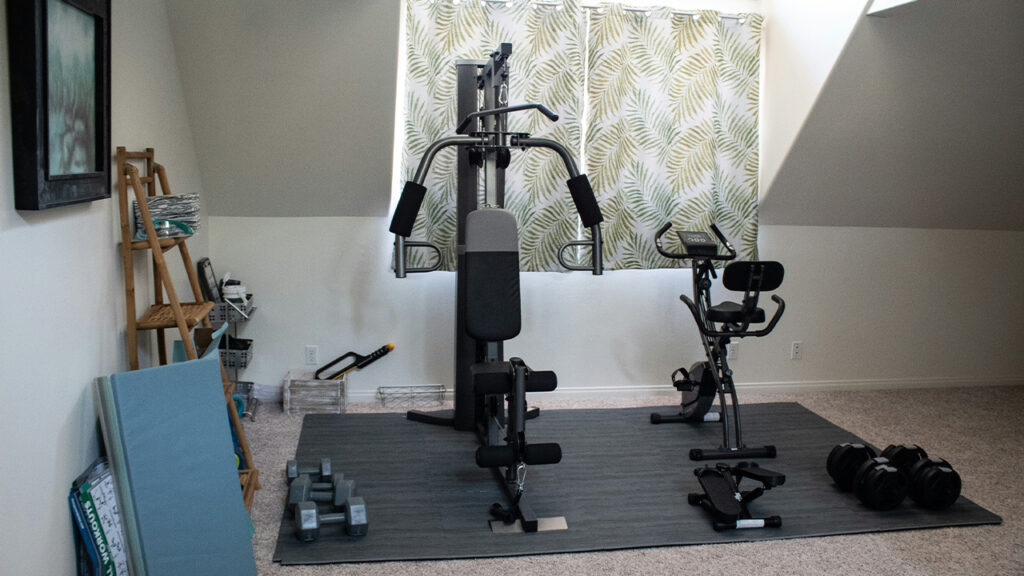
Turning a spare bedroom into a custom home gym, walk-in closet, or media room might suit your lifestyle, but it can shrink your home’s buyer pool. Many buyers prioritize bedroom count, and repurposing a room—especially if walls, closets, or traditional layouts are altered—can make your home less attractive. If you need a multi-functional space, opt for temporary changes that are easily reversed, ensuring the room can still serve as a bedroom if needed.
6. Excessive Landscaping That Requires Constant Upkeep

A beautifully landscaped yard adds curb appeal, but going overboard with intricate gardens, exotic plants, or elaborate water features can be a turnoff. Buyers may see high-maintenance landscaping as costly and time-consuming, making them hesitate to commit. Instead, opt for a balanced approach with well-maintained greenery, native plants, and simple hardscaping that enhances the home’s exterior without overwhelming future owners with upkeep.
This article was created with the assistance of AI but thoroughly edited by a human being.