

Napa Valley often dominates the conversation around American wine, but it is far from the only region producing outstanding vintages. Across the United States, lesser-known areas are quietly gaining recognition for their unique terroirs, innovative winemakers, and award-winning bottles. The Alcohol and Tobacco Tax and Trade Bureau (TTB), which establishes American Viticultural Areas (AVAs), has certified dozens of regions with distinctive qualities. These underrated places often surprise wine enthusiasts with exceptional quality and diverse varietals. Here are seven American wine regions that rival Napa and deserve more attention for their contributions to U.S. winemaking.
1. Willamette Valley, Oregon

The Willamette Valley, one of the top Pinot Noir regions in the nation, is renowned for its cool climate and volcanic soils. The Oregon Wine Board highlights that the valley accounts for nearly 70 percent of the state’s vineyard plantings, emphasizing its significance in American wine. Winemakers here have earned international acclaim, with many bottles competing on the global stage. The valley’s diverse microclimates also support Chardonnay and Riesling production. With an increasing number of sustainable vineyards, the Willamette Valley represents both tradition and innovation, proving that Oregon’s wines can hold their own against Napa’s world-class reputation.
2. Finger Lakes, New York

The Finger Lakes in upstate New York has established themselves as a hub for Riesling, with its deep glacial lakes creating ideal growing conditions. According to the New York Wine and Grape Foundation, the region is home to over 140 wineries. The cool climate produces crisp, aromatic whites alongside growing red wine production, particularly Cabernet Franc. Recognition from international competitions has placed Finger Lakes wines among the most respected outside the West Coast. Its blend of tradition and experimentation makes it one of the most dynamic wine regions in America, rivaling Napa in uniqueness and flavor.
3. Texas Hill Country, Texas
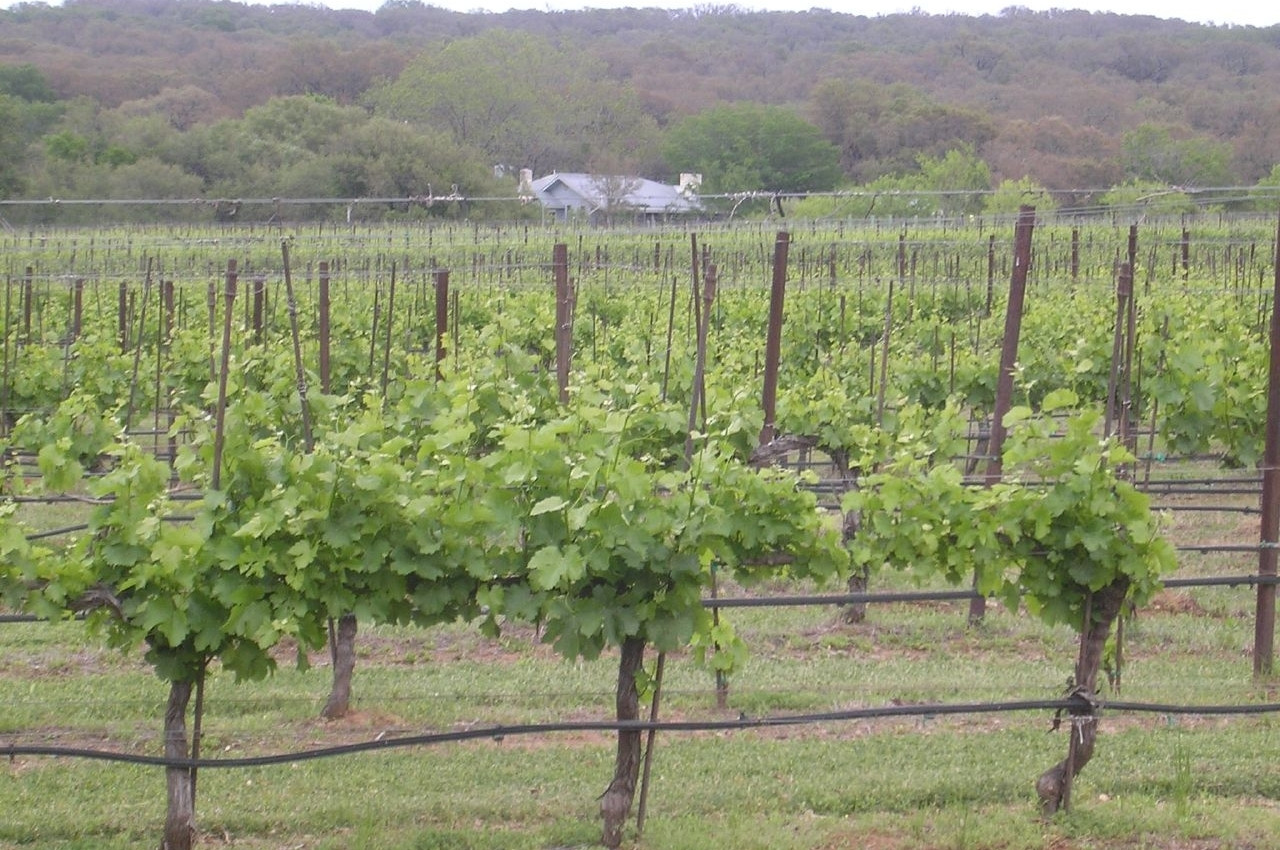
Texas Hill Country is now the second-largest American Viticultural Area, with more than nine million acres designated by the TTB. The Texas Wine and Grape Growers Association notes that the region is especially successful with Tempranillo, Mourvèdre, and Viognier. Its warm climate and limestone-rich soils mirror some of Europe’s top wine-producing areas. With over 100 wineries, the Texas Hill Country has become a growing destination for wine tourism. While Napa draws global attention, Texas continues to expand its influence, demonstrating how southern vineyards are shaping America’s winemaking identity and producing bottles that can compete with the best.
4. Leelanau Peninsula, Michigan
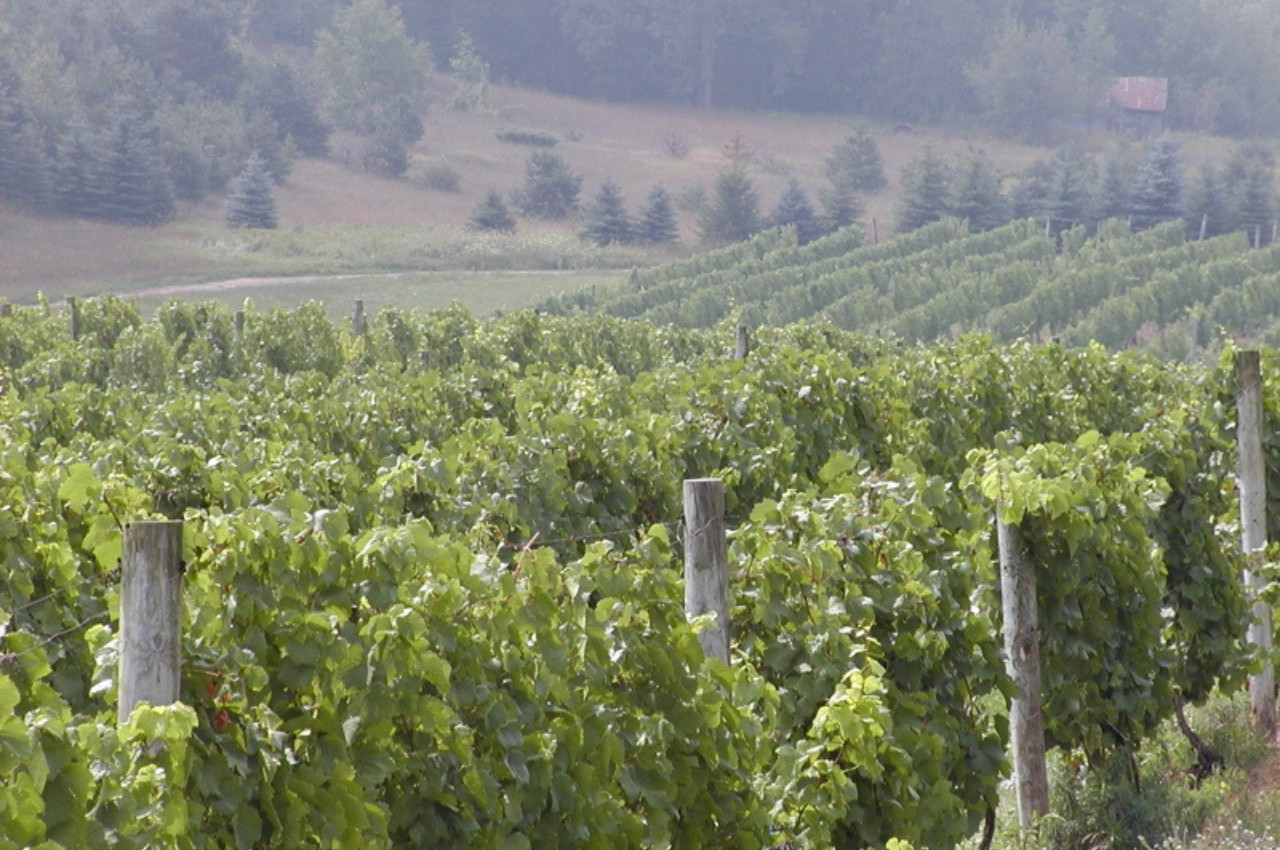
Situated along Lake Michigan, the Leelanau Peninsula benefits from the lake effect, which moderates harsh Midwestern winters. The Michigan Wine Collaborative emphasizes that this climate produces crisp Rieslings, Chardonnays, and sparkling wines with vibrant acidity. Wineries in the region have won awards at both national and international competitions, showcasing their growing reputation. Its relatively small size creates an intimate wine community focused on quality over quantity. The region is a reminder that exceptional wine can emerge from unexpected places, offering flavors that rival more famous regions while highlighting Michigan’s unique agricultural and cultural heritage.
5. Snake River Valley, Idaho
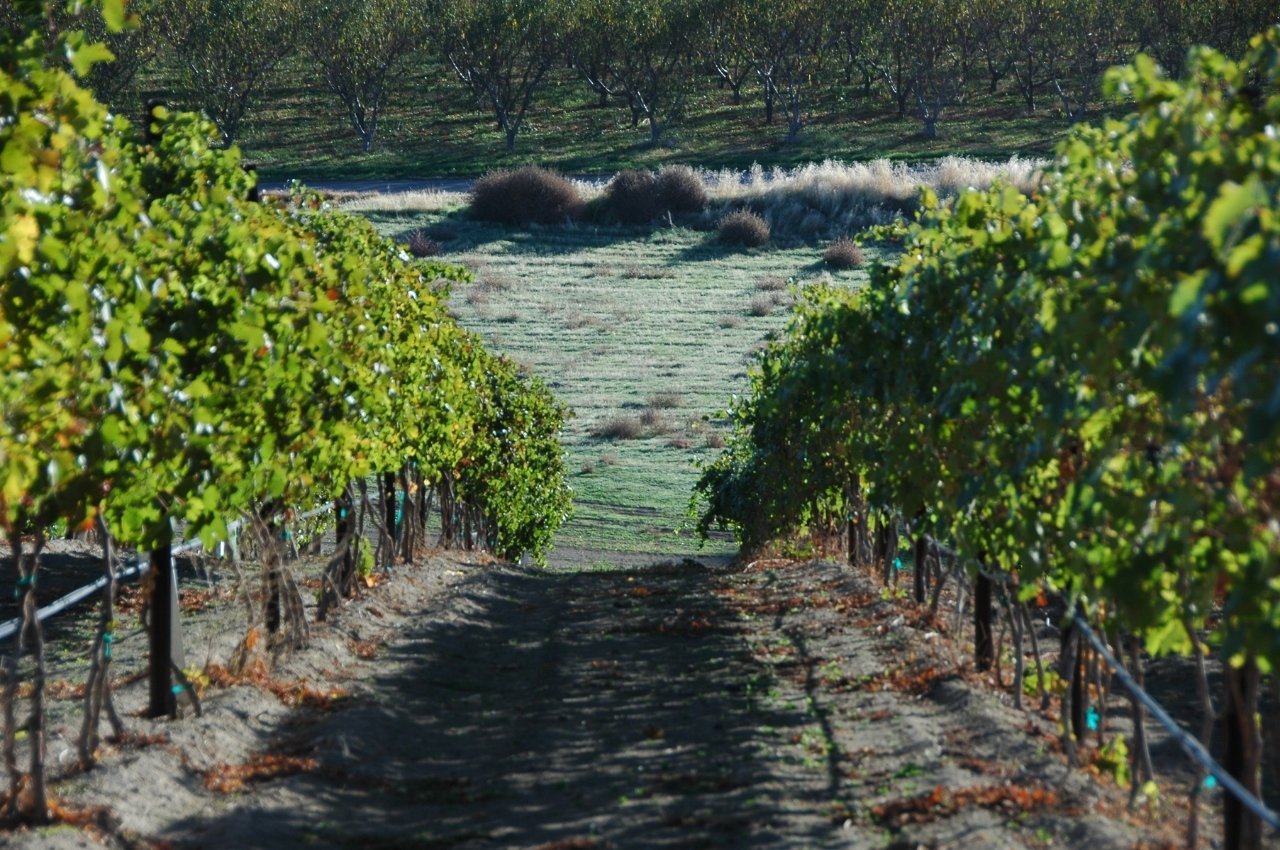
Idaho’s Snake River Valley is one of the newer AVAs recognized by the TTB, gaining approval in 2007. The Idaho Wine Commission reports that its volcanic soils and high elevation create ideal conditions for Syrah, Merlot, and Riesling. With more than 50 wineries, this region has gained recognition for bold reds and bright whites. Its development reflects the expansion of American wine culture into areas once overlooked. The Snake River Valley continues to prove that great wine is not limited to the West Coast, offering unique flavors and increasing visibility in national competitions and markets.
6. Shenandoah Valley, Virginia
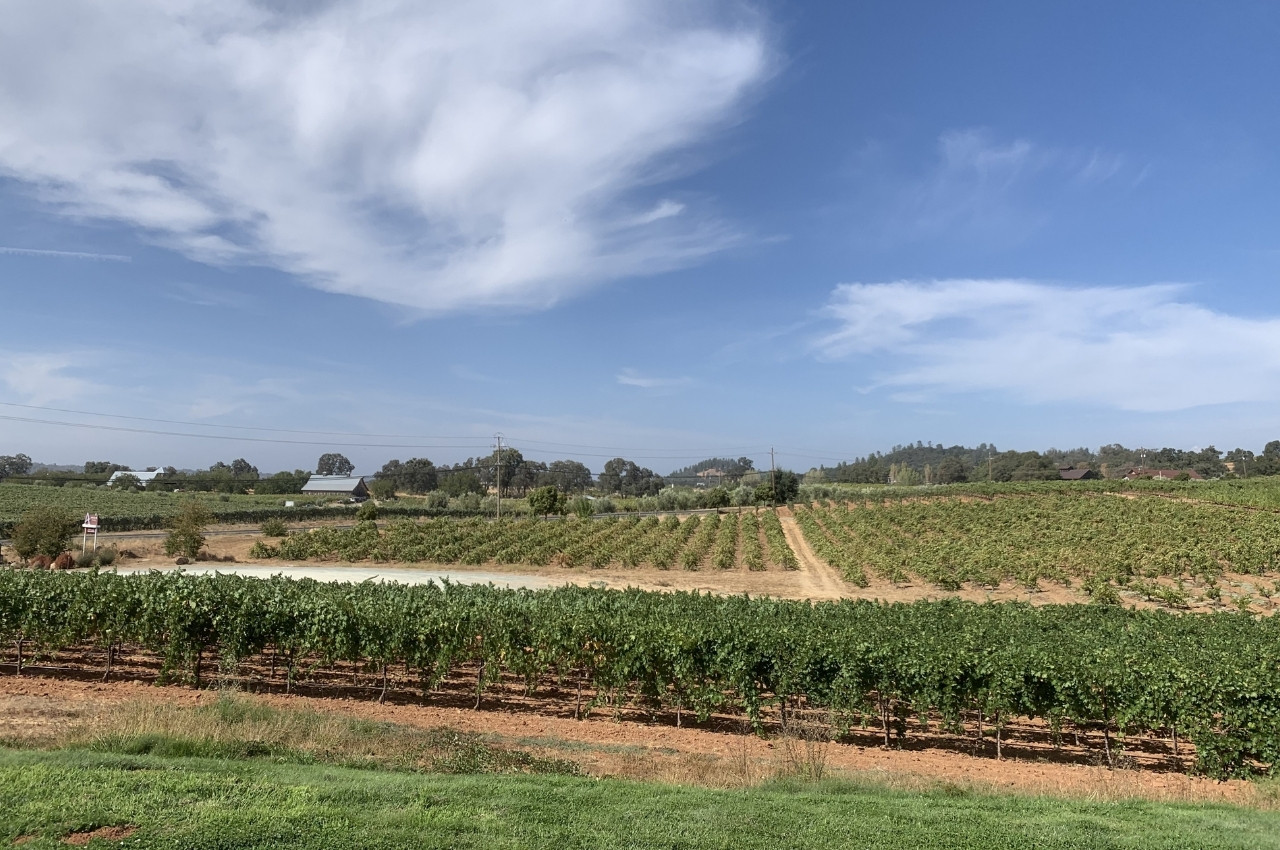
Virginia’s Shenandoah Valley combines rich history with a rapidly evolving wine scene. The Virginia Wine Board notes that the valley’s limestone soils and elevation create favorable conditions for varieties like Cabernet Franc and Viognier. Recognized as an AVA since 1982, it has steadily built a reputation for balanced, complex wines. The region now has dozens of wineries contributing to Virginia’s emergence as a serious player in the national wine market. While it lacks Napa’s scale, the Shenandoah Valley offers distinctive wines rooted in heritage and innovation, showing how diverse American viticulture has become over the years.
7. Hermann, Missouri
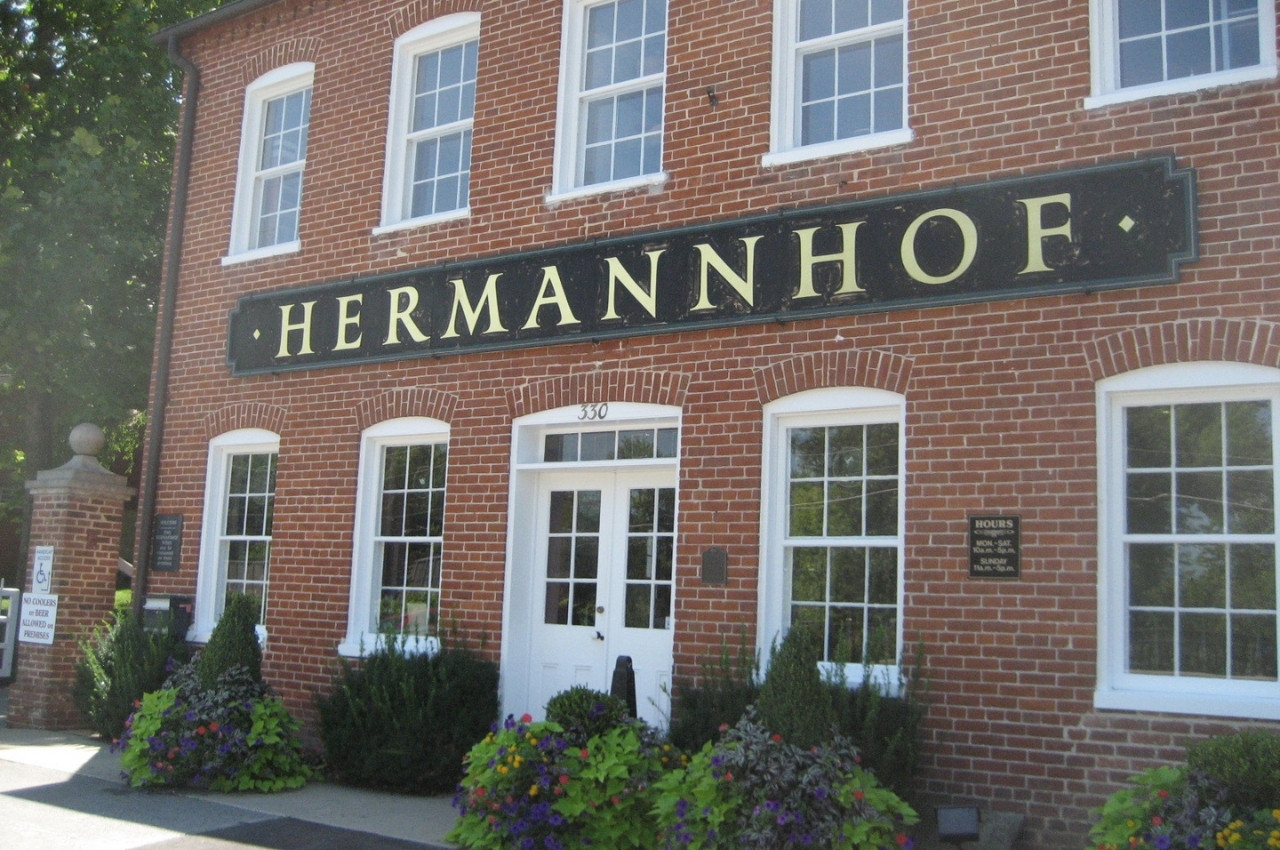
Hermann, located along the Missouri River, holds a special place in American wine history. The Missouri Wine and Grape Board explains that German immigrants founded the region in the 1830s, making it one of the country’s oldest wine areas. Today, its vineyards produce Norton, a grape variety native to North America, along with hybrids suited to the Midwestern climate. Hermann’s wines have won awards for both reds and whites, emphasizing their quality. By blending history with modern techniques, Hermann demonstrates that exceptional wine can thrive in places far beyond California’s borders, maintaining deep ties to cultural heritage.