
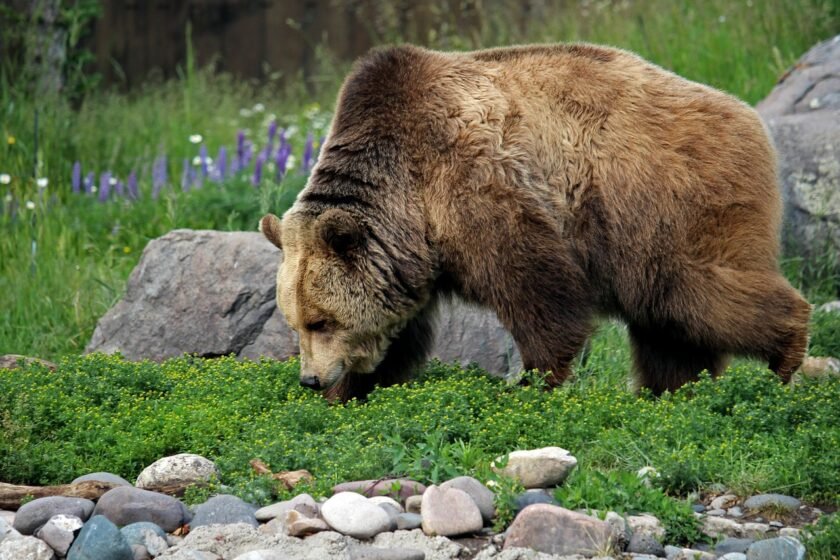
Grizzly bears are among the most powerful predators in North America, yet nature has equipped certain animals with the ability to confront, deter, or survive encounters with them. These animals rely on speed, size, defensive adaptations, or group behavior rather than sheer strength alone. Understanding which species can stand their ground against grizzlies provides insight into evolutionary strategies and survival tactics. The following seven animals are documented to defend themselves or escape successfully when facing a grizzly, offering fascinating examples of courage, adaptation, and survival instincts in the wild.
1. Moose
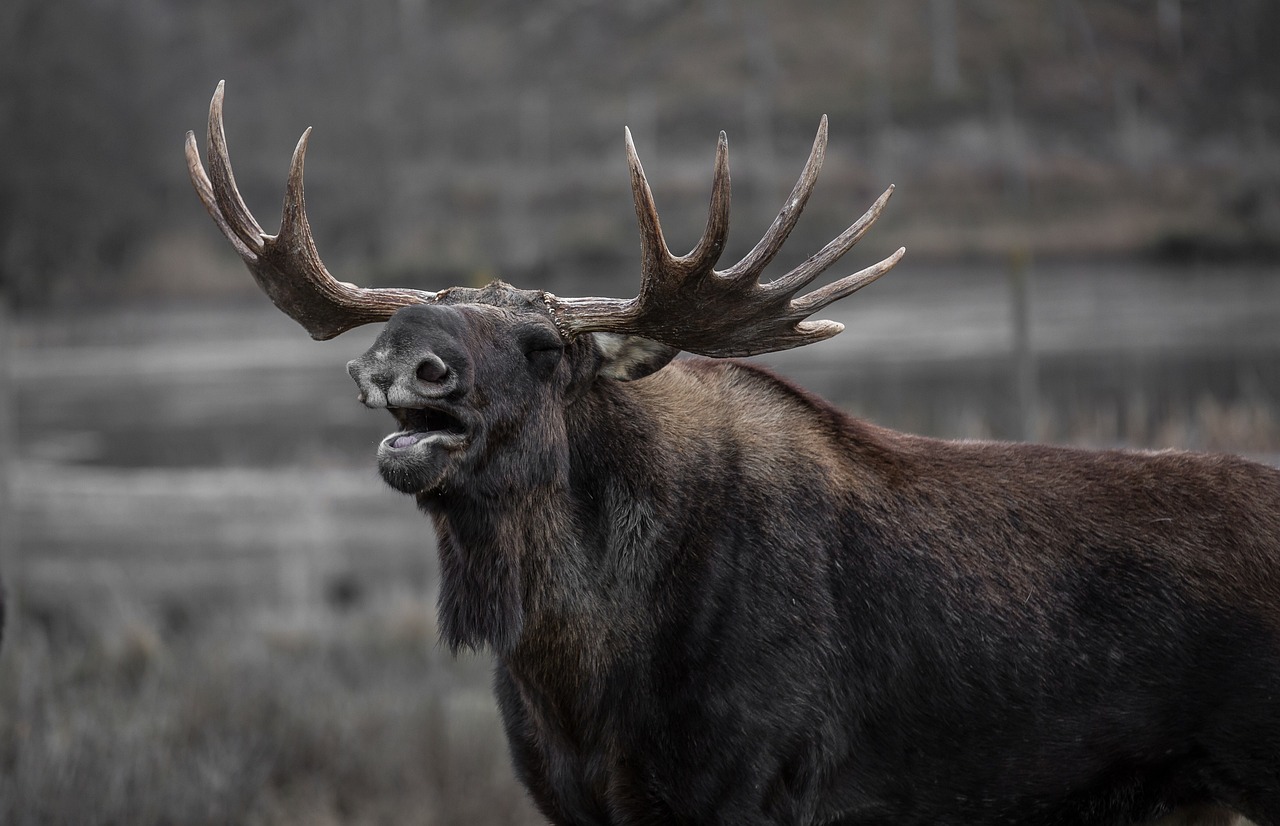
Moose are massive and powerful ungulates capable of defending themselves against grizzlies using size, speed, and strong antlers. Adult males can weigh up to 1,600 pounds, and even females possess formidable kicks. When threatened, moose often charge and strike with their hooves or antlers, delivering forceful blows that can seriously injure a bear. Their long legs allow them to run through rugged terrain and escape dense forests or wetlands. Moose also use aggressive bluffing behaviors, making themselves appear larger. Their sheer mass and defensive tactics give them a credible chance of standing ground if a grizzly approaches.
2. Bison

Bison are among the largest land mammals in North America, and their size alone deters most predators. Adult males can exceed 2,000 pounds and have immense shoulder and neck strength. Bison use charging as a primary defense, swinging their massive heads and horns to inflict injury. They often form protective herds, positioning calves in the center and adults on the perimeter. A grizzly attempting to attack an adult bison risks serious injury or death. Their thick hides, powerful musculature, and herd tactics make bison one of the few species that can confront a grizzly with confidence rather than flight.
3. Wolverine
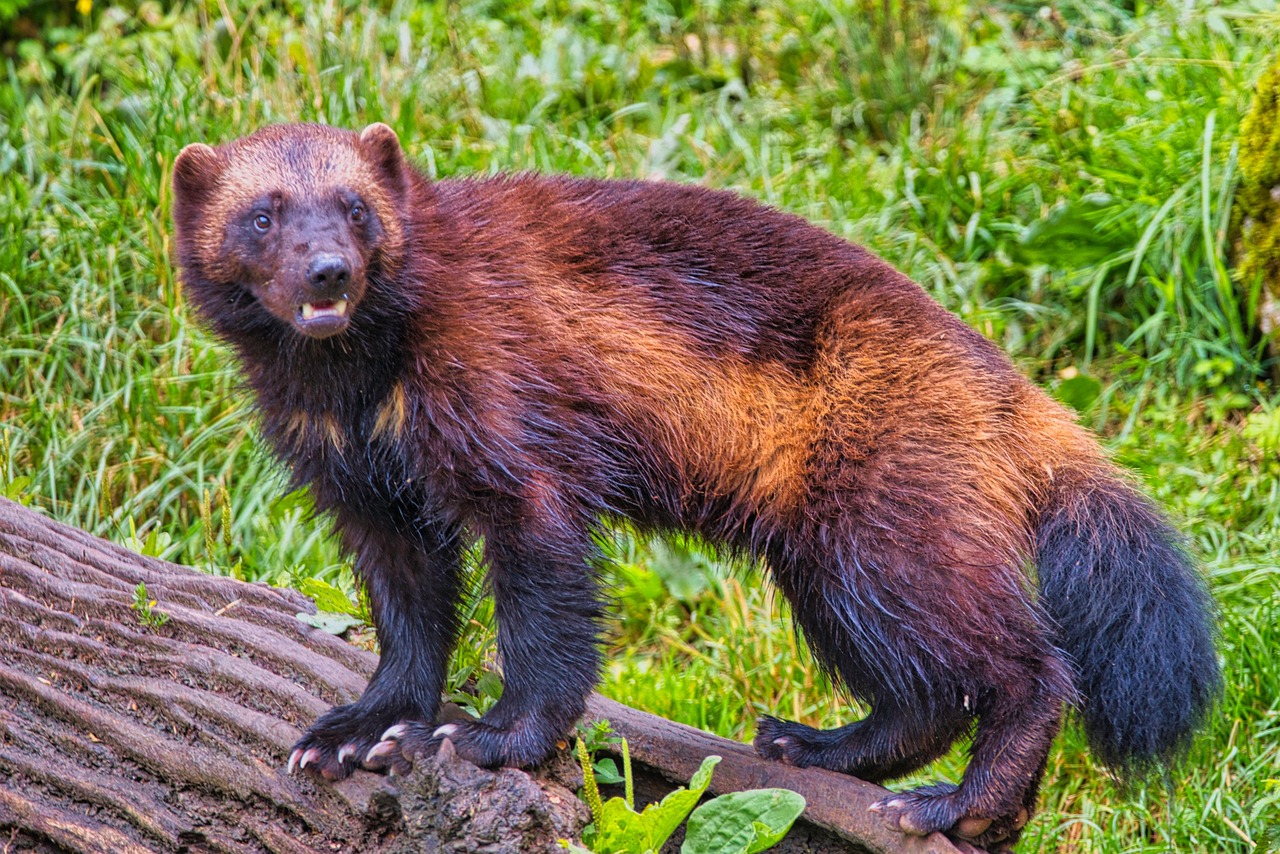
Wolverines are small but extremely fierce carnivores known for fearlessness and aggressive defense. They rarely flee from larger predators, relying on sharp claws, strong jaws, and sheer audacity. A wolverine can bite, scratch, and maintain pressure long enough to discourage a grizzly from continuing an attack. Their muscular bodies, thick fur, and relentless behavior make them difficult for a bear to subdue quickly. Additionally, wolverines often exploit terrain and agility, retreating to rocks, fallen trees, or dens. Their combination of aggression, tenacity, and survival instinct allows them to stand their ground even against much larger predators.
4. Musk Ox
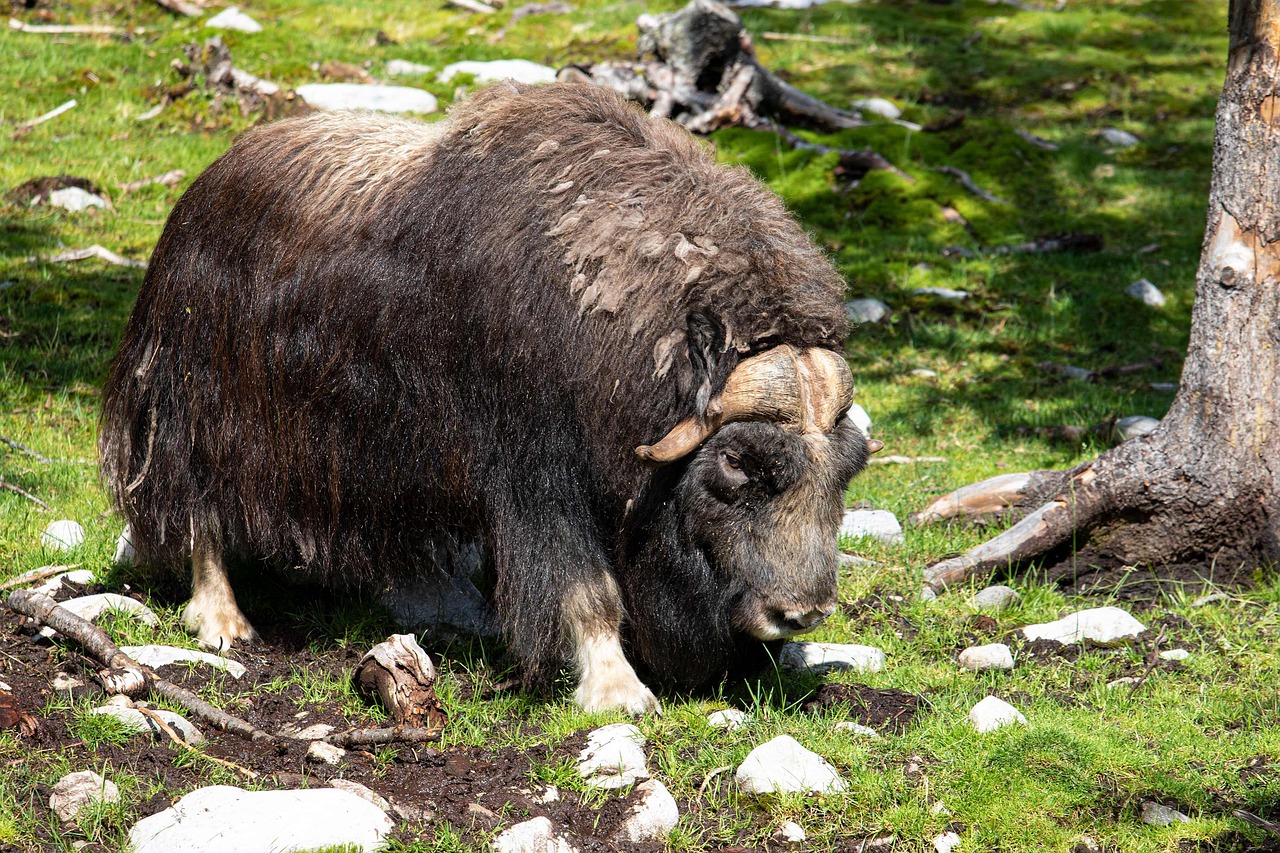
Musk oxen are defensive specialists, particularly in cold northern environments. Adults form tight, circular formations when threatened, with horns facing outward and calves protected inside. A charging musk ox can deliver severe injuries to any predator, including a grizzly, using both headbutts and horns. Their thick, woolly coats protect against bites and swipes, and their powerful legs allow rapid, controlled movement. Predators rarely attack full-grown musk oxen individually because of their defensive formations. Even lone adults are capable of aggressive strikes, making musk oxen among the few herbivores that can resist grizzly attacks effectively.
5. American Bighorn Sheep
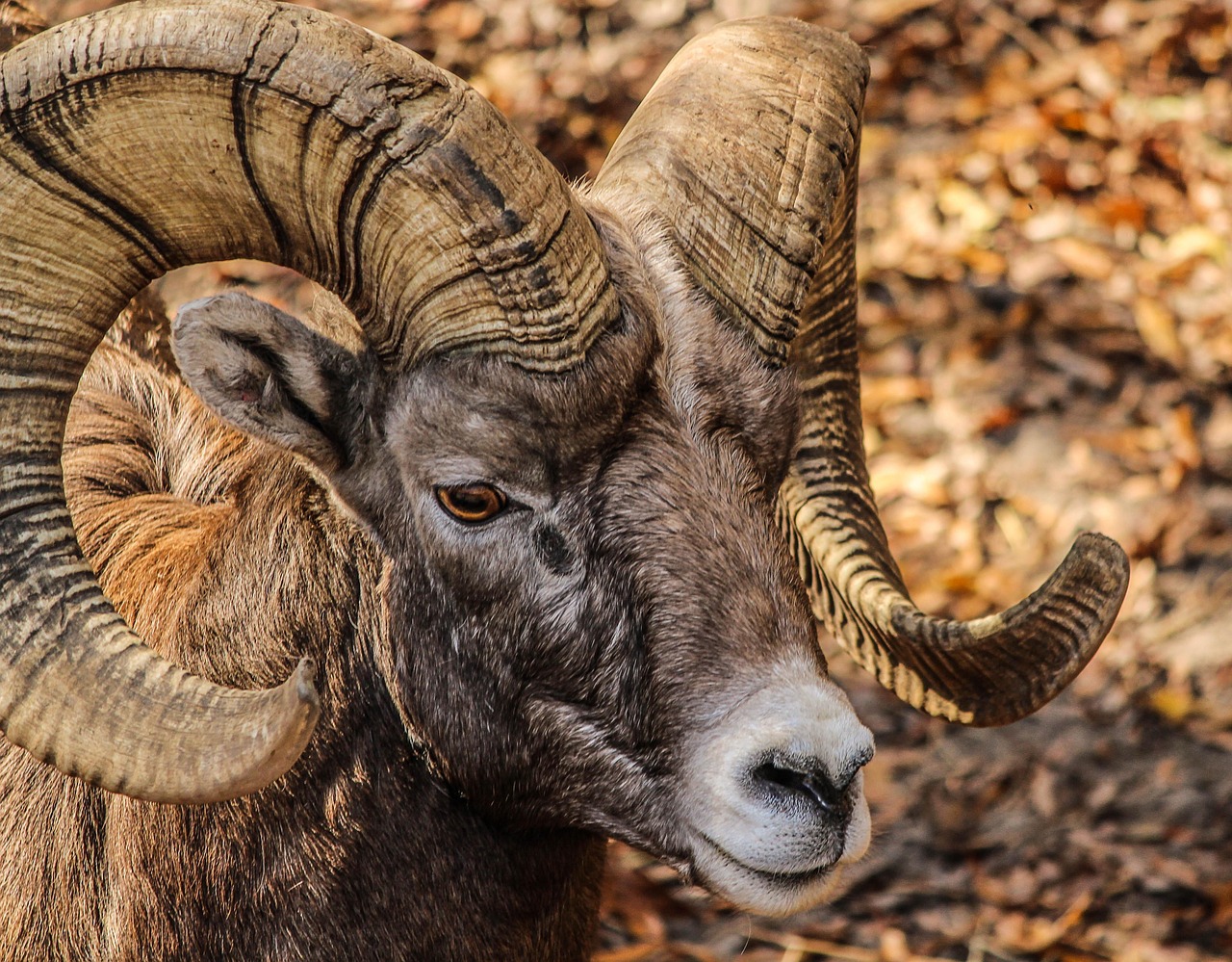
Bighorn sheep combine agility, speed, and sharp horns to fend off predators. Living in mountainous terrain, they use rocky cliffs and ledges to escape or defend themselves. When cornered, rams may charge a grizzly, striking with their horns to cause injury or deter pursuit. Their balance, climbing ability, and awareness of the terrain often allow them to evade attacks entirely. Even smaller ewes can use horn strikes and quick movements to create distance. Bighorn sheep survive in areas shared with grizzlies due to these adaptive defensive behaviors and their ability to turn terrain and horns into effective deterrents.
6. Porcupine
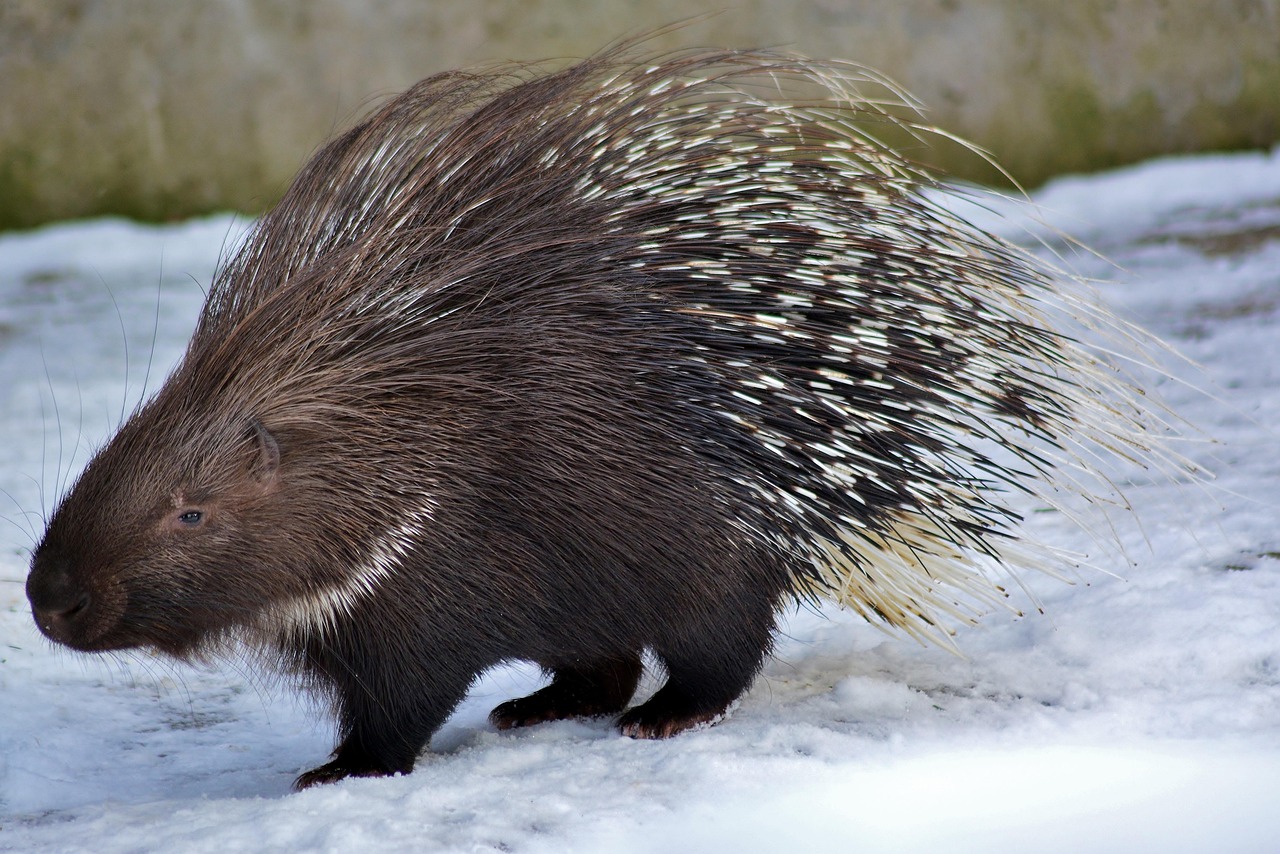
Porcupines rely on quills as a primary defense against predators. When confronted by a grizzly, a porcupine will turn its back, raise quills, and lash with its tail. The sharp quills embed in the bear’s skin or mouth, causing pain and discouraging further attacks. Grizzlies have learned to attack porcupines from the face or avoid them altogether after painful encounters. Although small compared to a bear, a porcupine’s quills serve as a formidable deterrent. Their ability to inflict injury without direct combat gives them an effective defense strategy, allowing them to survive and stand their ground when threatened.
7. Canadian Lynx
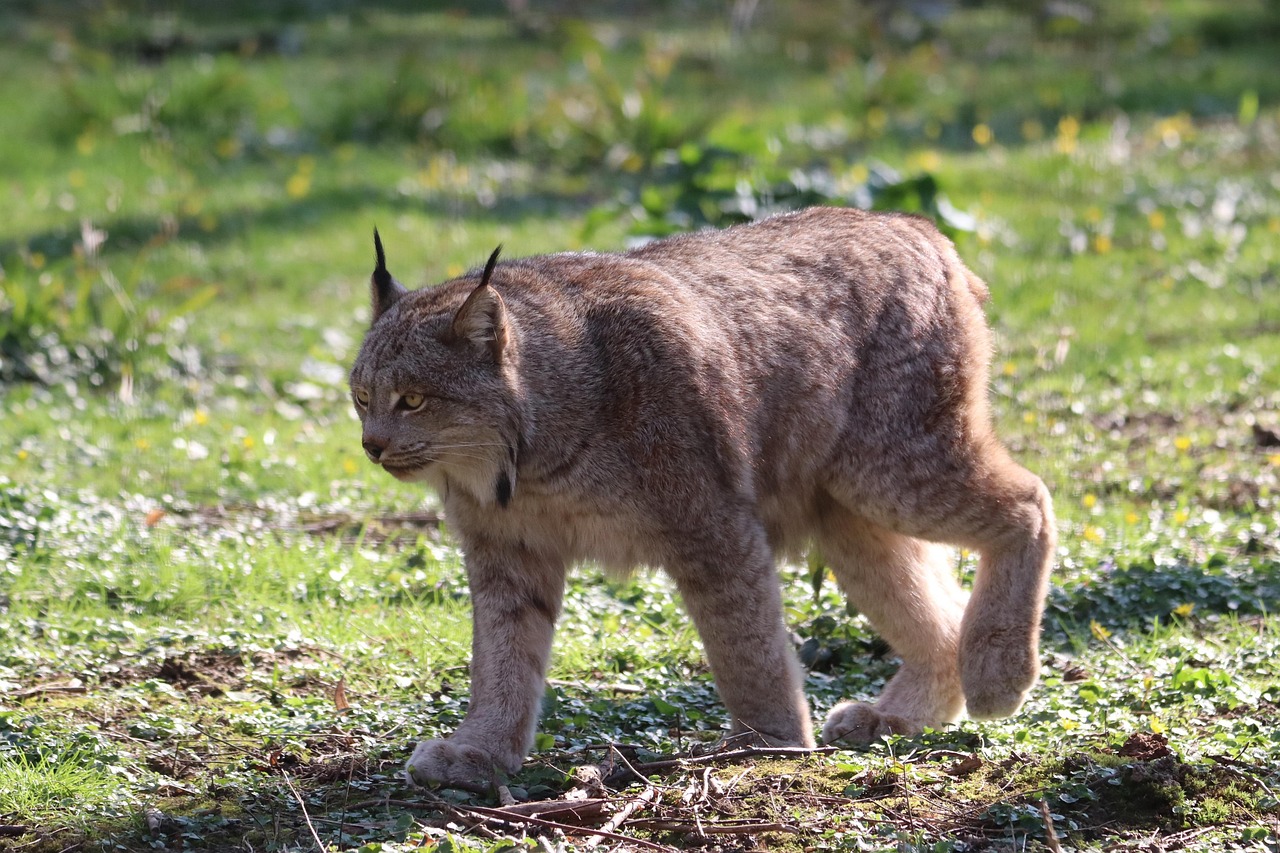
The Canadian lynx is agile, quick, and equipped with sharp claws and teeth. While smaller than a grizzly, lynxes rely on speed, climbing ability, and evasive tactics to confront or escape predators. They can deliver sharp swipes and bites if cornered, and their ability to leap and climb trees provides an escape route inaccessible to bears. Lynxes are solitary and cautious but will defend themselves aggressively if trapped. Their combination of agility, weaponized claws, and knowledge of terrain allows them to survive grizzly encounters, making them one of the few carnivores capable of standing their ground long enough to escape safely.
The post 7 Animals Proven to Stand Their Ground Against a Grizzly appeared first on Bushcraft Base Camp.