

Car modifications can feel like a fun way to express personality or boost performance, but some upgrades carry hidden legal risks that many drivers overlook. What seems stylish or harmless, like darker tints, louder exhausts, or colorful lighting, can actually break state regulations and lead to unexpected citations. Each rule exists for a reason, whether it’s protecting visibility, reducing noise, or keeping drivers safe on crowded roads. As you explore these points, you’ll uncover which popular mods can make your vehicle stand out for all the wrong reasons and how a few smart choices can keep your ride both eye-catching and compliant.
1. Overly Tinted Windows
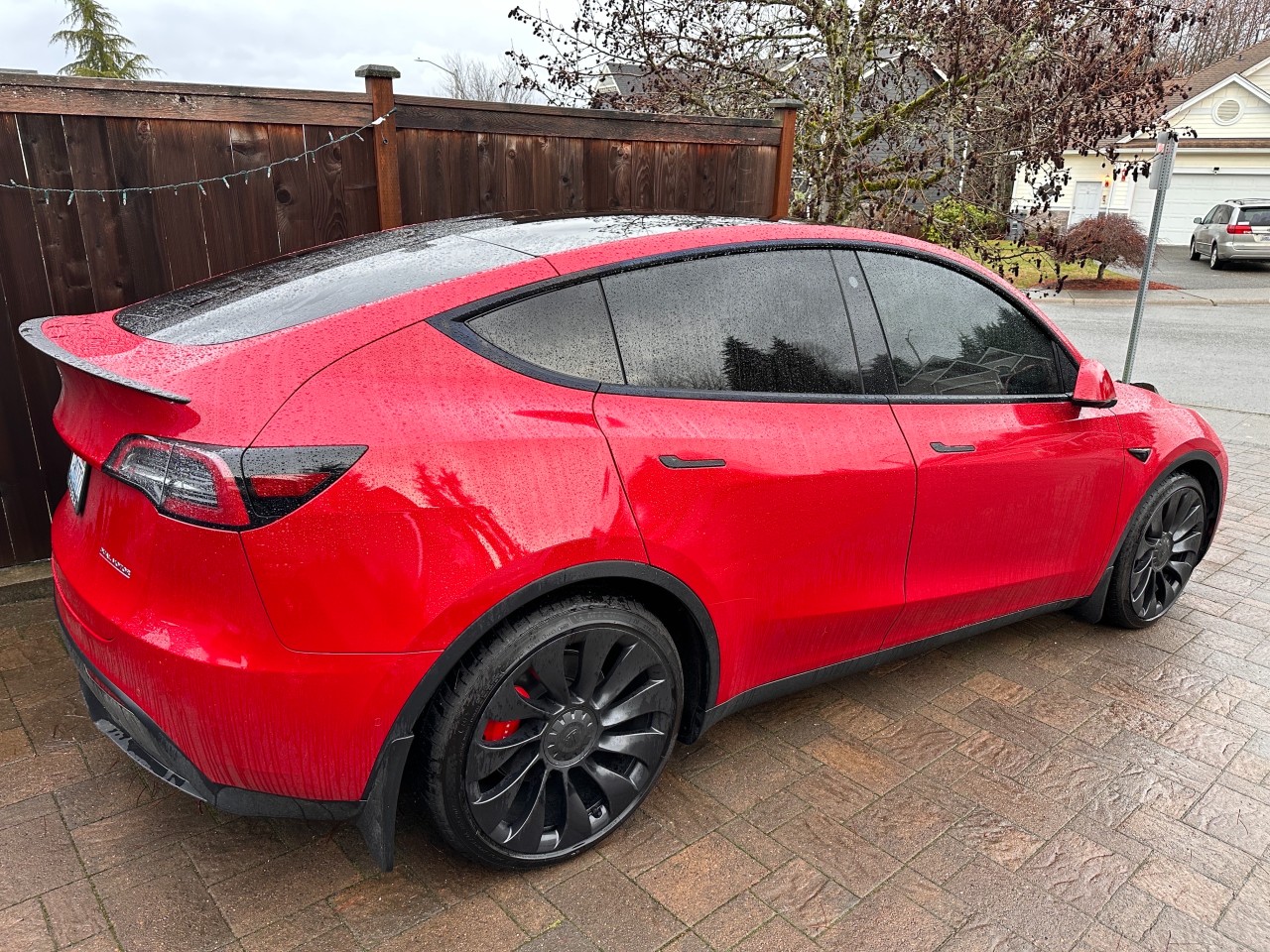
Think of window tint as a privacy tool that can quickly become a safety hazard. When tint blocks too much light, officers cannot see inside the cabin to check on occupants or spot hazards, and drivers lose peripheral visibility at night. States set legal limits for visible light transmission for a reason: to balance privacy with road safety. Excessive tint often leads to immediate stops, fines, and orders to remove the film. If you value both comfort and compliance, use legal-rated films and keep a certificate or receipt showing they meet your state’s standard.
2. Loud Exhaust Systems
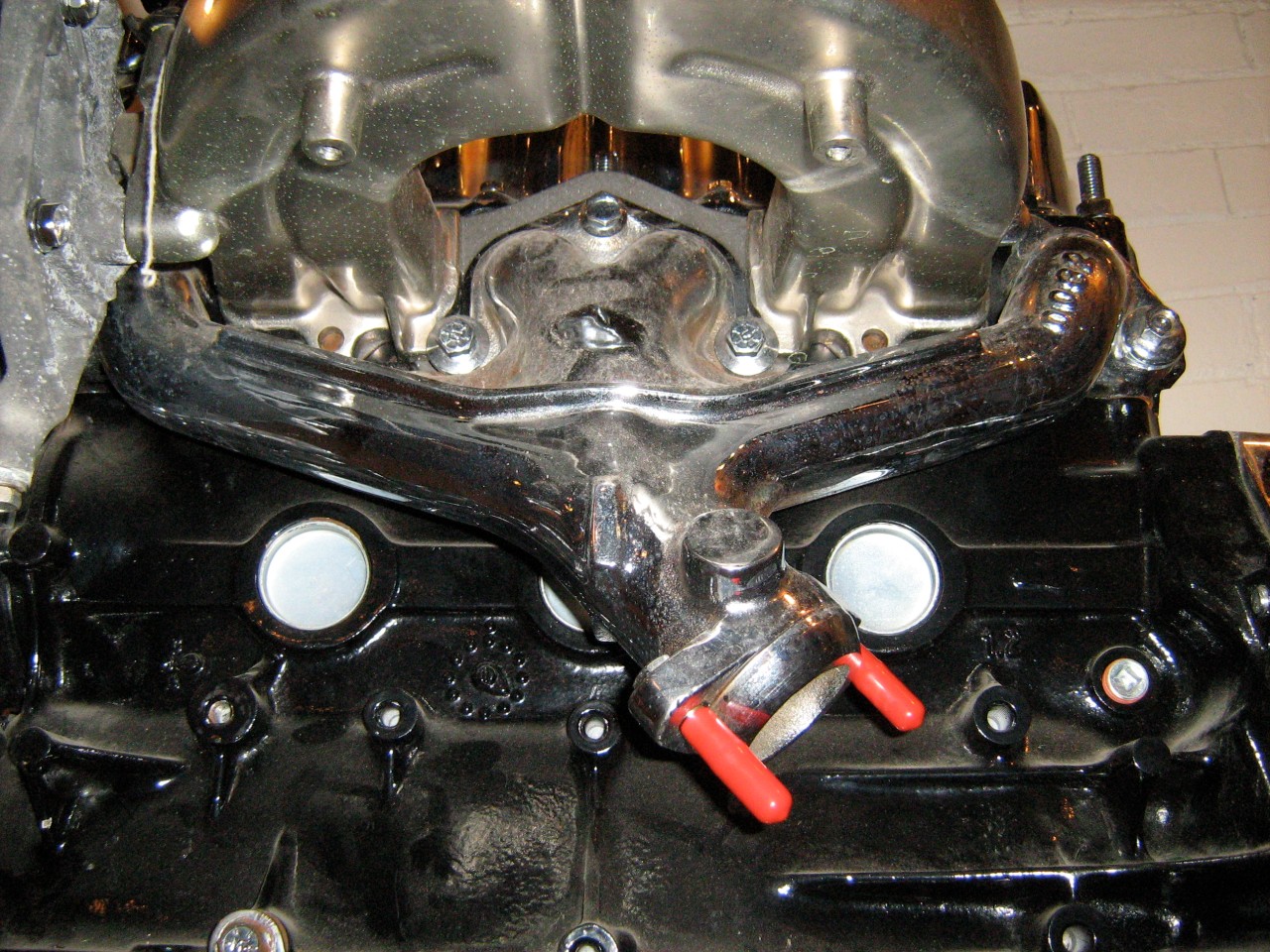
A throaty exhaust can feel thrilling, but loud mods often cross legal limits and draw attention for good reasons. Jurisdictions set decibel thresholds to reduce noise pollution and prevent hearing damage; overly aggressive mufflers, straight pipes, or removed silencers typically exceed those limits. Law enforcement treats excessive noise as a public-safety and nuisance issue, which can lead to tickets or equipment citations. If you want a sportier sound, choose systems certified to meet local noise rules and retain components that control sound levels.
3. Underglow Lighting

Underglow lights look cool at a meet, but on public roads, they can confuse or distract other drivers. Colors and flashing patterns are regulated in many places because red and blue mimic emergency vehicles, and strobing lights can impair other motorists. Even permitted colors can be restricted in placement or brightness. Using underglow improperly increases the chance of being stopped for impersonation, reckless driving, or distracted driving. Check local laws and stick to approved colors, steady modes, and removable installations for legal street use.
4. Lifted or Lowered Suspensions
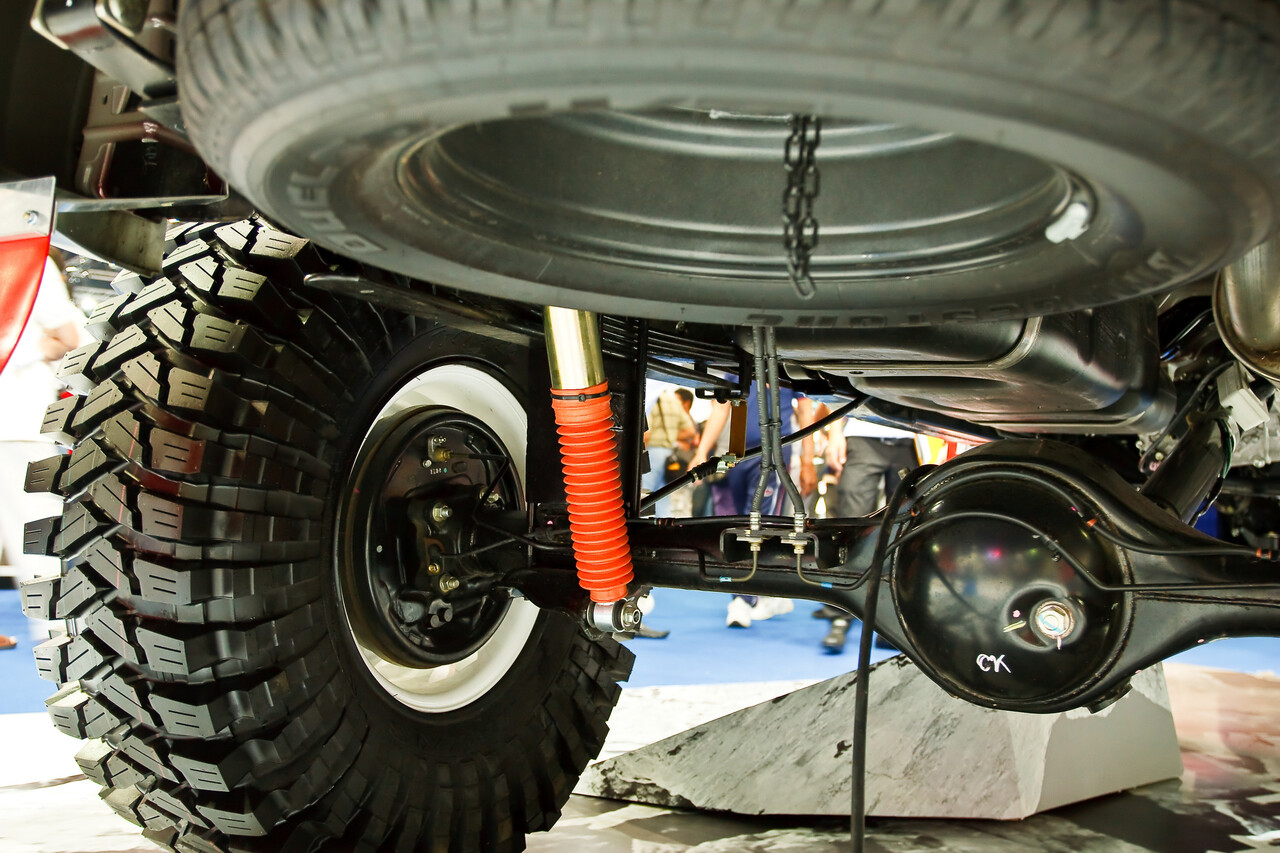
Altering ride height changes more than appearance; it affects handling, braking, and compliance with vehicle codes. Excessive lifts can raise the center of gravity, decrease stability, and change bumper and headlight heights required by law. Extreme lowering can reduce ground clearance, damage chassis components, and create scraping hazards. Many states have legal limits on maximum lift or minimum clearance and require proper shocks and safety equipment. Before modifying suspension, verify local regulations and ensure upgrades are professionally installed and inspected.
5. Illegal License Plate Frames or Covers
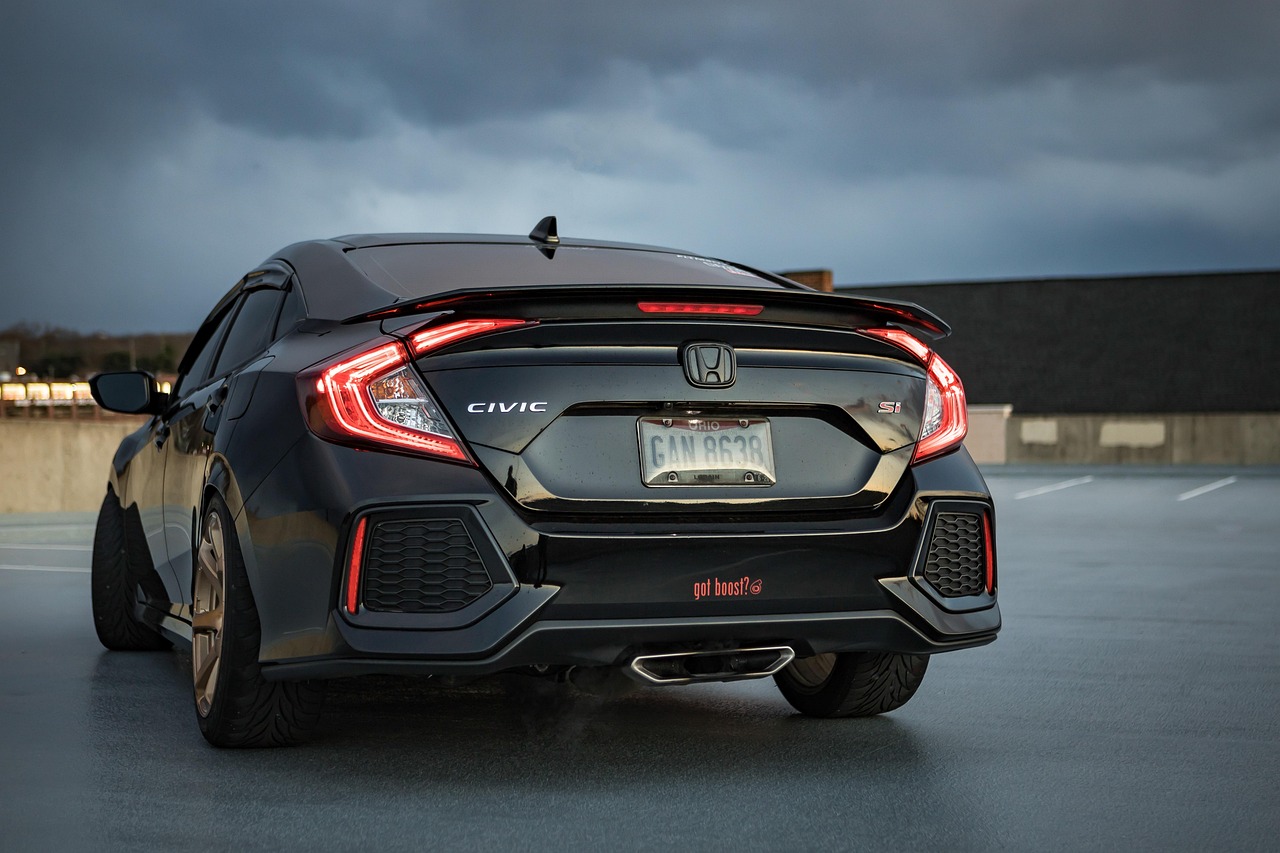
License plates must be clearly visible and readable at all times. Decorative frames, tinted covers, or mounts that obscure numbers, registration stickers, or reflective features are common reasons for stops. Officers treat any obstruction as an identification concern, which can lead to citations and orders to remove the obstruction on the spot. For both aesthetics and legality, use frames that do not cover characters, avoid tinted shields, and keep mounting hardware secure so plates remain unobstructed and legible in daylight and at night.
6. Colored Headlights and Nonstandard Bulbs
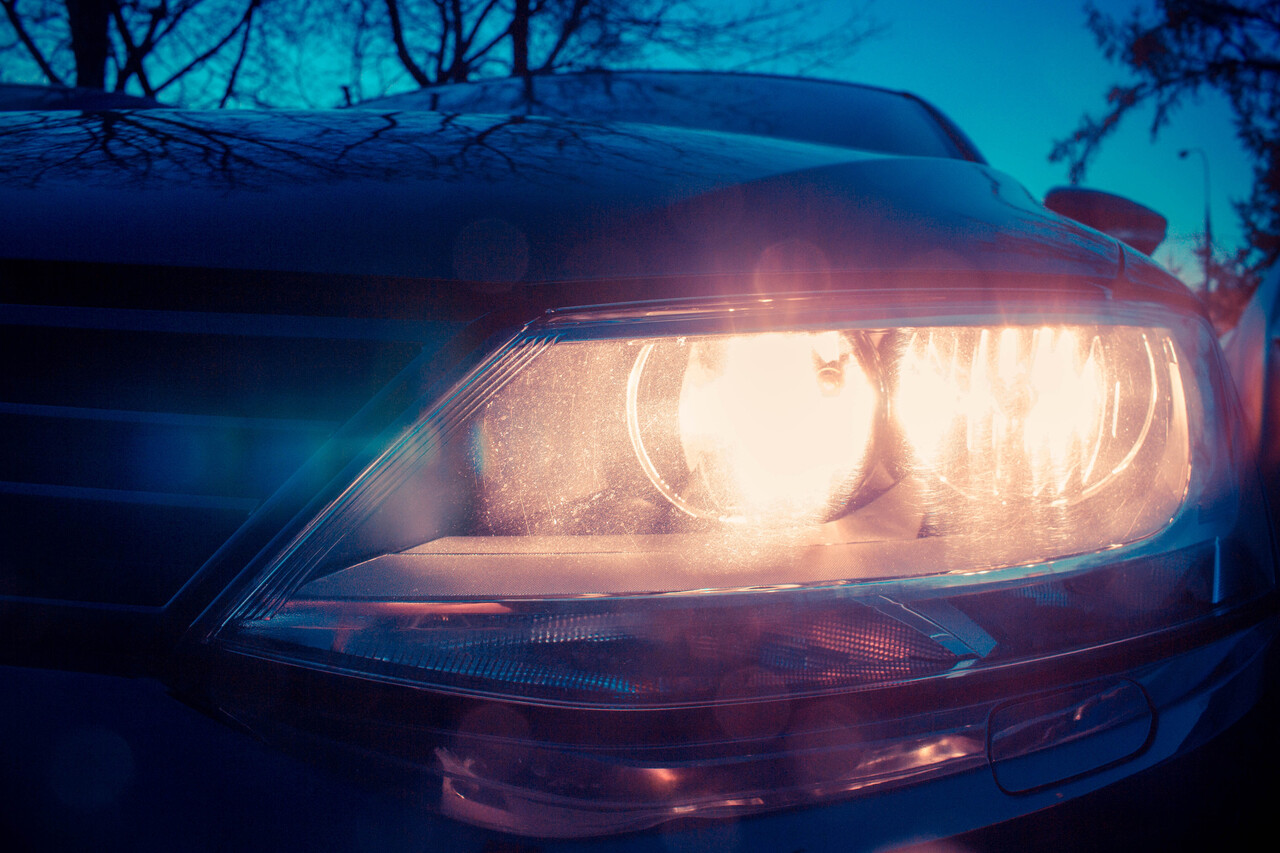
Headlight color and intensity are regulated to ensure drivers can see safely without dazzling others. Installing blue, purple, or red bulbs, or bulbs that exceed brightness standards, can mimic emergency lighting or create glare that impairs other road users. Nonstandard bulbs also risk a poor beam pattern and reduced visibility in rain or fog. Police frequently stop vehicles with improper headlight colors or excessive brightness. Use bulbs that match your vehicle’s OEM specifications or approved replacements that meet federal and state lighting standards to avoid fines and safety issues.
7. Missing or Altered Emissions Equipment
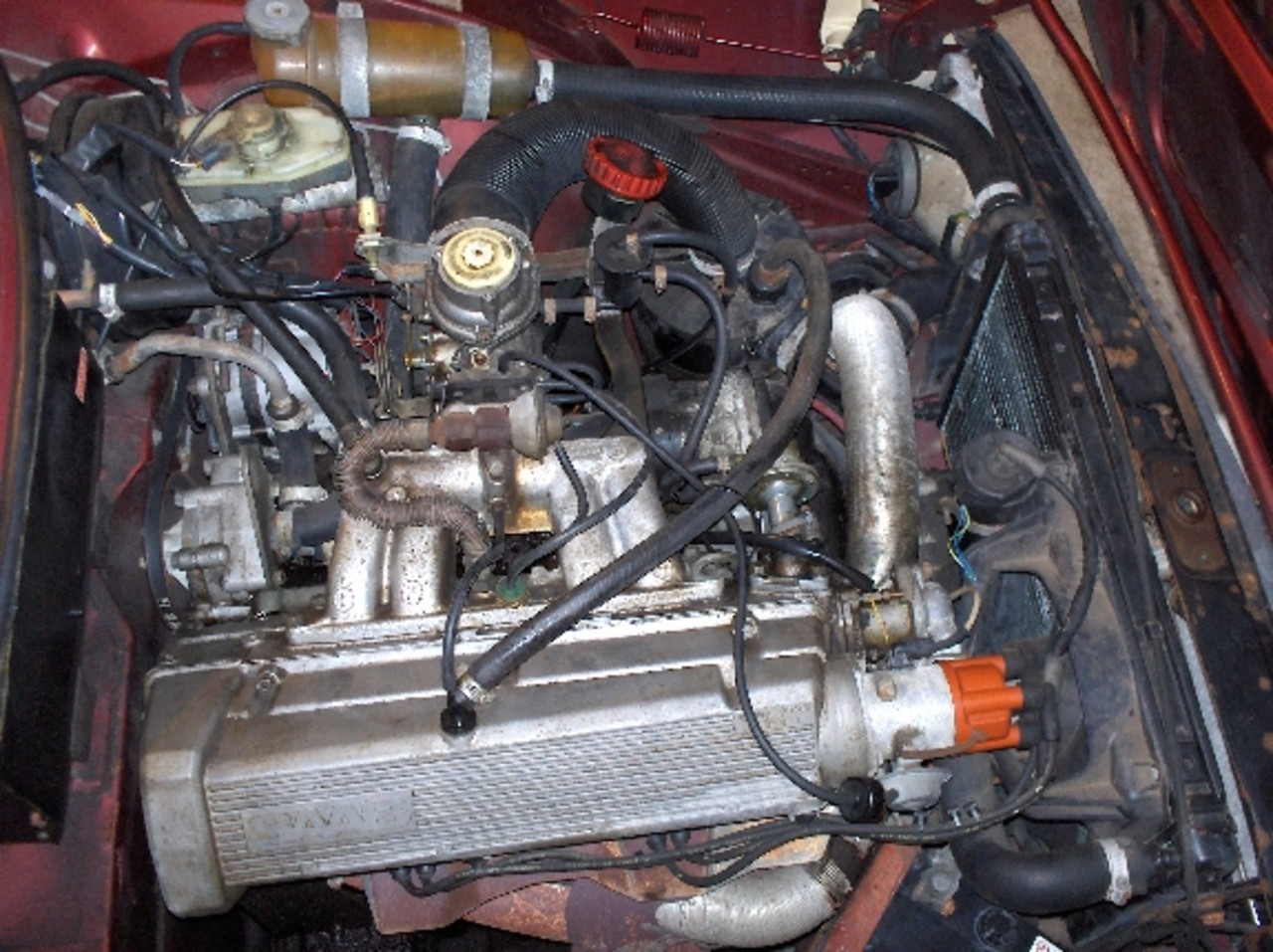
Removing or tampering with emissions controls such as catalytic converters, EGR systems, or oxygen sensors is illegal across the country because it increases pollution and violates environmental laws. Signs include unusually loud exhaust, a rotten-egg smell, or visible modifications under the vehicle. Beyond fines and failed inspections, tampering can trigger roadside stops and mandatory repairs. If performance is the goal, pursue legal upgrades and tune-ups that maintain emissions compliance and pass inspection rather than disabling mandated pollution controls.