
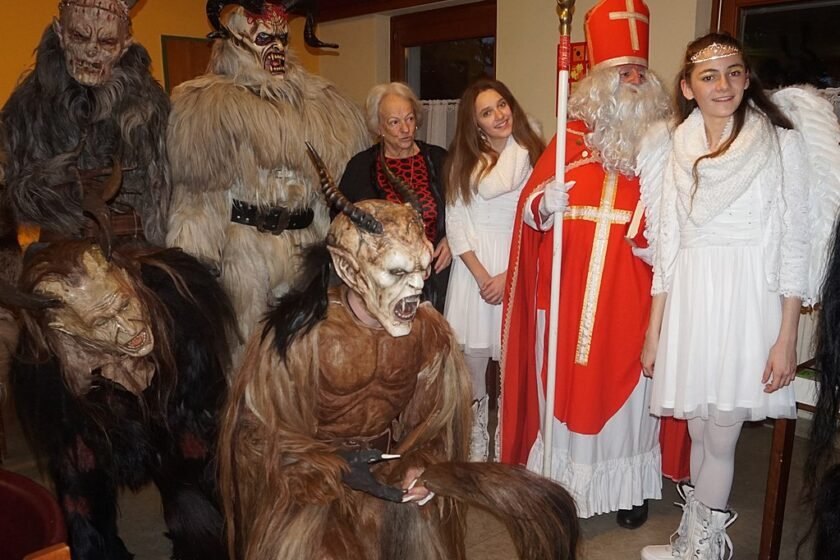

Modern Christmas traditions focus on warmth, generosity, and familiar figures, but earlier celebrations were far more complex. Ancient winter festivals included spirits and characters meant to teach lessons, enforce discipline, or explain the dangers of the season. As holidays became commercial and family-friendly, many of these figures were intentionally removed. Their disappearance shows how Christmas slowly shifted away from folklore and symbolism.
Krampus
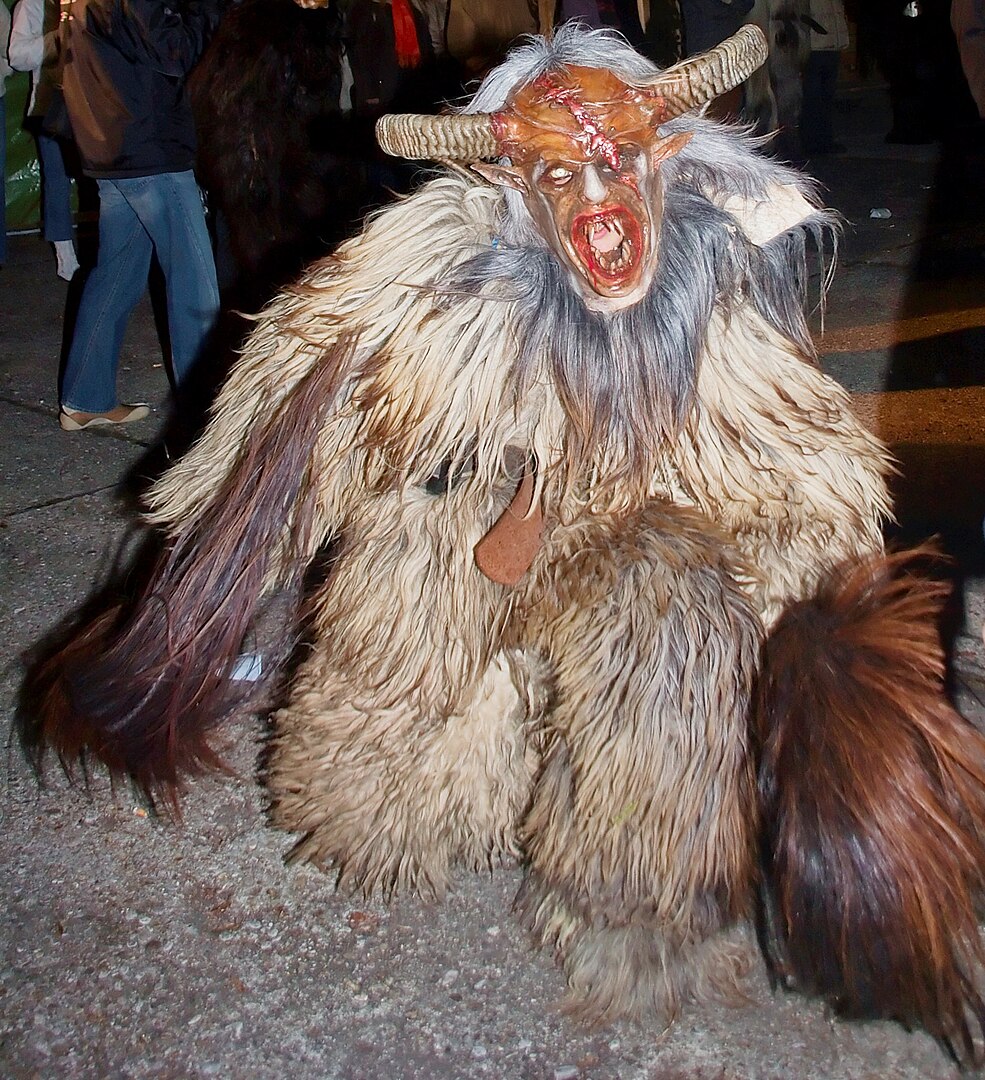
Krampus originated in Alpine folklore as a horned enforcer who punished misbehaving children during the winter season. His frightening appearance balanced Saint Nicholas’s generosity by reminding families that actions had consequences. Over time, his violent imagery conflicted with modern ideas of childhood innocence. As Christmas became more commercial and child-centered, Krampus was pushed aside or reduced to novelty appearances.
Frau Holle
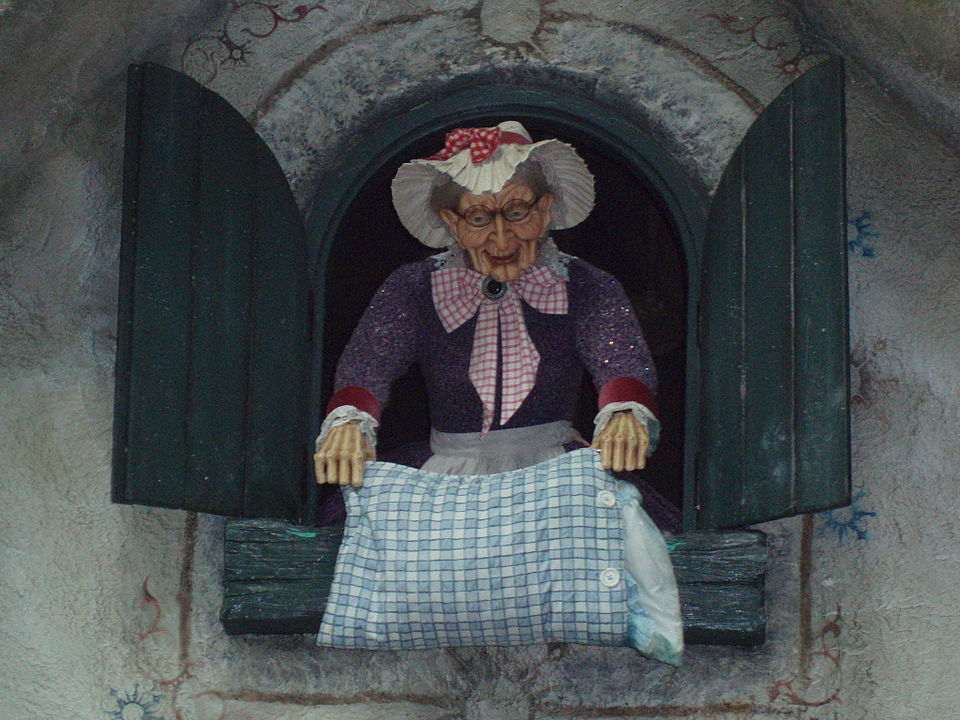
Frau Holle was a Germanic winter spirit connected to snowfall, household order, and moral behavior. She rewarded cleanliness and diligence while punishing laziness, often through harsh folklore imagery. Her stories reinforced discipline during long winter months. As Christian traditions expanded and darker pagan elements were removed, her role gradually faded from Christmas storytelling.
Belsnickel
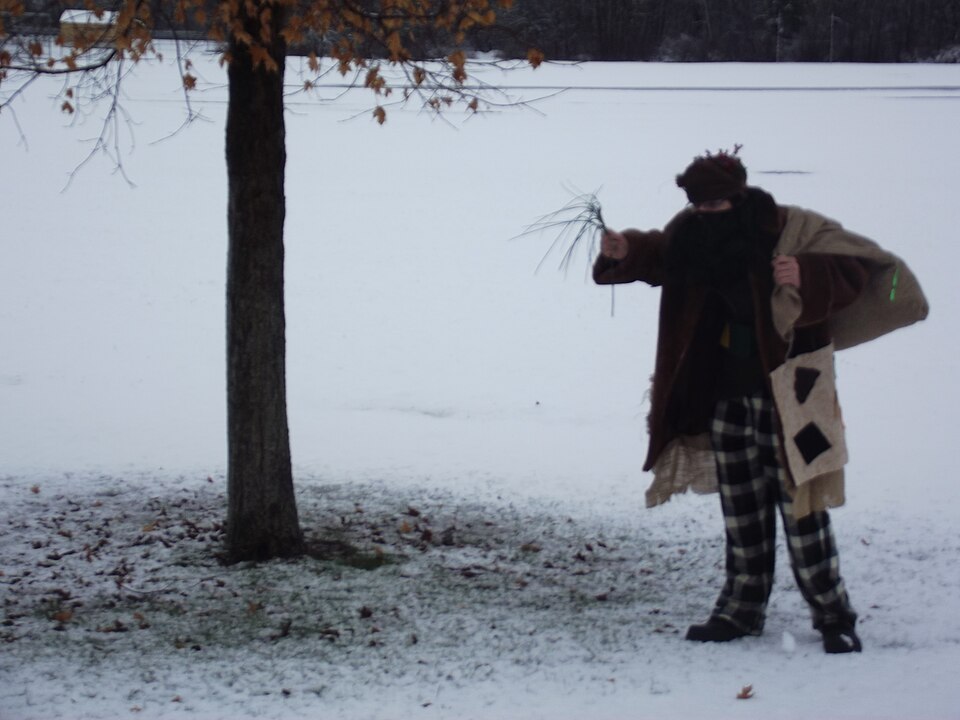
Belsnickel appeared as a rough, intimidating visitor who tested children’s honesty and behavior. Unlike Santa, he arrived unannounced and mixed rewards with punishment. His presence reinforced accountability rather than indulgence. As holiday traditions softened and fear-based lessons fell out of favor, Belsnickel slowly disappeared from mainstream celebrations.
Gryla
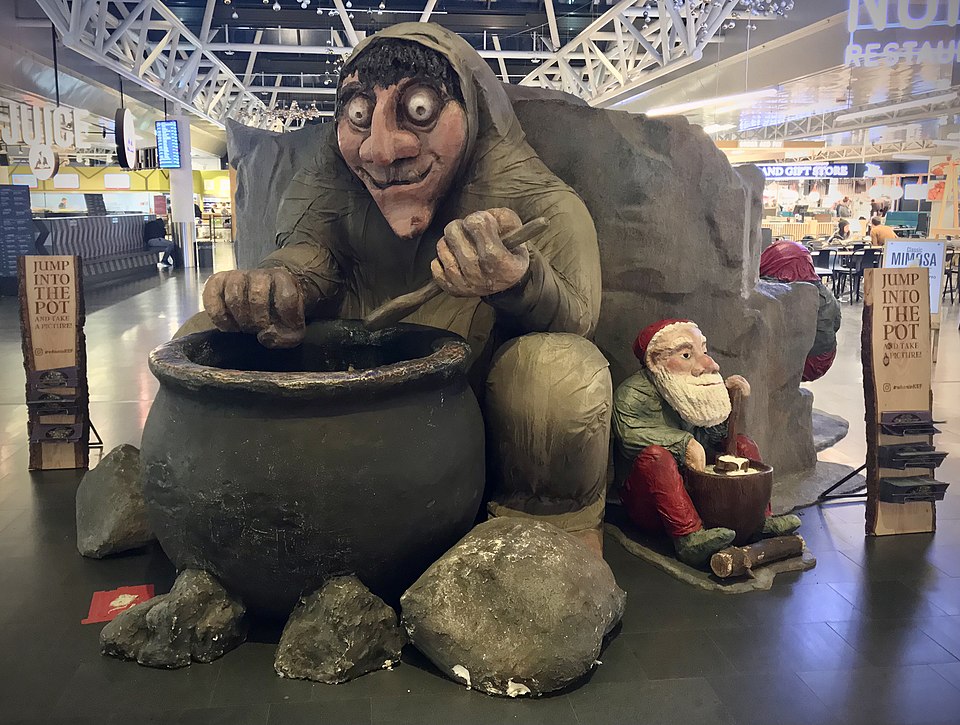
Gryla came from Icelandic folklore as a monstrous figure who captured and ate misbehaving children. Her legend reflected parental warnings during harsh winters. While effective as a cautionary tale, her terrifying nature conflicted with modern holiday values. As Christmas emphasized comfort and joy, Gryla remained confined to regional folklore rather than global tradition.
The Yule Goat
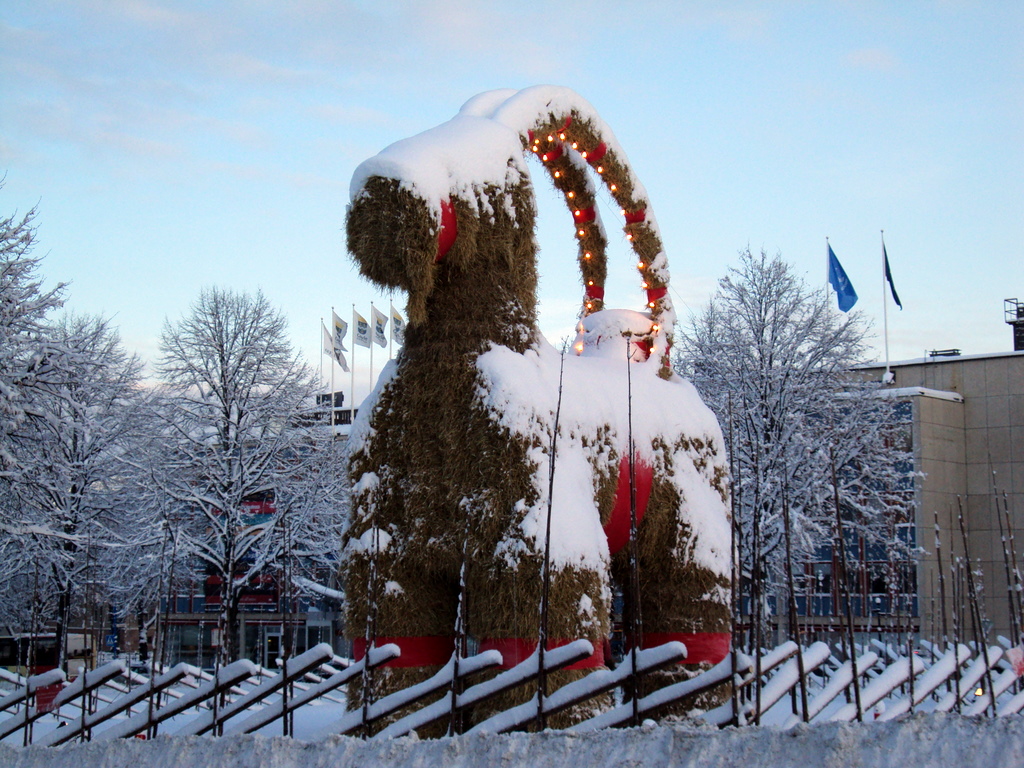
The Yule Goat symbolized fertility, harvest cycles, and ancient seasonal rituals in Nordic cultures. It once played a central role in winter celebrations, representing survival and renewal. Over time, its deeper spiritual meaning was stripped away. Today, it survives mainly as a decorative object rather than a meaningful folklore figure.
Knecht Ruprecht
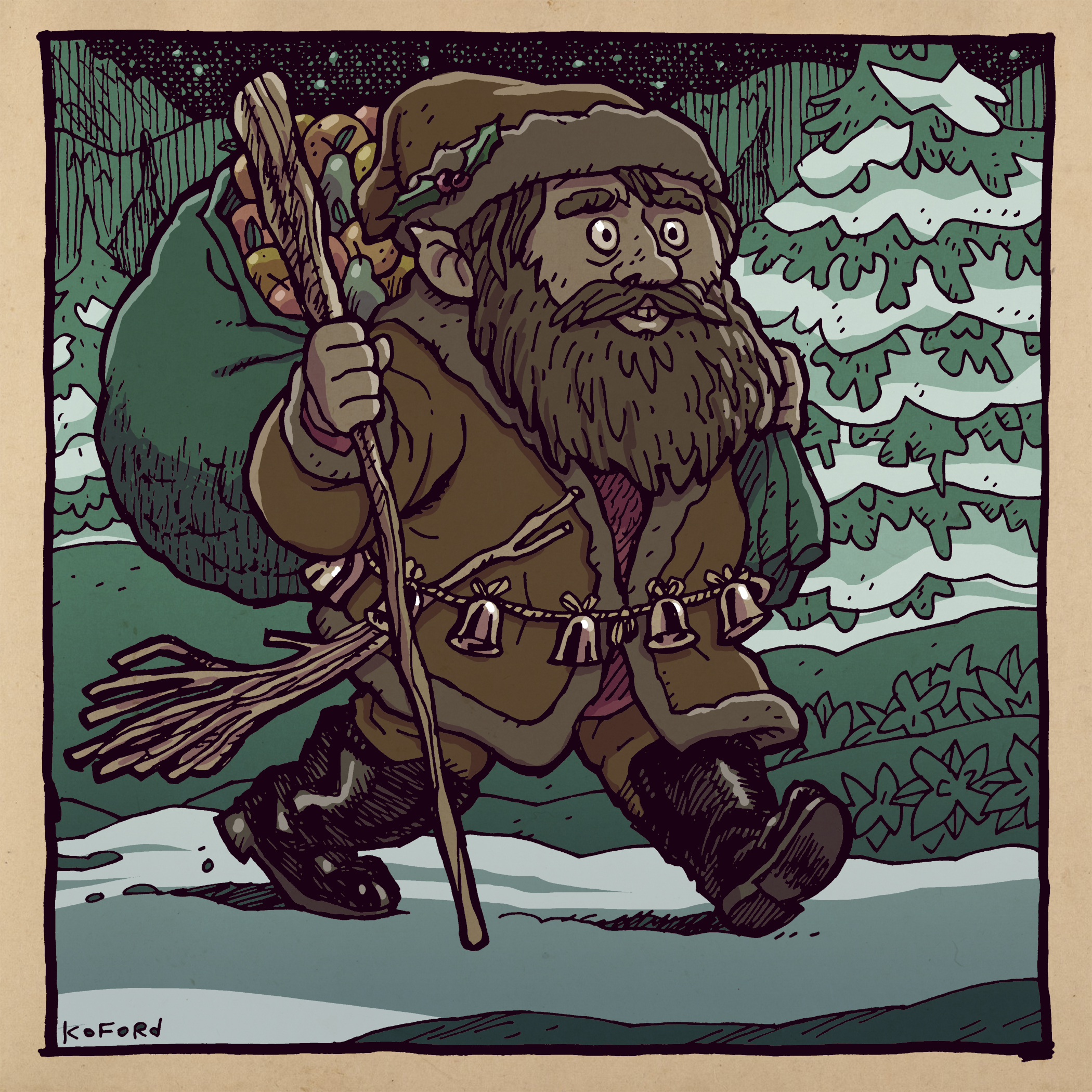
Knecht Ruprecht accompanied Saint Nicholas as a stern figure enforcing moral behavior. He questioned children about prayers and honesty, delivering punishment when necessary. His role reinforced responsibility alongside generosity. As Christmas traditions became gentler and less judgment-focused, his character was gradually removed from popular celebrations.
La Befana

La Befana was an Italian folklore figure who delivered gifts while resembling a witch from older pagan traditions. She rewarded good behavior and punished mischief, blending Christian and pre-Christian beliefs. As Santa Claus became globally dominant, her story lost prominence. Today, she remains largely regional despite her deep cultural roots.