
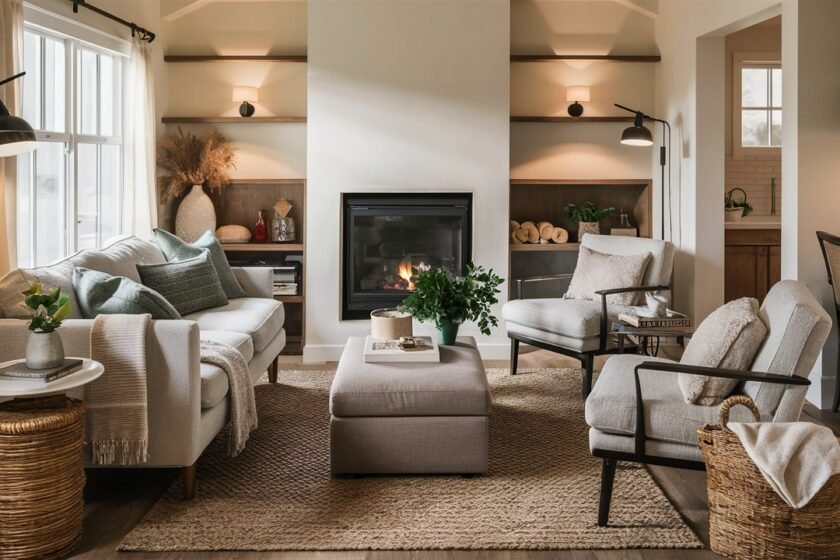
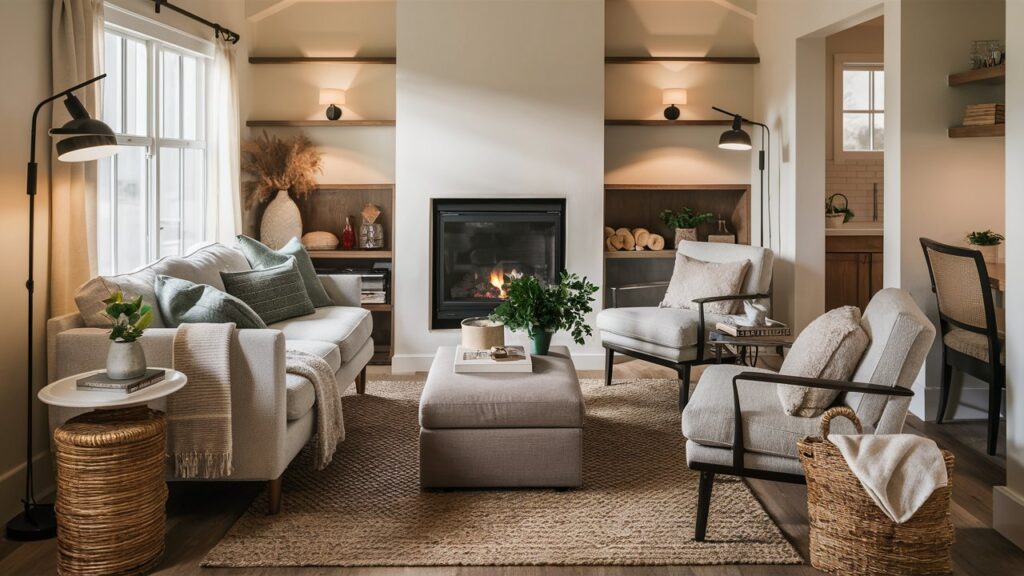
Your living room is one of the most-used spaces in your home, serving as a place for relaxation, entertainment, and sometimes even work. A well-planned layout is key to making it both stylish and functional. However, many homeowners unknowingly make design mistakes that can make the space feel awkward or impractical. By avoiding these common pitfalls, you can create a living room that feels welcoming, comfortable, and effortlessly put together.
1. Avoid Pushing Furniture Against the Walls
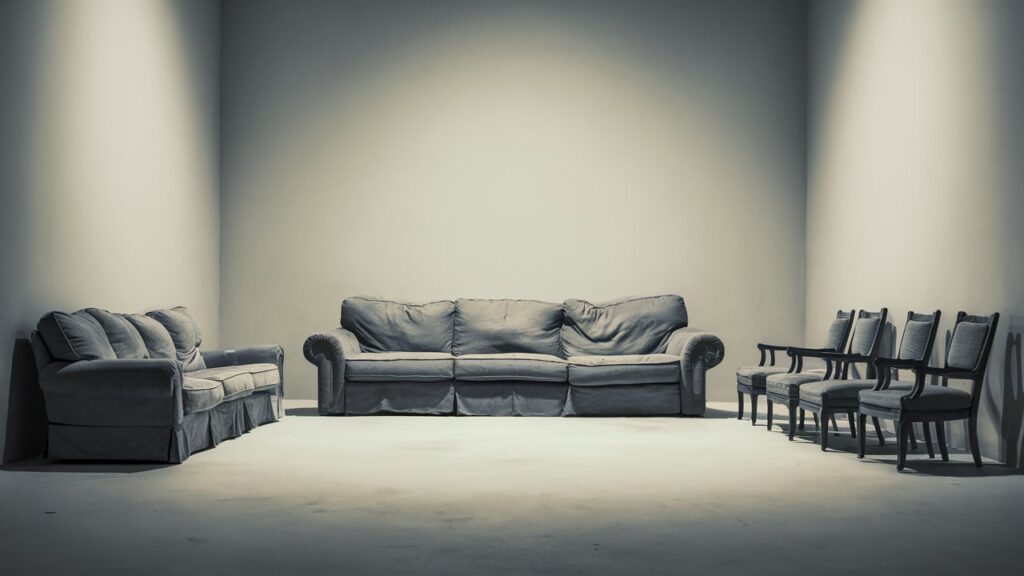
It might seem like pushing furniture against the walls will make a room feel larger, but it often does the opposite. This setup creates an empty center that can feel uninviting and disrupt conversation flow. Instead, pull seating slightly away from the walls to define a cozy area. A well-balanced layout involves a combination of seating options, such as a sofa with accent chairs nearby, to encourage conversation. A strategically placed rug can also help anchor the seating arrangement, making the space feel intentional rather than scattered.
2. Prioritize Traffic Flow
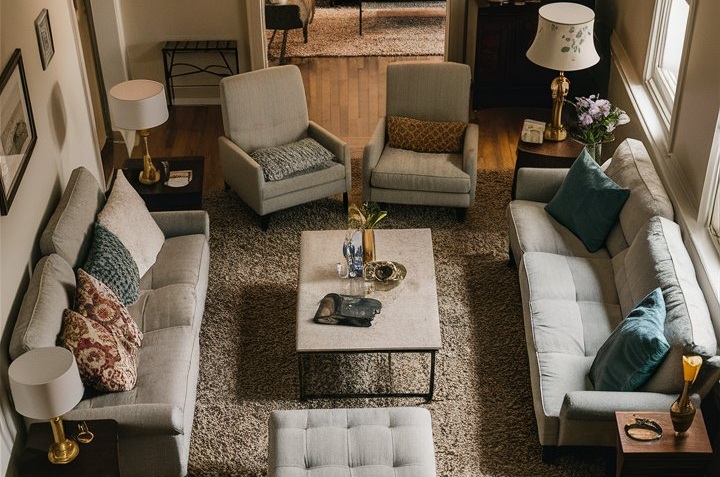
A beautiful living room is great, but if it’s difficult to move around in, the design needs a rethink. Poor furniture placement can obstruct natural pathways, making the room feel cramped. To improve flow, arrange furniture so there’s a clear path between entry points. Make sure there’s enough space between seating elements for easy movement, and avoid placing large furniture pieces in high-traffic areas. This not only makes the room more functional but also enhances its openness, making it easier to enjoy the space.
3. Don’t Overwhelm the Space with Too Many Focal Points
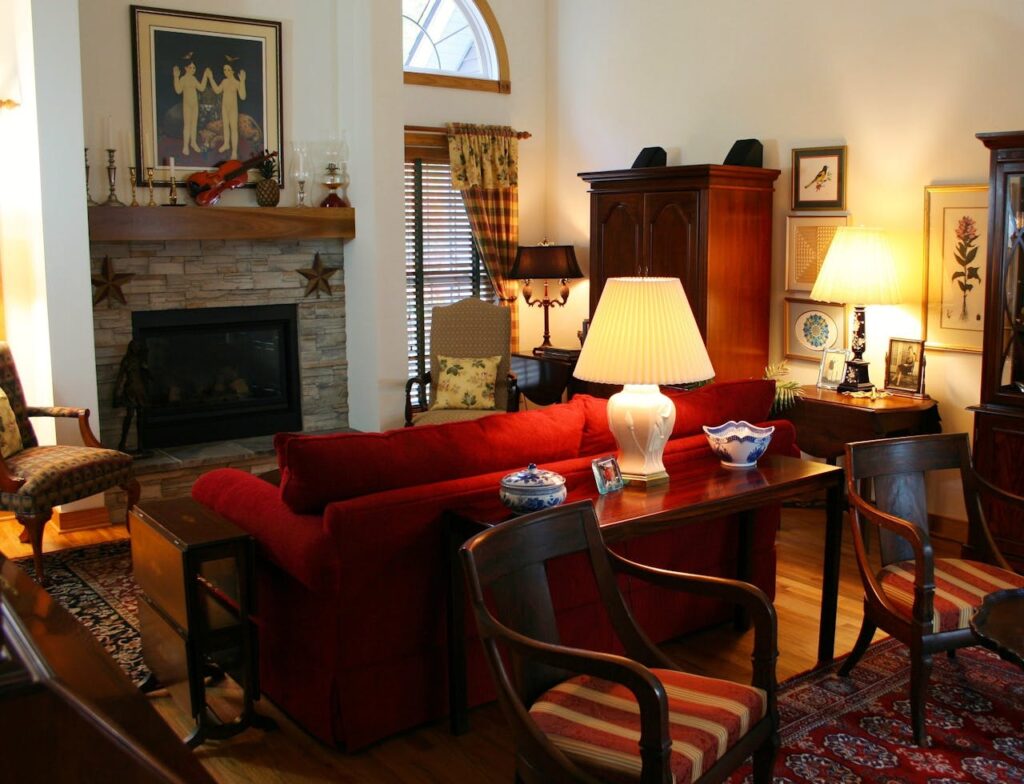
A well-designed living room typically has a single focal point, whether it’s a fireplace, a stunning window view, or a statement artwork. Having multiple competing focal points creates visual chaos, making the room feel disjointed. If your space naturally has more than one standout feature, create a balanced arrangement. For example, if you have both a fireplace and a large window with a view, let them work together. Align seating toward the fireplace while keeping window treatments minimal so the outdoor view remains a secondary focal point.
4. Skip the Matching Furniture Set
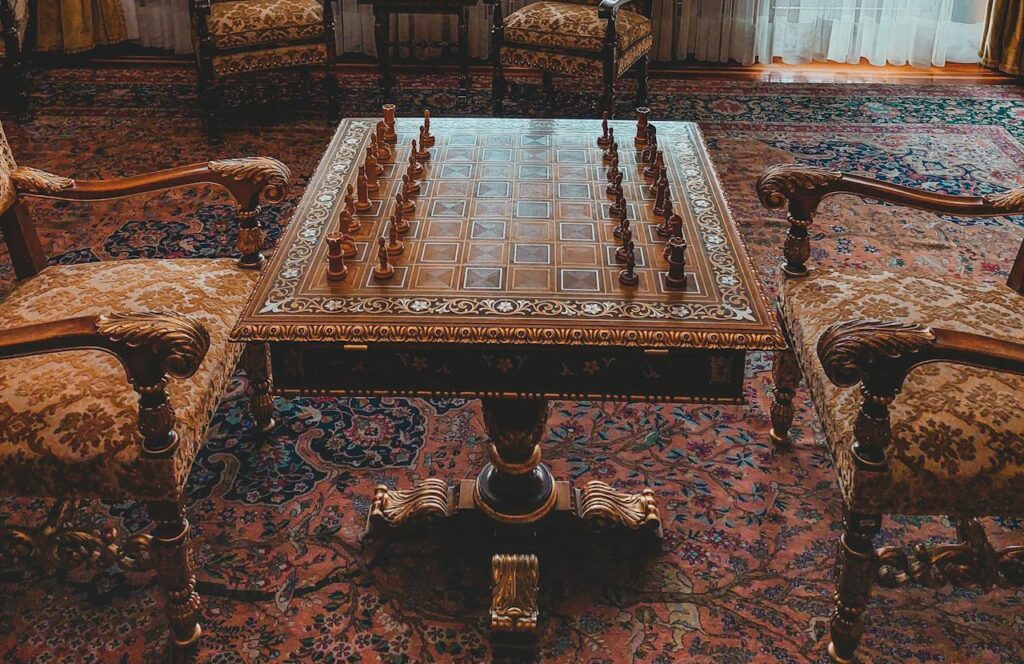
Buying a complete matching furniture set might seem like an easy way to create a cohesive look, but it can make a living room feel uninspired and overly uniform. Mixing different styles, textures, and materials creates a space that feels more layered and personal. Instead of a perfectly matched set, consider blending vintage and modern pieces. Pair a contemporary sofa with a classic wooden coffee table, or introduce an antique side table alongside sleek, modern chairs. This blend of styles adds character and warmth, making your living room feel more inviting and unique.
5. Keep Scale and Proportion in Mind
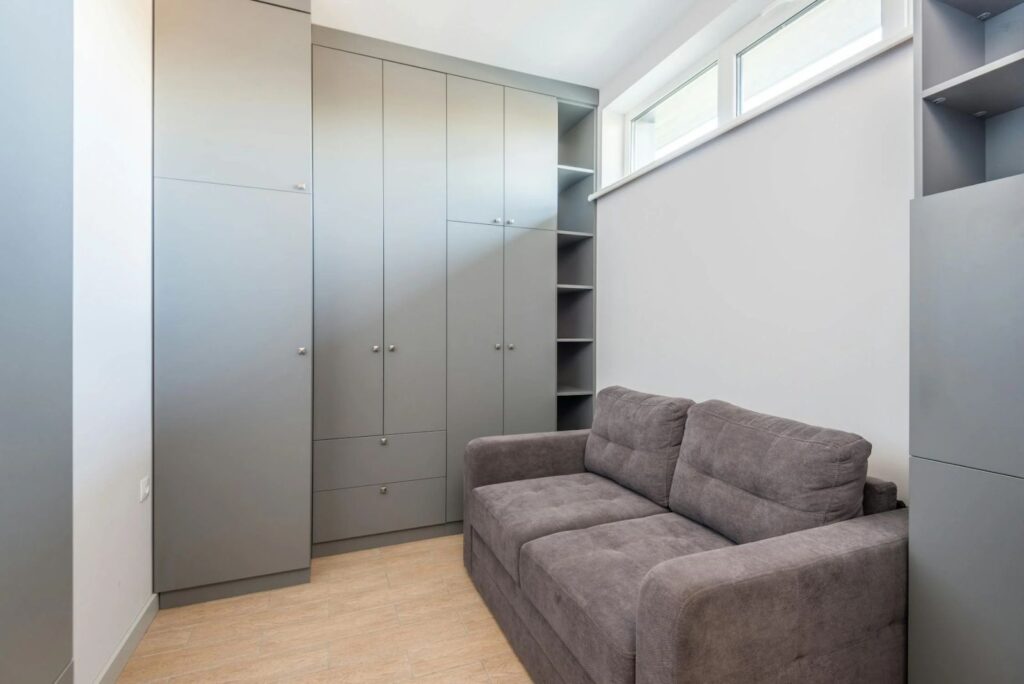
One of the most common mistakes in living room design is mismatched furniture sizes. A large couch in a small section, or too many small decorative elements, can make a space feel cluttered and unbalanced. To create a well-proportioned layout, focus on a few statement pieces that work together. Larger rooms can handle bigger furniture, while smaller spaces benefit from compact, multi-functional pieces. A good rule of thumb is to balance heavier furniture with visually lighter elements, like an airy coffee table or sleek shelving, to maintain a sense of harmony.
6. Don’t Make the TV the Centerpiece

While televisions are a staple in most living rooms, designing the entire layout around the TV can limit the space’s versatility. Instead of making the screen the focal point, consider integrating it more seamlessly into the design. Mounting the TV on a stylish media console or incorporating it into a built-in shelving unit can help it blend into the space. Arrange seating so that the room functions well for both TV viewing and social gatherings, ensuring a balanced and multi-purpose design. This way, the living room remains inviting and practical for different activities.
7. Functionality Matters as Much as Style
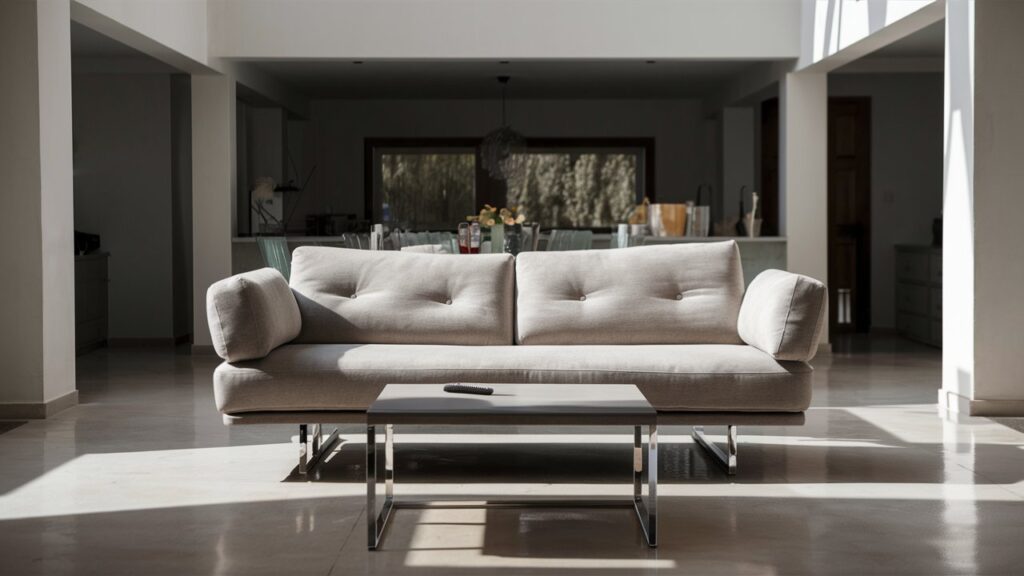
A beautiful living room should also be practical. It’s important to design a layout that supports your daily activities, whether that means creating a reading nook, incorporating a small workspace, or making room for family game nights. Think of your living room in zones—seating for conversation, a workspace if needed, and storage solutions to keep clutter at bay. Multi-functional furniture, like an ottoman with hidden storage or a console table that doubles as a desk, can help maximize usability without sacrificing style, making your space both efficient and visually appealing.
This article was created with the assistance of AI but thoroughly edited by a human being.