

Time spent in the field with a rifle encourages focus, steady movement, and careful decision-making while also requiring awareness to prevent discomfort that may linger after long hours outdoors. Small errors in posture, handling, or equipment care often lead to strain that disrupts accuracy and endurance. Understanding how these issues develop supports better preparation across varied terrain. With reliable habits and consistent technique, every outing becomes more controlled, comfortable, and suited for extended time in demanding conditions.
Shoulder Bruising
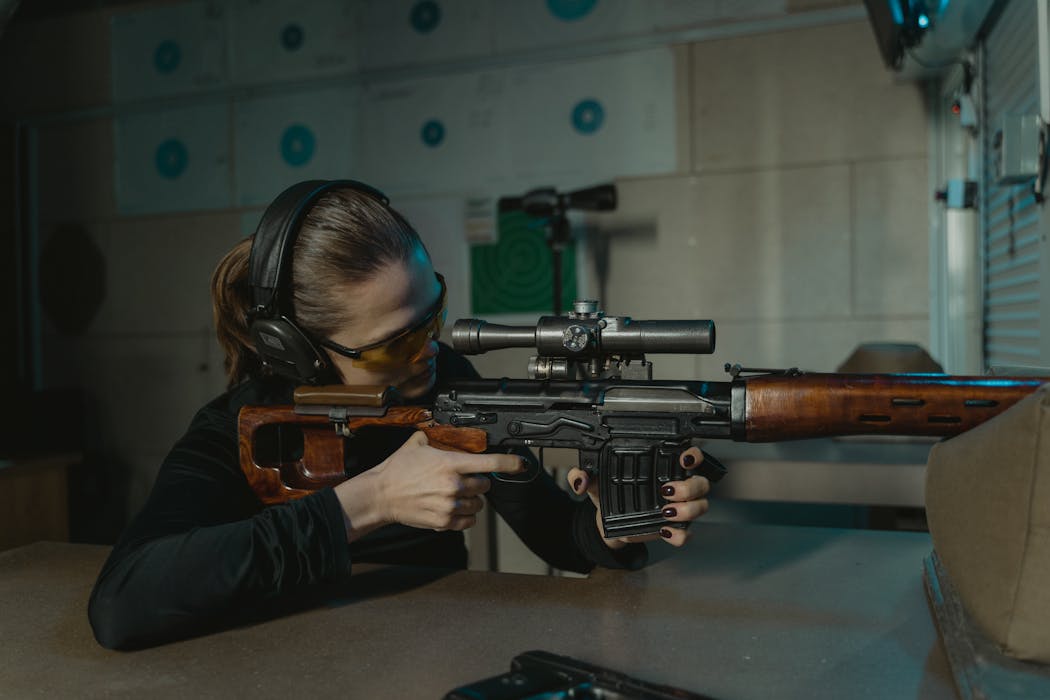
Shoulder bruising commonly occurs when the rifle butt fails to seat firmly within the shoulder pocket, allowing recoil to push unevenly through soft tissue. Repeated firing compounds soreness and limits steady handling. A stable stance and secure stock placement help manage recoil through stronger structural support. Many shooters rely on padded vests or recoil shields to soften impact. Proper technique and protective gear work together to maintain comfort during long practice sessions or extended hunts.
Scope Bite
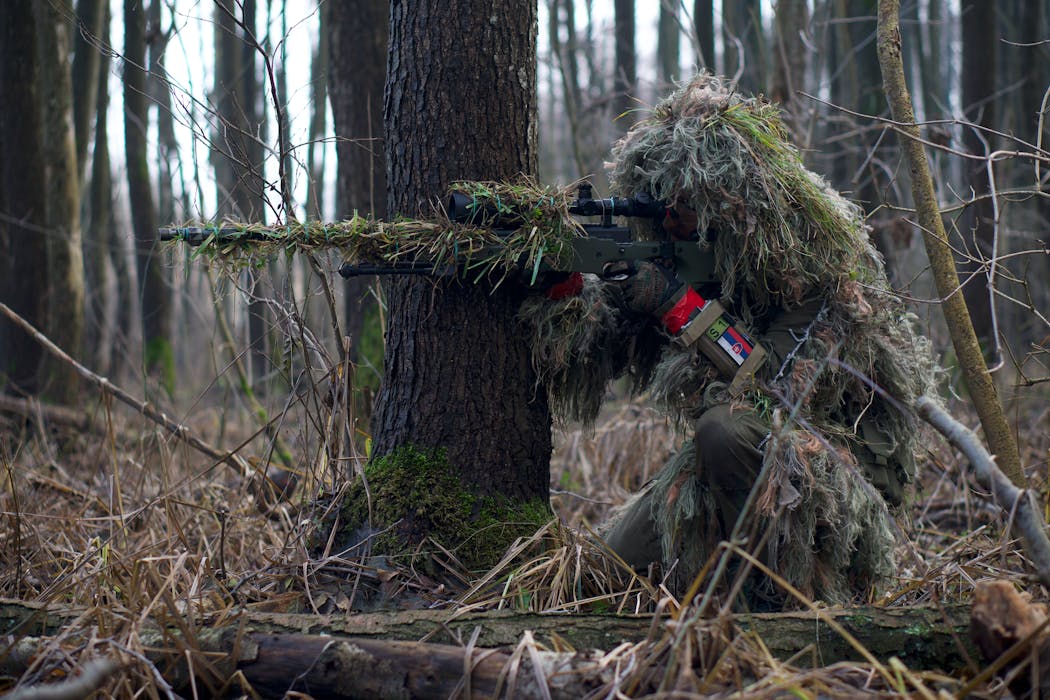
Scope bite develops when the brow rests too close to the optic, permitting the scope to strike the skin as recoil moves the rifle backward. The resulting cut or swelling affects visibility and reduces confidence during follow-up shots. Establishing correct eye relief through careful stock adjustment prevents the optic from contacting the face. A consistent cheek weld reinforces proper spacing. Safe distance, controlled recoil management, and repeatable head position significantly reduce this preventable injury.
Trigger Finger Strain
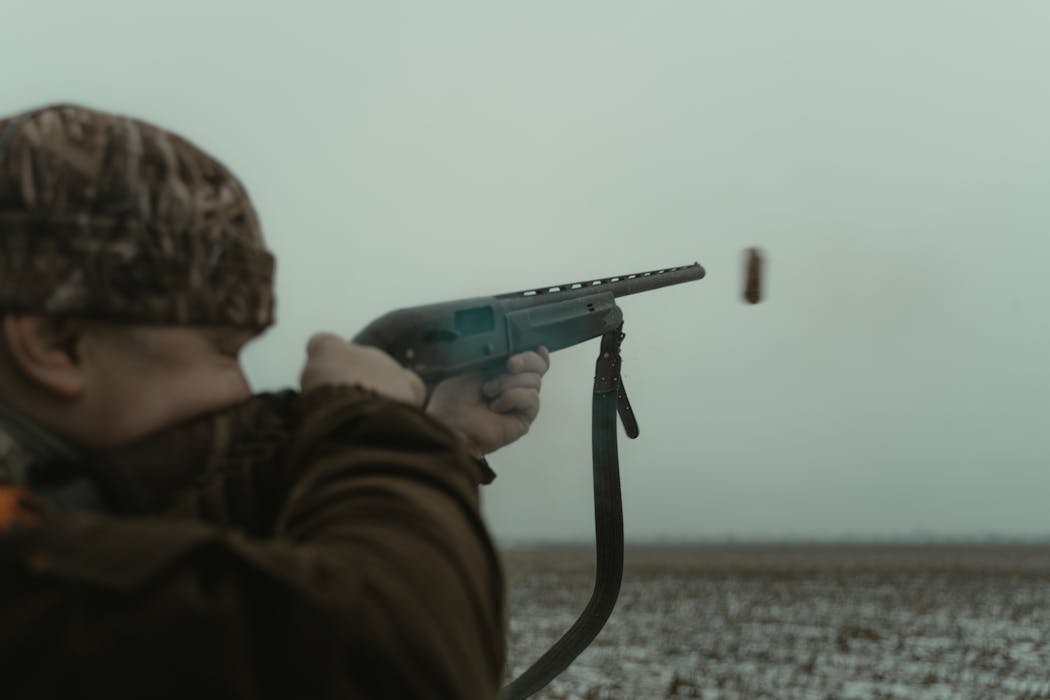
Trigger finger strain arises when tension accumulates from gripping the stock too firmly or placing irregular pressure on the trigger. Cold temperatures tighten muscles, slowing fine motor control during prolonged sessions. A balanced grip with smooth trigger movement limits stress on a single joint. Well-fitted gloves maintain warmth without sacrificing dexterity. Supportive technique and steady hand placement protect trigger function during repeated firing in shifting weather conditions.
Wrist Fatigue

Wrist fatigue often develops when a rifle is carried or stabilized in awkward angles for long periods, particularly on steep slopes or unstable terrain. Continuous stress on small joints gradually impairs control and accuracy. A supportive sling distributes weight more evenly across the body and reduces strain during extended movement. Short rest intervals allow the wrist to reset its alignment. Efficient handling techniques preserve comfort during demanding field travel or scouting activity.
Lower Back Strain
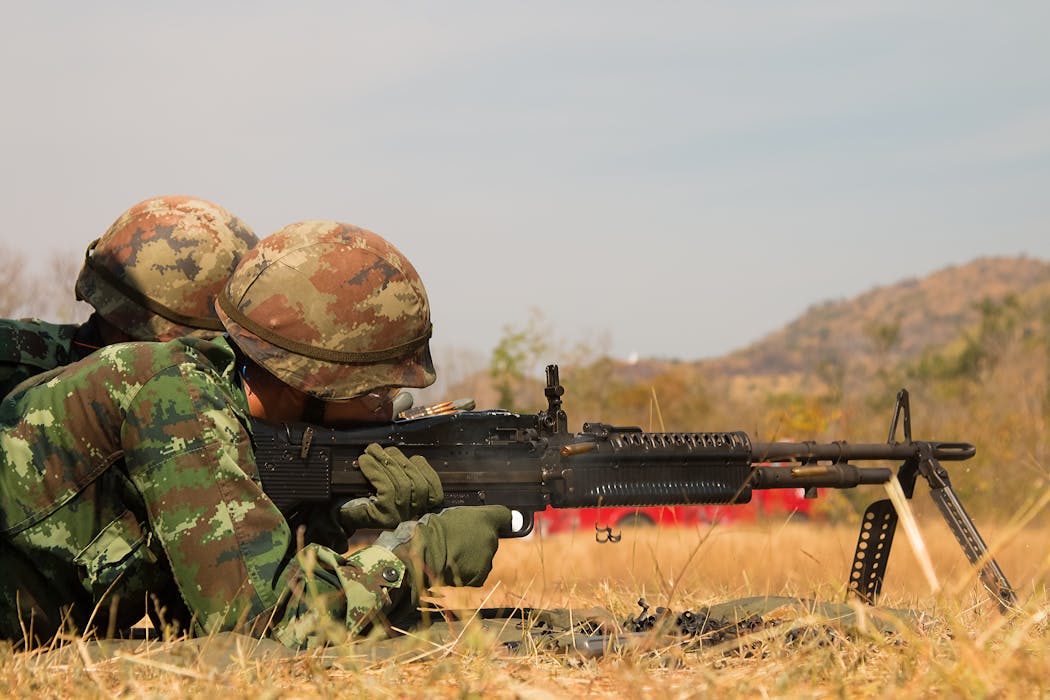
Lower back strain commonly results from poor posture while walking, carrying gear, or bending repeatedly to prepare shots or survey surroundings. Heavy equipment increases pressure on the lumbar region, especially on uneven ground. Maintaining a neutral spine and adjusting pack straps for balanced load distribution reduces stress on supporting muscles. Stretching during scheduled breaks preserves flexibility and limits fatigue. Stable posture becomes essential during long treks across rugged environments.
Hearing Damage
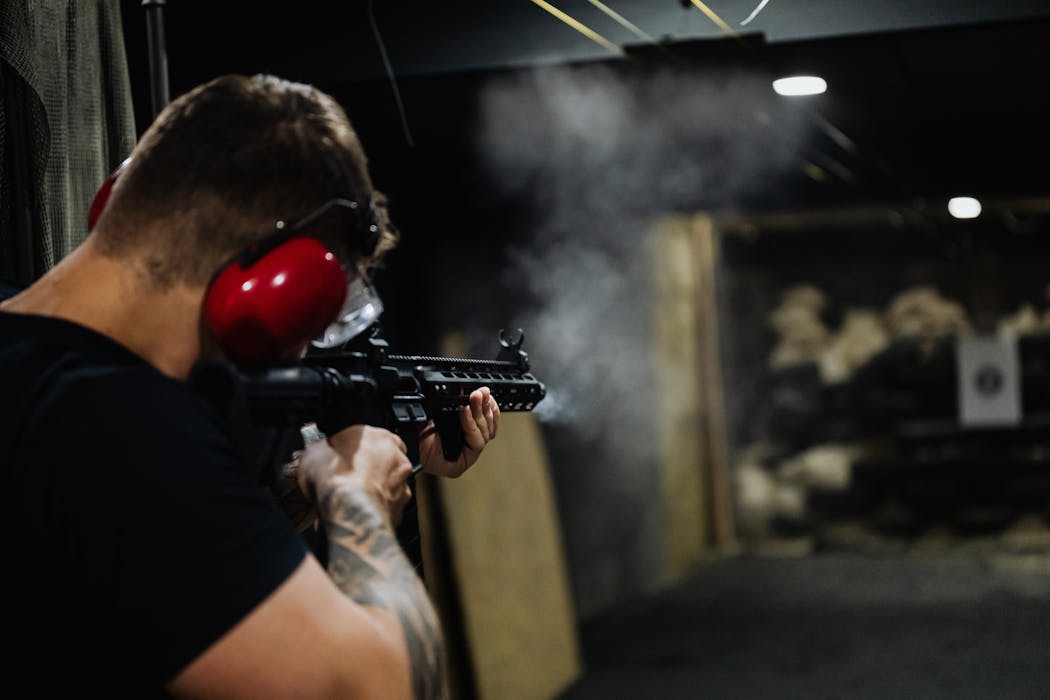
Hearing damage occurs when rifles are fired without proper ear protection, especially in open spaces where sound reflects and intensifies. Even a single unprotected shot can cause ringing or temporary loss that worsens with repeated exposure. Earplugs and earmuffs designed for shooting environments reduce harmful decibel levels while preserving necessary awareness. Consistent hearing protection prevents long-term auditory decline. Safe habits ensure comfort and protection throughout frequent shooting sessions.
Barrel Burns
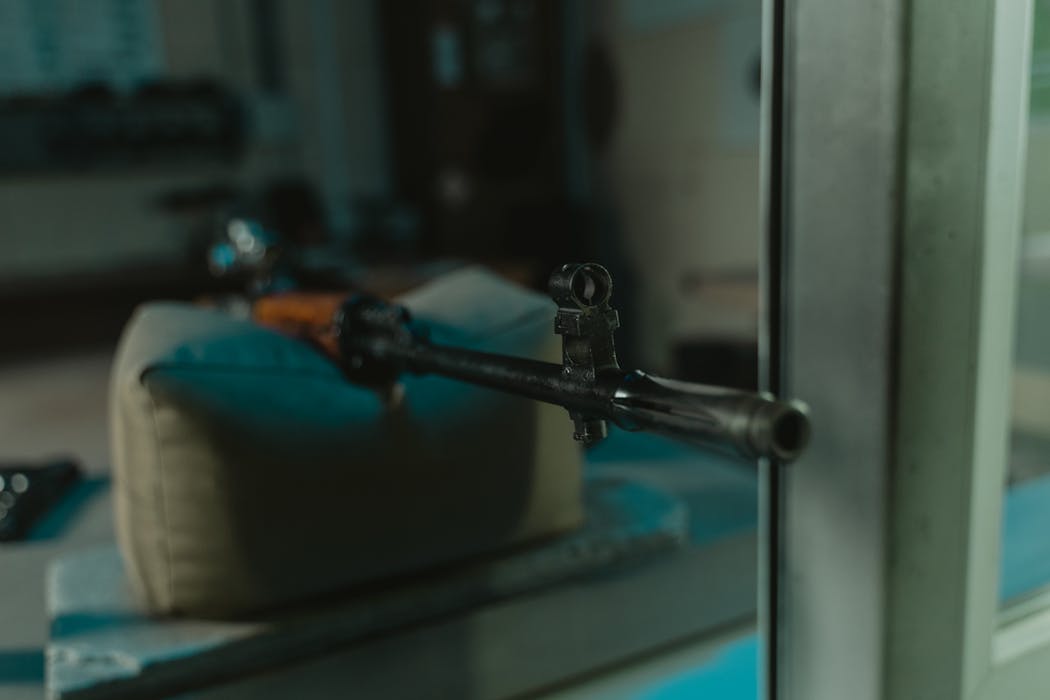
Barrel burns happen when skin contacts a hot barrel after rapid or repeated firing, as heat builds quickly and persists longer than expected. Accidental contact often occurs during hurried movements or gear adjustments. Allowing the barrel to cool naturally lowers the risk of injury. Heat-resistant gloves offer an additional safeguard when frequent handling is required. Managing the rifle by the stock or sling keeps hands away from high-temperature surfaces during critical cooldown periods.
The post 7 Common Rifle Injuries and How to Prevent Them in the Field appeared first on Bushcraft Base Camp.