

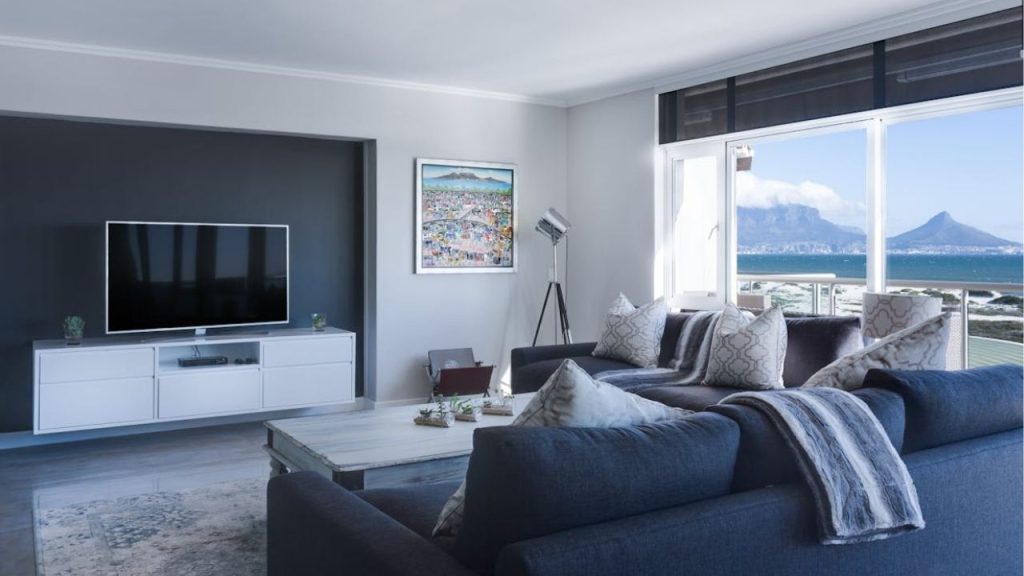
Small details often have the biggest impact, and that’s especially true when it comes to decorating a room. Thoughtful touches like layered lighting, cohesive color schemes, and the right mix of textures can subtly tie everything together, making your space feel complete without overwhelming it.
1. Blend Vintage And Modern Pieces
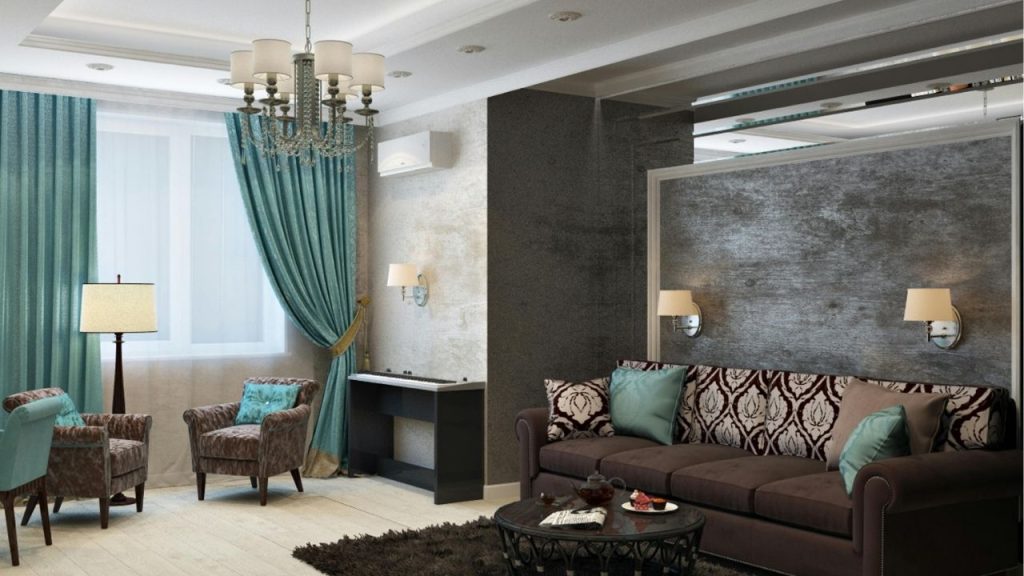
Overly curated rooms can feel cold or flat, but mixing old and new elements adds warmth and character. A vintage trunk or mid-century chair introduces charm and contrast to modern pieces, creating a space that feels layered and lived-in. The goal isn’t to recreate the past, but to blend styles in a way that tells a story. This mix adds personality and makes the room feel authentic, not like it was staged from a catalog.
2. Choose A Unified Color Scheme
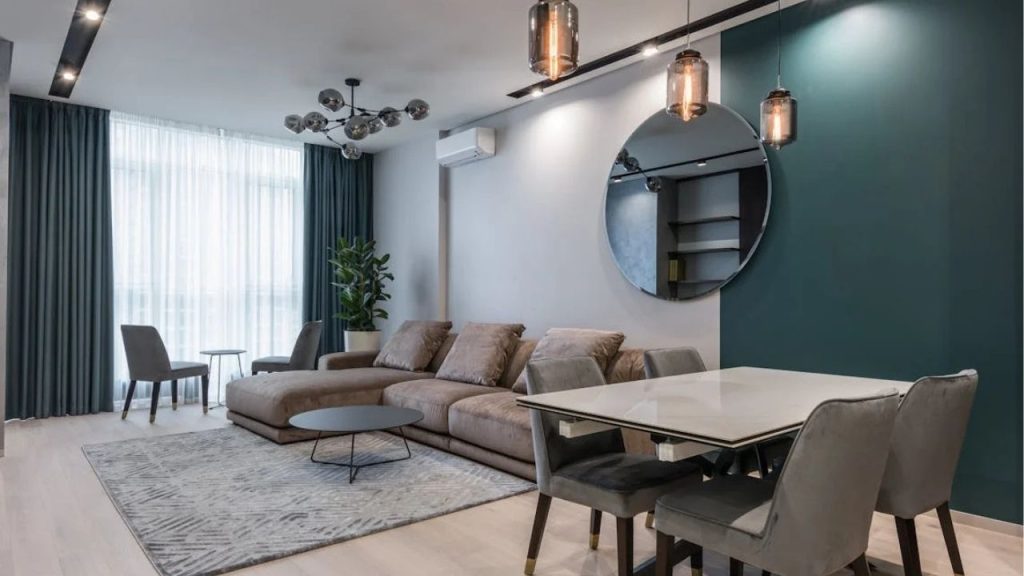
Color sets the mood for a space, and a well-chosen palette creates harmony without overwhelming the eye. Stick to a few complementary tones and repeat them in accents like pillows, rugs, and art. It’s not about perfect matches—layering shades and textures within the palette adds depth. A cohesive color scheme helps the room flow naturally, making each element feel connected and part of a thoughtfully designed whole.
3. Don’t Forget Negative Space
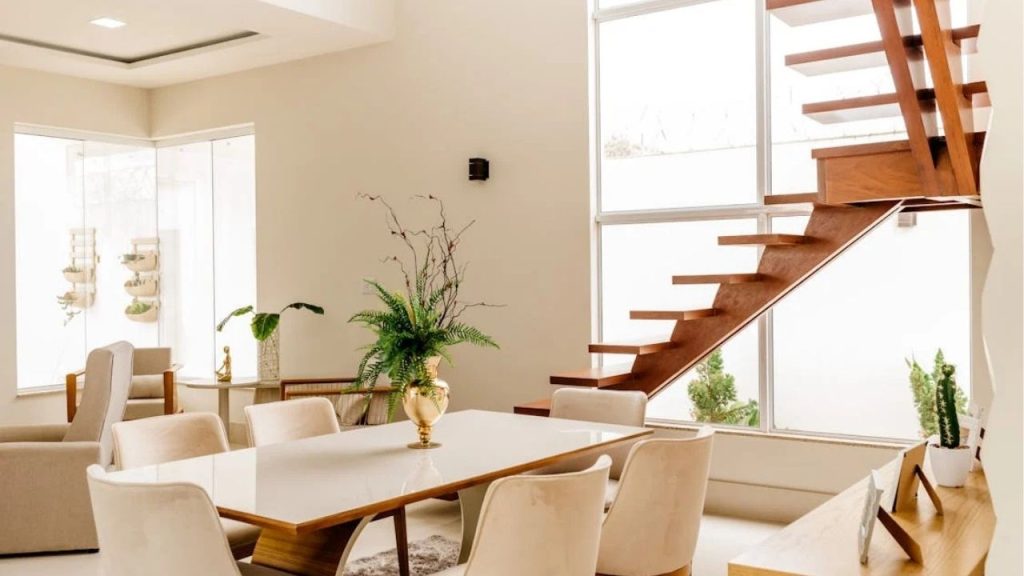
It’s natural to focus on what to add to a room, but what you leave out matters just as much. Negative space—the open areas between objects—gives the eye a chance to rest and keeps things from feeling cluttered. It draws attention to the pieces you do include, making them feel more deliberate. Whether it’s a bare section of wall or space around furniture, a little breathing room adds balance and helps create a calm, welcoming vibe.
4. Match Decor To The Right Scale
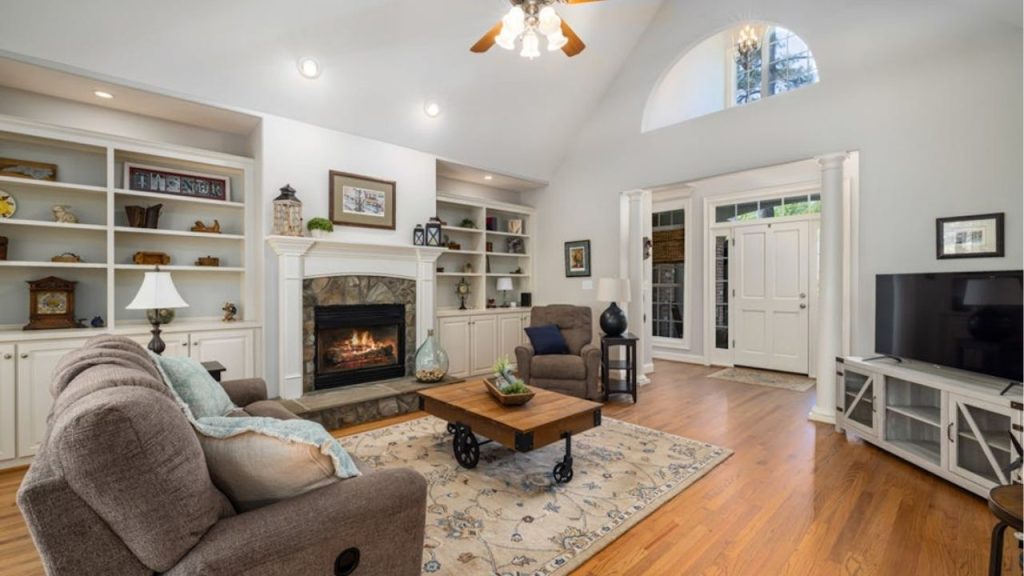
Using decor that’s too big or too small can throw off a room’s balance. The right scale helps everything feel cohesive. A large sofa, for example, needs equally bold pieces—like oversized art or a sturdy coffee table—to feel grounded. Smaller furniture, like a slim chair, pairs better with delicate lighting or narrow side tables. When scale is thoughtfully considered, each item fits comfortably in the space, creating a layout that feels natural and well-proportioned.
5. Create Layers With Lighting
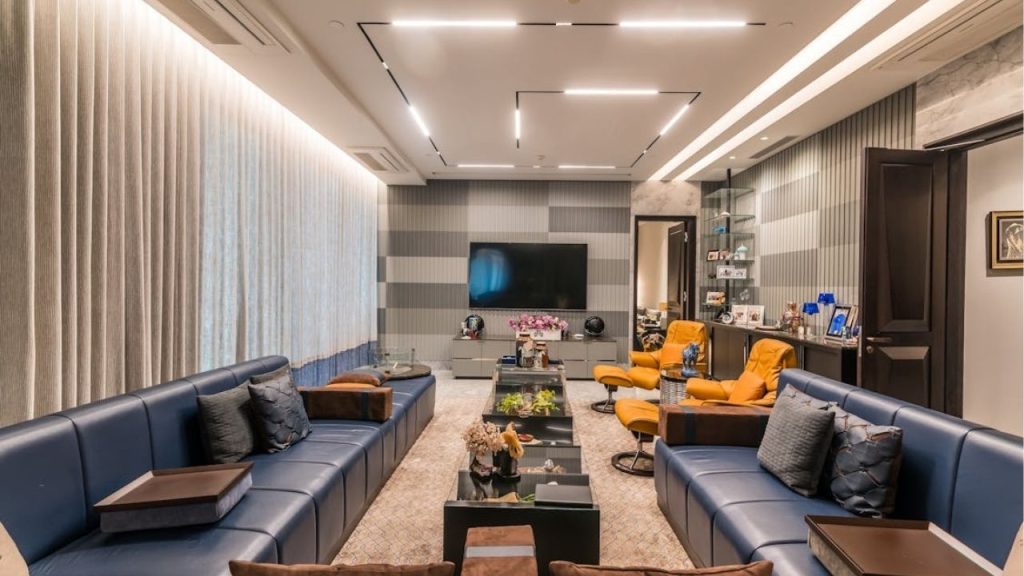
Lighting does more than illuminate—it sets the tone and defines areas in a room. Relying on just one overhead light can make a space feel flat, but layering different sources adds warmth and depth. Use a mix of floor lamps, table lamps, sconces, and accent lights to serve both function and mood. Whether it’s task lighting for reading or a soft glow in a quiet corner, each layer plays a role in making the room feel inviting and well thought out.
6. add Texture for depth
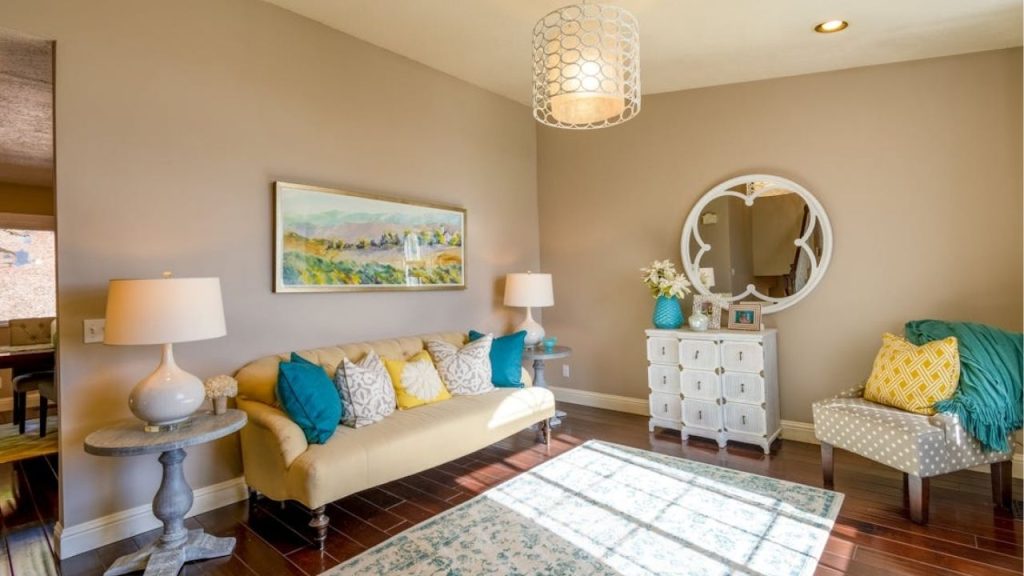
A room that leans too much on one material or finish can feel flat, even if it’s well-styled. Texture adds quiet depth and makes a space feel layered and lived-in. Pair a linen sofa with a chunky knit throw, or place a smooth vase next to a woven basket for contrast. Natural wood with a soft rug can do wonders, too. Mixing textures keeps the eye engaged and brings a cozy, personal touch that makes even simple spaces feel warm and thoughtfully put together.
7. Use Mirrors Strategically
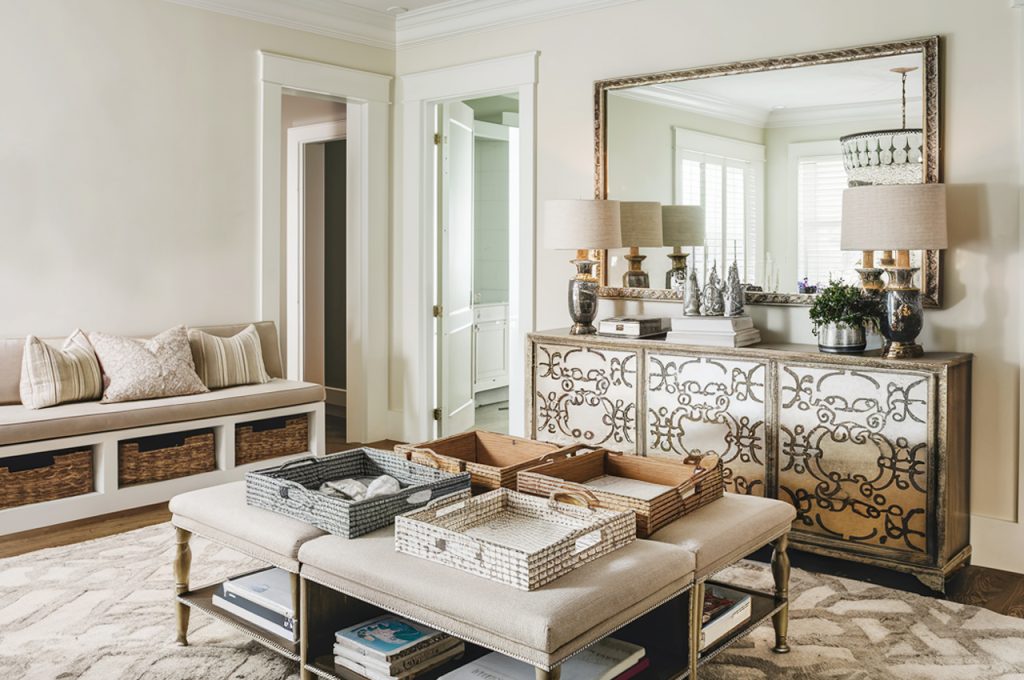
Mirrors do more than serve a purpose—they brighten and visually expand a space when used thoughtfully. Placing one across from a window can amplify natural light, while positioning another above a console or mantel draws the eye upward and adds interest. In smaller or dimly lit rooms, mirrors can make things feel more open and airy. Choose frames that suit your style and place them where they enhance the room, not overwhelm it. The right mirror adds just the right amount of shine.
This article was created with the assistance of AI but thoroughly edited by a human being.