

Every country has a few laws that sound unusual today but remain part of official statutes. Many were passed decades ago to address specific issues but were never fully repealed, even though society has changed. These laws often attract attention for their quirky wording or outdated purpose, though they still exist in legal codes. While most are rarely enforced, they reveal how history, culture, and governance shaped the rules of everyday life. Here are seven strange laws that remain legally valid around the world.
1. Handling Salmon Suspiciously – United Kingdom

The Salmon Act of 1986 in the United Kingdom makes it illegal to handle salmon in “suspicious circumstances.” Though the law was designed to combat poaching and black-market fish sales, its wording has made it widely regarded as one of the strangest active laws in the country. According to the UK government’s legislation records, this statute has never been formally repealed and still applies today. As an example of how even strangely worded laws can remain enforceable long after their original purpose has faded, prosecutions are almost nonexistent but still exist in the legal code.
2. Exploding Golf Balls – Massachusetts, United States

In Massachusetts, it is still unlawful to sell, possess, or use exploding golf balls. This peculiar law, found in the Massachusetts General Laws under Chapter 148, Section 39A, was introduced as a safety measure after novelty explosive golf balls caused injuries. While it might sound humorous, the penalties are serious and can include fines or imprisonment. The law reflects a strong focus on public safety, even in recreational activities. Although rarely applied today, it remains valid, showing how unusual but practical concerns once made their way into state legislation.
3. Bear Wrestling Ban – Alabama, United States

Alabama law prohibits bear wrestling matches, a practice that was once promoted as a form of public entertainment. Under Alabama Code Section 13A-12-5, it is illegal to stage, promote, or profit from such contests. This statute was enacted to address both public safety and animal welfare concerns. While it may sound outdated, the law reflects an important turning point in regulating cruelty to animals. Though bear wrestling is not a modern concern, the statute remains enforceable, reminding us of a time when lawmakers intervened to prevent exploitation and dangerous spectacles.
4. Indian Treasure Trove Act – India

The Indian Treasure Trove Act of 1878 requires anyone who discovers hidden treasure worth ten rupees or more to report it to authorities. Passed during British colonial rule, this law was meant to prevent theft and ensure government oversight of valuable finds. The Archaeological Survey of India still references it in heritage management, and the act technically remains part of the legal framework. Although rarely enforced today, especially for smaller discoveries, it remains a reminder of how colonial-era legislation continues to shape Indian law more than a century after independence.
5. Telegraph Wires Possession – India
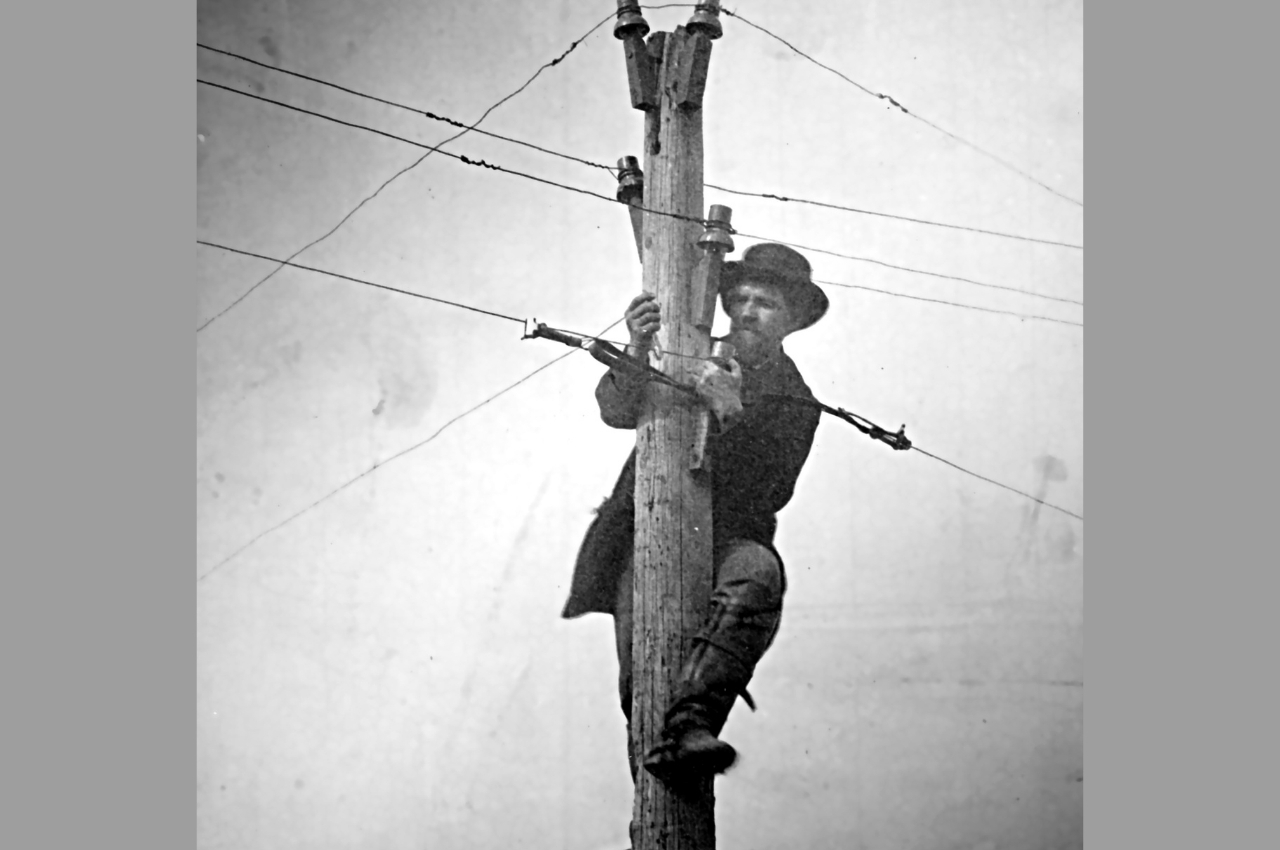
The Telegraph Wires (Unlawful Possession) Act of 1950 makes it illegal to possess large quantities of telegraph wire without authorization. When enacted, the law aimed to prevent theft of critical communication infrastructure, which was vital for national security and administration. Despite telegraph systems becoming obsolete in India, this statute has never been formally repealed. Legal reform commissions have recommended its removal, but it continues to exist on record. Its survival highlights how outdated infrastructure laws can remain technically valid long after the technology they protected has disappeared from daily life.
6. Chewing Gum Ban – Singapore

Since 1992, Singapore has restricted the import, sale, and possession of chewing gum, except for medical or dental purposes. The law was introduced under the country’s environmental regulations to curb littering and vandalism caused by discarded gum. According to Singapore’s National Environment Agency, offenders can face fines if caught violating this rule. While it is one of the most frequently cited examples of Singapore’s strict laws, it remains actively enforced today. This unusual restriction reflects the country’s broader approach to public cleanliness and urban order, which continues to shape daily life.
7. Fried Chicken With A Fork Ban – Georgia

In Gainesville, Georgia, a quirky law declares it illegal to eat fried chicken with a fork. This unusual ordinance was first introduced in 1961 as part of a publicity stunt to celebrate Gainesville’s reputation as the “poultry capital of the world.” While the law was never meant to be taken seriously, it technically remains on the books. Though rarely enforced, one woman was humorously “arrested” in 2009 for breaking it, highlighting how this odd regulation continues to live on in Georgia’s local lore, according to reporting by the Gainesville Times.