

Every home holds a few quiet surprises, but some of the most ordinary items can hide risks that most people never think about. Behind laundry baskets, workshop shelves, and kitchen cabinets are materials that can heat up on their own, fueled by chemical reactions that happen silently and out of sight. Learning how these everyday objects behave not only protects your home but also deepens your understanding of how easily heat, air, and pressure can turn small conveniences into unexpected hazards. Exploring these hidden risks offers a sense of awareness that feels both empowering and reassuring.
1. Fireplace Ashes That Aren’t Fully Cooled
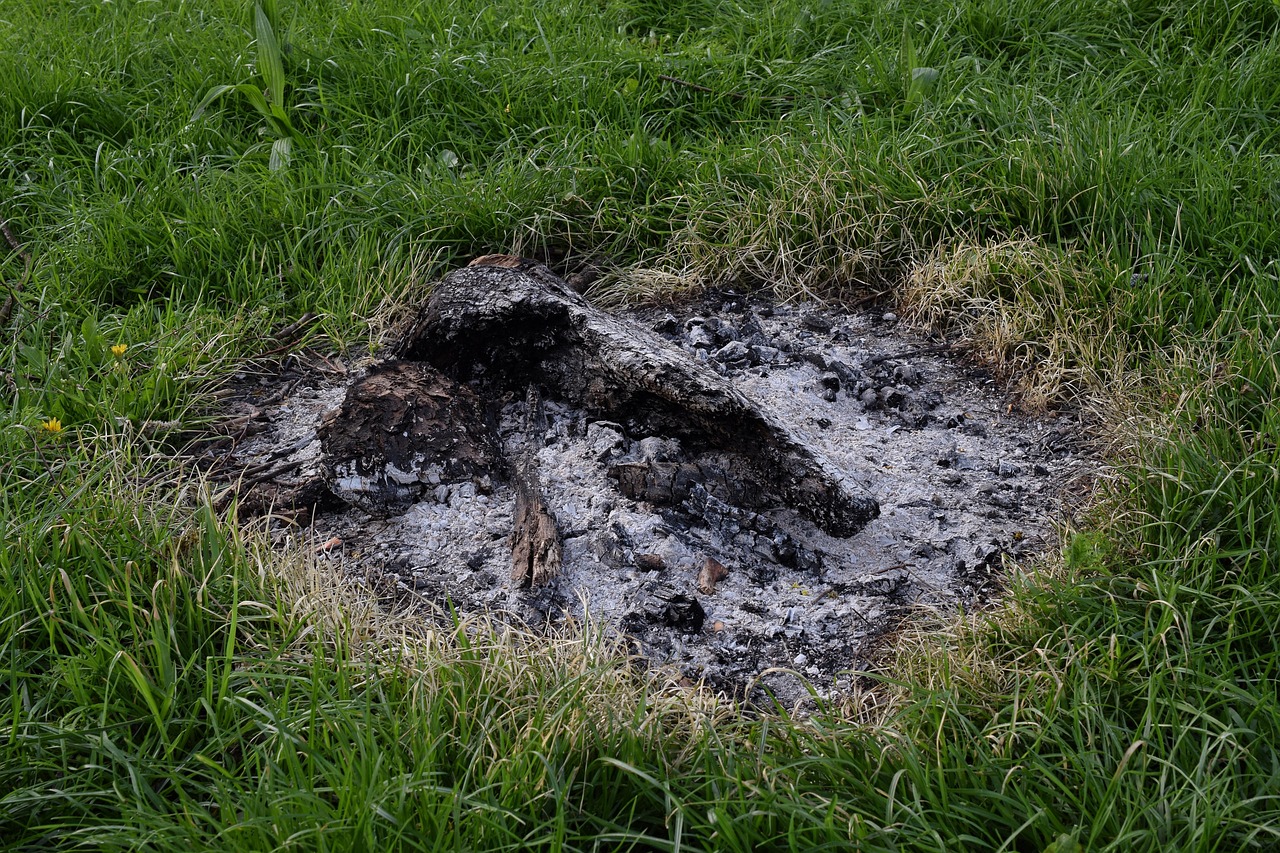
Even ashes that appear gray and harmless can harbor embers hot enough to ignite nearby materials. When tossed into paper bags, plastic bins, or placed too close to wood piles, a sudden burst of air can revive hidden embers, sparking a fire. Ashes can retain heat for many hours, sometimes even days, making premature disposal extremely risky. Always store them in a metal container with a tight-fitting lid and allow at least 24 hours for complete cooling. Proper handling ensures these seemingly harmless remnants never become a hidden household hazard.
2. Old or Overheated Extension Cords
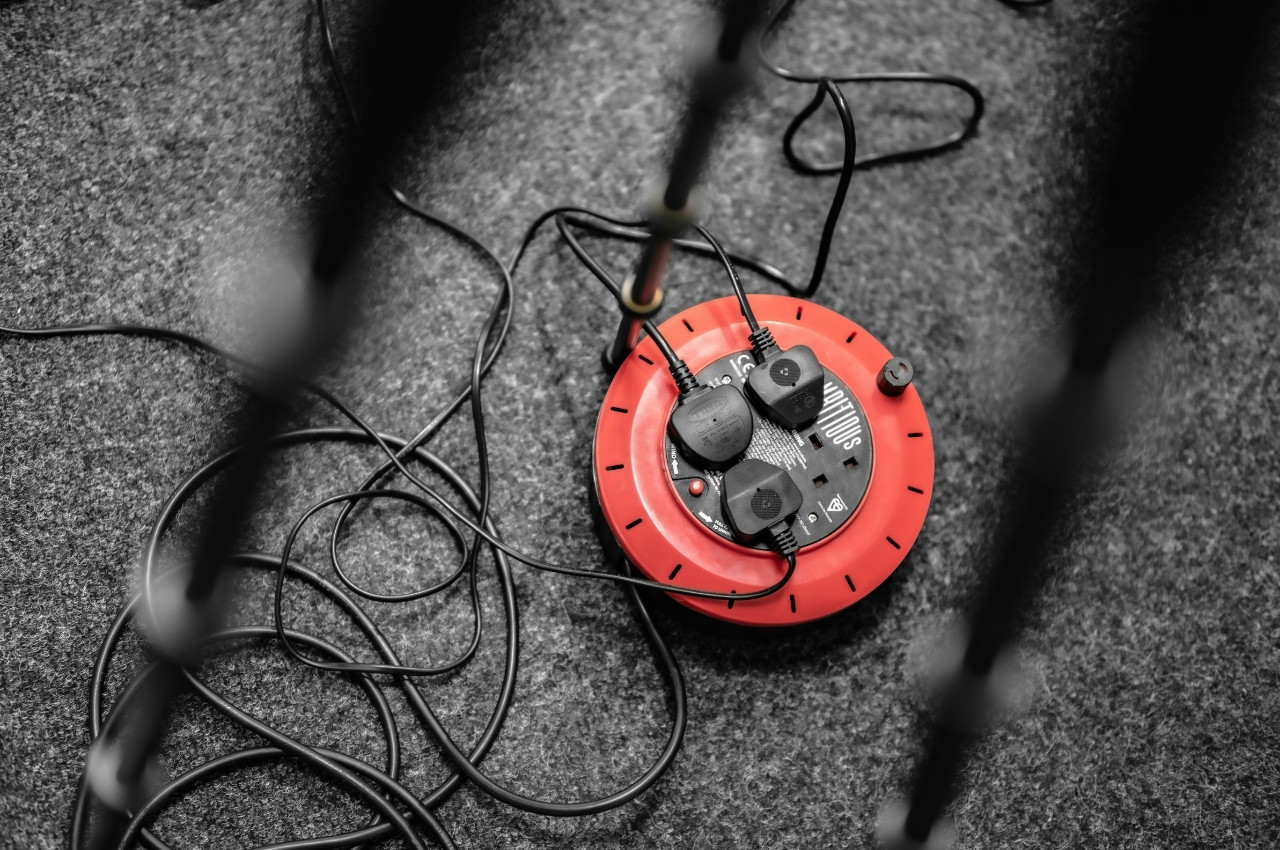
Old or overloaded extension cords can quietly become fire hazards because of how easily they overheat. When a device pulls more power than the cord is built for, the wires inside generate heat through resistance. Damaged insulation, frayed spots, or pest-chewed areas let that heat escape faster and reach nearby materials. Coiling the cord or running it under rugs traps warmth and speeds up overheating. With enough buildup, the outer casing can melt or spark. Using properly rated cords, keeping them uncoiled, and replacing worn ones prevents dangerous heat pockets from forming.
3. Lithium Ion Batteries
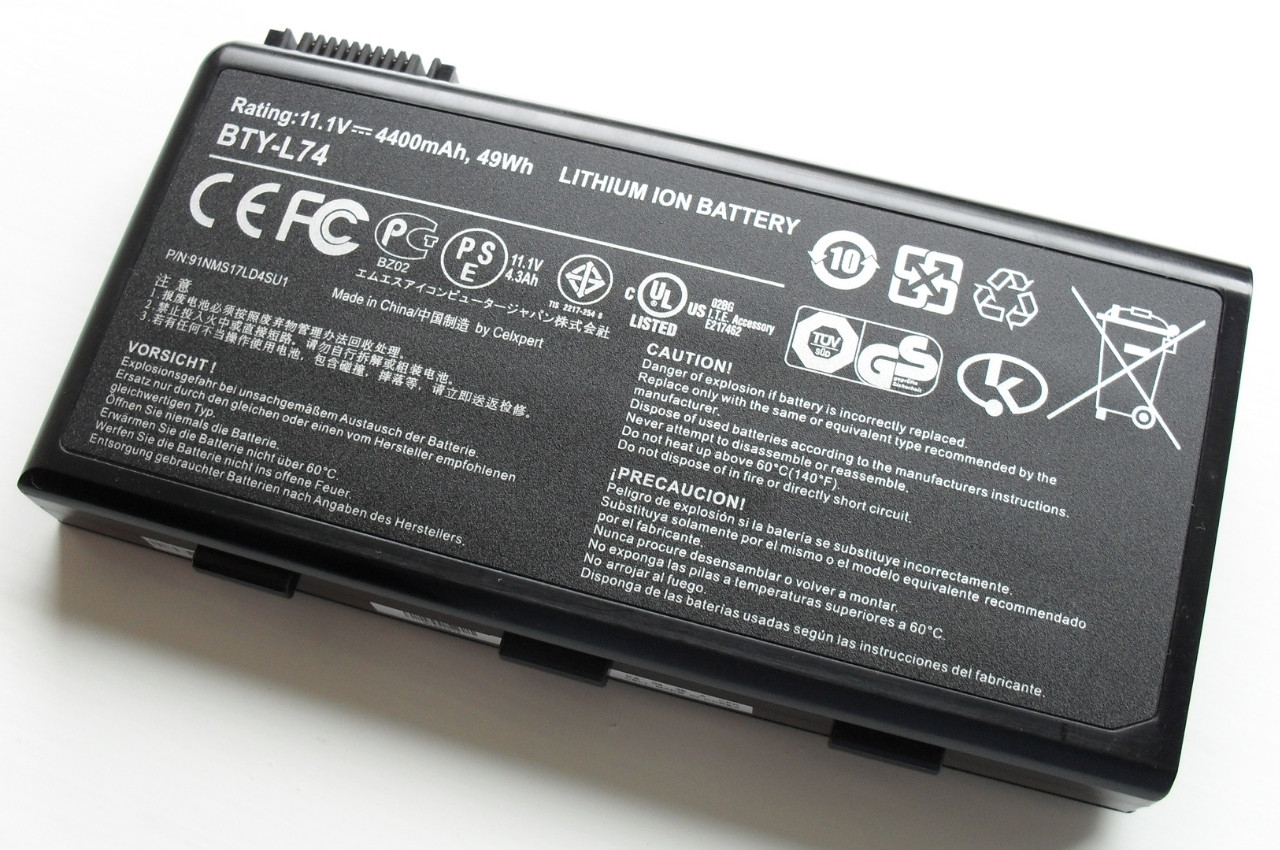
Lithium-ion batteries can become volatile when damaged, overcharged, or exposed to extreme heat, making them one of the most unpredictable household ignition sources. Inside these batteries are chemical components that react aggressively if the internal layers are punctured or overheated, leading to thermal runaway. Once this begins, the temperature rises rapidly and can cause the battery to burst into flames. Everyday items like phones, power banks, and cordless tools rely on these cells. Proper storage, charging, and avoiding physical damage greatly reduce the risk.
4. Household Compost
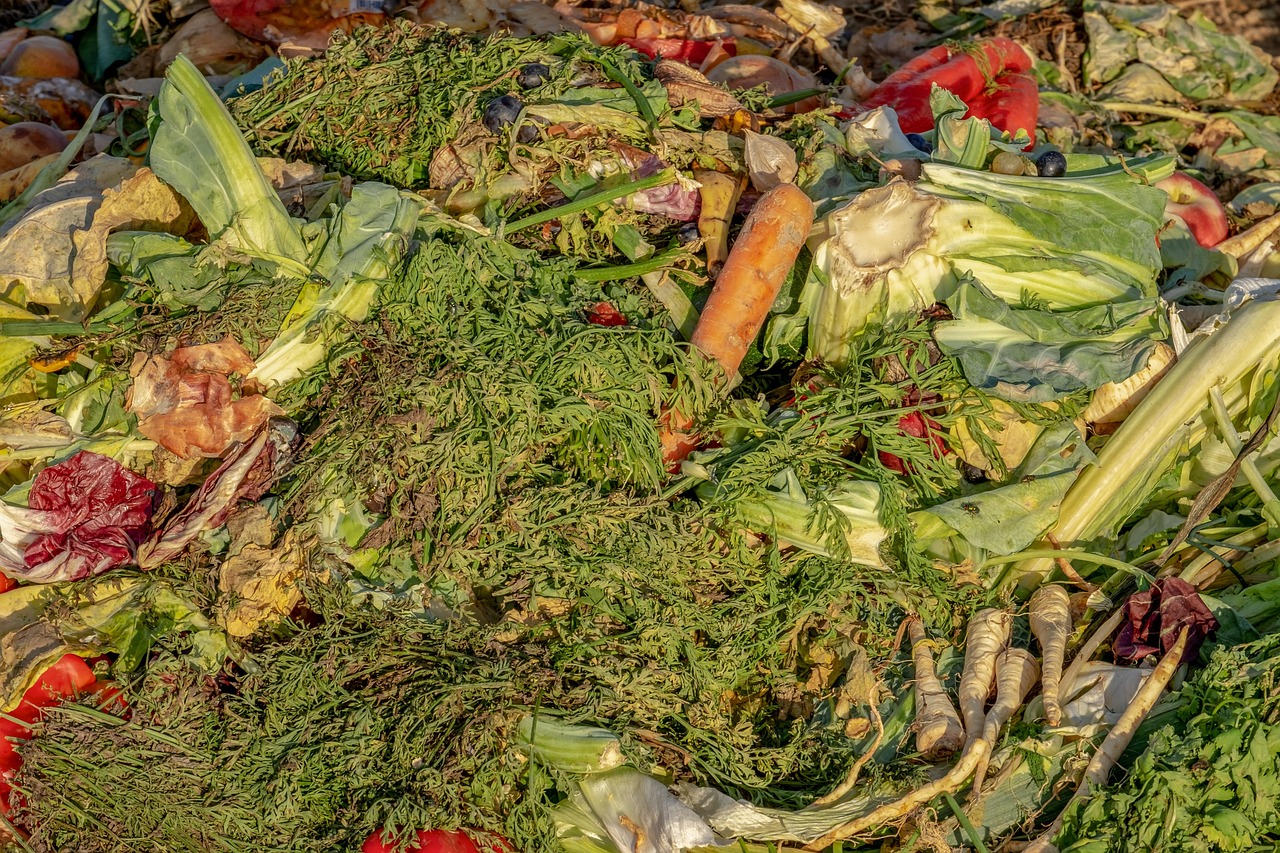
Household compost piles generate heat naturally as bacteria break down organic matter. When large amounts of grass clippings, food scraps, or yard debris are packed tightly, the internal temperature can rise well beyond what most people realize. Without moisture balance and ventilation, the center can grow hot enough to ignite dry material around it. This is more common in warm weather or in large outdoor bins where heat cannot escape. Turning the pile regularly keeps oxygen flowing and prevents dangerous hotspots from forming.
5. Old Newspapers and Magazines
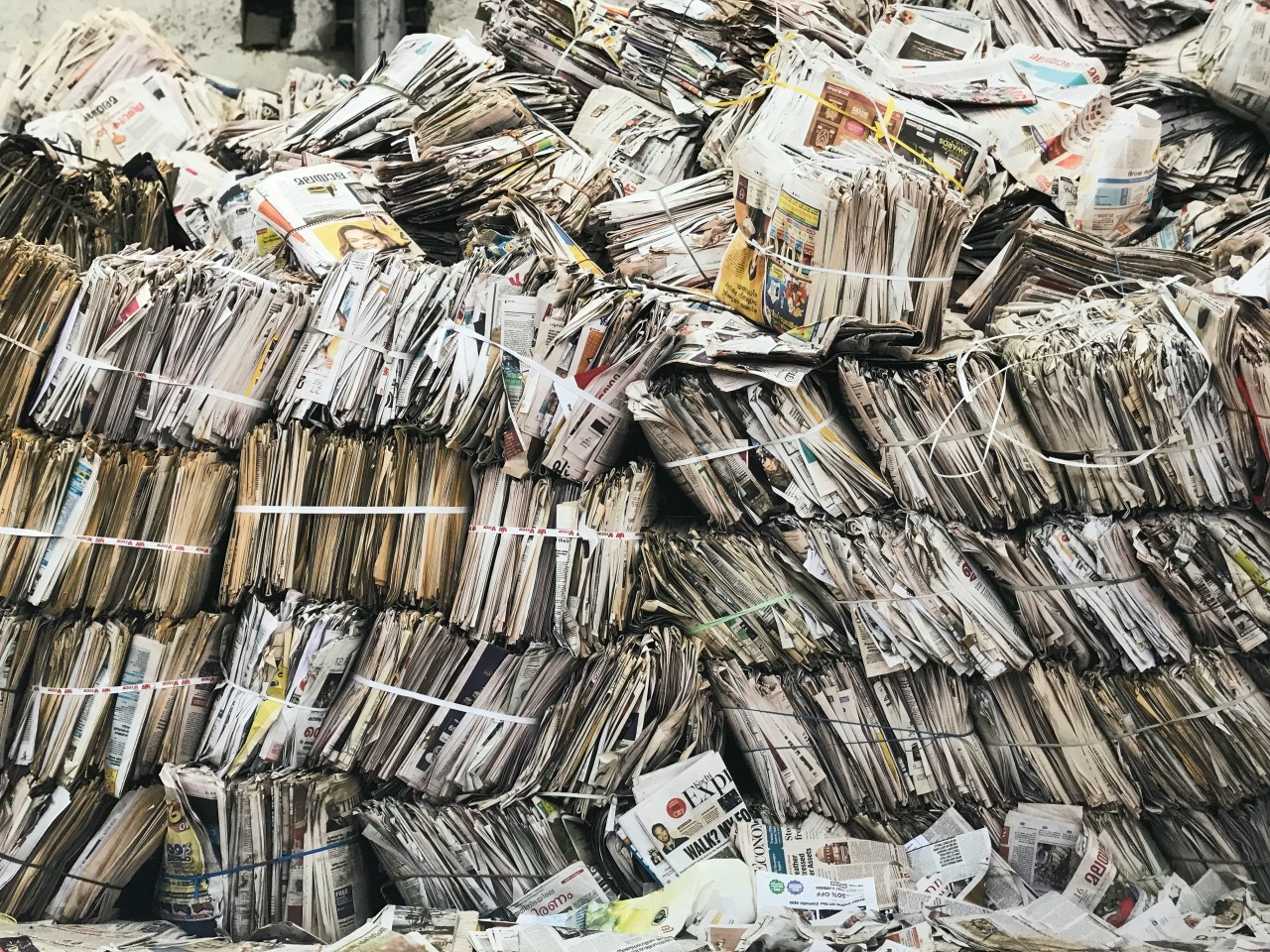
Stacks of old newspapers and magazines can quietly become a fire hazard when packed tightly. Over time, dust, oils from handling, and aging inks cause the paper fibers to break down and generate small amounts of heat. In warm or poorly ventilated areas like attics, garages, or closets, this heat can build up because it has nowhere to escape. If the pile is large enough, temperatures can reach the point of ignition without warning. Loosely stacking papers, recycling regularly, and keeping them in dry, ventilated spaces help prevent this hidden risk and keep your home safe.
6. Charcoal Briquettes
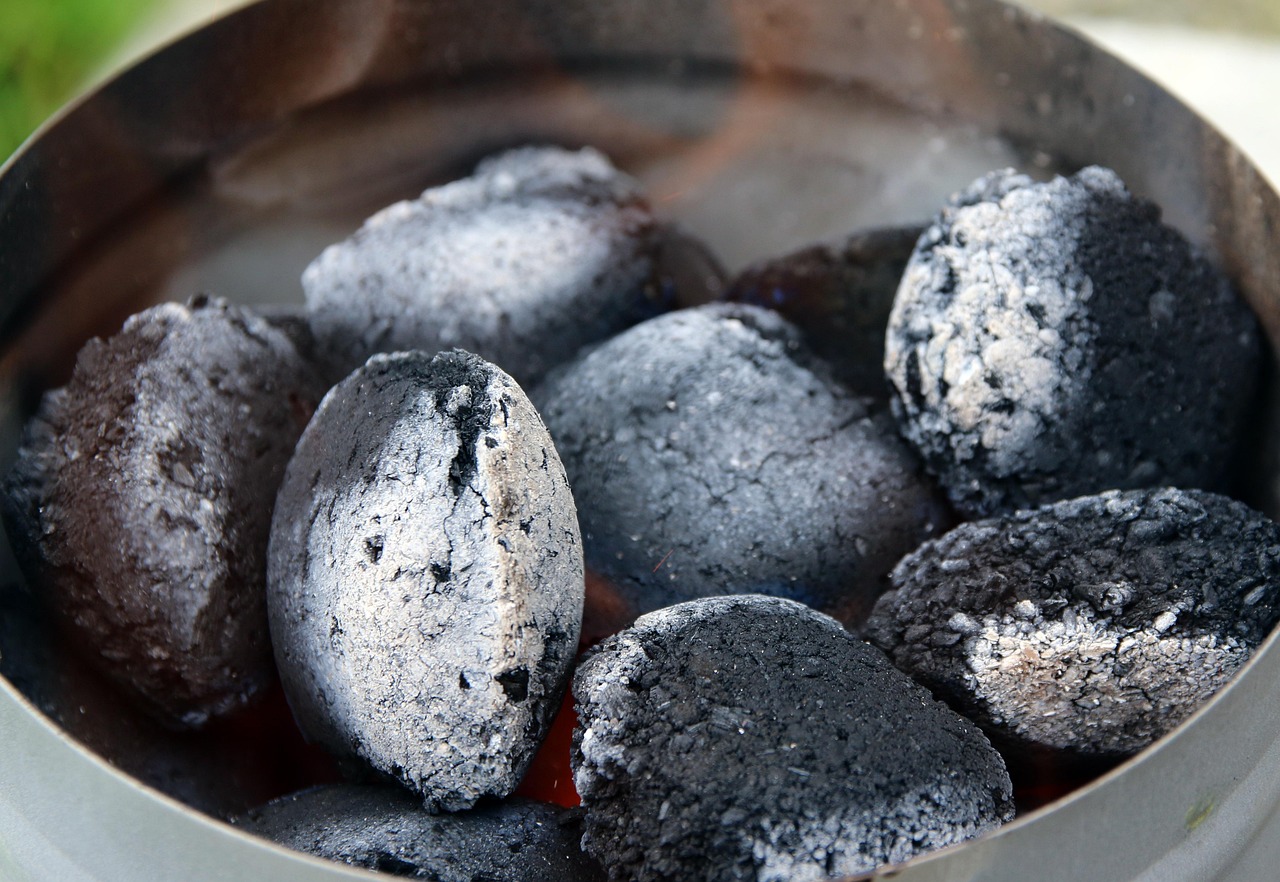
Charcoal briquettes can retain surprising amounts of heat even after they appear fully extinguished. When stored in a bag or placed in a confined area without airflow, that lingering warmth can spread to surrounding materials. Chimneys, paper bags, and wooden storage areas become vulnerable if briquettes are not completely cooled. Some fires start long after a cookout ends because the coals were moved too soon. Spreading briquettes out to cool fully before disposal ensures the heat dissipates safely.
7. Aerosol Cans
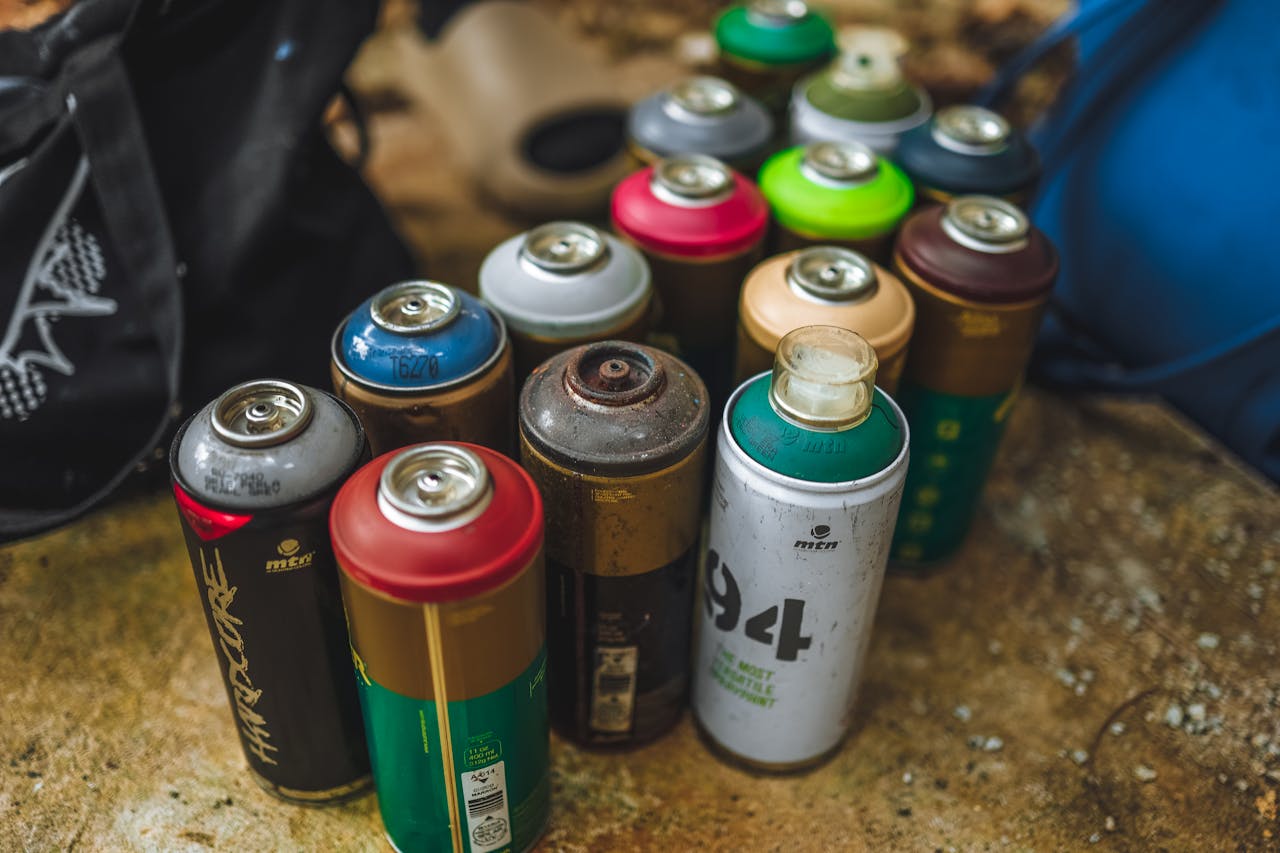
Aerosol cans are prone to pressure buildup when exposed to sunlight or heat, turning everyday products into potential fire starters. The combination of pressurized contents and flammable propellants makes them sensitive to temperature changes. If the can overheats, it can burst or release its contents forcefully, creating an ignition source. This is why storage guidelines emphasize cool, shaded areas. Keeping aerosol cans away from appliances, vehicles, or windows prevents the pressure from climbing unnoticed.