
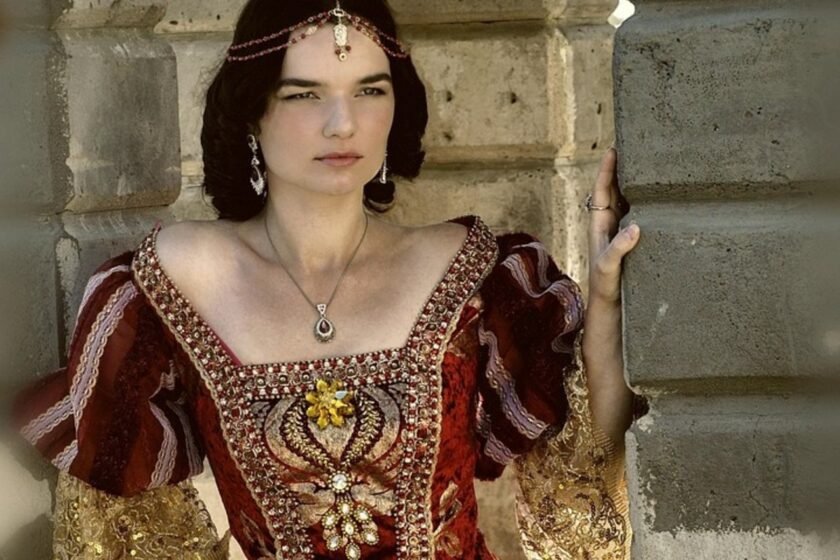
Behind every ghost story and chilling Halloween legend lies a kernel of truth, often rooted in real people whose actions or lives were far more terrifying than any fiction. From ruthless nobles and infamous criminals to haunted townsfolk and merciless enforcers of the law, these historical figures left a mark on society that inspired enduring tales of fear. Their lives reveal how cruelty, tragedy, and superstition combined to create the monsters, specters, and legends we still celebrate every October.
1. Vlad the Impaler
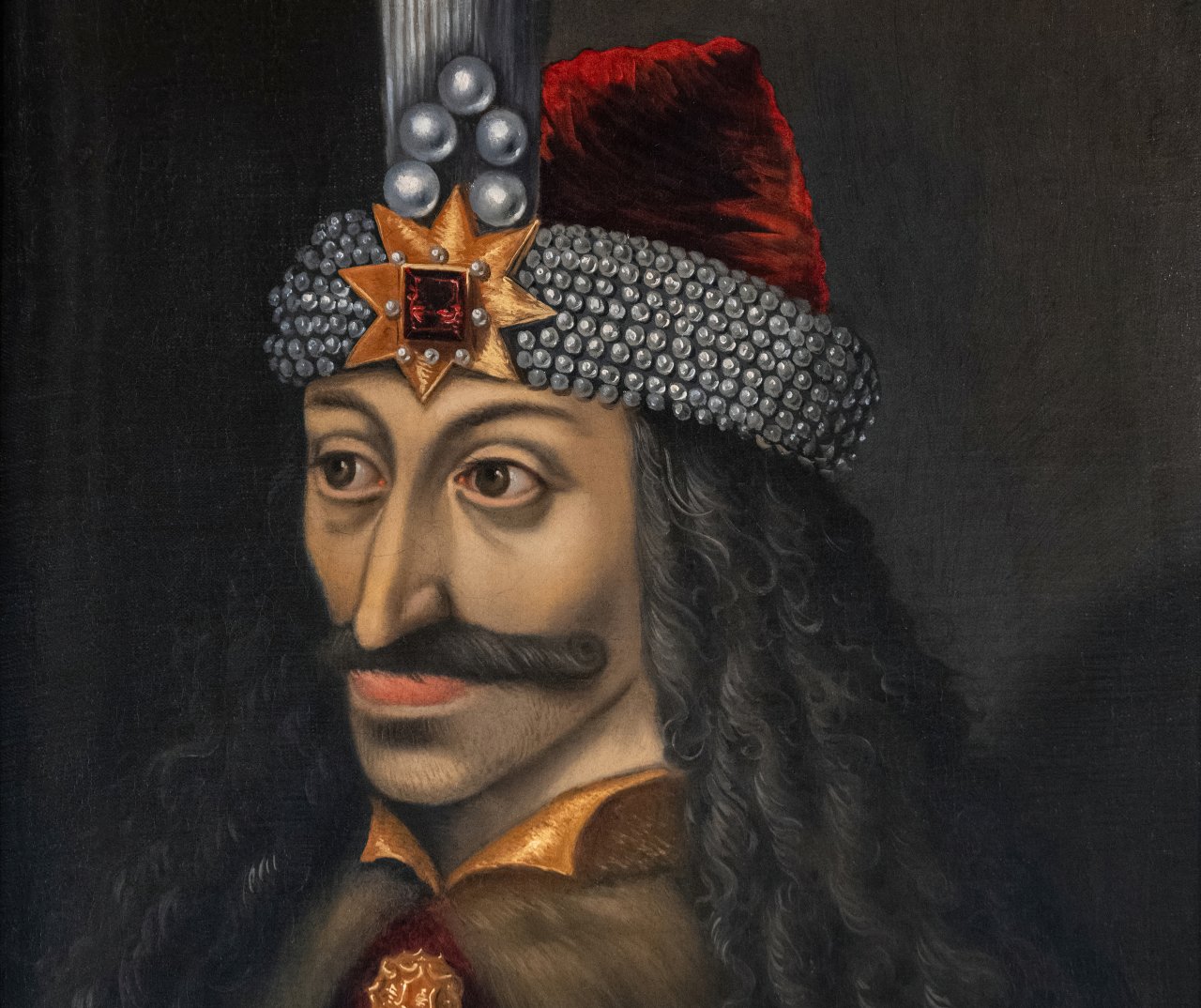
Vlad III of Wallachia lived in a brutal age and chose brutality as a tool of rule. His frequent use of impalement and harsh punishments aimed to deter invaders and enforce order in a fractured borderland, but the scale and spectacle of his violence made him notorious across Europe. Over centuries, travel tales and folklore folded his reputation into darker imaginings, and Victorian fiction transformed historical terror into the vampire archetype. The result is a figure who remains rooted in real political struggle yet is recast into myth.
2. Elizabeth Báthory
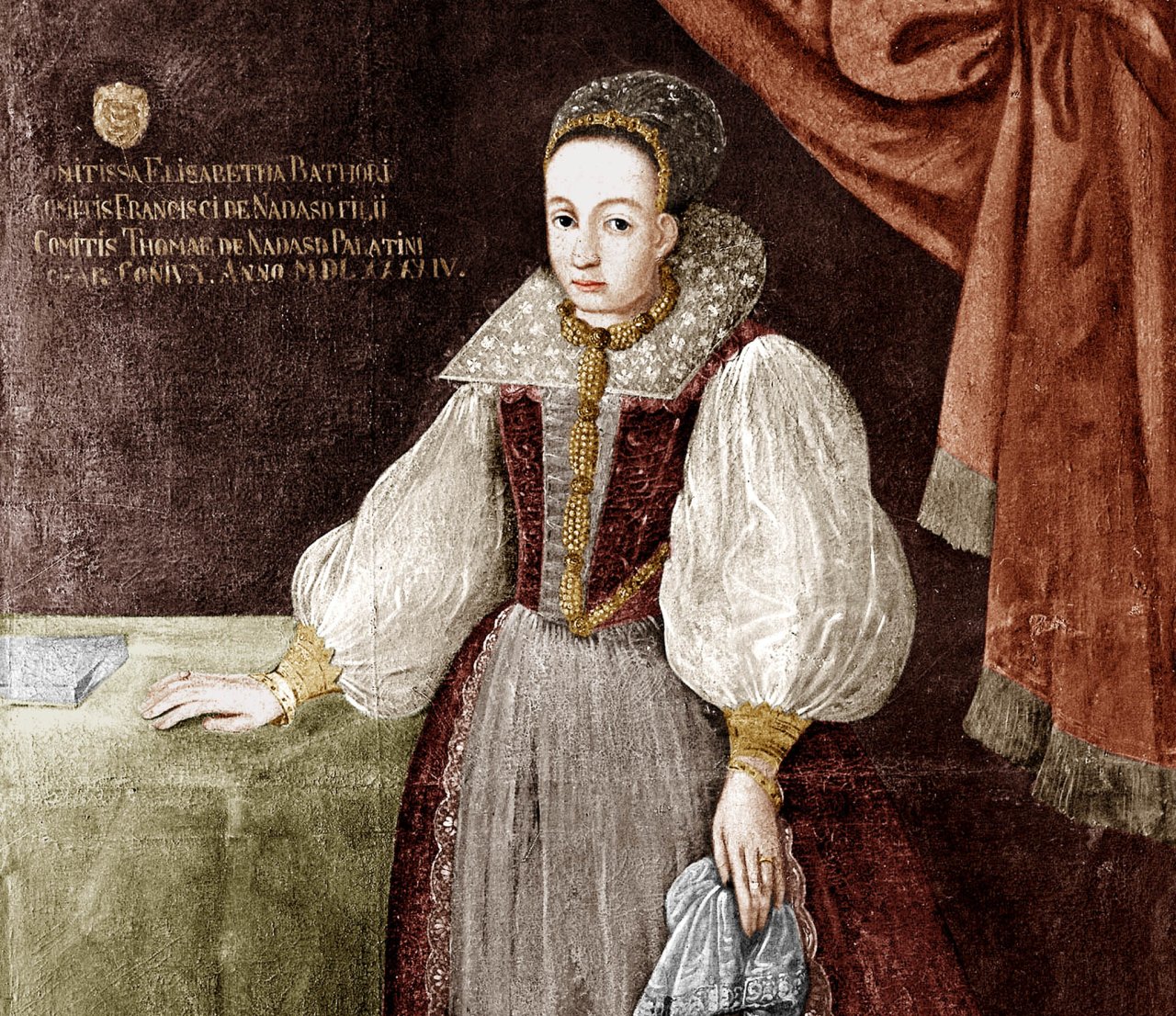
Elizabeth Báthory’s story mixes documented criminal accusations with rumor, producing one of history’s most enduring portraits of monstrous nobility. A powerful Hungarian noblewoman, she was accused in the early 1600s of torturing and killing young women. The sensational nature of the allegations, combined with her wealth and gender, amplified public horror and later legend. Whether every claim stands up to modern scrutiny is debated, but the image of a blood-obsessed countess shaped countless Gothic tales and influenced the portrayal of female villainy in horror.
3. Gilles de Rais
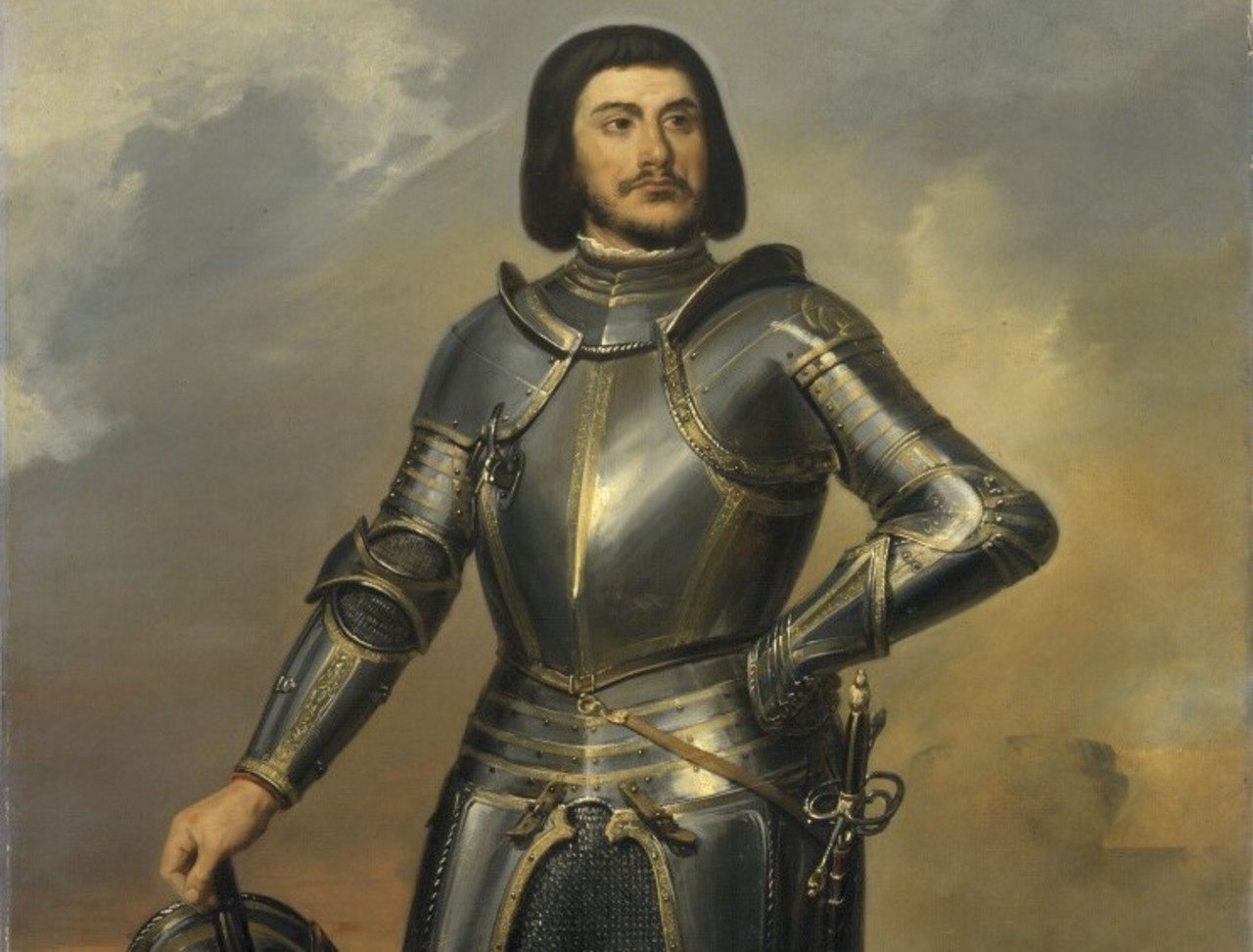
Gilles de Rais began as a celebrated military leader and companion of Joan of Arc, but ended in a scandalous trial and execution. Accused of horrific crimes against children and alleged occult practices, his fall was dramatic and public, blending legal record with lurid rumor. Historians debate the extent and motives behind the accusations, but his case shows how power and wealth can shelter dark behavior until political, social, or legal pressure exposes it. Over time, his life became a template for monstrous tales that blur history and moral panic.
4. Mercy Brown
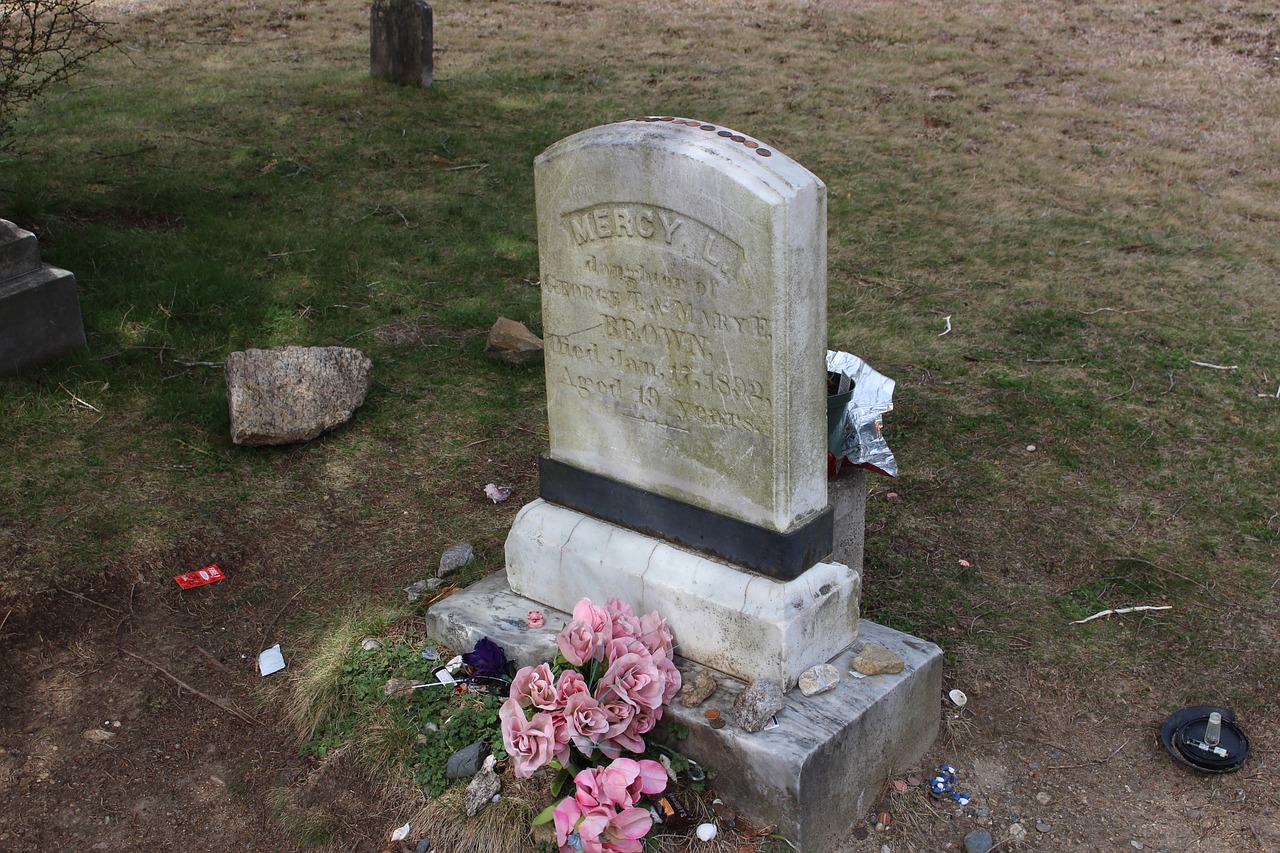
Mercy Brown’s death in 1892 became a focal point for New England fears about disease and the supernatural. When members of her Rhode Island community blamed presumed vampirism for a tuberculosis outbreak, they exhumed her body and performed a grisly folk remedy meant to stop the spread. The episode highlights how medical ignorance, grief, and desperate attempts to explain contagious illness can generate haunting rituals. Mercy’s story remains a stark example of how ordinary tragedy can be transformed into enduring folklore and public myth.
5. George Corwin
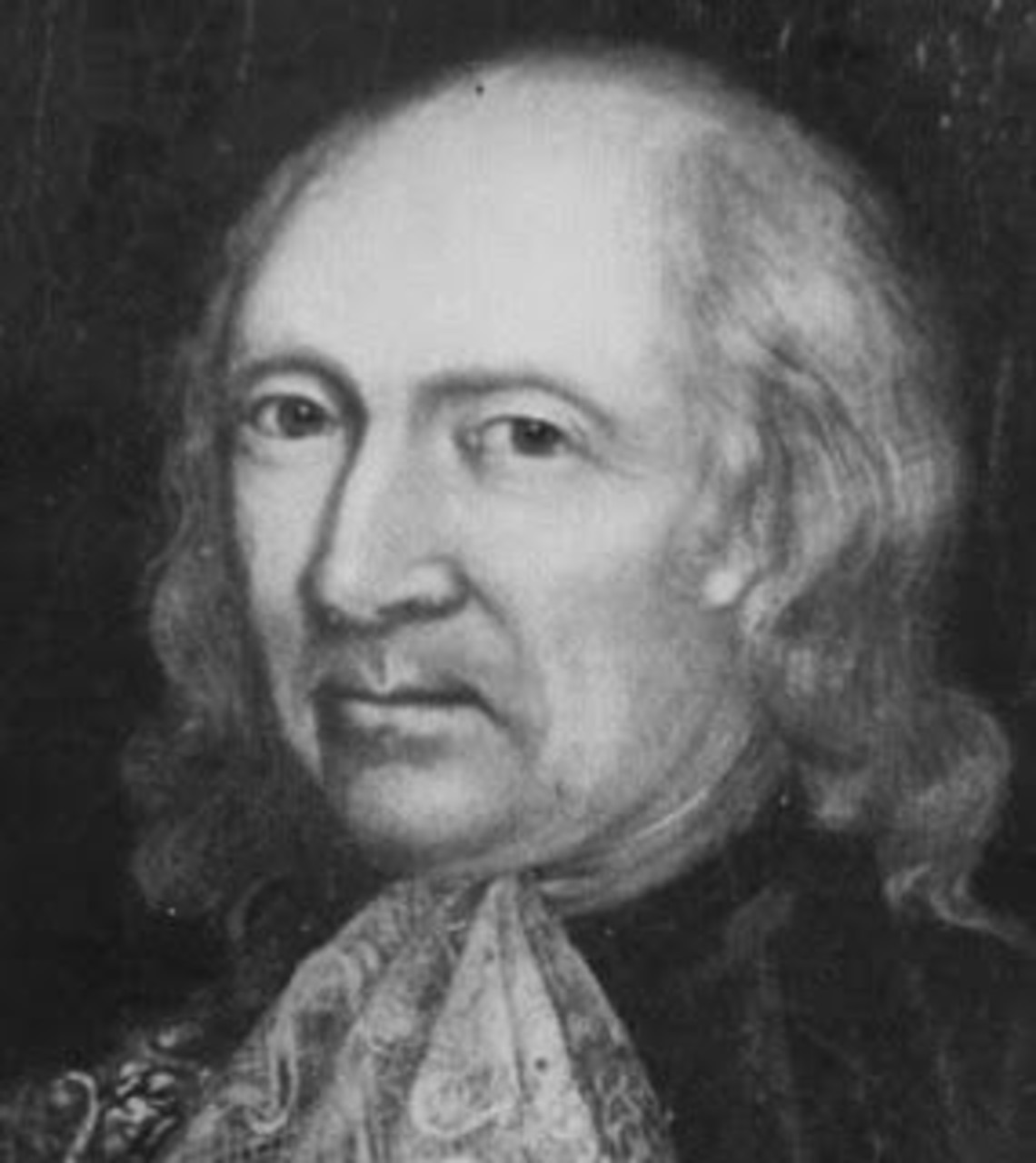
George Corwin, the executor and marshal associated with the Salem witch trials, became infamous for the harshness associated with arrests and the jailing of accused people. His role during the 1692 events and his reputation for severity fed local resentment and later ghost stories that cast him as a sinister figure. Corwin’s life and death demonstrate how officials who wield coercive power can become focal points for community dread, and how real political actions can morph into spectral narratives that linger long after the events themselves.
6. Madame Delphine LaLaurie
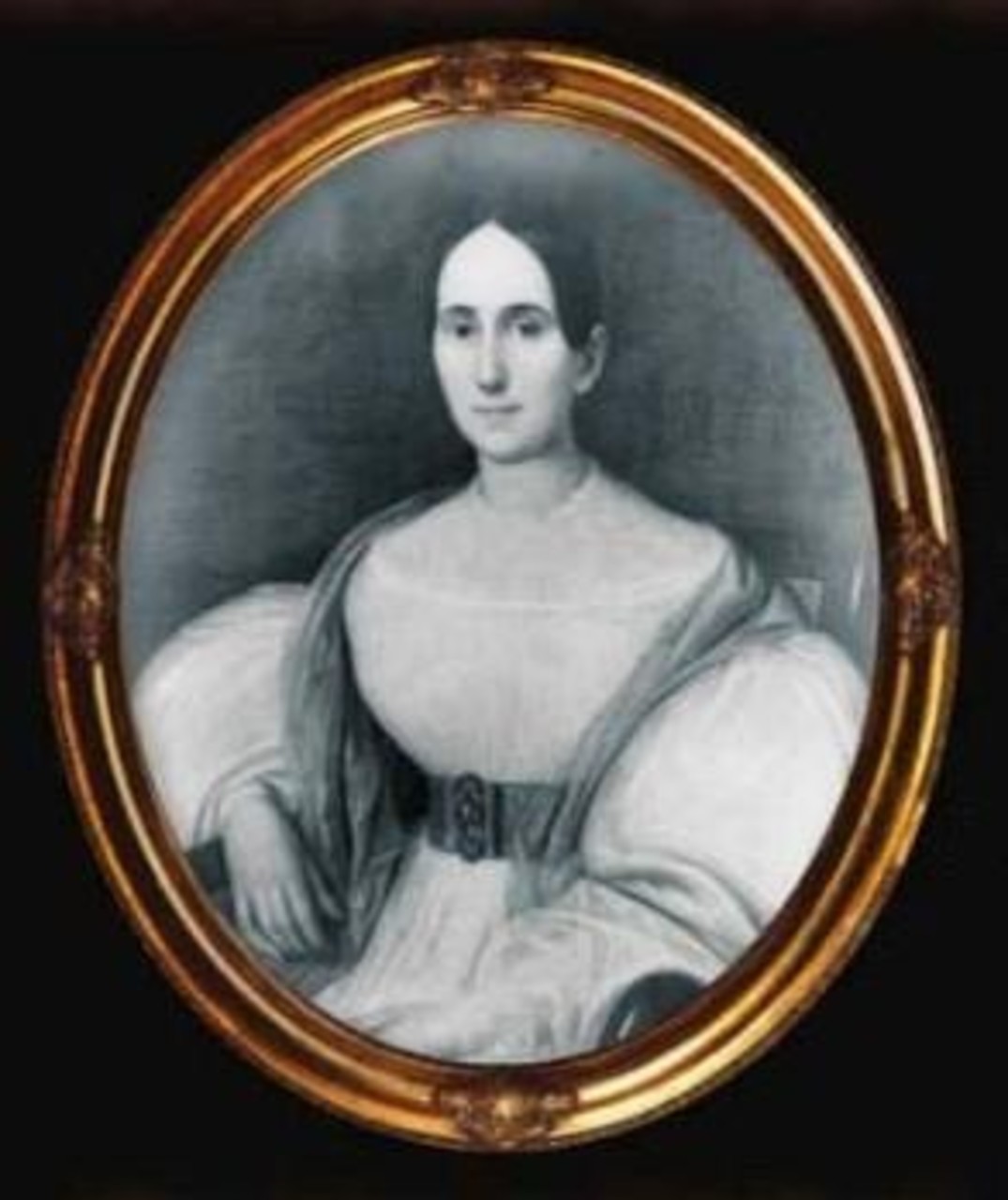
Delphine LaLaurie’s name is bound to one of New Orleans’ darkest scandals. In 1834, a fire revealed horrific abuse of enslaved people in her mansion, sparking public outrage and a reputation for cruelty that forced her flight from the city. The gruesome details and her social prominence made the story especially resonant, and over time, accounts of her actions acquired supernatural overtones. LaLaurie’s legacy sits at the intersection of real violence, social hypocrisy, and the way communities translate atrocity into cautionary legend.
7. The Bell Witch
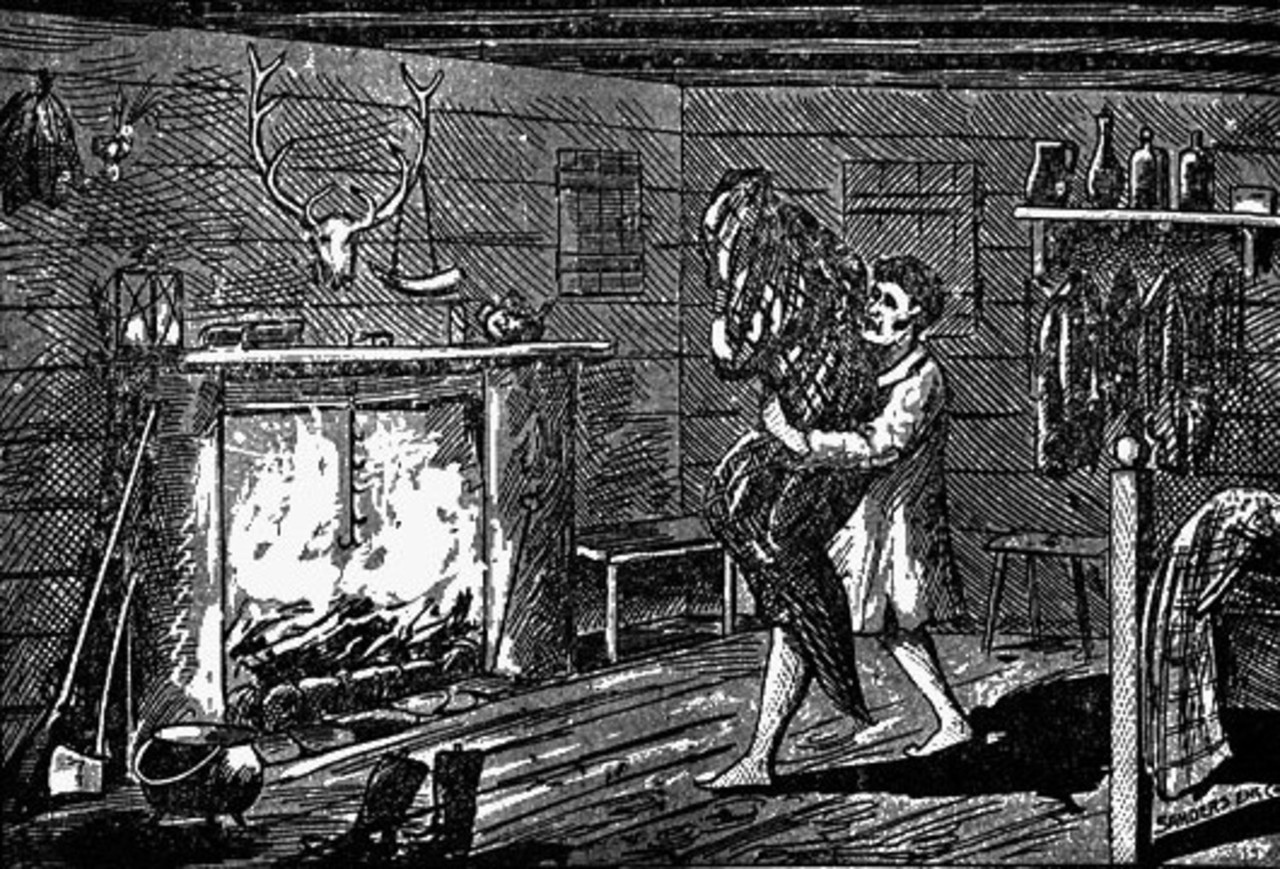
The Bell Witch haunting in early 19th-century Tennessee stands out because it was recorded by numerous witnesses in a single community, giving the tale unusual documentary weight for American folklore. The Bell phenomenon included voices, physical assaults, and household disturbances that a family and neighbors described over several years. Interpretations range from prank or mass psychogenic illness to unexplained phenomena, but the documented, sustained nature of the events turned the Bell story into one of the nation’s most persistent haunting narratives and a staple of Halloween lore.