

The Titanic disaster has fascinated the world for more than a century, inspiring countless movies, books, and stories. Yet many widely held beliefs about the ship are misleading, shaped by exaggeration, misremembered accounts, or legend. Tales of lifeboat drama, heroic musicians, and remarkable engineering have entered popular imagination, often overshadowing the truth. Exploring these myths reveals a more accurate and often surprising story of the ship, its passengers, and the night it sank, showing how history can be reshaped by memory, media, and the human desire for drama.
1. The Titanic Was Called Unsinkable
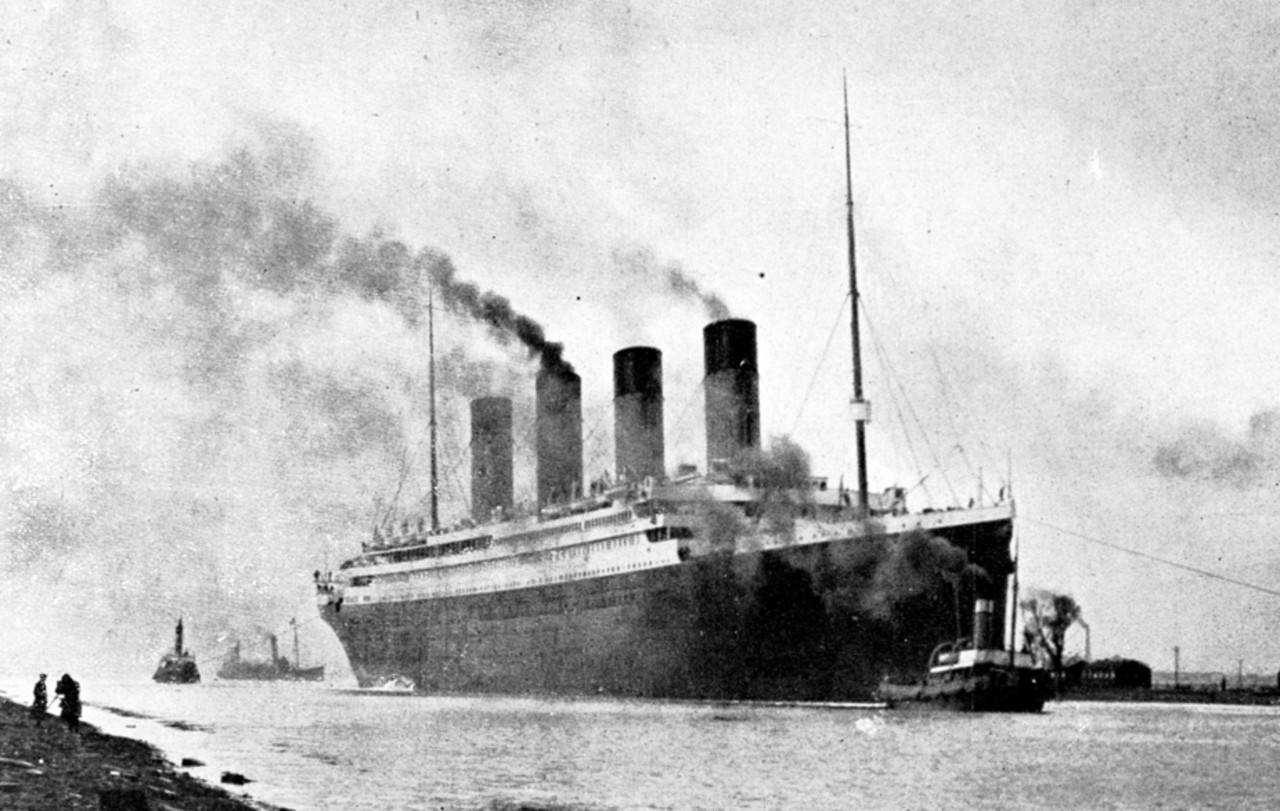
Many believe the Titanic was officially labeled “unsinkable,” but the truth is more nuanced. Shipbuilders and promotional materials described her as “practically unsinkable,” emphasizing the safety of her watertight compartments. The myth of absolute invincibility grew after the disaster, fueled by media reports and public perception. While the ship was state-of-the-art, it was not impervious, and exaggerations of its safety contributed to the lasting legend surrounding its tragic fate.
2. Third-Class Passengers Were Locked Below
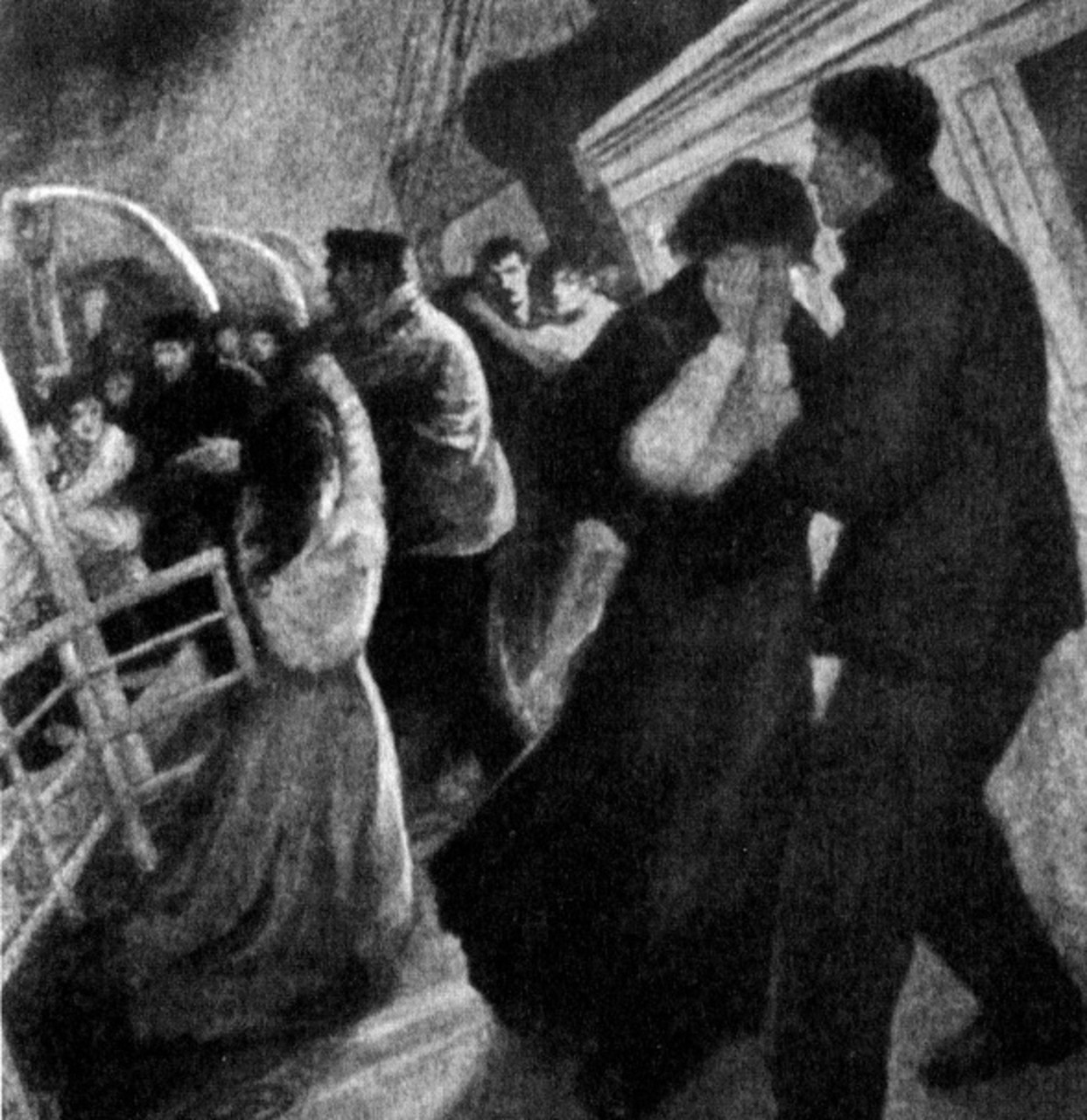
It is often thought that third-class passengers were deliberately trapped below decks, yet the reality is more complex. Gates were separated due to immigration rules, but many were opened during the evacuation. Lower survival rates in third class were largely due to their location on the ship and limited direct access to lifeboats. Confusion, unfamiliar layouts, and language barriers added to delays, but there was no coordinated effort to keep them from safety, contrary to popular belief.
3. The Band Played “Nearer, My God, to Thee”
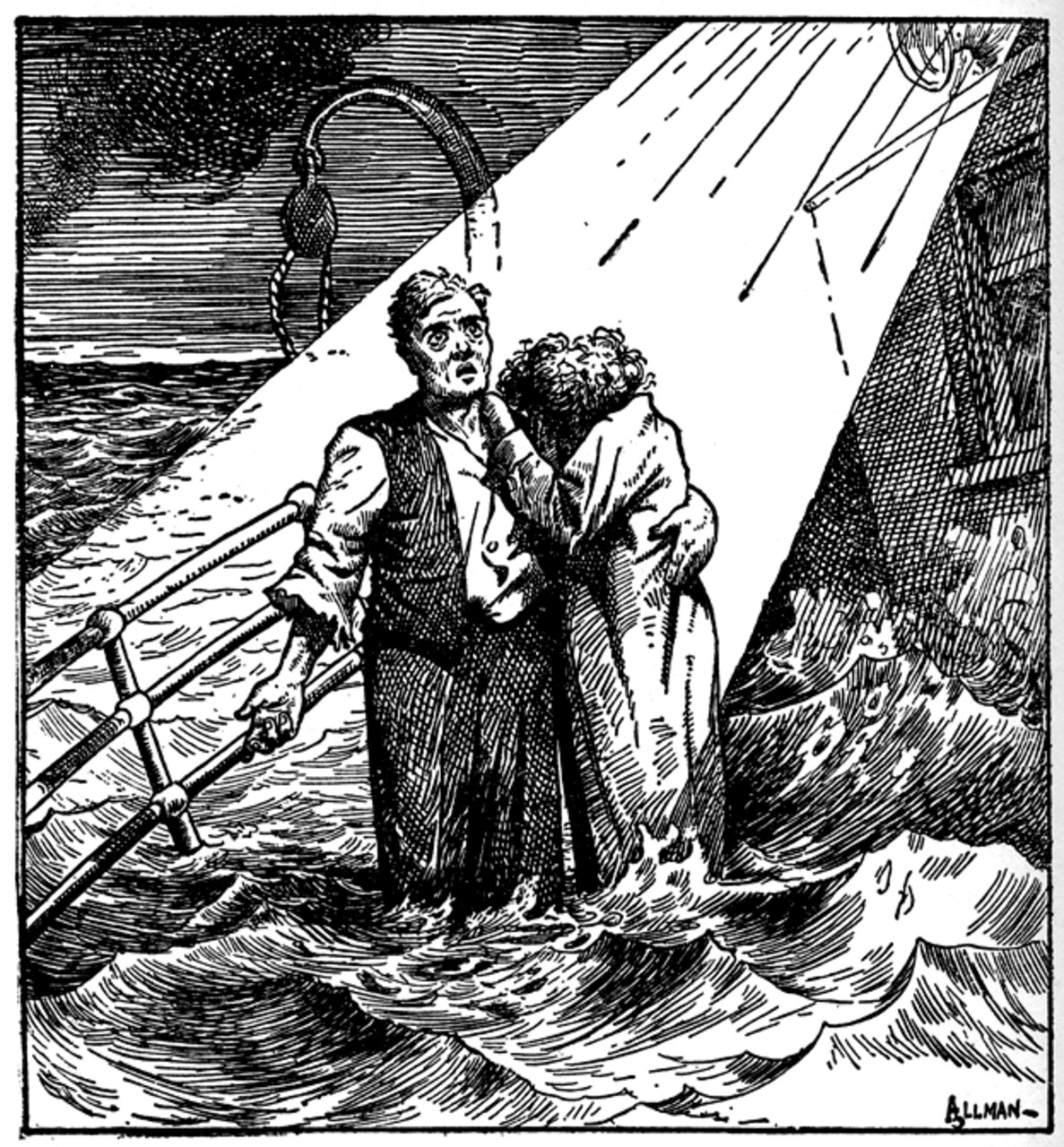
One of the Titanic’s most enduring images is its band playing music as the ship went down, often said to be “Nearer, My God, to Thee.” Survivor accounts, however, differ; some recalled that hymn, while others heard tunes like “Autumn.” What is certain is the musicians’ courage. They played continuously to calm passengers amid chaos and fear, delaying their own escape. This story resonates not because of the exact song, but because it captures extraordinary bravery, selflessness, and humanity during one of history’s most tragic nights.
4. The Titanic Sank in One Piece
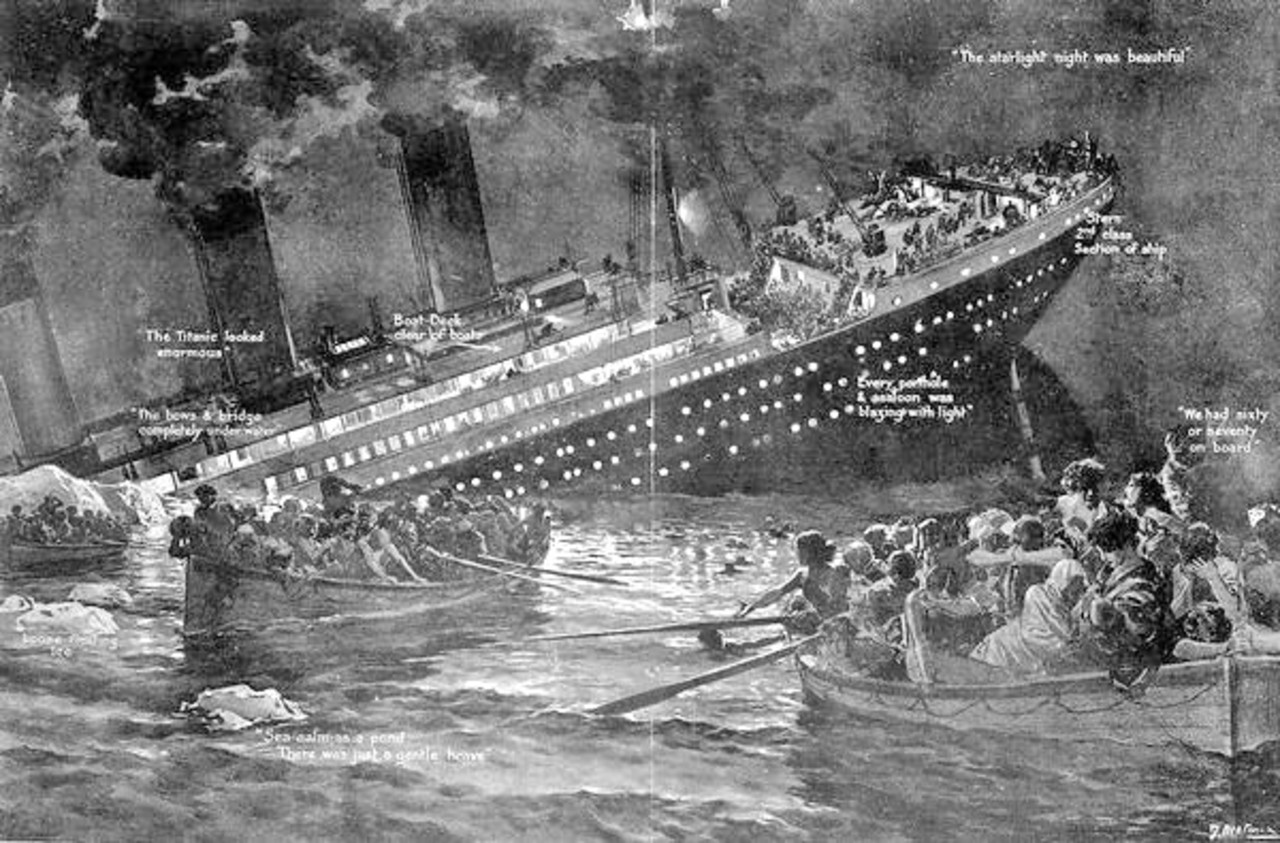
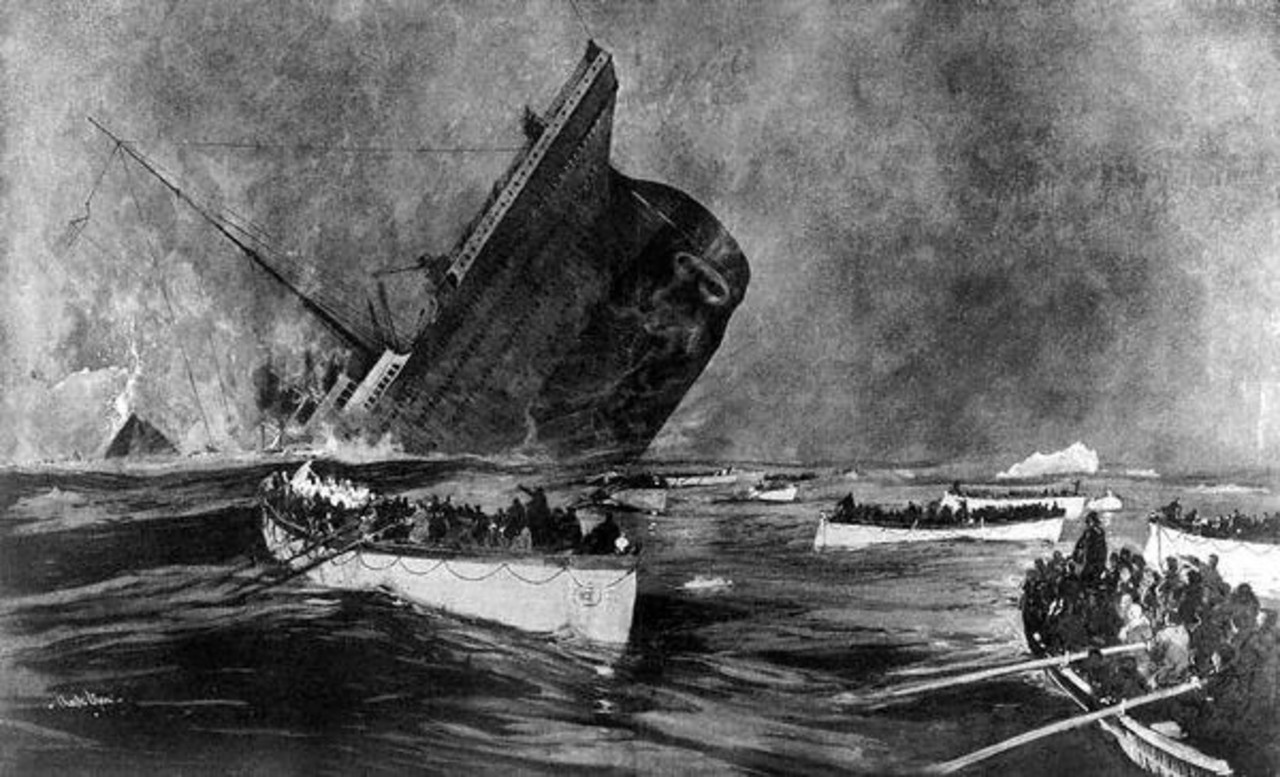
For decades, many believed the Titanic sank in one piece, but when the wreck was discovered in 1985, it became clear the ship had split into two massive sections before reaching the ocean floor. The break likely occurred just above the waterline as the bow plunged, putting enormous stress on the structure. This dramatic separation reshaped how experts understand the ship’s final moments, showing the immense forces at play. Imagining the Titanic breaking apart adds a tragic and striking perspective to its already heart-wrenching story.
5. Lifeboats Were Half-Empty Because of Class Bias
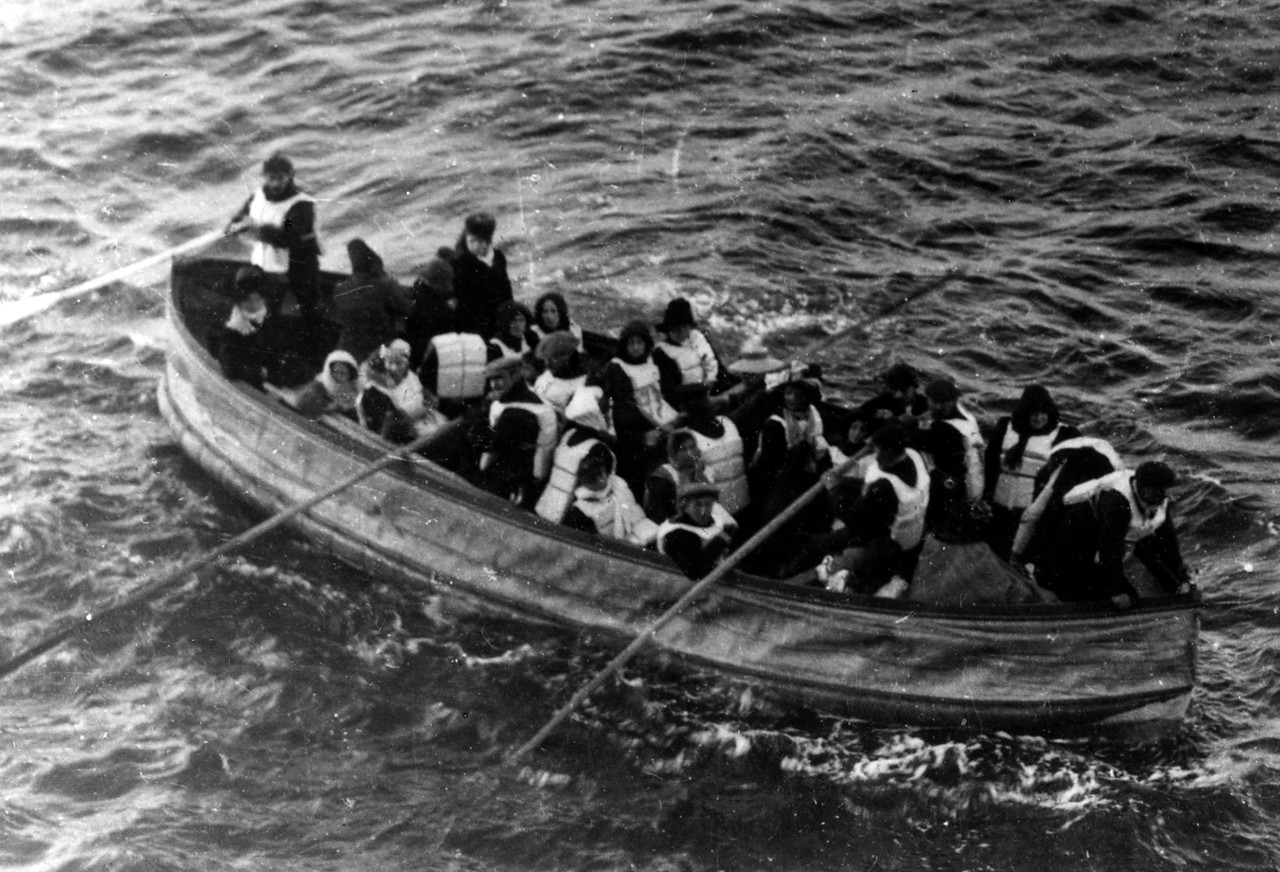
A common myth suggests that lifeboats were left half-empty due to discrimination against lower-class passengers. In reality, hesitancy from passengers, confusion, and poor training contributed more to underfilled boats than deliberate bias. Crew members sometimes launched lifeboats before they were full, fearing instability. Social class played a role in survival rates, but the main causes of empty seats were human error, lack of clear instructions, and disbelief in the ship’s imminent danger.
6. The Titanic Ignored Ice Warnings
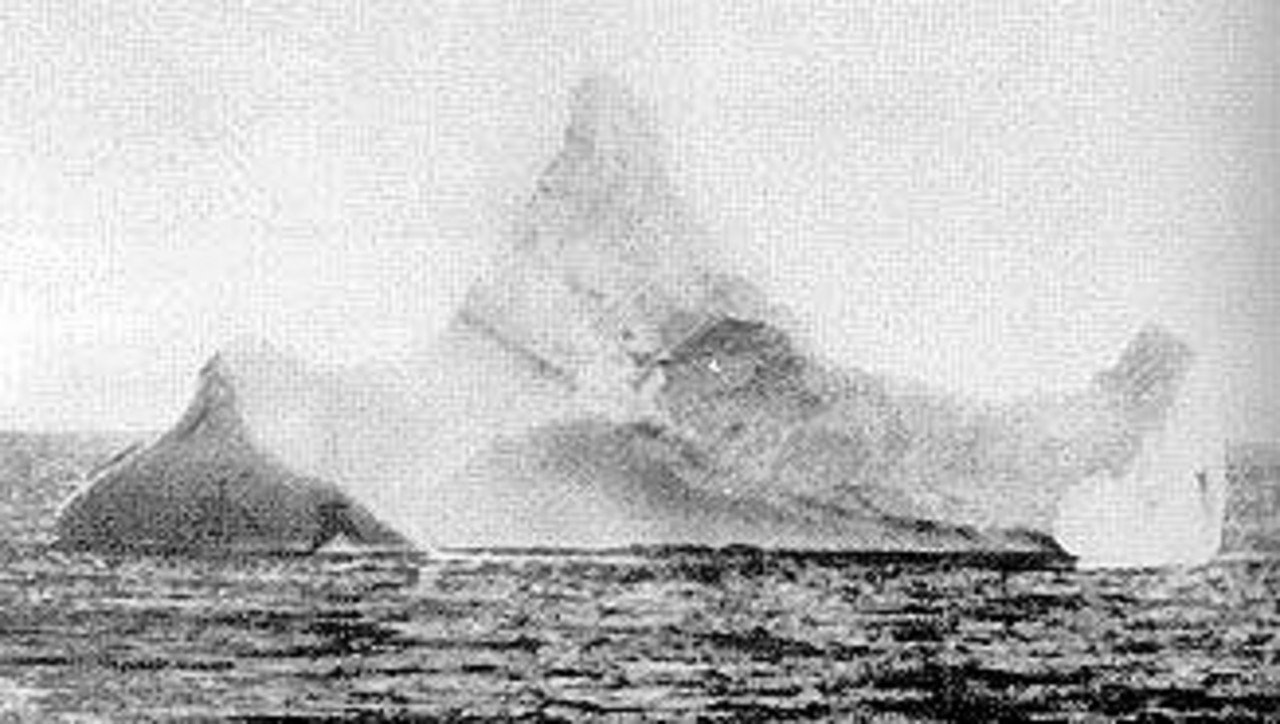
It is widely claimed that the Titanic recklessly ignored iceberg warnings, yet the situation was typical for transatlantic crossings in 1912. The ship received multiple alerts, and these were passed to the bridge. The Titanic maintained its normal speed, as icebergs were a common hazard and slowing down was not standard procedure. Hindsight makes this appear negligent, but the crew’s response aligned with maritime practices of the era. The iceberg collision was tragic, but not the result of deliberate recklessness.
7. The Titanic’s Fire Sealed Its Fate
A lesser-known theory suggests a coal fire weakened the Titanic before its iceberg collision. While a fire burned in one of the coal bunkers, it was managed by the crew and was not unusual for steamships of the time. Investigations confirm that the iceberg caused the sinking. The fire may have slightly affected operations, but it was not a decisive factor. The myth likely persists because it offers a simple, dramatic explanation for disaster, though the real story lies in the combination of ice, ship design, and human error.