

Coffee shops once felt like the world’s coziest constants, the places we slipped into for comfort, connection, and a reliable cup. But behind the familiar aroma of roasted beans, several well-known chains have been quietly tightening their footprints. Rising labor costs, expensive leases, shifting consumer habits, and fierce competition from smaller specialty cafés have pushed these brands to rethink where and how they operate. What follows is a closer, welcoming look at the coffee chains scaling back and why the landscape is changing in ways many customers never noticed.
1. Starbucks
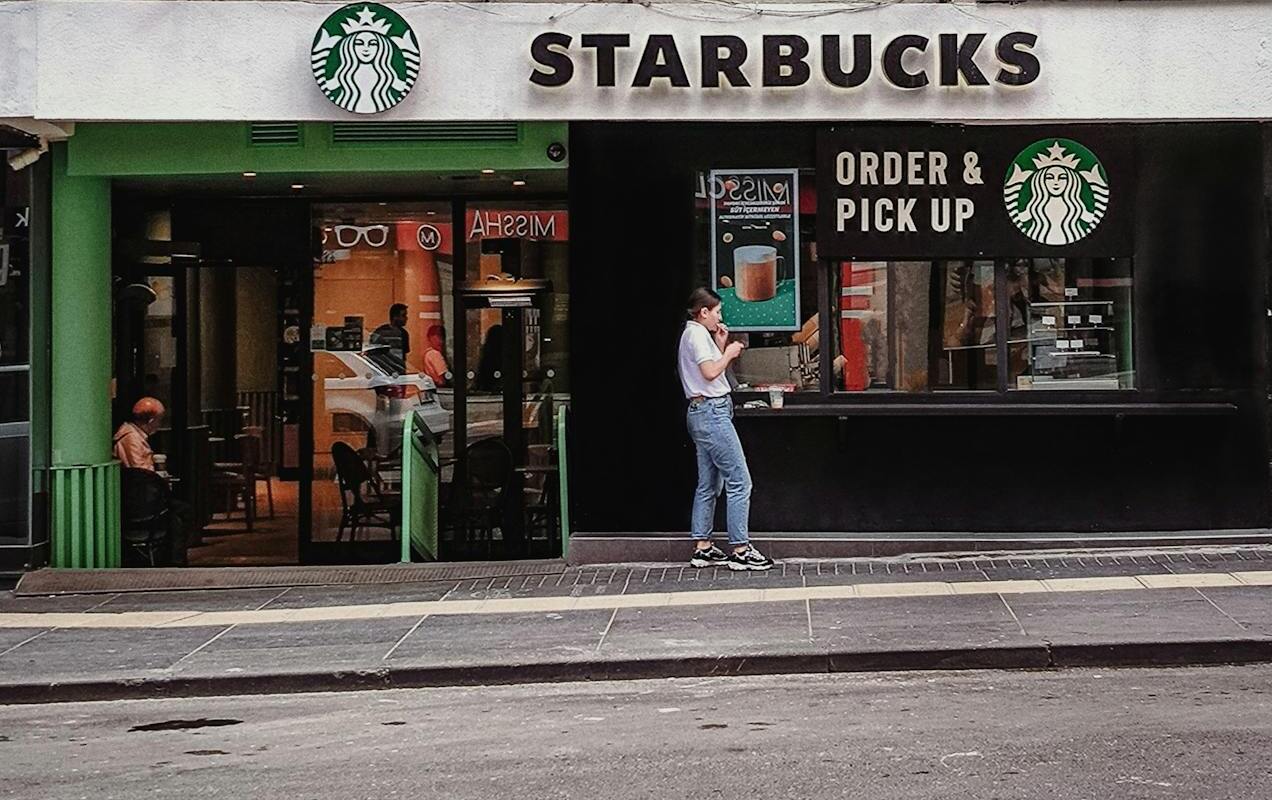
What once felt like an unstoppable global giant is now learning to slow its pace. Starbucks has been closing select underperforming stores, especially in high-rent urban centers where operating costs have surged. Some closures are tied to safety concerns, while others reflect shifting customer habits as more people rely on mobile orders rather than in-café visits. The company continues investing in drive-thru formats and suburban locations, choosing quality over quantity. While Starbucks remains dominant, its footprint is being carefully reshaped.
2. Dunkin’
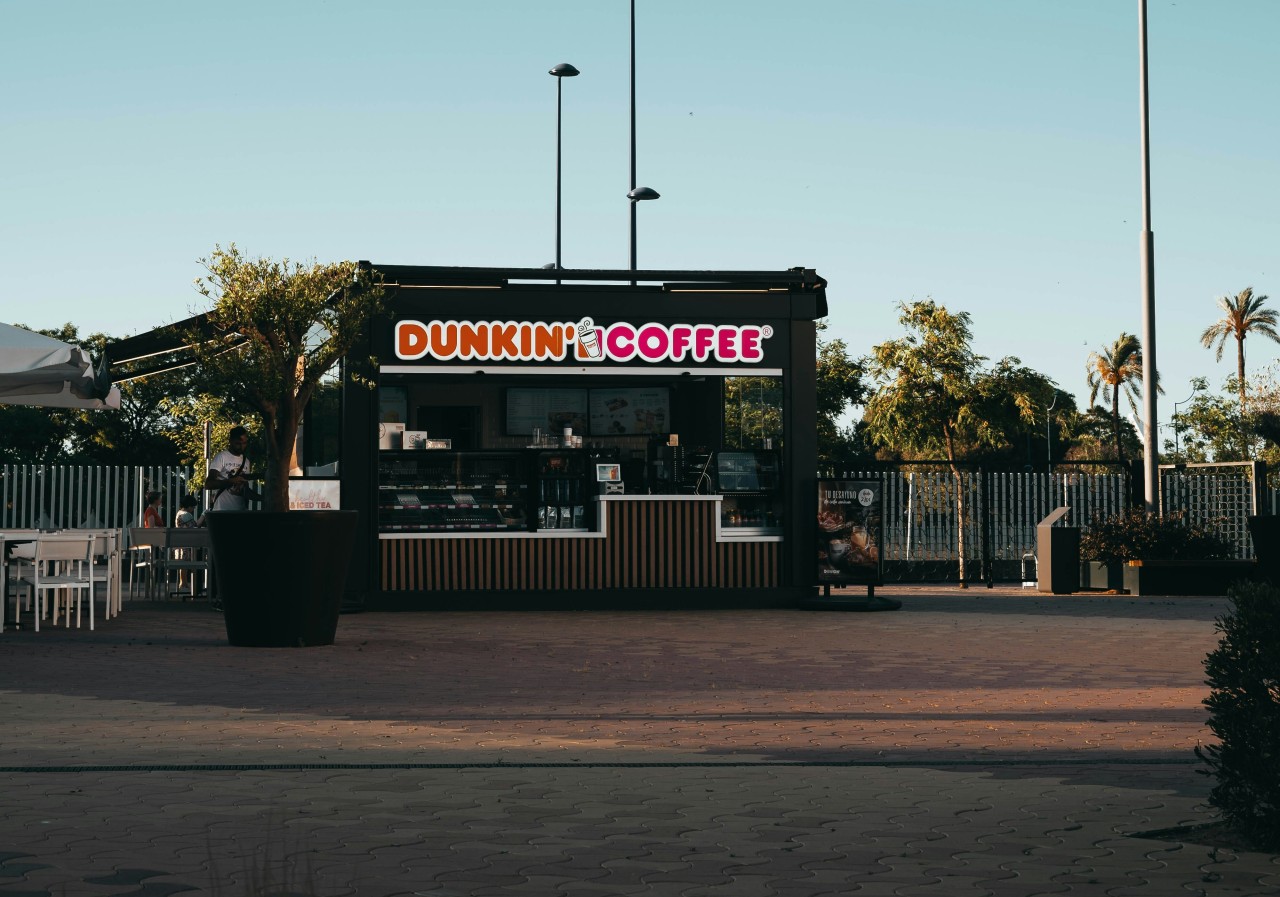
Dunkin’, long known for its busy morning rush crowds, has quietly trimmed its store count in regions where traffic patterns have changed dramatically. Many of its closures were older or smaller kiosks inside gas stations and convenience stores that no longer justified the cost. The brand is steering its energy toward modernized locations with better layouts, smoother drive-thru operations, and upgraded beverage equipment. By retiring sites that no longer perform, Dunkin’ is positioning itself to serve customers faster and more consistently across markets.
3. Tim Hortons
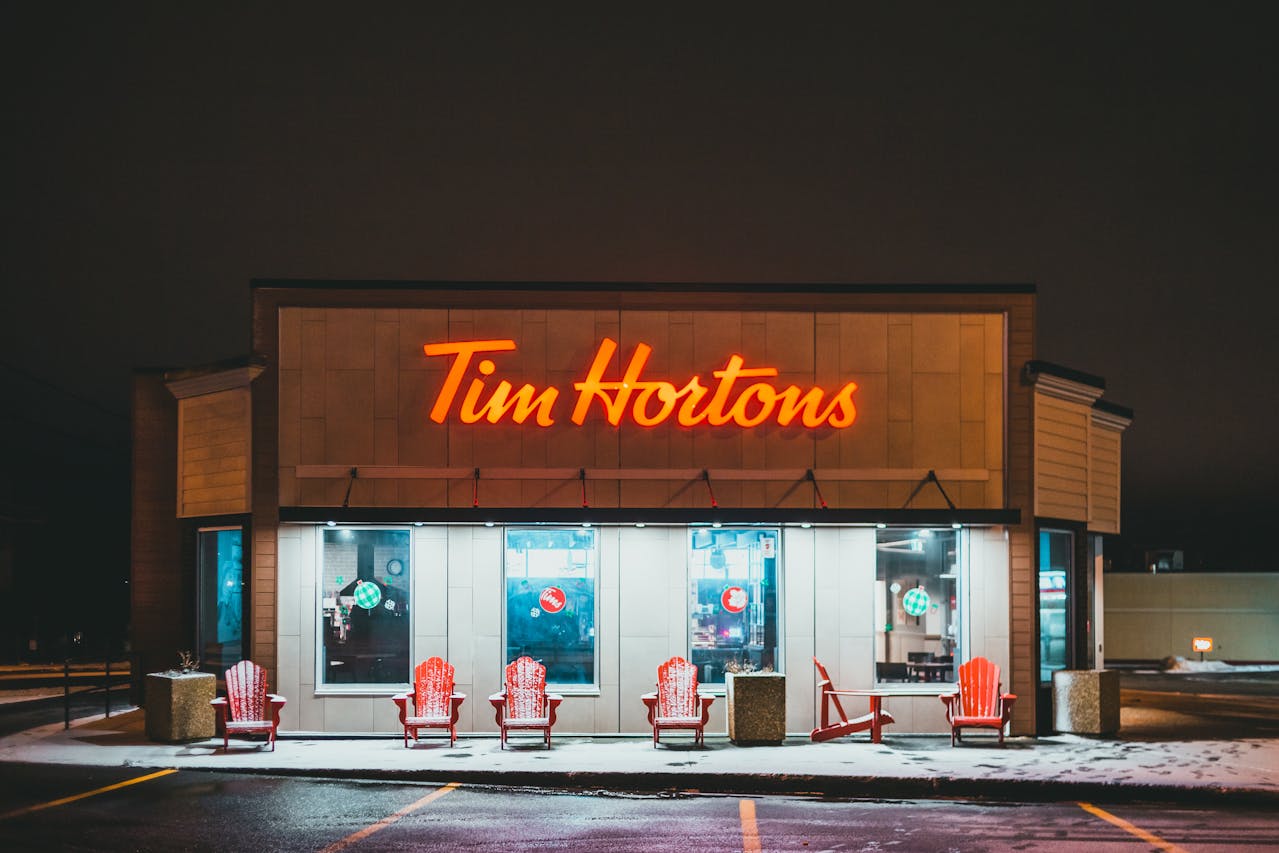
Canada’s beloved coffee staple has faced stiff competition and shifting demographics, prompting selective closures across both Canada and the U.S. Some older stores struggled to keep up with rising labor costs and evolving consumer expectations for fresher, higher-quality menu options. Tim Hortons has shifted its focus toward renovated stores, improved digital ordering, and more efficient kitchen systems. The closures reflect a broader effort to refine the brand for modern tastes while cutting locations that no longer support sustainable growth.
4. The Coffee Bean & Tea Leaf
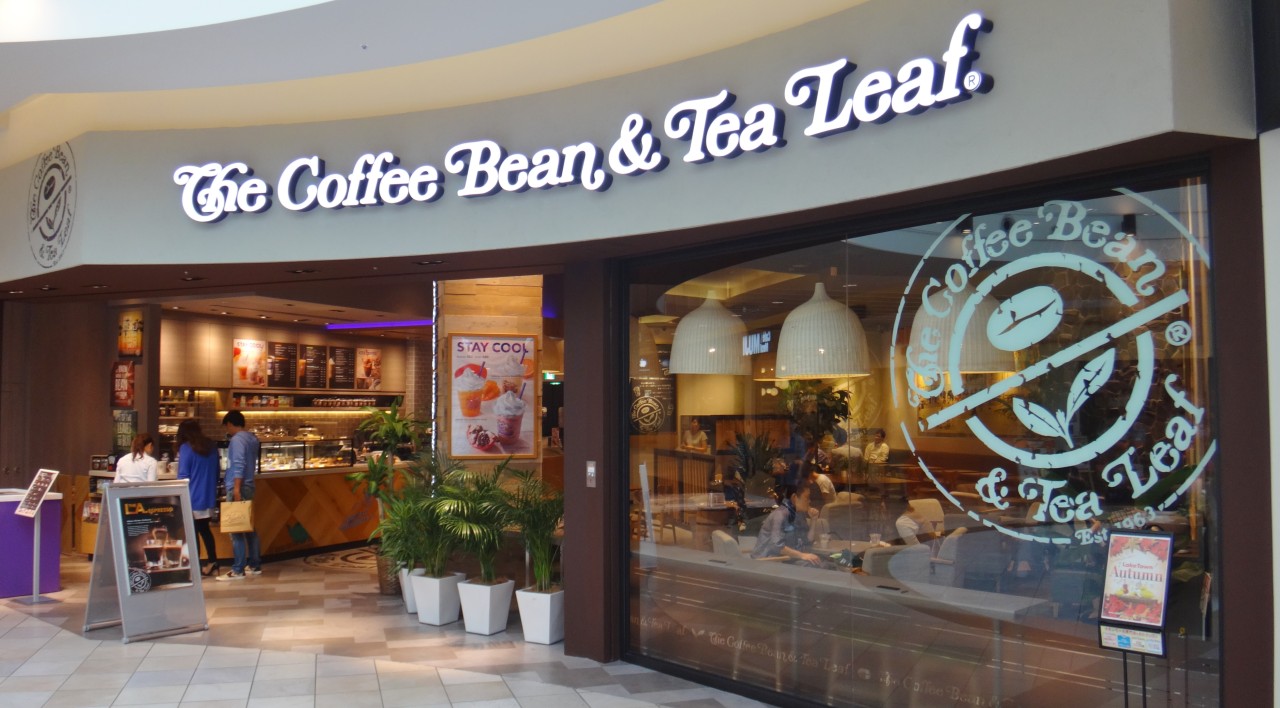
Once a major competitor in specialty coffee, The Coffee Bean & Tea Leaf has been reducing its presence in several U.S. markets as it works through years of financial strain. The company has increasingly focused on strategic hubs like Southern California, where brand loyalty remains strong. Closures have tended to hit regions where foot traffic never fully recovered after the pandemic. With a renewed focus on franchising and smaller, streamlined stores, the chain aims to rebuild momentum through better-performing locations.
5. Peet’s Coffee
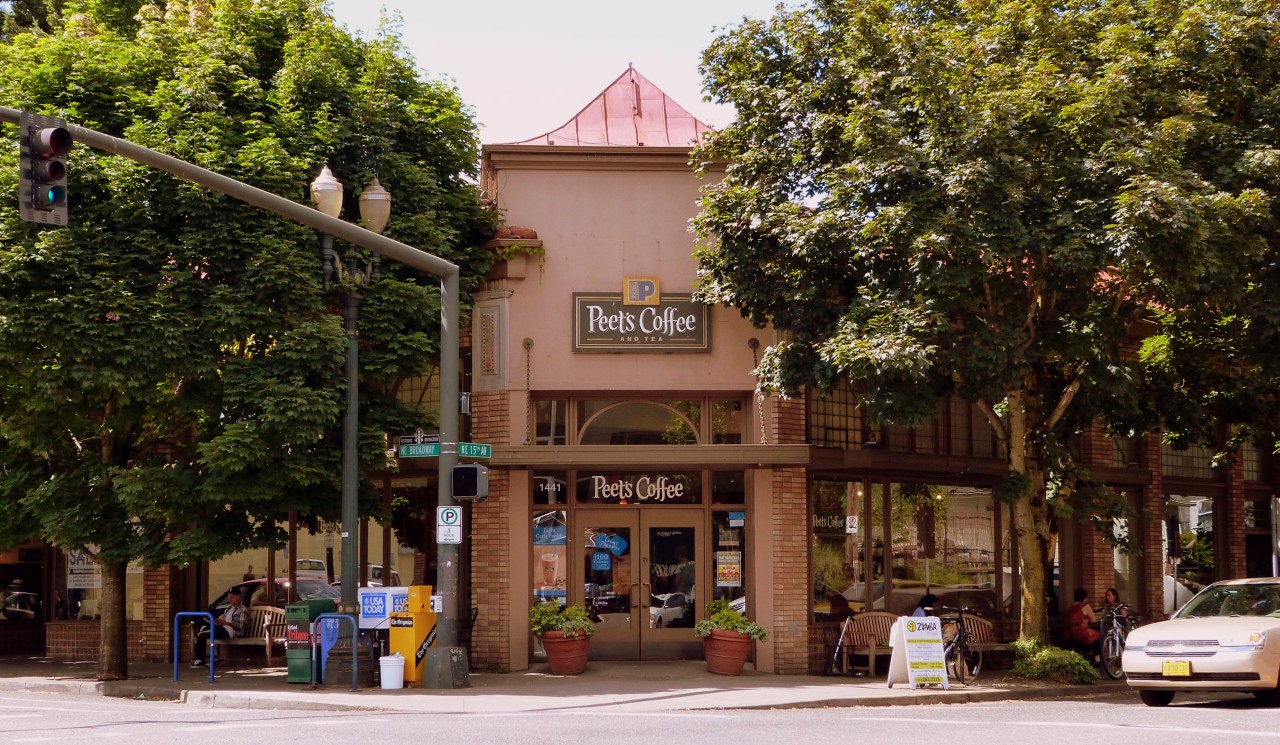
Peet’s, known for its premium roast and loyal following, has taken a careful step back from certain brick-and-mortar markets to concentrate on regions where its brand resonates strongest. Some closures follow rising real estate costs and slower in-store visits, particularly as remote work reshaped coffee routines. The company continues to thrive through grocery sales, subscriptions, and digital ordering, allowing it to keep fewer but stronger stores. Peet’s commitment now centers on sustainable, well-positioned cafés rather than blanket expansion.
6. Gloria Jean’s Coffees

With roots in mall culture and franchise-based growth, Gloria Jean’s has faced challenges as shopping centers experience declining foot traffic. Many closures reflect outdated locations that struggled to compete with newer coffee concepts and convenience-driven services. The company is reevaluating its footprint by focusing on modern, refreshed cafés and strategic franchise markets. This scaling back marks a shift toward a more curated presence rather than a widespread but uneven national spread. The brand aims to rebuild through quality and consistency.
7. Biggby Coffee
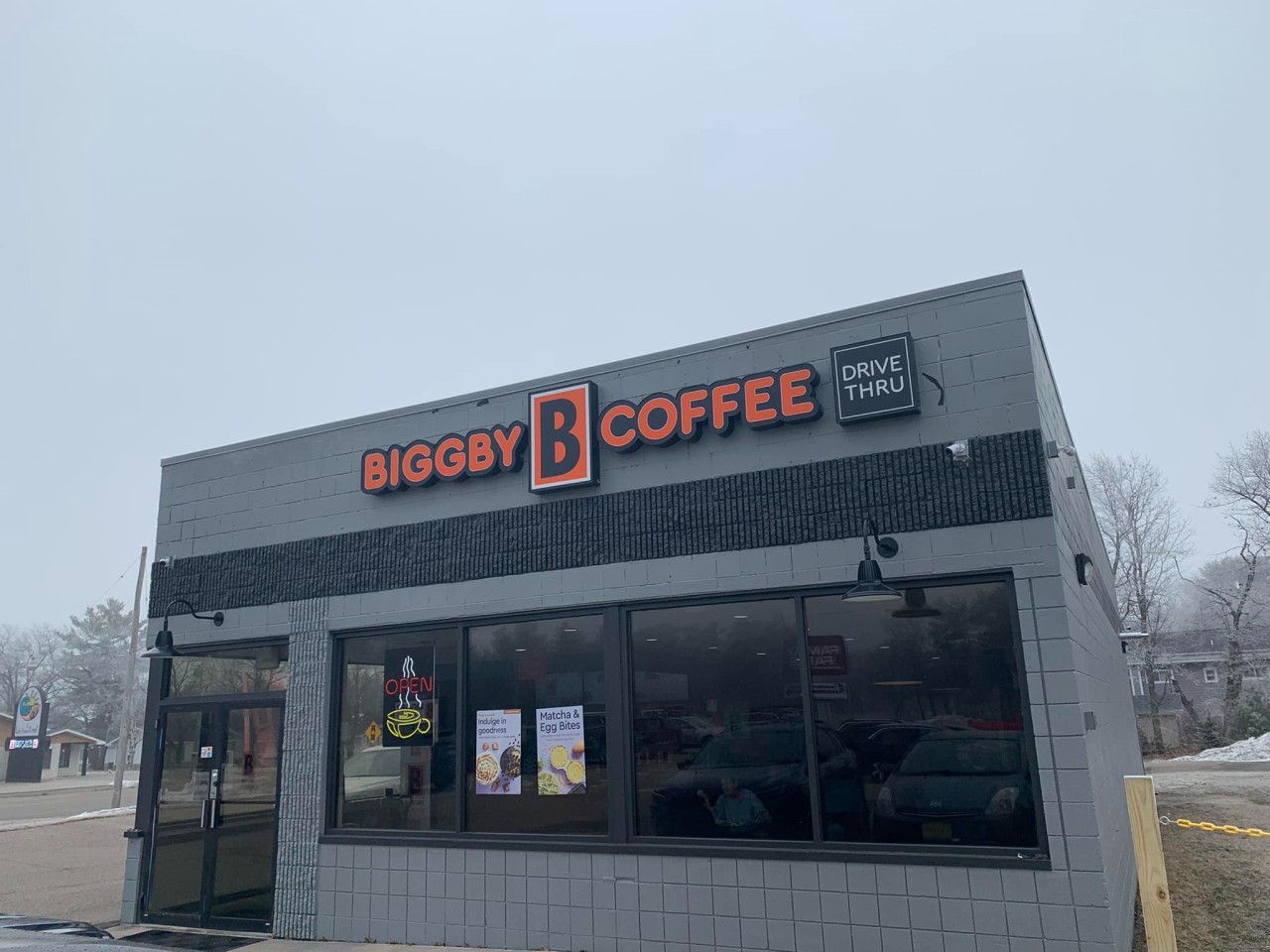
While Biggby remains a strong regional name, especially in the Midwest, the company has opted to pull back in areas where expansion outpaced demand. Some franchisees faced rising labor costs, uneven customer traffic, or logistical hurdles that made certain stores unsustainable. Biggby is now focusing on drive-thru-only models, which have proven more efficient and profitable. Its strategy emphasizes smarter growth over fast growth, aiming to strengthen the core markets that support long-term success.