
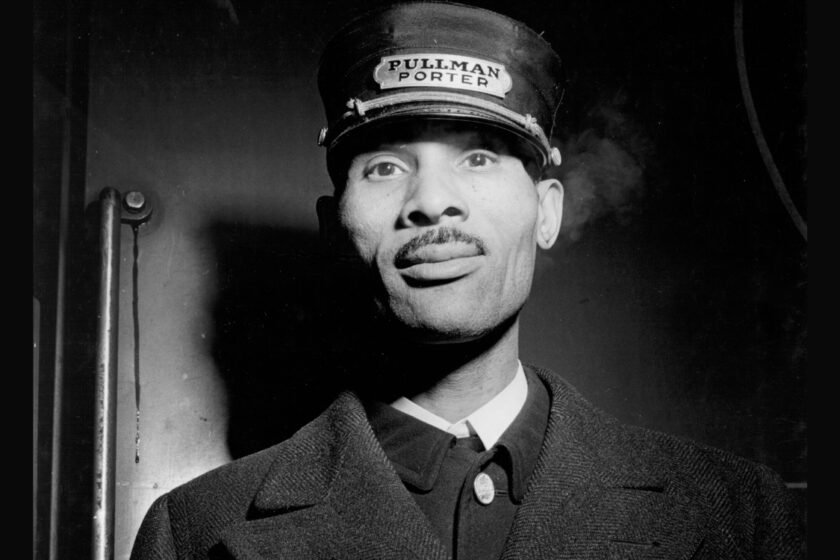
Throughout U.S. history, African American workers organized labor unions to fight discrimination, improve working conditions, and secure fair wages. These unions not only advanced the rights of their members but also influenced broader labor policies and civil rights movements. From the Brotherhood of Sleeping Car Porters to lesser-known regional associations, their efforts strengthened communities and challenged systemic inequality. Drawing on resources from the Library of Congress, the National Archives, and labor history institutions, here are seven predominantly Black labor unions that left a lasting mark on American labor rights.
1. Brotherhood Of Sleeping Car Porters
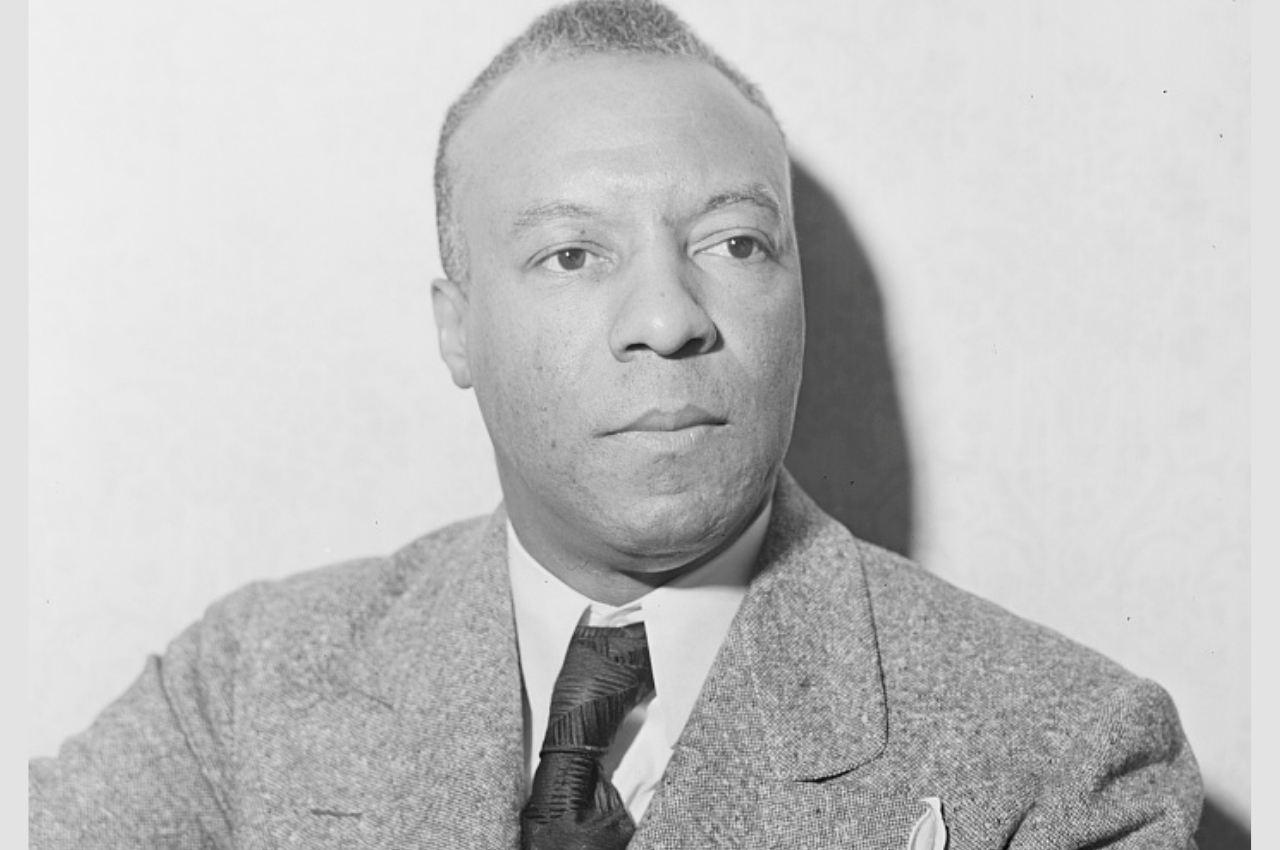
A. Philip Randolph founded the Brotherhood of Sleeping Car Porters in 1925, and it was the first significant Black labor organization to be approved by the American Federation of Labor. According to the National Archives, the union successfully negotiated better wages and working conditions for Pullman porters while inspiring political activism. Randolph used the union’s strength to push for desegregation in the defense industry during World War II, laying the groundwork for the civil rights movement. The Brotherhood’s legacy continues as a symbol of how organized labor and civil rights intersected in the 20th century.
2. Colored National Labor Union
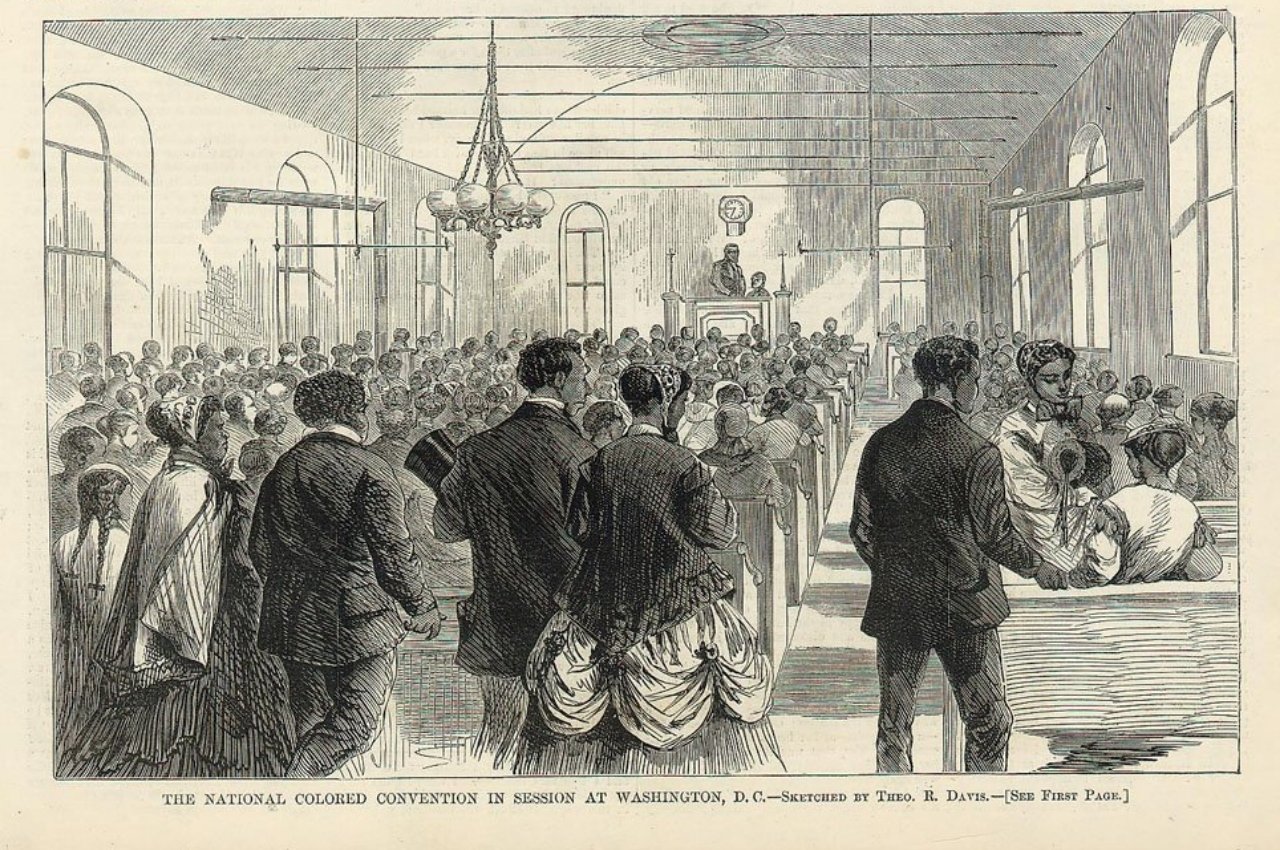
Established in 1869, the Colored National Labor Union sought to address the exclusion of African Americans from white-dominated unions. According to the Library of Congress, it was founded by Isaac Myers, a ship caulker and labor organizer. The union advocated for fair wages, improved working conditions, and land ownership for freedmen. Though short-lived, it marked the first nationwide effort to unite Black workers under a collective voice. Its work inspired future generations of labor activists and demonstrated the importance of organized resistance to racial and economic discrimination after the Civil War.
3. United Packinghouse Workers Of America
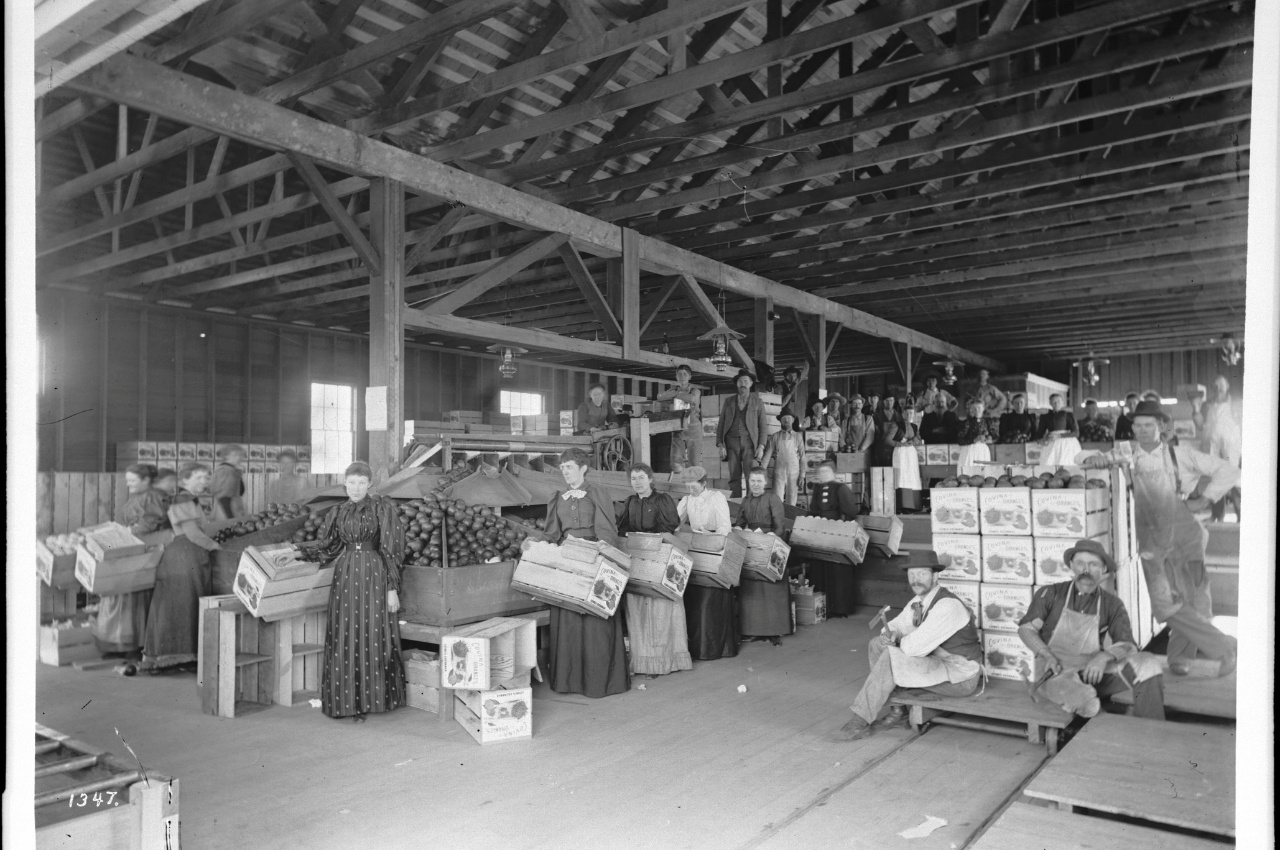
The United Packinghouse Workers of America, active in the mid-20th century, welcomed Black members at a time when many unions resisted integration. The Walter P. Reuther Library highlights that its Black locals were especially active in Chicago, Kansas City, and Omaha. They fought not only for fair wages but also against racial discrimination within workplaces and communities. The union’s activism contributed to desegregation campaigns and supported civil rights organizations. Its inclusive stance and social justice agenda made it one of the most progressive unions of its time.
4. Brotherhood Of Timber Workers
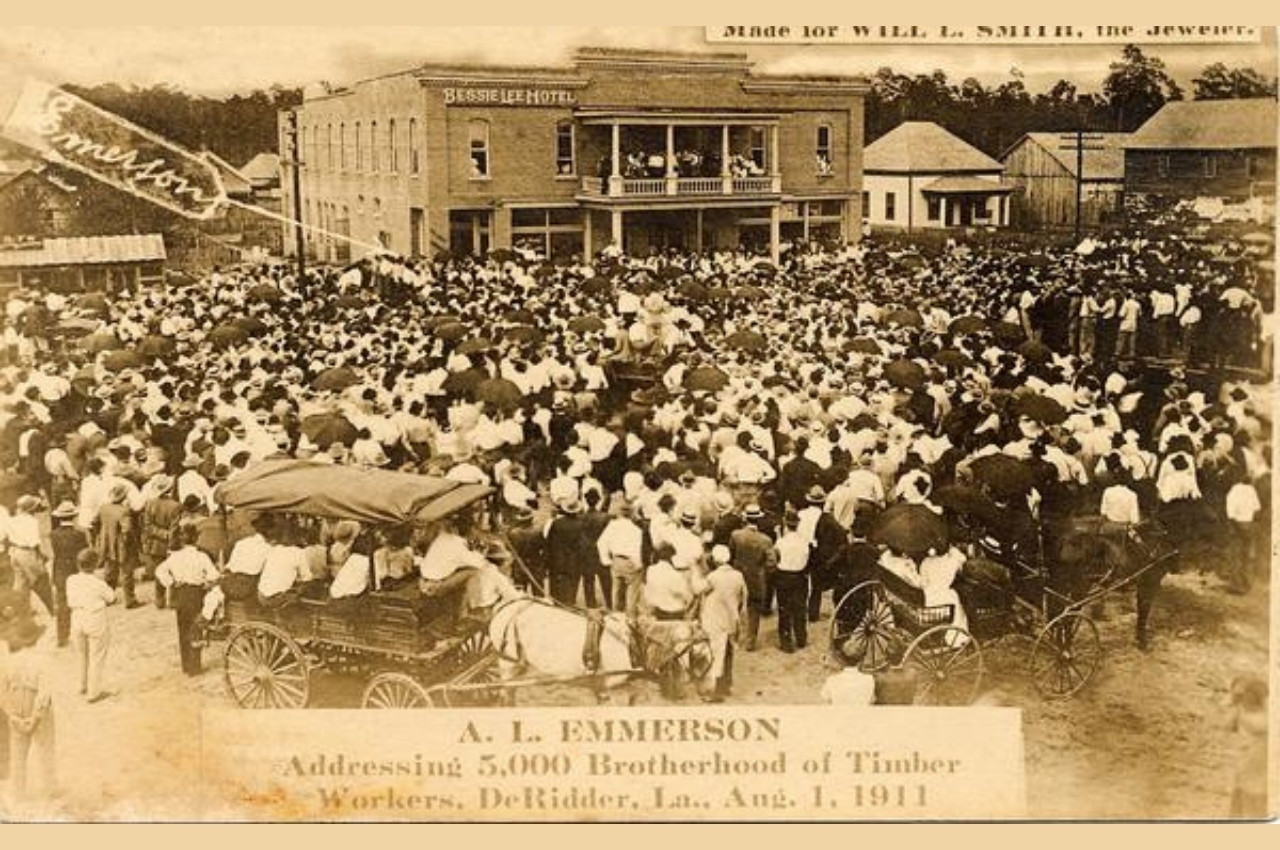
In the early 20th century, the Brotherhood of Timber Workers organized lumber workers in Louisiana and Texas, many of whom were African American. According to labor history research from the University of North Carolina, the union attempted to unite Black and white workers in a segregated society. Black members played a crucial role in strikes for better pay and safer conditions. While violent opposition from employers weakened the organization, its efforts to promote interracial solidarity set an important precedent for later labor and civil rights struggles in the South.
5. Brotherhood Of Blacksmiths
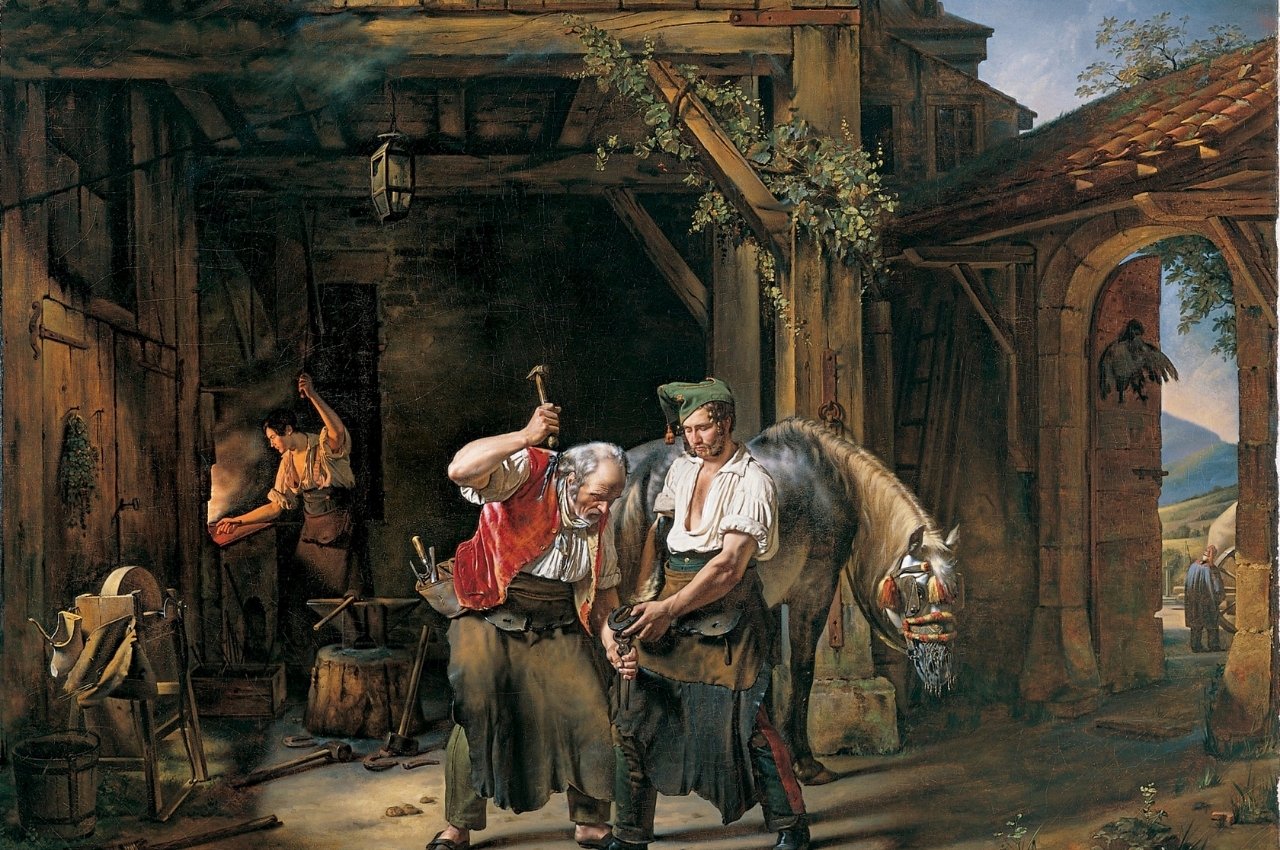
The Brotherhood of Blacksmiths emerged in the late 19th century as African American skilled laborers sought recognition in the railroad industry. The Library of Congress notes that Blacksmiths’ unions often excluded African Americans, which led to the creation of parallel organizations. Though smaller in scope compared to larger unions, the Brotherhood of Blacksmiths provided representation and bargaining power for Black railroad workers. Their persistence ensured that African American contributions to the railroad industry were not overlooked, and they paved the way for later inclusion in broader labor movements.
6. National Alliance Of Postal Employees
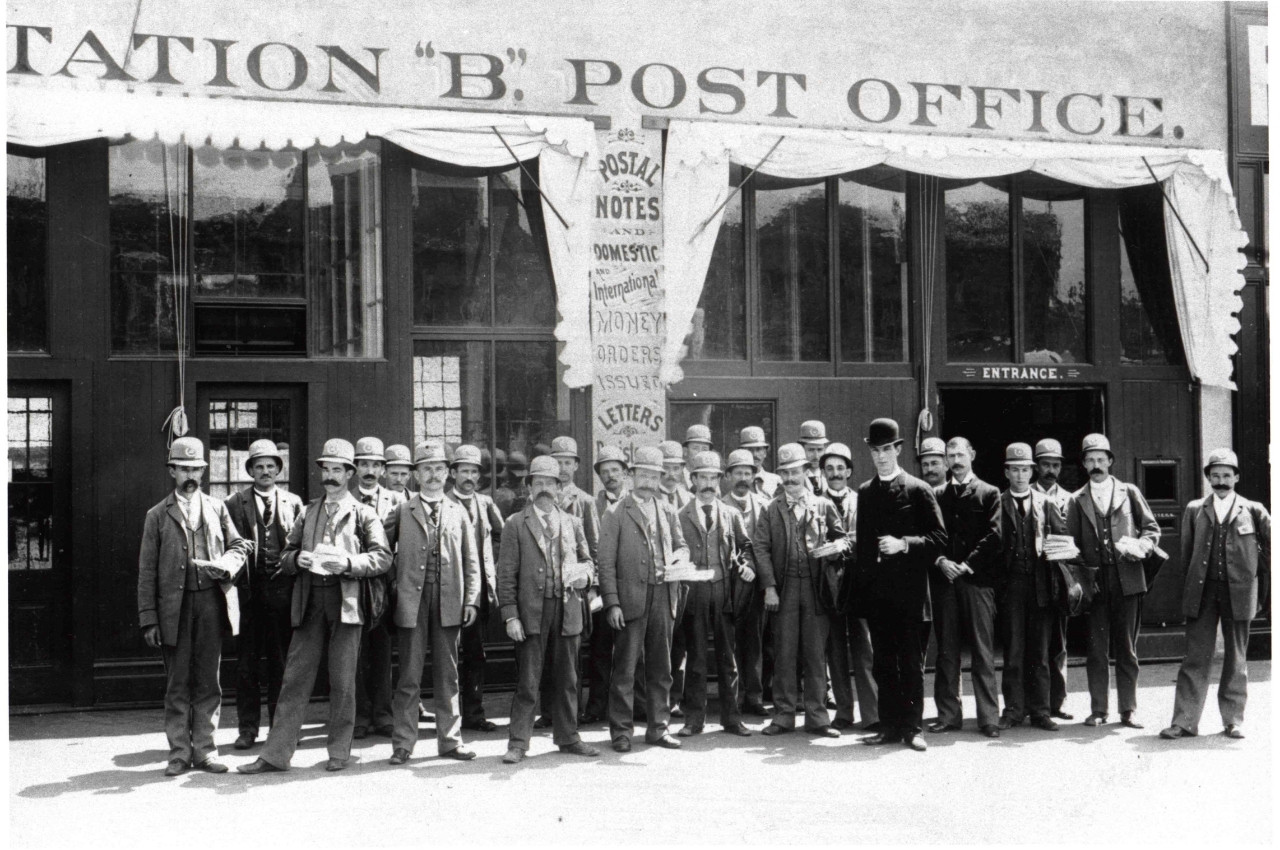
The National Alliance of Postal Employees, established in 1913, was formed in response to discrimination within the postal service’s predominantly white unions. According to the Smithsonian Postal Museum, it gave African American postal workers a collective platform to push for fair treatment, promotions, and workplace equality. The organization also supported civil rights causes, connecting labor struggles with broader efforts for racial justice. Its work helped secure greater opportunities for African Americans in federal employment and remains a key example of how Black workers organized against systemic barriers.
7. Druids of the Order of Galilean Fishermen

Founded in the late 1800s, the Druids of the Order of Galilean Fishermen began as a fraternal and labor support organization for Black maritime workers. It provided mutual aid, burial benefits, and community assistance at a time when Black workers were often excluded from white-led unions. While less prominent nationally, it played a critical role in sustaining Black labor networks along the East Coast and Gulf South. As documented in state archives, the order symbolized how Black workers built their own institutions when mainstream unions denied them entry.