

Overview
Southern cuisine holds a strong regional pride rooted in family-tested recipes, local ingredients, and time-honored techniques handed down through generations. When nationwide chains try to bottle that heritage, the result is often a pared-down, uniform version crafted to travel easily and avoid controversy. That doesn’t stop diners from showing up. Familiar flavors, quick service, and nostalgia keep these spots busy, even as the dishes drift away from their roots. They may not authentically capture Southern cooking, but they’ve learned how to sell the idea effectively.
Cracker Barrel
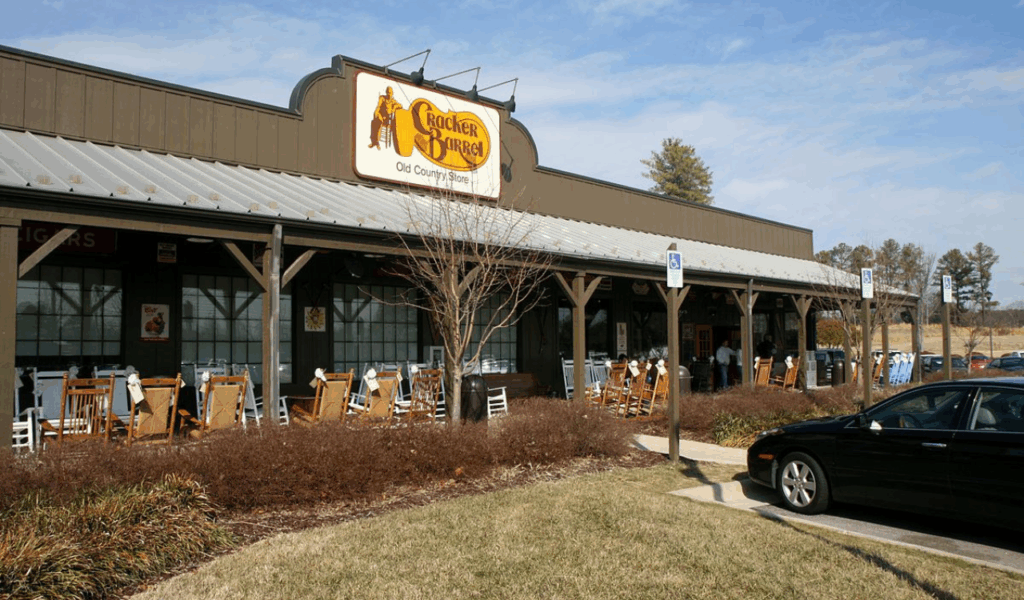
Cracker Barrel projects a Southern vibe at first glance with porch rocking chairs and a menu featuring biscuits, gravy, and fried chicken. The concept centers on nostalgia rather than regional accuracy. Many dishes tilt toward salt and sweetness, smoothing out the sharper notes that define genuine Southern cooking. Recipes are standardized across locations, erasing regional distinctions that matter in Southern food culture. Still, the chain remains popular because it reliably delivers comfort. It may not mirror how Southerners cook at home, but it succeeds as a dependable, comforting version of Southern fare for a national audience.
Bojangles
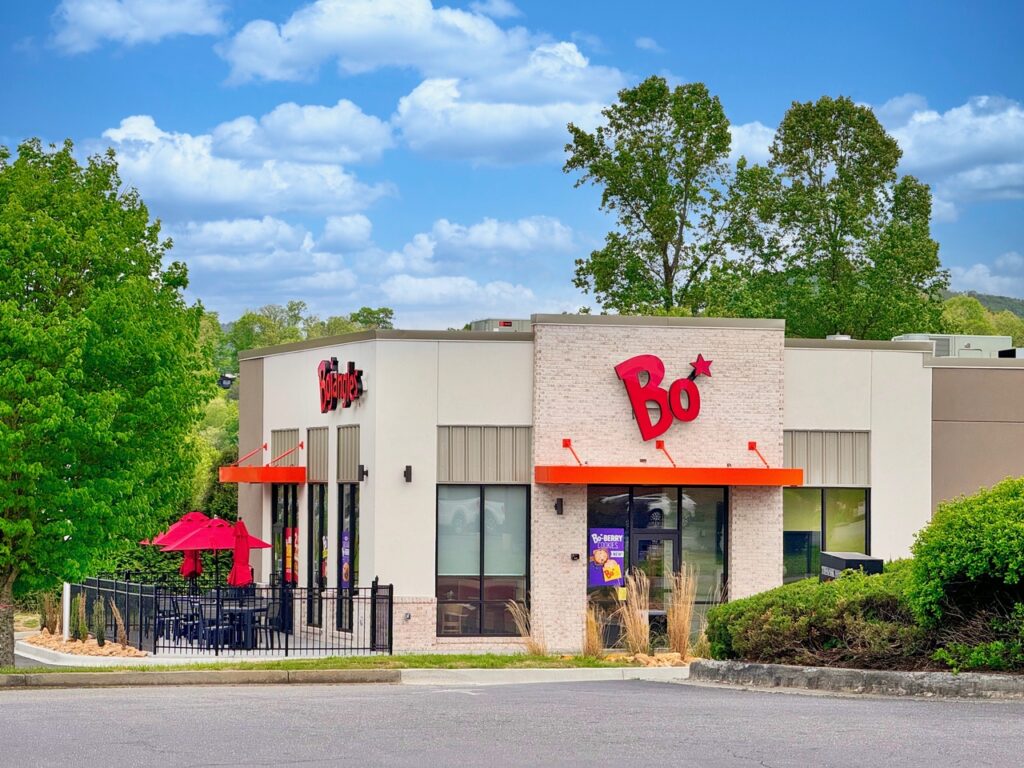
Bojangles comes closer than many chains by prioritizing biscuits, fried chicken, and sweet tea—staples of Southern breakfasts and lunches. Consistency is the challenge; some locations deliver fluffy biscuits and well-seasoned chicken, while others miss the mark. The seasoning is often simplified to appeal to a broader audience, sacrificing the layered spice profiles typical of Southern kitchens. Yet Bojangles remains popular because it satisfies a specific craving that few national chains attempt. For many, it’s less about authenticity and more about familiarity. When it’s done well, it’s exceptional.
Popeyes
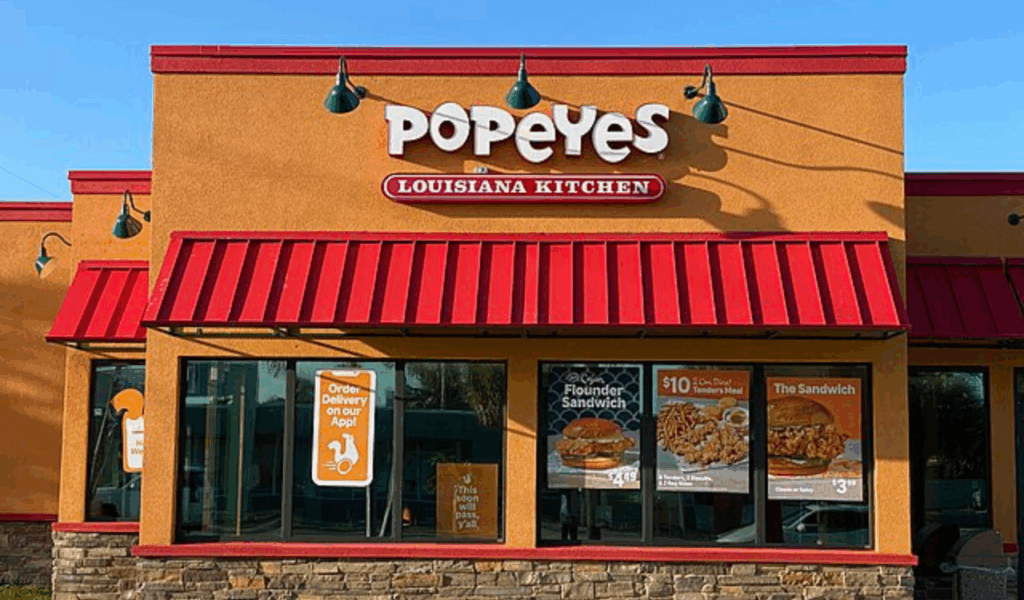
Popeyes markets itself with bold flavors and Louisiana-inspired branding, but its take on Southern food is heavily stylized. The fried chicken brings heat and crunch, yet the spice blends are engineered for broad appeal rather than tradition. Many classic Southern sides are missing or heavily altered, turning comfort dishes into fast-food approximations. What Popeyes does well is confidence. It commits fully to flavor, even if that flavor isn’t historically accurate. Customers keep returning because the food feels indulgent and satisfying, especially when compared to blander rivals.
Zaxby’s

Zaxby’s presents itself as a Southern chicken chain, yet much of its menu centers on sauces rather than the core dish. Fried chicken, fries, and sandwiches serve as vehicles for branded dipping sauces that dominate the flavor profile. Traditional Southern cooking emphasizes seasoning during preparation, not after. Purists notice this difference. Still, Zaxby’s thrives because it’s approachable and customizable. Customers can tailor heat levels and flavors without worrying about tradition. It’s less about accurate Southern representation and more about offering a familiar, flexible fast-casual experience that reads as Southern enough to be recognizable.
Church’s Chicken
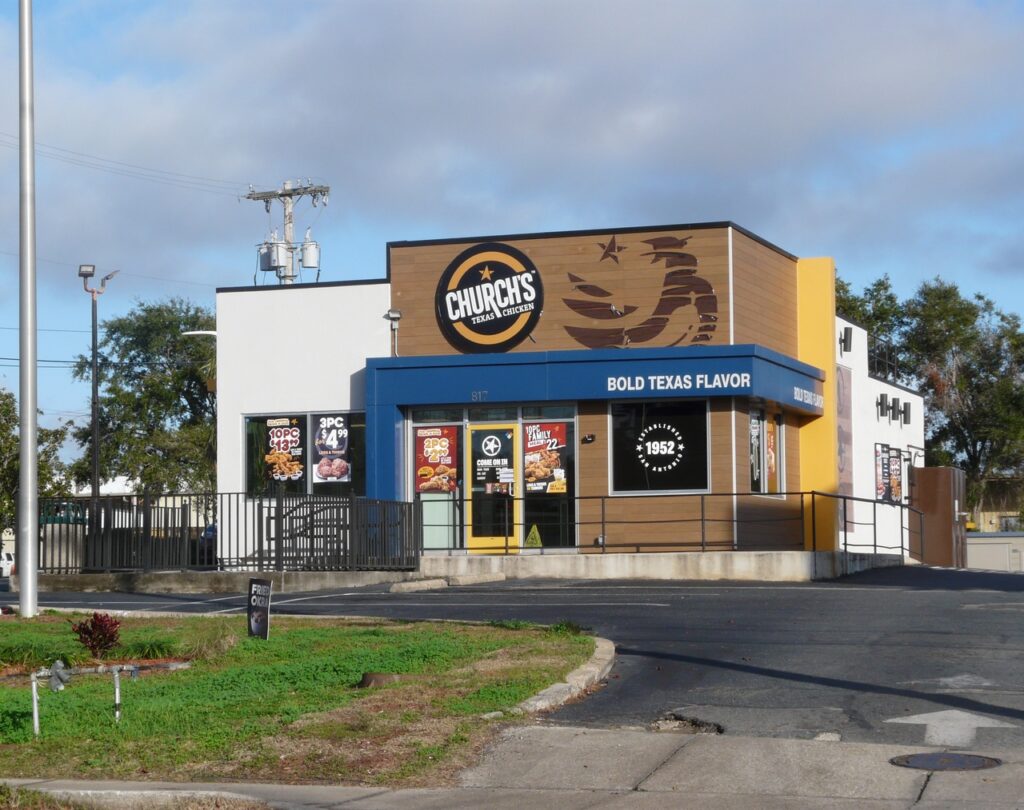
Church’s Chicken has deep Southern roots, but expansion diluted much of what made it special. The original appeal lay in bold seasoning and hearty portions, reflecting working-class Southern cooking. As the chain grew, recipes were standardized, and quality began to vary by location. Some restaurants still deliver juicy, well-seasoned chicken, while others fall flat. Despite criticism, Church’s retains loyal customers who grew up with it. Nostalgia plays a huge role. Even when the food misses the mark, people return hoping for a taste of what it used to be, proving how powerful early brand identity can be.
Golden Corral
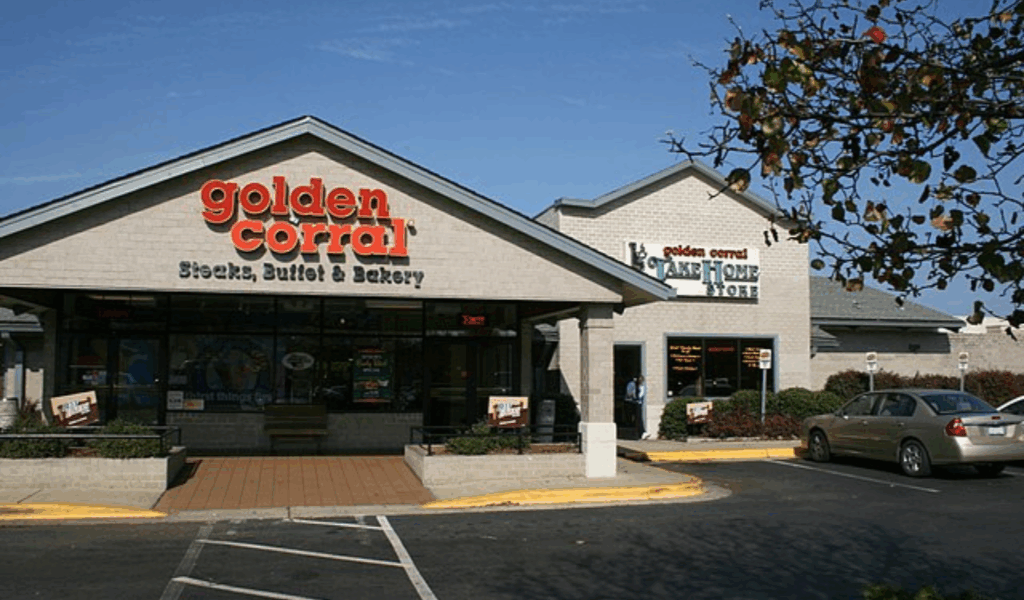
Golden Corral presents itself as a Southern buffet, but its menu reads more like a national comfort sampler. Fried chicken, mac and cheese, and collard greens sit alongside pizza and tacos. The result is food designed to please everyone, not reflect any one tradition. Southern dishes lose nuance when prepared in bulk and held for long periods. Even so, Golden Corral stays busy because abundance matters to its audience. Diners aren’t seeking authenticity. They want value, familiarity, and choice. The Southern label functions more as atmosphere than accuracy, and for many customers, that’s enough.
Texas Roadhouse
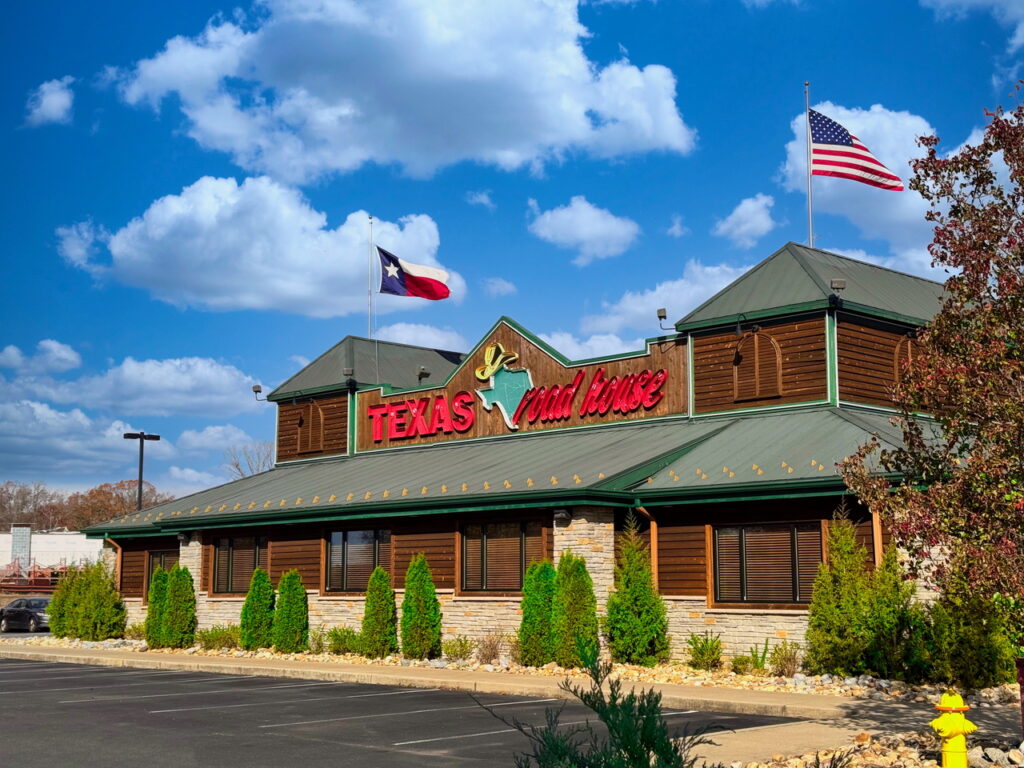
Texas Roadhouse borrows heavily from Southern imagery—from country music to buttery rolls—but its menu aligns more with steakhouse culture than Southern cuisine. Many dishes emphasize size and richness rather than regional cooking techniques. Still, the chain understands hospitality. Loud dining rooms, friendly service, and generous portions create an experience that feels warm and welcoming. Customers forgive the lack of authenticity because the food is consistent and satisfying. Texas Roadhouse doesn’t pretend to teach Southern cooking; it sells a version of Southern friendliness, which often matters more to diners than strict culinary accuracy.