

This post contains affiliate links. See the disclosure for more information.
Statement lighting has the power to elevate a space from dull to memorable, yet some fixtures fail to deliver in practice. What looks stunning in photos may prove problematic in real life. If a piece is too bright, placed in an unsuitable spot, overly ornate, or difficult to keep clean, it can quickly shift from a conversation starter to a constant nuisance. This guide highlights seven statement lighting styles that often underperform in real-world settings. Understanding why they can be bothersome helps you pick options that are both attractive and practical, so you enjoy the light rather than endure it.
1. Excessively Bright Chandeliers
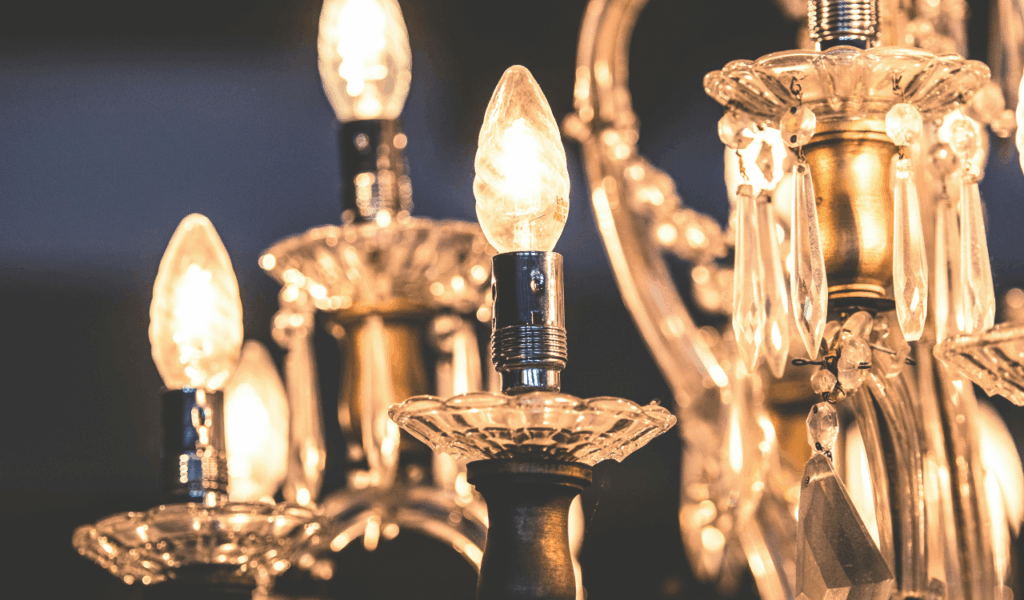
Chandeliers with large crystal clusters or high-wattage bulbs can flood a room with glare instead of warm illumination, making the space feel harsh and uninviting. What initially seemed dazzling can feel like a constant spotlight, especially in the absence of a dimmer or adjustable output. Layered lighting that blends ambient, task, and accent sources works best in living areas and bedrooms. A chandelier should enhance the room rather than overpower it. Choose fixtures appropriate for the room’s size and lighting needs, or install dimming controls to prevent excessive brightness.
2. Low-Slung Pendant Lights
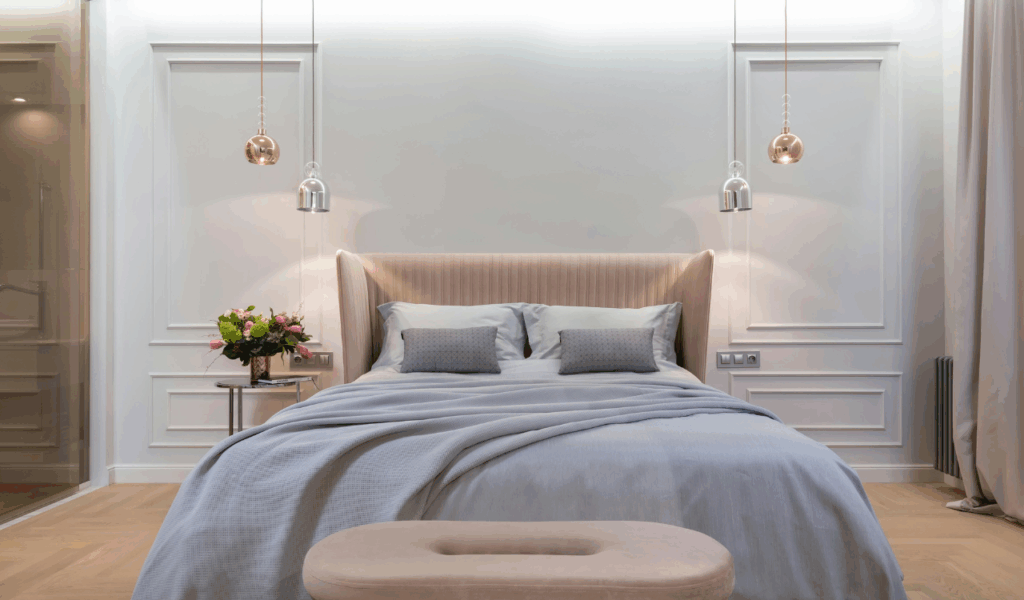
Low-hanging pendants are designed to command attention, but when they hang too low over tables, chairs, or walkways, they hinder daily living. Head bumps and awkward table settings quickly become tiresome. Placement matters more than aesthetics. As a general rule, pendants should be at least 30 inches above a dining surface and eight feet above the floor in open spaces. The final position should consider user height and room scale. Adjustable cords or rods let you modify the height for comfort and practicality.
3. LED Strips with Unfriendly Color
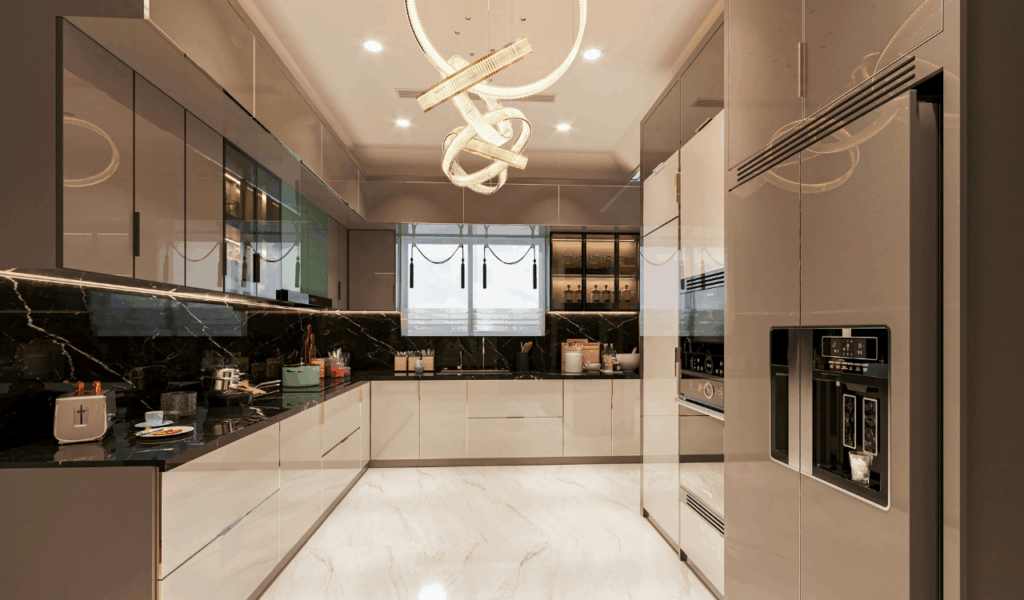
LED strip lights with very cool or unusual color temperatures can make a space feel sterile or confusing instead of warm. Blue-white illumination may suit a contemporary setting, but it can skew skin tones and strain eyes in living areas. You can shift the color temperature from cool to warm to suit mood and function. Without adjustable color temperature, bright LED accents may feel out of place over time. For everyday comfort, choose LEDs with a high color rendering index and warmer hues.
4. Large Orb Fixtures in Low Ceilings
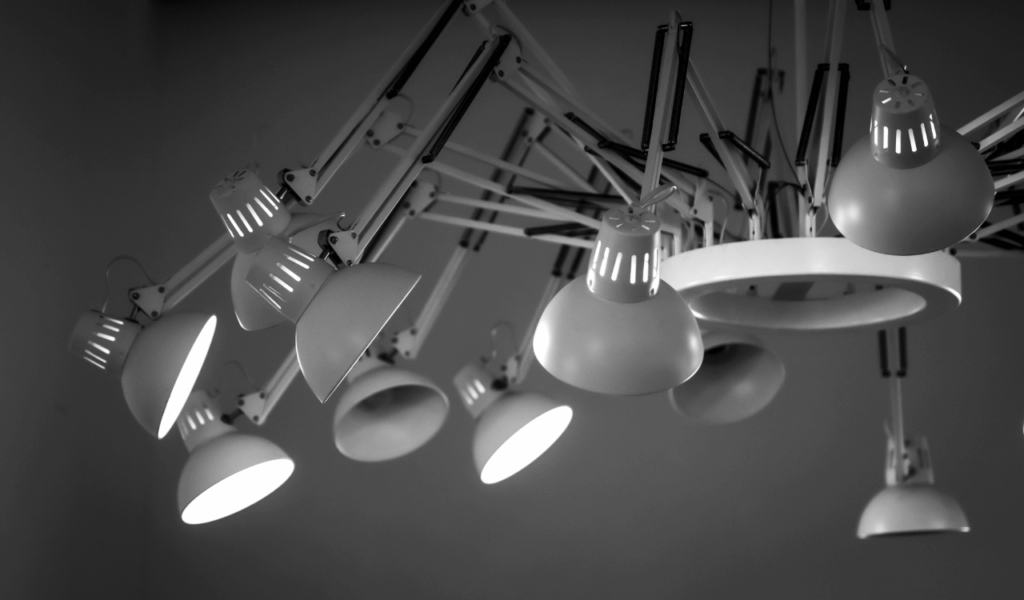
In catalogs, oversized orb lights or globe chandeliers can look spectacular, but in homes with low ceilings, they can dominate the space instead of enhancing it. A fixture that nearly fills the vertical space can make rooms feel smaller and more cramped, creating a sense of imbalance. Most designers recommend fixtures that match the ceiling height and room size. If you love a large orb, consider smaller versions or semi-flush installations that maintain the look without overwhelming the room. Proper scale preserves flow and usability.
5. Flickering Statement Bulbs
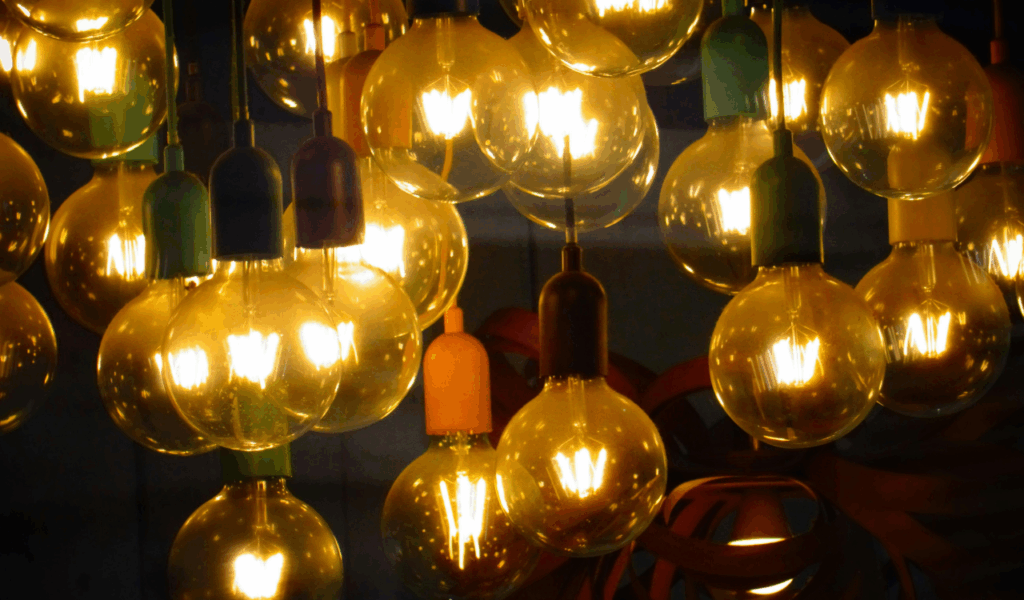
Exposed filaments or novelty bulbs often serve as the focal point of statement lighting, but if the bulbs flicker, hum, or burn out prematurely, the effect disappears quickly. Flickering can stem from improper voltage, low-quality bulbs, or mismatched dimmers. It can irritate eyes, be distracting, and become annoying. Invest in high-quality LED bulbs rated for dimming and consistent output to preserve the intended mood. The design should celebrate light and not draw attention to itself with unintended noise or flicker. Always review the manufacturer’s specifications before installation.
6. Oversized Sculptural Lighting

Light fixtures that resemble art installations can be stunning, yet they may obstruct sightlines, overshadow other decor, or cast uneven illumination. A piece that intrudes on seating areas or competes with windows or artwork meant to be focal points can disrupt the room’s flow. Functional lighting should balance form with purpose, distributing light evenly and aligning with how the space is used. To achieve impact without overwhelming the room, consider smaller or modular pieces that share the same style. Size and context matter for lasting enjoyment.
7. Hard-to-Clean Ornate Fixtures
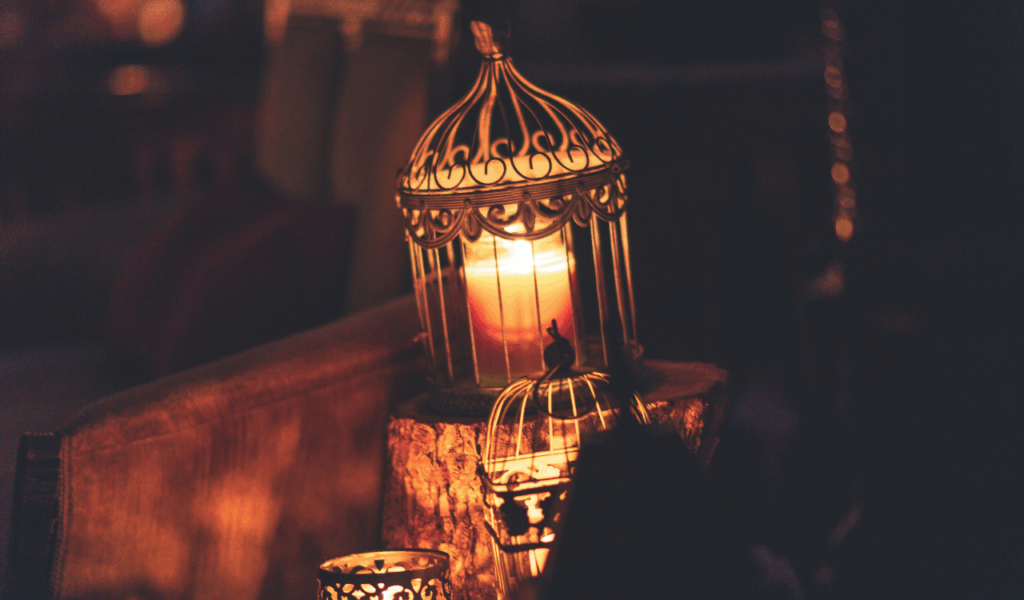
Elaborate fixtures with chains, gem details, or intricate crevices may look attractive, but they can be difficult to clean when dust or pests accumulate. Lighting should brighten a space without demanding extensive upkeep. Dust in hard-to-reach nooks dulls brilliance and makes cleaning a chore. If you desire detailed designs, choose pieces with simpler surfaces or parts that detach for easy cleaning. A pretty, low-maintenance light is far nicer than something that remains consistently bothersome.