

As winter tightens its grip across the nation, millions of drivers are being urged to stay cautious and plan before hitting the road. States from the Midwest to the Rockies are issuing fresh advisories as snow, ice, and freezing rain make travel increasingly unpredictable. From sudden whiteouts to wind-swept highways, the dangers are real for even the most experienced motorists. These new warnings aim to protect travelers and remind everyone that safe driving starts with preparation, patience, and respect for the road.
1. Minnesota
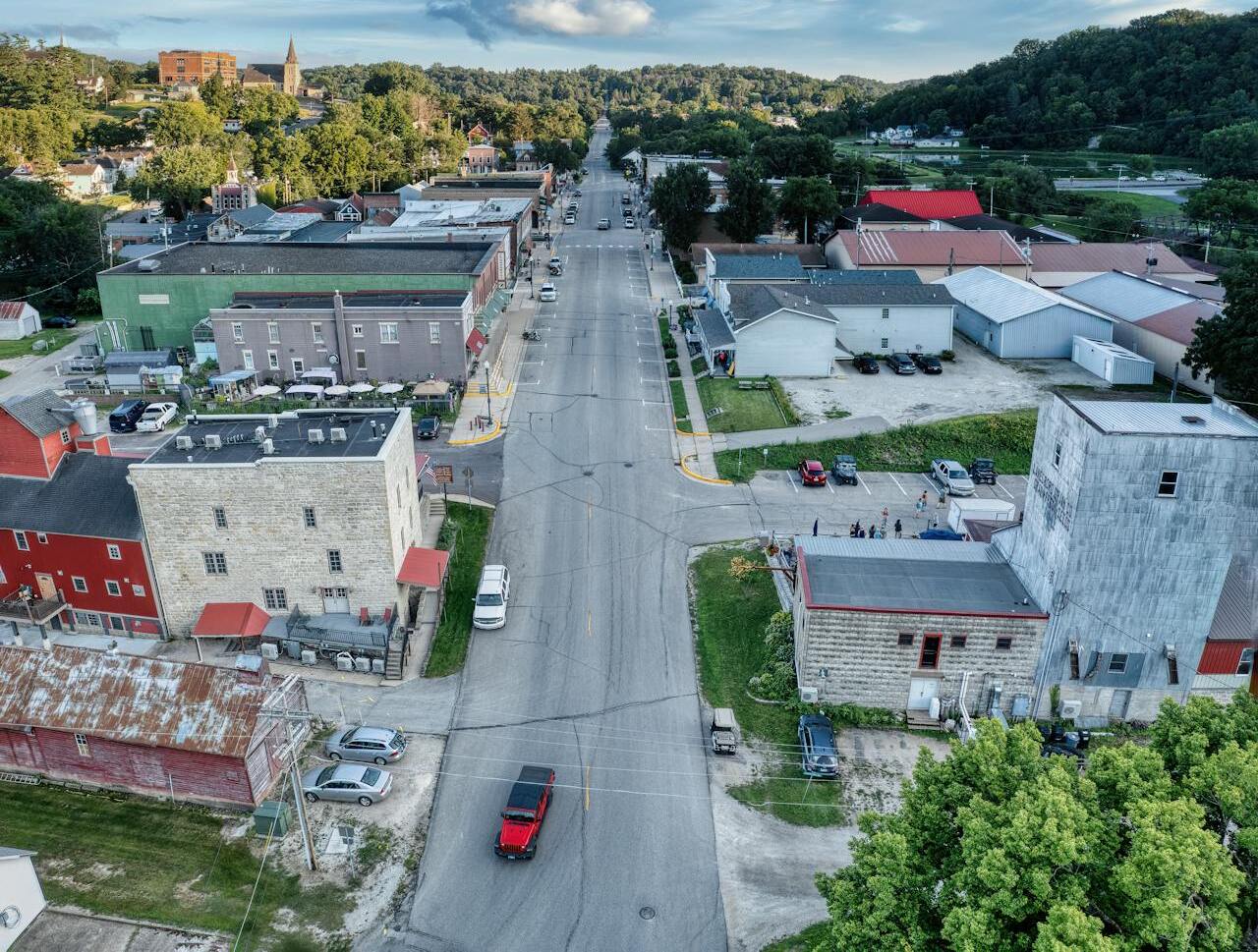
Minnesota drivers are bracing for challenging conditions as state officials issue advisories due to worsening weather patterns and ongoing construction delays. Heavy rainfall and early snowfall have reduced visibility and created slick road surfaces, particularly across northern and central regions. Highway projects, including I-35 and I-94 expansions, have caused lane closures, leading to traffic bottlenecks. Authorities are urging drivers to slow down, allow extra travel time, and monitor updates from the Department of Transportation before heading out.
2. South Dakota

South Dakota’s wide-open highways may look inviting, but fall and early winter storms have made them treacherous. The state has issued fresh travel warnings for black ice, heavy winds, and drifting snow, especially across I-90. Road maintenance crews are struggling to keep up as freezing rain quickly turns to compact ice. Officials are asking drivers to keep emergency kits, maintain at least half a tank of gas, and avoid unnecessary travel when conditions worsen. The rural nature of many routes makes rescue operations slower and riskier.
3. Nebraska

Nebraska has joined the list of states cautioning drivers as icy conditions and reduced visibility take hold. Rapid temperature drops and strong gusts are turning highways into hazards. The Nebraska Department of Transportation has posted new advisories urging motorists to delay travel during severe weather, particularly across the Panhandle region. Long stretches of isolated roads mean help may not be close by if vehicles stall or slide off. The state is also warning truckers to secure loads and check wind advisories before crossing open plains.
4. Wyoming

In Wyoming, travel advisories are nothing new, but this season’s alerts have been especially serious. Strong crosswinds on I-80 and I-25 are known to topple high-profile vehicles, prompting partial closures and speed restrictions. Snow squalls move quickly through mountain passes, causing near-whiteout conditions. State authorities are urging drivers to watch for “no unnecessary travel” warnings and use alternate routes where possible. With limited cell coverage in many areas, Wyoming officials emphasize planning and caution above all else.
5. Montana
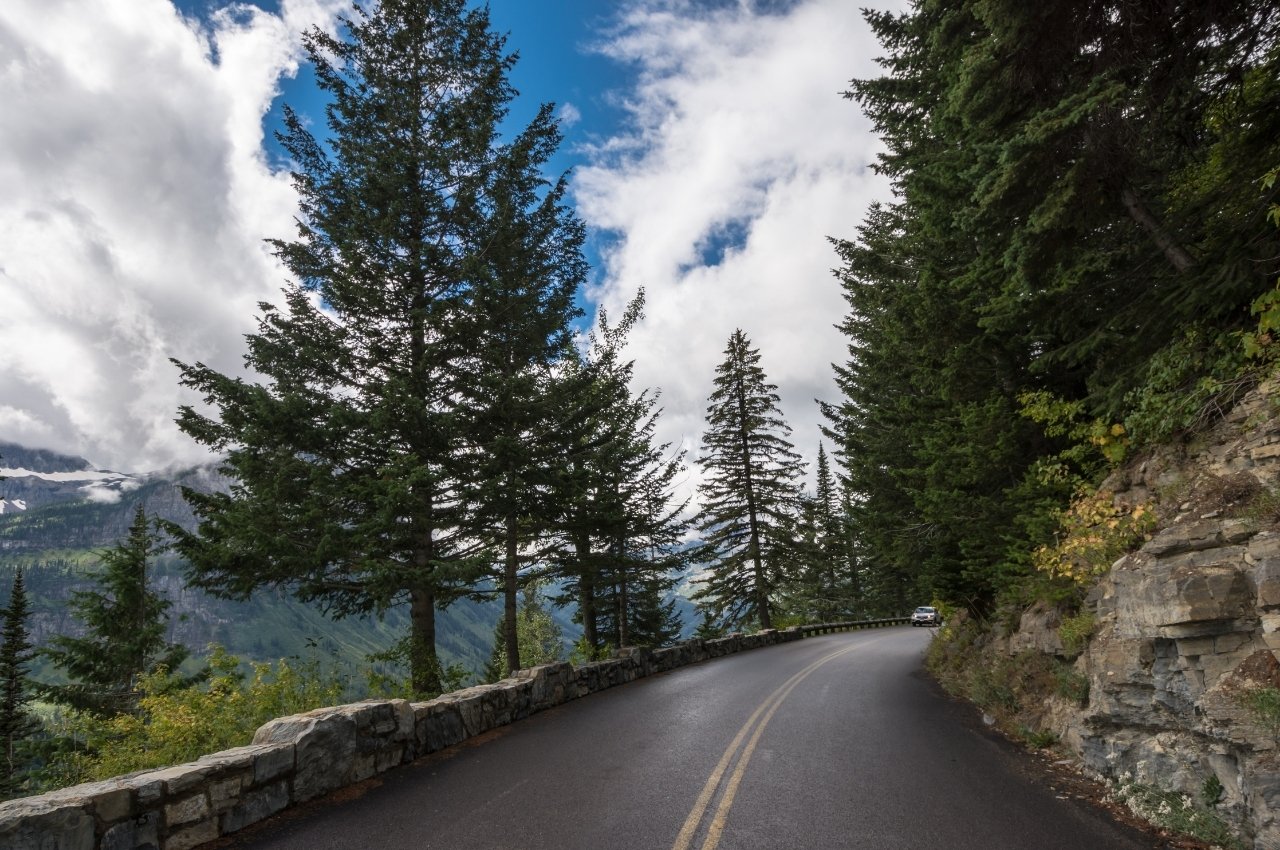
Montana’s rugged beauty comes with a price in the form of unpredictable driving conditions. The state has issued multiple advisories for snow, fog, and wildlife hazards along major highways. The combination of early winter storms and strong winds creates visibility issues even for experienced drivers. In mountainous areas, avalanches and icy switchbacks pose additional dangers. The Department of Transportation advises travelers to pack warm gear, chains, and food supplies before setting out. Regularly updated road cameras now help residents plan safer routes.
6. Colorado
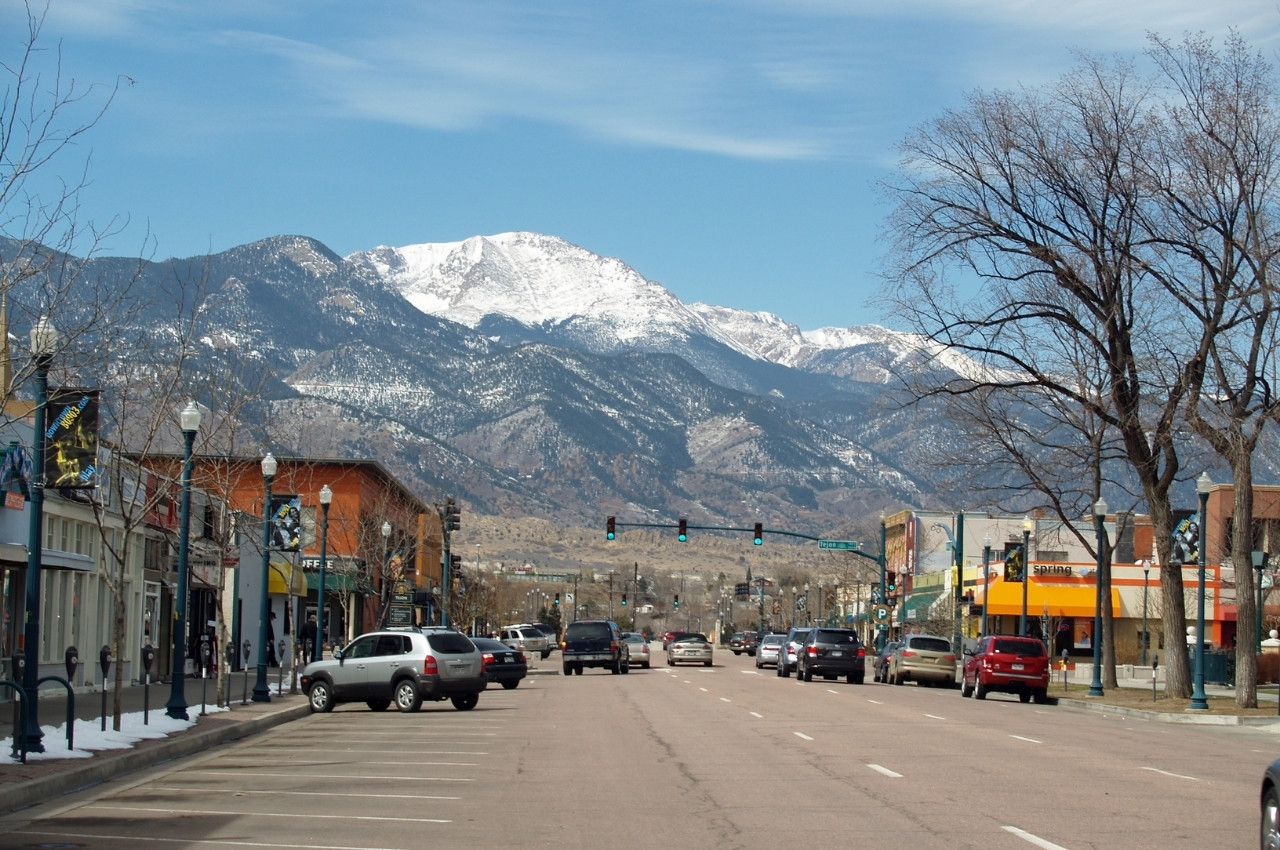
Colorado’s mix of elevation and changing weather has led to fresh travel restrictions this season. Mountain passes such as Vail and Loveland have seen increased snow accumulation, forcing officials to enforce traction laws requiring snow tires or chains. Sudden temperature drops can create black ice on shaded curves, catching drivers off guard. With ski season nearing, the influx of tourists has authorities reinforcing the importance of preparedness. Drivers are encouraged to check CDOT’s real-time alerts before traveling into high-altitude areas.
7. Alaska
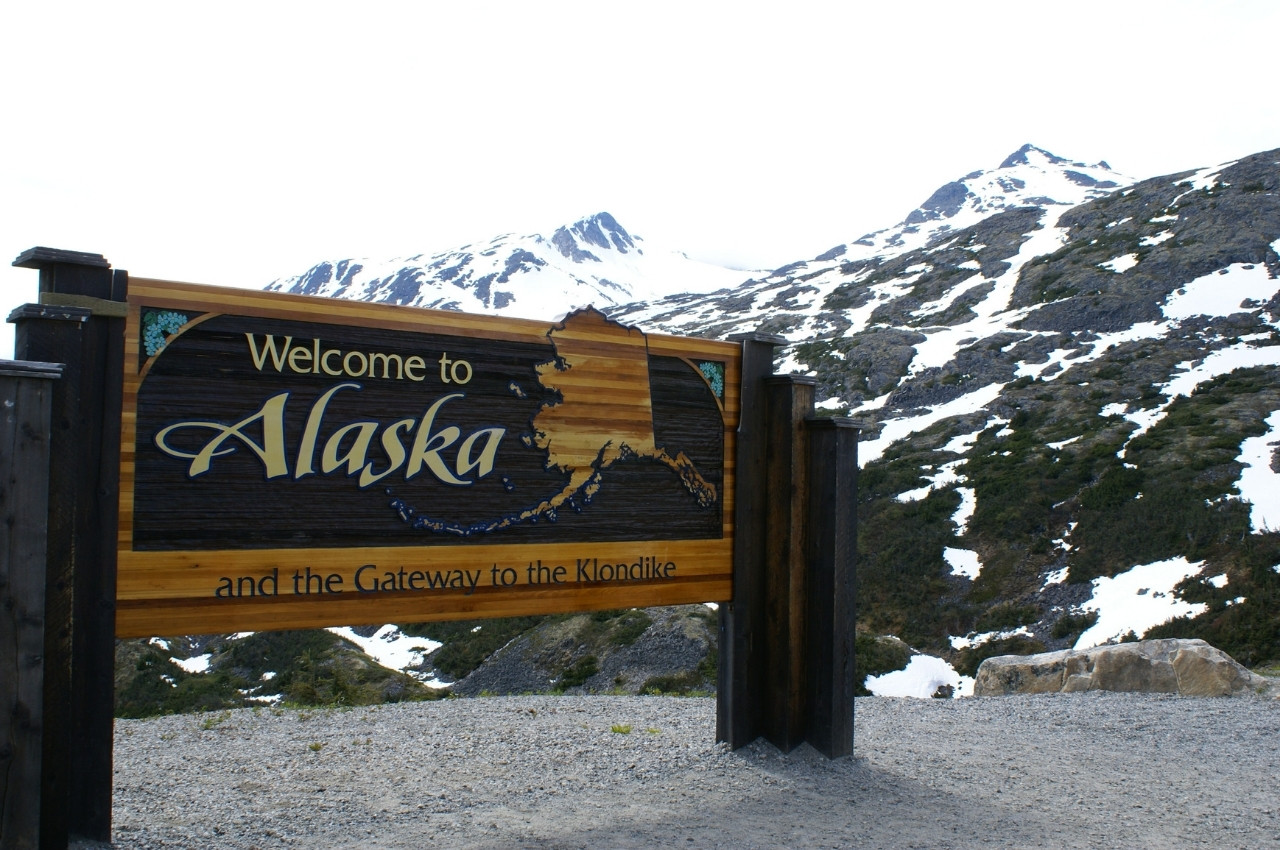
In Alaska, road warnings are more than a seasonal inconvenience; they’re a matter of survival. Recent advisories highlight dangerous ice buildup, reduced daylight, and limited emergency response capabilities in remote areas. The Alaskan winter often brings extreme cold that affects vehicle performance, from frozen brake lines to battery failure. Officials are urging residents to prepare with winter tires, full fuel tanks, and satellite communication devices for long drives. The rugged terrain and unpredictable weather make even routine commutes an adventure that demands respect and caution.