FEEDING PIGEONS IN VENICE
Feeding pigeons in Venice is prohibited to shield historic structures and public health, since bird droppings erode stone and attract pests. The ordinance mirrors the city’s ongoing effort to safeguard delicate façades already pressured by tides and pollution. Visitors often arrive eager to savor regional dishes and admire Renaissance frescoes, unaware that ordinary habits elsewhere can cause trouble here. From coastlines governed by strict conservation rules to small towns guarding traditions with unusual rigor, Italy’s boundaries reveal a deeper narrative. Beneath the beauty lies a country resolute in protecting what makes its culture feel enduring and vibrant.

COLLECTING SAND OR SHELLS FROM BEACHES
Removing sand, shells, or pebbles from many Italian beaches is illegal because these landscapes erode faster than they recover. Coastal areas rely on strict protections to maintain their shape, especially around Sardinia and certain parts of Sicily where dune systems are fragile. Authorities inspect airports for bags carrying unauthorized mementos, since past visitors underestimated the impact of small removals multiplied across thousands of trips. These natural materials are treated as communal assets rather than free keepsakes. Fines reinforce that conservation is not optional but essential for long-term ecological balance.

SITTING OR PICNICKING ON HISTORIC STEPS
Italy bans sitting or picnicking on several historic stairways, including Rome’s Spanish Steps, to prevent stains, litter, and wear on centuries-old stone. The rule developed after crowds treated the steps as casual lunch spots, accelerating deterioration and costly restoration cycles. Preservation authorities argue that these monuments function as cultural symbols rather than public seating. Enforcement tends to be firm but measured, often with gentle warnings before penalties. The aim is not to curtail enjoyment but to maintain the dignity of structures that carry artistic value and heavy foot traffic throughout the year.

WEARING NOISY OR HARD-SOLED SHOES IN CINQUE TERRE
Certain Cinque Terre trails limit loud or hard-soled footwear because they can loosen stones, disturb wildlife, and hasten erosion on narrow coastal paths. Local park authorities introduced the rule after repeated incidents where improper footwear left hikers unstable on rugged terrain. It also addresses noise concerns in villages that echo sharply due to steep cliffs. While the rule may surprise visitors, it reflects a broader effort to preserve the region’s delicate balance of natural and architectural elements. Rangers typically offer guidance before penalties, encouraging safer movement through the already challenging landscape.

SWIMMING TOO CLOSE TO REEFS OR PROTECTED MARINE ZONES
Several coastal regions enforce bans on swimming near reefs and designated marine zones to shield sensitive habitats, particularly those recovering from pollution or unregulated tourism. The rule minimizes accidental contact with coral formations, seagrass, and species that struggle with ongoing disturbances. Authorities use marked buoys to guide swimmers toward safer zones. Violations are usually met with warnings but can escalate when repeat offenses threaten conservation progress. The regulation highlights Italy’s commitment to safeguarding underwater ecosystems that remain vital to local identity and long-term economic stability.

EATING NEAR CERTAIN MONUMENTS
In cities like Florence and Rome, eating near selected monuments is prohibited to prevent litter, stains, and pests that cluster around busy sites. Officials introduced these measures after tourism growth outpaced cleanup capacity and diminished the experience of historic districts. Sandwich wrappers and spilled drinks became recurring problems harming aesthetics and preservation. The rules aim to sustain public respect for areas regarded as cultural treasures rather than casual dining spots. Enforcement varies, but signage is prominent, and officers patrol popular squares to ensure compliance without unduly disrupting visitors.

HIKING WITHOUT APPROVED GEAR ON ALPINE TRAILS
Some Alpine regions require hikers to carry mandatory safety gear, especially when weather can shift or terrain becomes steep. The rule emerged after repeated rescues strained local resources, prompting clearer expectations for preparedness. Proper boots, warm layers, and navigation tools help reduce injuries that can occur suddenly in the mountains. The regulation isn’t meant to intimidate newcomers but to encourage responsible travel through rapidly changing terrain. Violations can incur fines if authorities determine the gear is insufficient for the route’s difficulty and conditions.

USING DRONES IN HISTORIC CENTERS
Drone flights are tightly controlled around Italy’s historic centers due to privacy rules, airspace restrictions, and risks to fragile structures. Cities like Florence, Venice, and Rome implemented strict policies after near-miss incidents where drones veered close to crowds or rooftops. The regulations balance modern photography with centuries-old architecture that cannot withstand accidents. Operators must obtain official permissions before flying, and unauthorized launches can lead to confiscation or penalties. The aim is to keep urban skylines safe while ensuring that technological experimentation does not overshadow the cultural gravity of these storied landscapes.

WEARING SWIMWEAR AWAY FROM THE BEACH IN SOME TOWNS
Several coastal towns ban swimwear on streets away from the shore to maintain decorum and reduce disruptions in residential or historic areas. The rule reflects local standards that shape daily life, especially during summer when crowds spill beyond waterfront promenades. Authorities found that relaxed attire sometimes clashed with expectations near churches, shops, and civic spaces. Clear posted signs help visitors navigate boundaries without feeling singled out. Penalties are typically modest, serving as reminders that respecting local norms contributes to smoother relations between residents and travelers.

BUYING COUNTERFEIT DESIGNER GOODS
Italy enforces stern penalties for purchasing counterfeit designer goods, not only for vendors but sometimes for buyers who knowingly participate. The rule reflects the country’s commitment to craftsmanship, fashion heritage, and intellectual property. Local police patrol tourist zones where knockoffs circulated. By targeting demand as well as supply, authorities aim to disrupt networks linked to exploitation and tax evasion. Fines can be significant, underscoring how seriously violations are treated. The policy supports artisans who rely on legitimate markets to sustain enduring traditions.

CLIMBING ON MONUMENTS OR ANCIENT RUINS
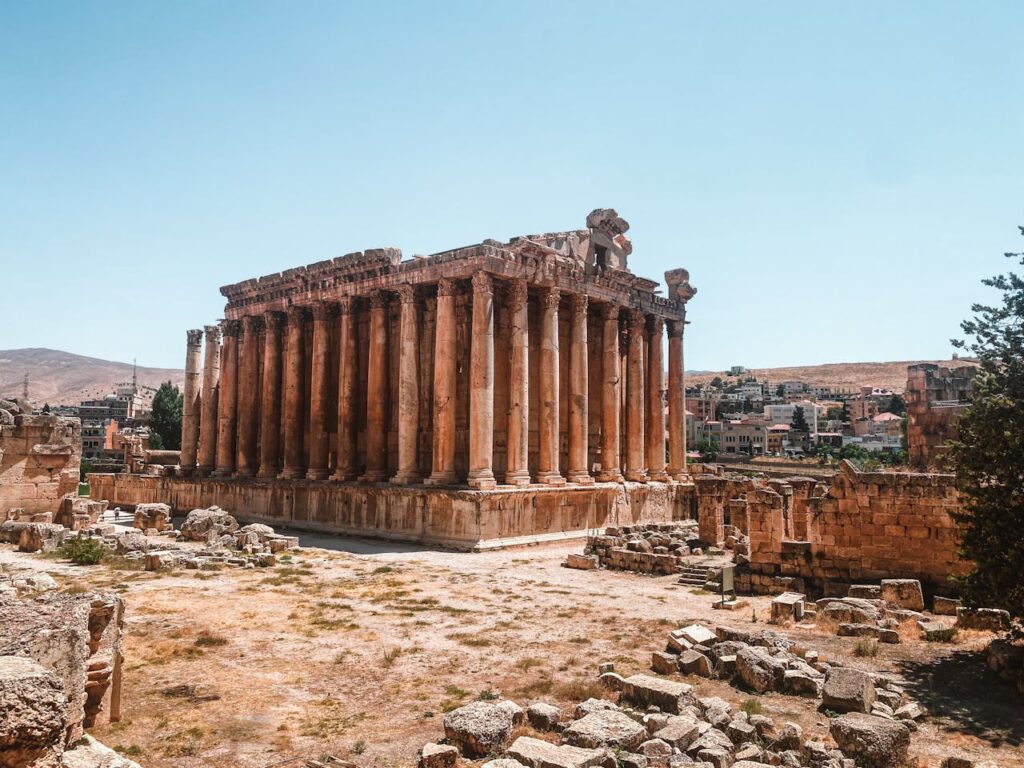
Climbing on monuments or ancient ruins is treated as a serious offense, since many structures are delicate remnants that cannot withstand extra stress. Authorities established these rules after multiple incidents where casual climbing caused chips, cracks, or surface damage. Sites such as the Forum and Pompeii require careful stewardship, and enforcement teams monitor behavior to prevent accidents before they occur. The prohibition isn’t meant to curb exploration but to acknowledge the vulnerabilities of ancient architecture. Respecting these boundaries ensures fragile artifacts endure for future study and appreciation.