

Many people assume that anything found in their backyard is theirs to keep or sell, but that is not always the case. Across the United States, certain items fall under strict local, state, or federal laws. According to the U.S. Fish and Wildlife Service, even natural objects like feathers or plants may be protected by regulations. Selling or collecting without proper permission could result in fines or legal consequences. Here are seven surprising things you might not be allowed to gather or sell from your own yard.
1. Bird Feathers
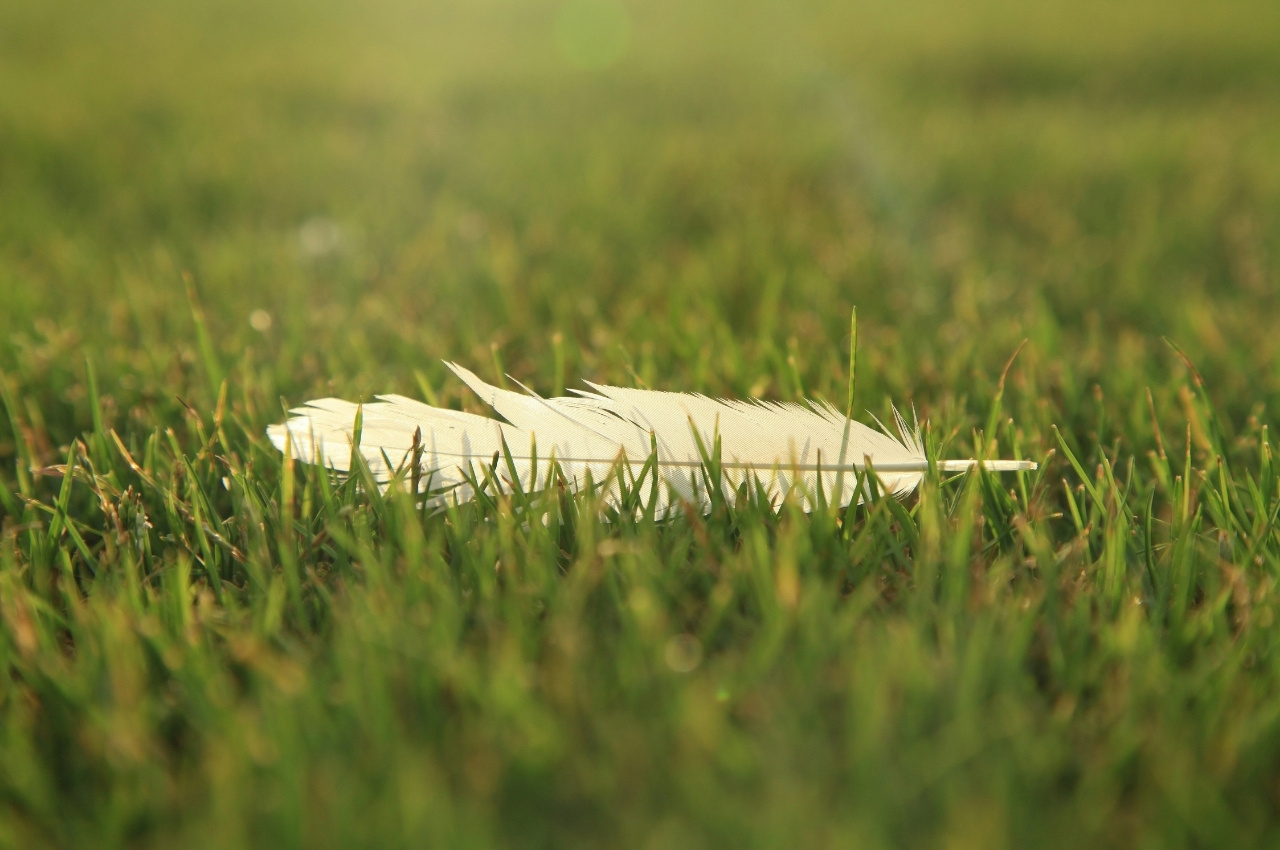
Collecting bird feathers may seem harmless, but under the Migratory Bird Treaty Act, it is illegal to possess most native species’ feathers. According to the U.S. Fish and Wildlife Service, this law was designed to protect birds from overhunting and exploitation in the feather trade. Even if a feather naturally falls in your yard, you cannot legally keep or sell it. The only exceptions are for non-native species like starlings and house sparrows. This regulation highlights how something as simple as a feather can carry major legal restrictions for homeowners.
2. Certain Plants
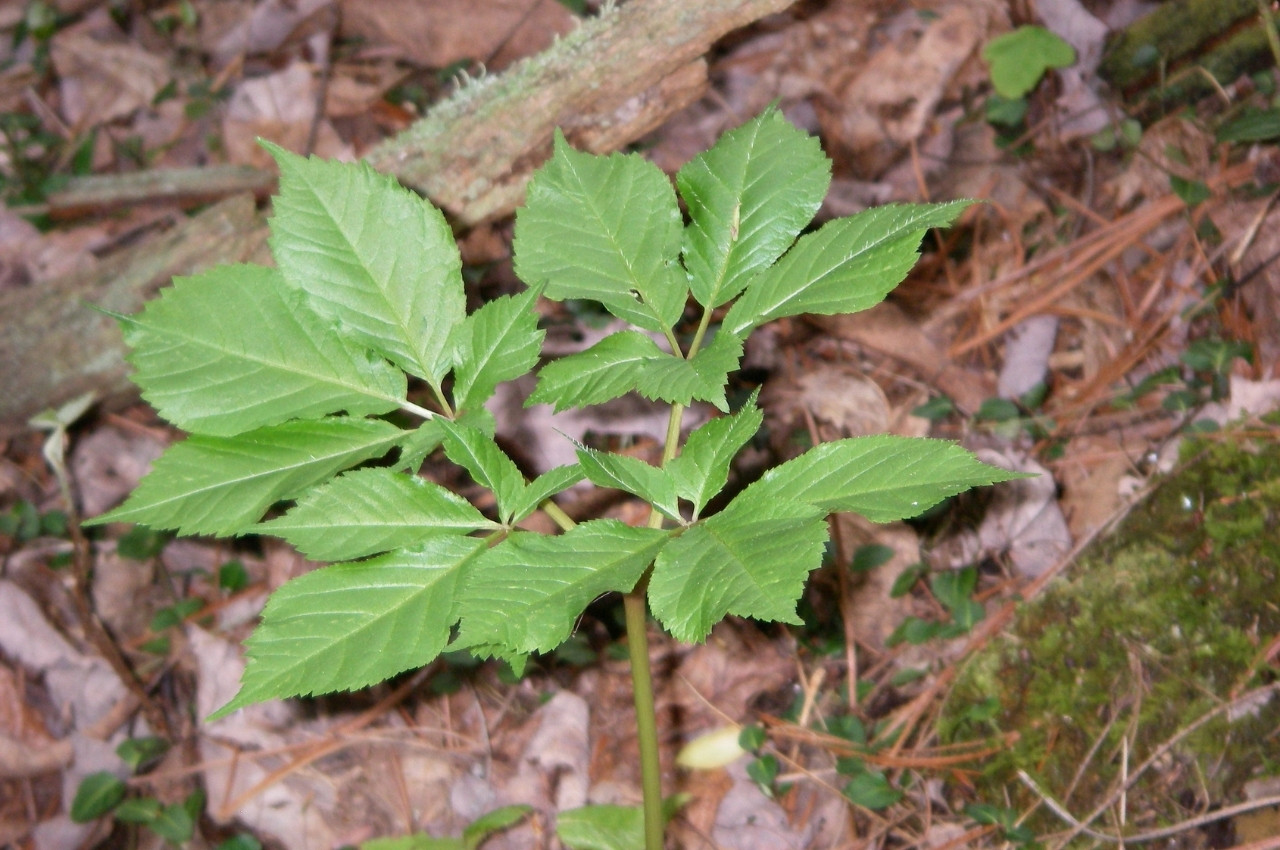
Not all plants growing in your backyard are yours to freely harvest or sell. According to the U.S. Department of Agriculture, species listed as endangered or invasive are subject to strict control. For instance, ginseng and some orchids require permits to collect or sell due to overharvesting concerns. Even common plants may be restricted if they spread invasively. Local conservation authorities often regulate the movement of plants to prevent ecological damage. Before selling backyard greenery, it is important to confirm whether it falls under federal or state protection laws.
3. Rainwater
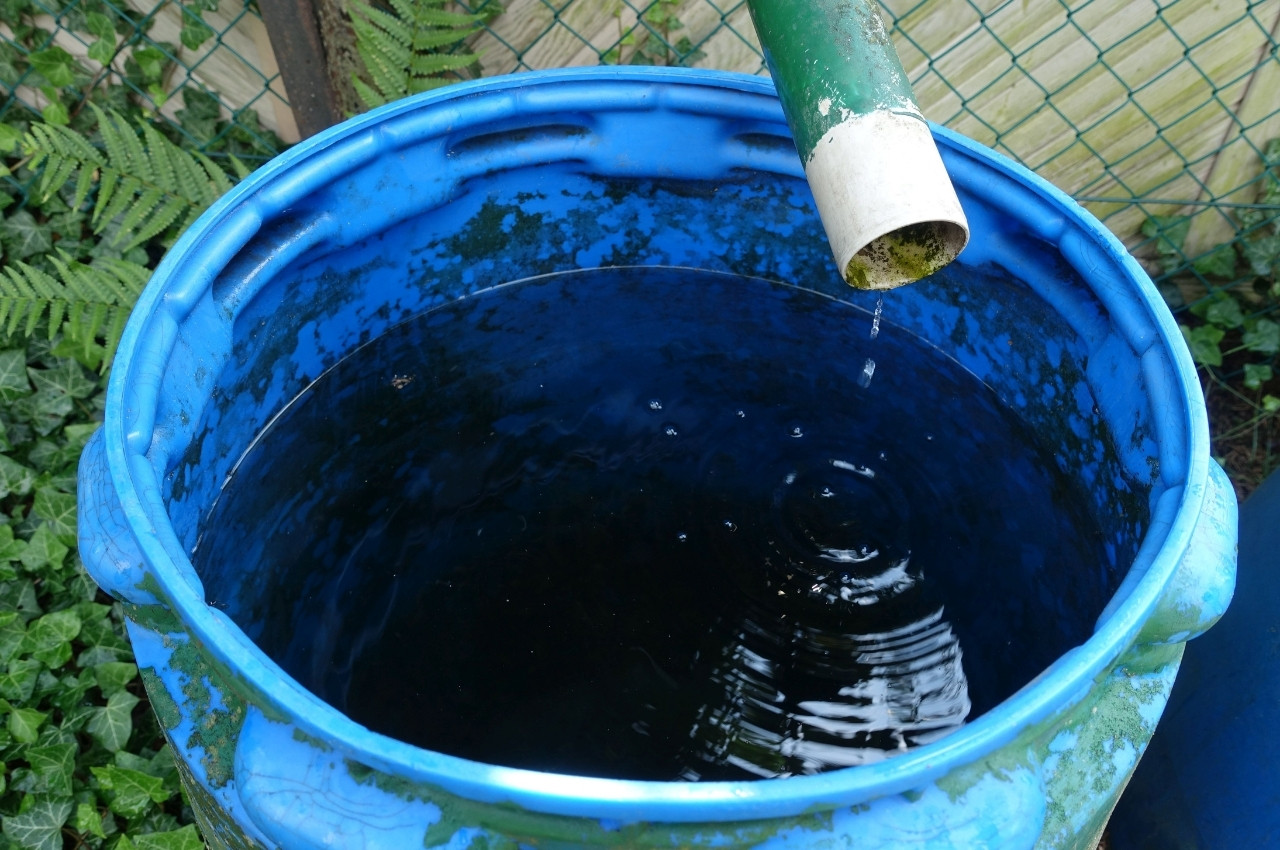
In some states, collecting rainwater without authorization is regulated or restricted. According to the National Conference of State Legislatures, while many states now allow personal rain barrels, larger-scale collection systems may require permits. The concern stems from water rights laws that designate rainwater as part of a larger watershed. In places like Colorado, strict rules historically limited private collection, though reforms have eased some restrictions. Selling collected rainwater or using it beyond personal purposes may still face limitations, making this a surprising example of a backyard resource that is not always free to use.
4. Arrowheads and Artifacts
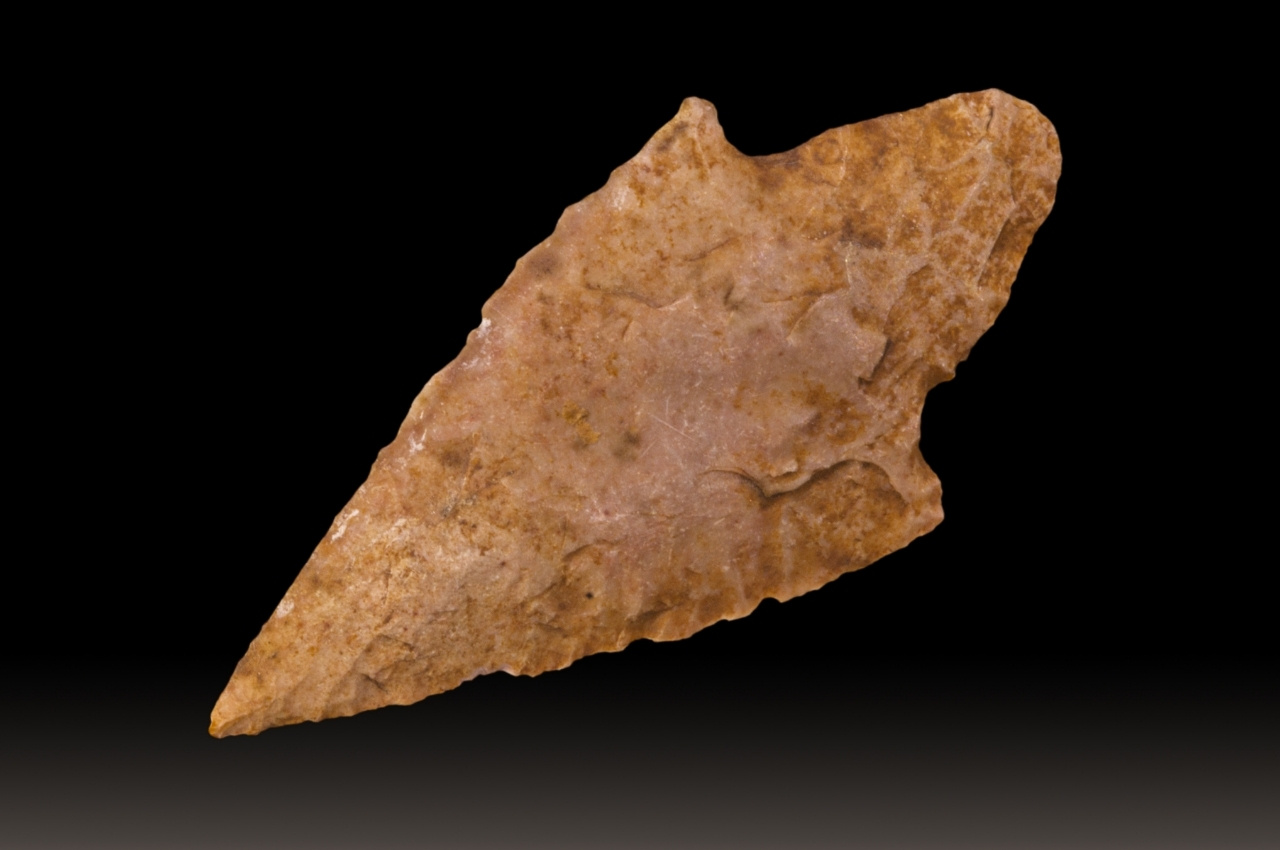
Finding arrowheads or cultural artifacts in your backyard might feel like a treasure discovery, but selling them is often prohibited. According to the Archaeological Resources Protection Act, Native American artifacts and historic items found on private or public land may be protected. Even on your own property, laws vary depending on the artifact’s cultural significance. Selling or trading such items without proper permits can lead to fines and even confiscation. These rules help preserve history and protect sacred cultural heritage, ensuring artifacts remain respected rather than treated as collectible commodities.
5. Rocks and Minerals
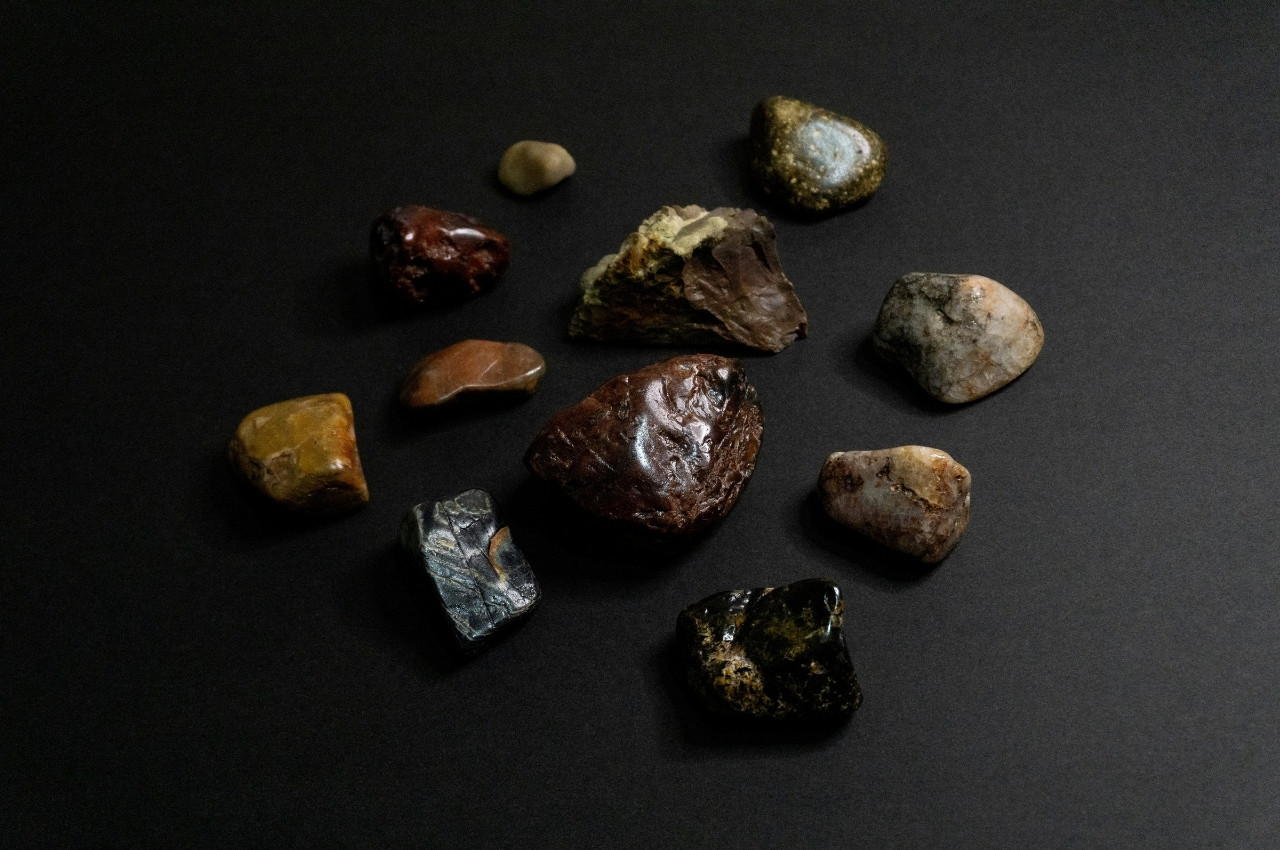
Backyard rocks or minerals are not always free to sell, especially if they contain valuable elements. According to the U.S. Geological Survey, some mineral resources are federally or state-managed, particularly in mining regions. For instance, uranium and other rare minerals fall under strict regulations. Even decorative rocks might face local rules if they are part of protected formations. Collectors should confirm whether backyard finds are legally theirs to profit from. These restrictions highlight how natural resources, even when sitting in your yard, are often considered part of broader environmental protections.
6. Wildlife Remains
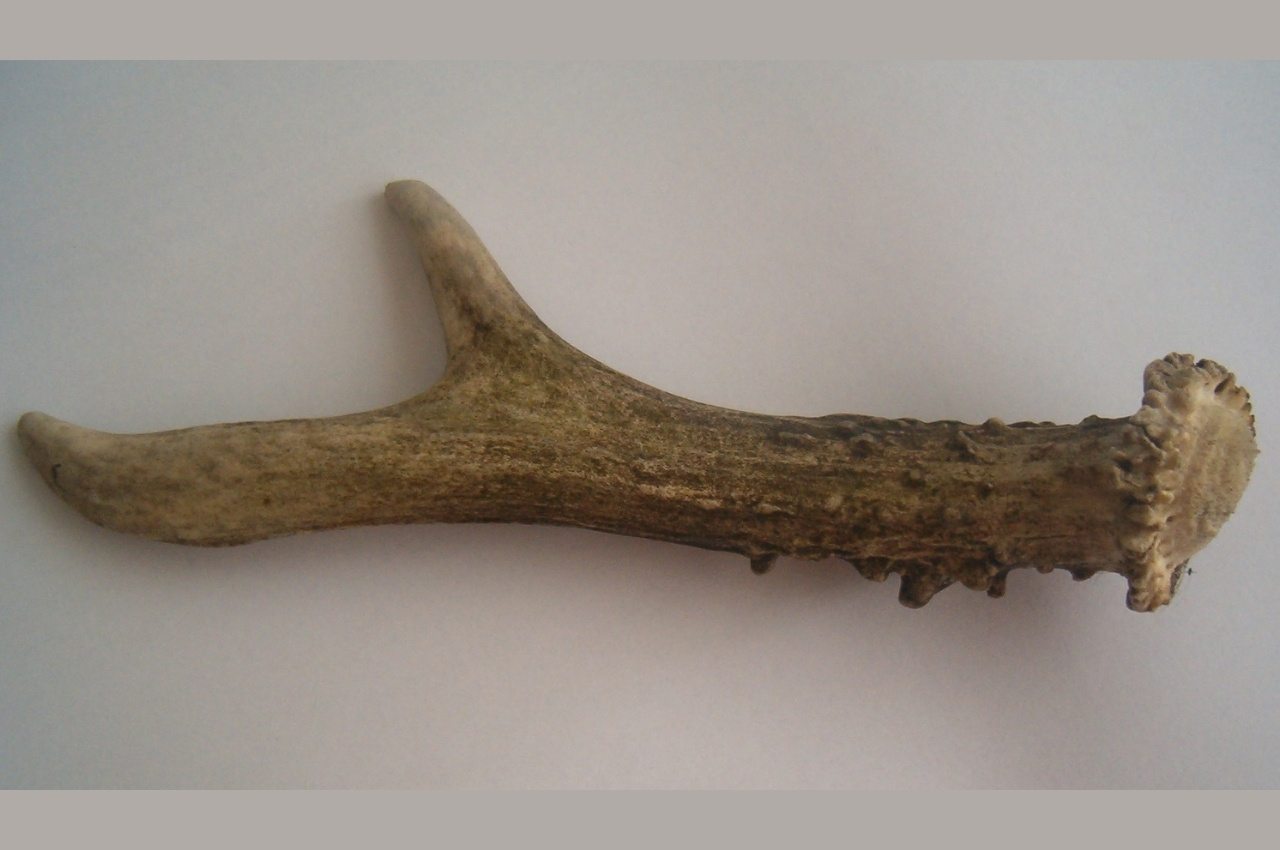
Animal bones, antlers, or remains found in your backyard may be subject to laws designed to prevent poaching or trade in protected species. According to the U.S. Fish and Wildlife Service, possession or sale of eagle feathers, bear parts, or other regulated wildlife products is strictly illegal. Even naturally shed antlers may require special permits in some states. While it may seem like nature’s leftovers are fair game, laws often classify them as part of regulated wildlife resources. This ensures animals are not exploited under the guise of backyard discoveries.
7. Timber and Firewood
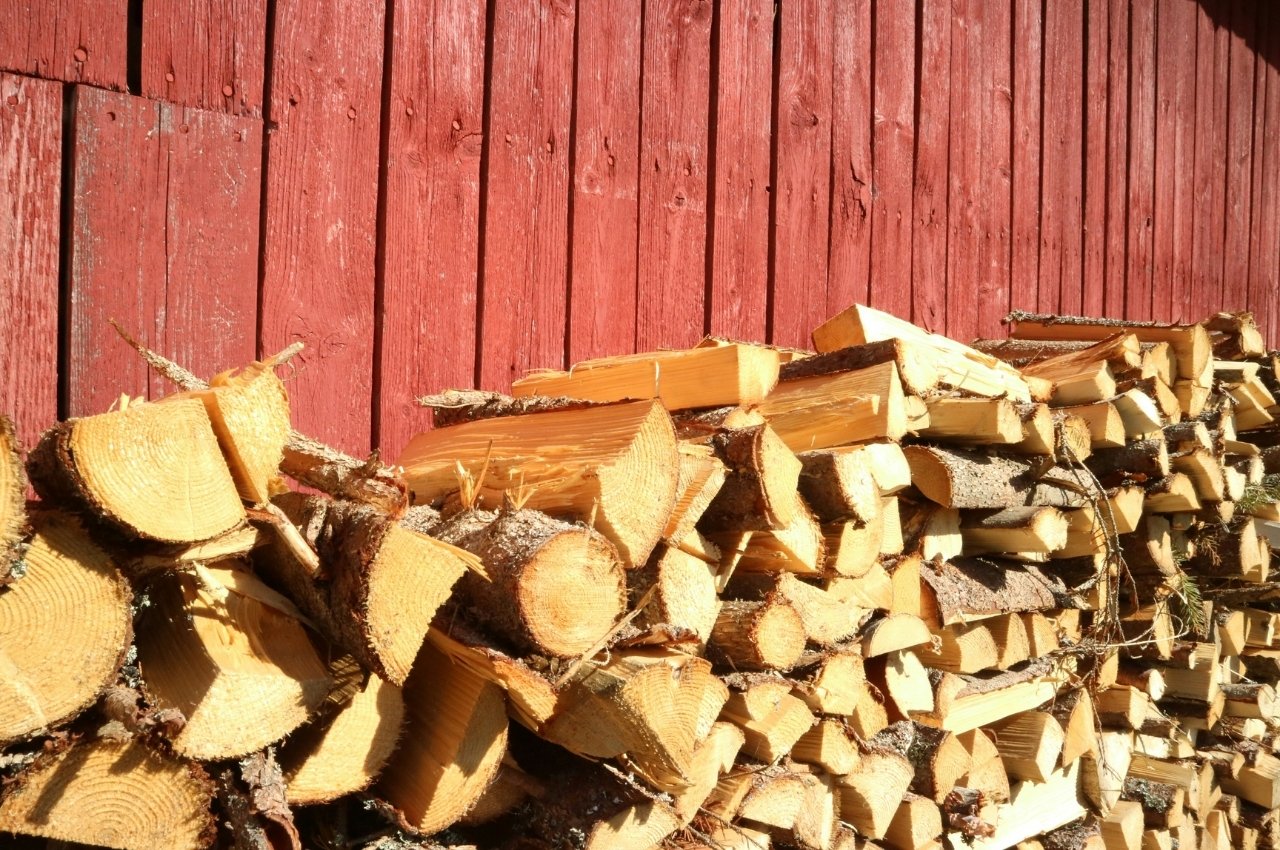
Cutting down backyard trees and selling the wood might seem straightforward, but timber is often regulated at the state or municipal level. According to the U.S. Forest Service, permits may be required to sell firewood, especially if the wood is transported across county or state lines. This is to prevent the spread of invasive pests like the emerald ash borer. Even small-scale backyard firewood sales can fall under these rules. Homeowners should check with local forestry offices before selling cut wood to avoid unexpected fines or legal complications.