
While many civil rights leaders are celebrated in history books, countless women who fueled the movement remain underrecognized. These women organized protests, led grassroots efforts, and risked their lives to push for equality. According to the National Museum of African American History and Culture, women often served as the backbone of civil rights movements, balancing activism with family and community responsibilities. Their courage not only challenged racial injustice but also inspired future generations. Here are seven women whose contributions were vital to civil rights struggles and who deserve more recognition than they often receive.
1. Ella Baker
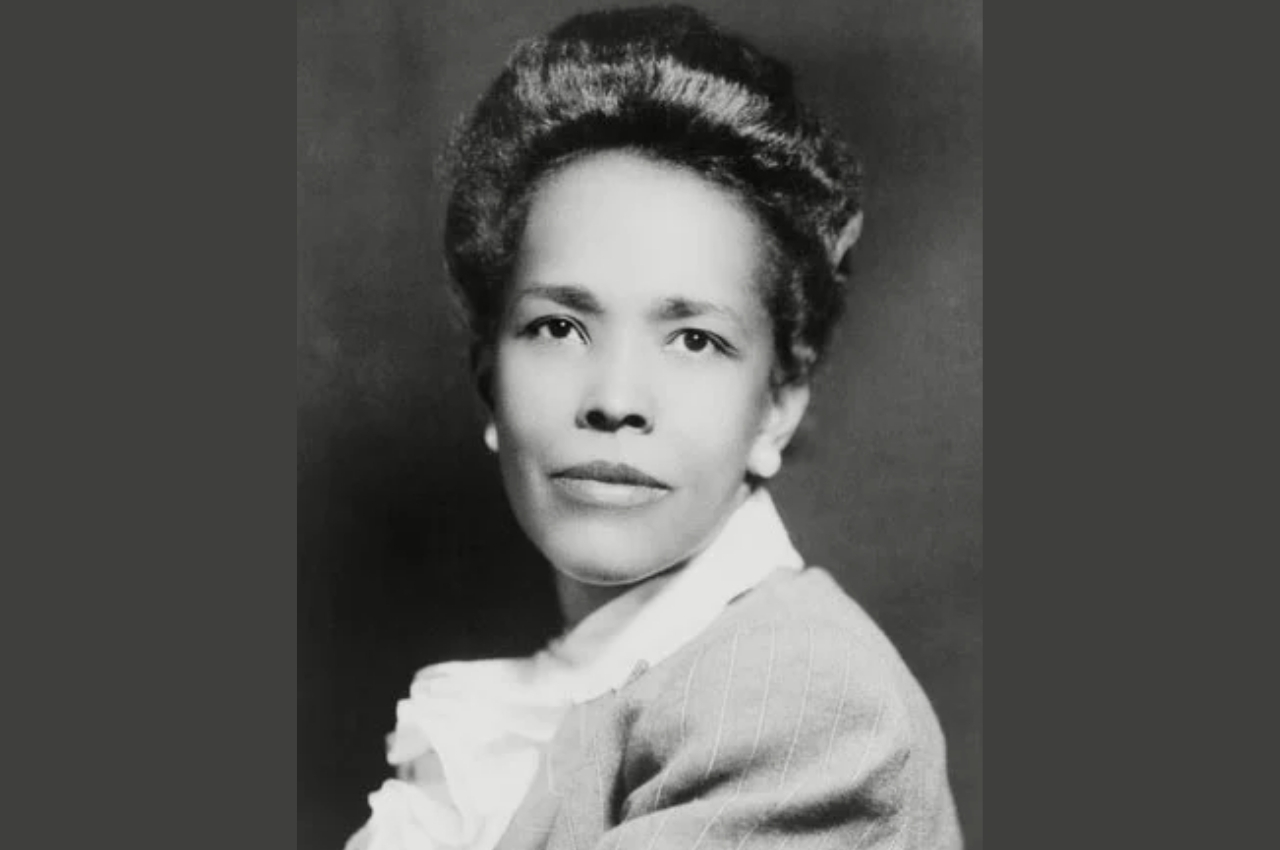
Ella Baker played a pivotal role in shaping the civil rights movement by focusing on grassroots organizing and leadership development. She worked alongside Martin Luther King Jr. but believed strongly in empowering ordinary people rather than relying on charismatic leaders. According to the Martin Luther King Jr. Research and Education Institute, Baker was instrumental in founding the Student Nonviolent Coordinating Committee (SNCC), where she mentored young activists. Her approach emphasized collective leadership and participatory democracy, principles that still influence social movements today. Baker’s behind-the-scenes leadership made her one of the most effective civil rights strategists.
2. Fannie Lou Hamer
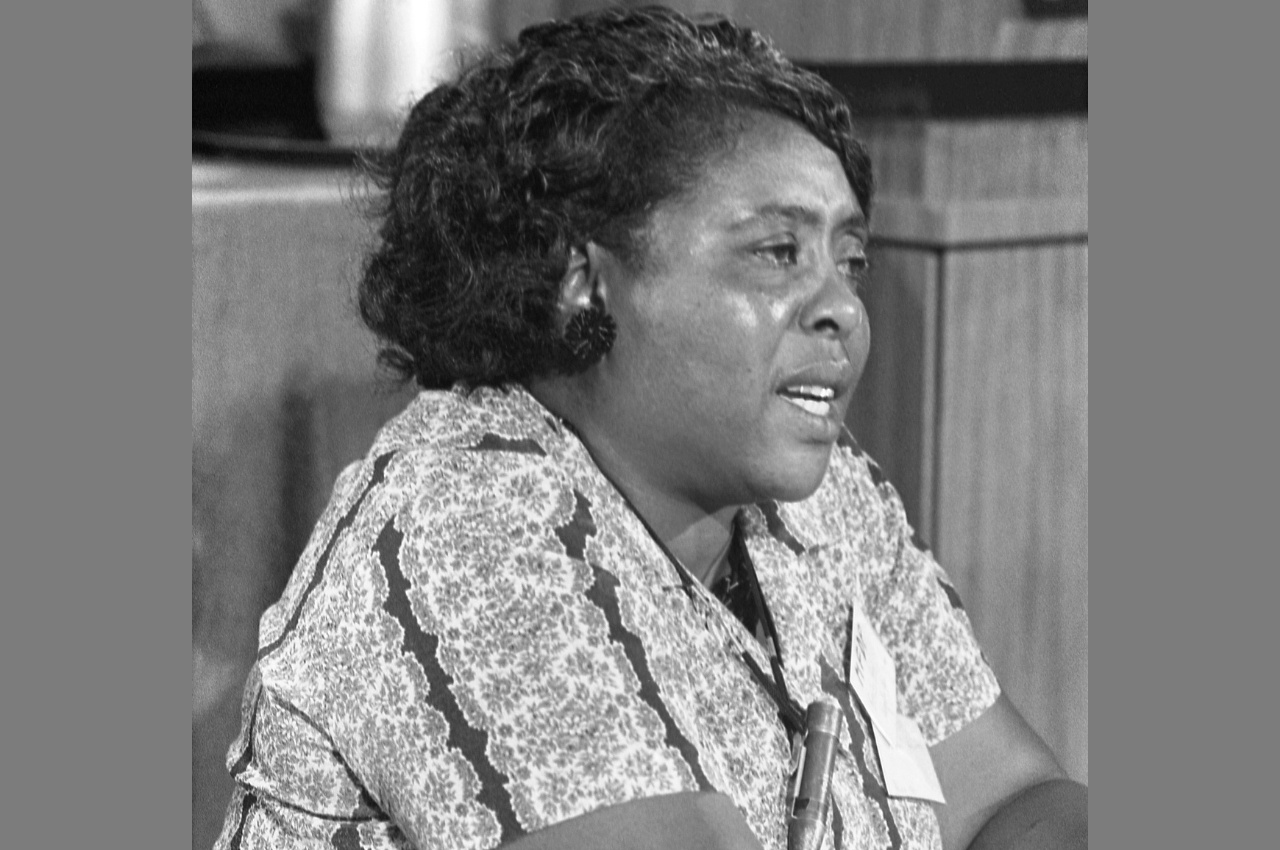
Fannie Lou Hamer was a powerful voice for voting rights and equality. Born into a family of sharecroppers, she became an activist after being denied the right to register to vote. According to the Library of Congress, Hamer co-founded the Mississippi Freedom Democratic Party, which challenged the exclusion of Black delegates at the 1964 Democratic National Convention. Her televised testimony about the brutal violence she endured brought national attention to voter suppression. Hamer’s courage and insistence on political representation reshaped the conversation on democracy and made her a key figure in civil rights history.
3. Septima Poinsette Clark
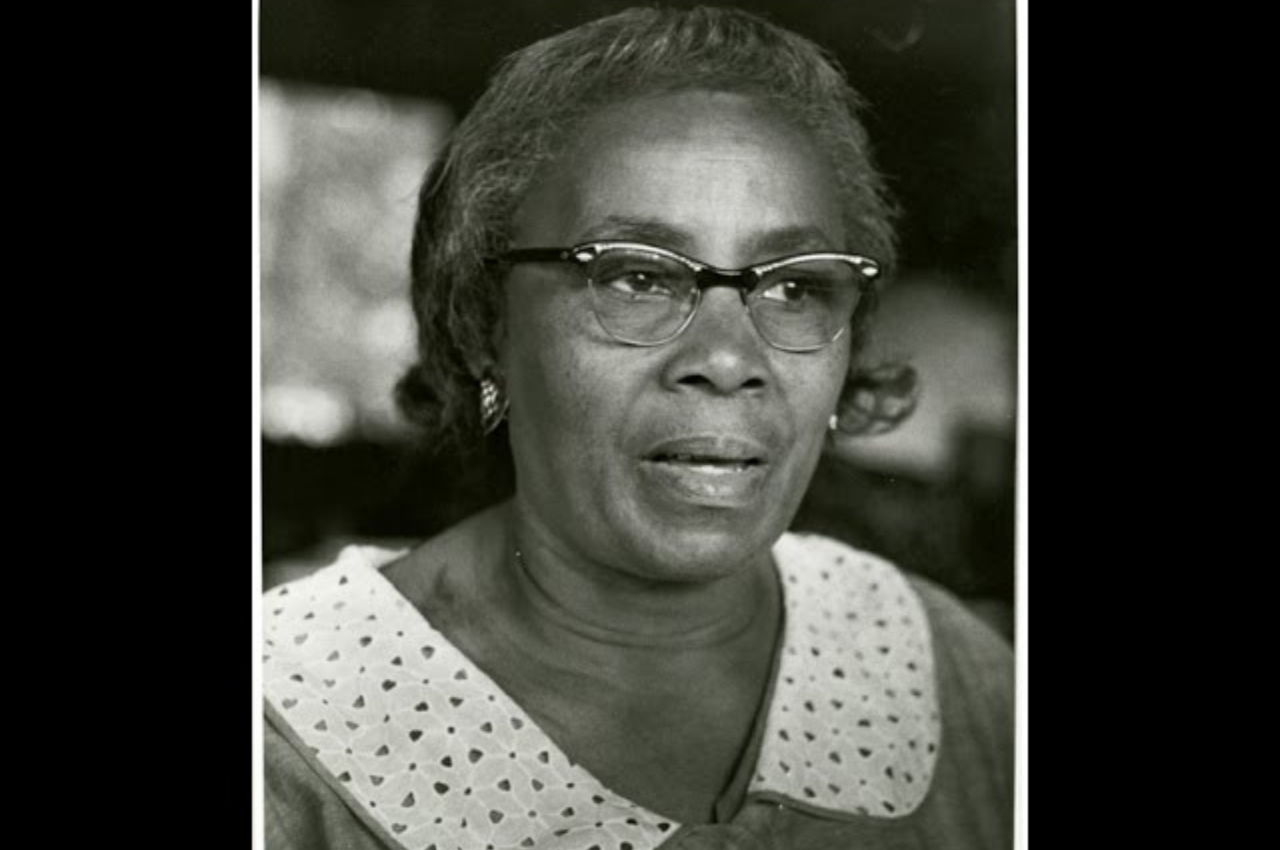
A teacher who felt that literacy was crucial to freedom, Septima Clark is known as the “Mother of the Movement.” She developed citizenship schools that taught reading, writing, and civic engagement, empowering thousands of African Americans to pass discriminatory voter literacy tests. According to the Highlander Research and Education Center, Clark’s program became a cornerstone of the Southern Christian Leadership Conference’s strategy. Her commitment to education as a tool of liberation demonstrated how teaching could dismantle systemic barriers. Clark’s work equipped ordinary citizens with the skills to demand justice and exercise their civil rights.
4. Dorothy Height
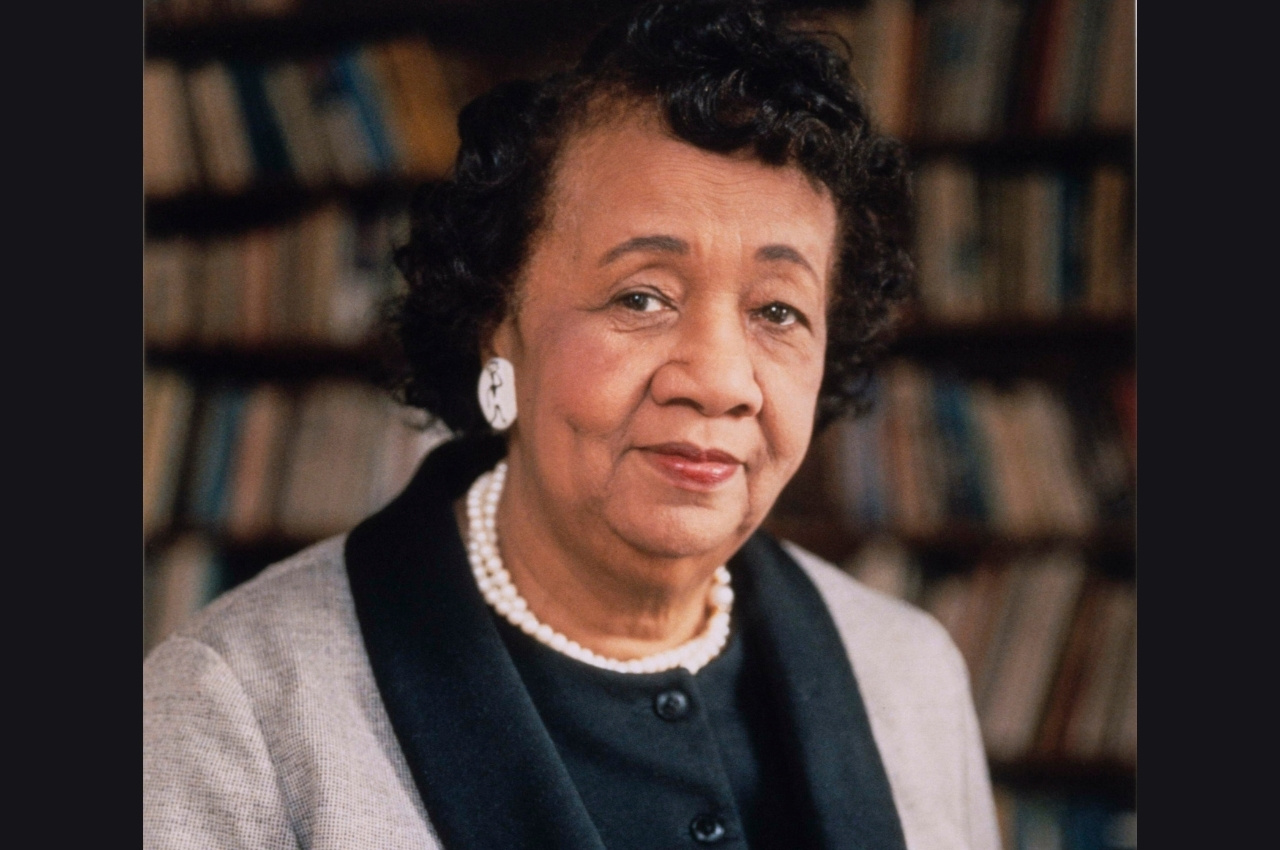
Dorothy Height was a tireless advocate for civil rights and women’s rights, often bridging the two struggles. She served as president of the National Council of Negro Women for four decades, using her leadership to amplify the voices of Black women. According to the Smithsonian’s National Museum of American History, Height played a key role in organizing the 1963 March on Washington, although she was often excluded from public recognition. Her advocacy focused on issues like employment, education, and reproductive rights, highlighting the intersection of race and gender in the fight for equality.
5. Jo Ann Robinson
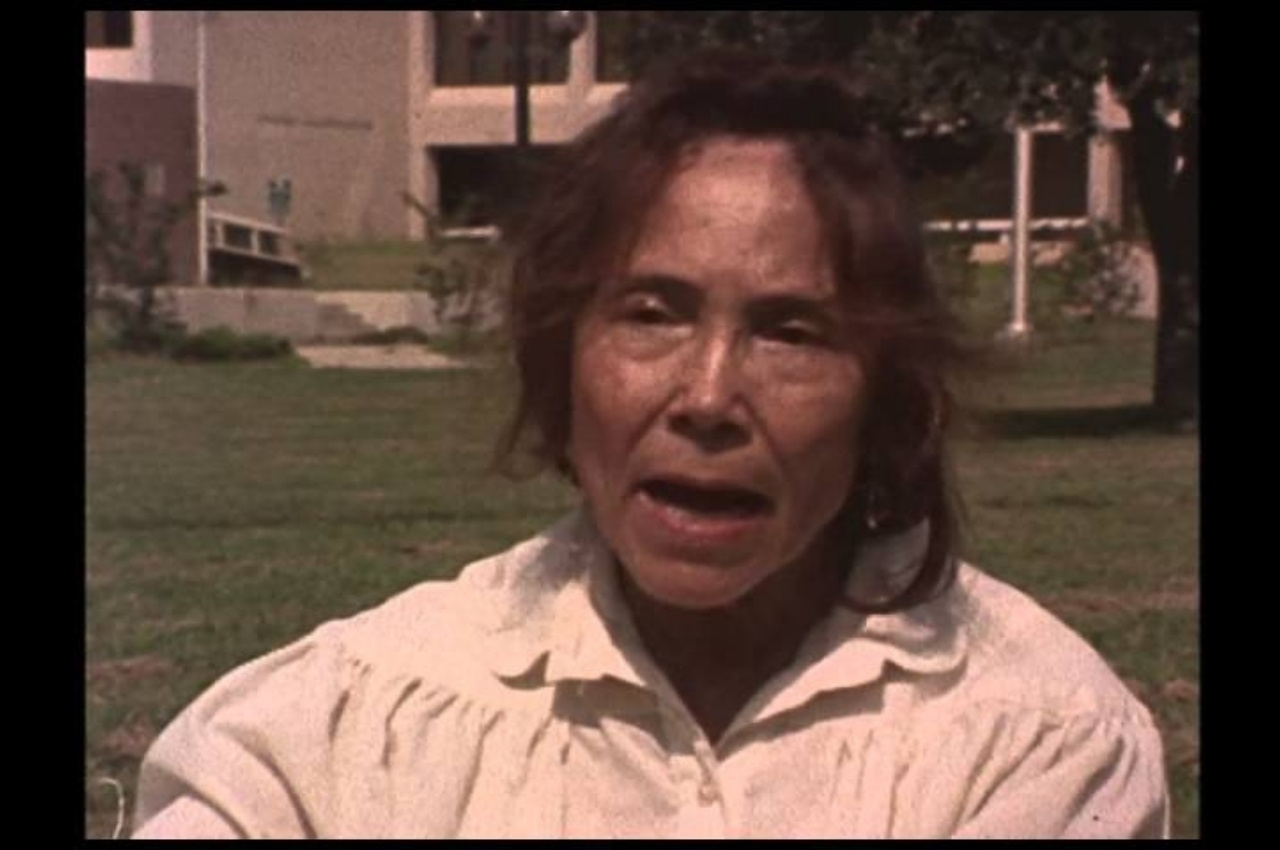
Jo Ann Robinson was a key figure in sparking the Montgomery Bus Boycott, one of the most iconic events of the civil rights movement. After being verbally assaulted by a bus driver, she worked with the Women’s Political Council to mobilize a citywide boycott following Rosa Parks’ arrest. According to Alabama State University archives, Robinson and her group distributed more than 50,000 flyers overnight, ensuring mass participation. Though she avoided the spotlight, her organizational skills and determination were essential to the boycott’s success. Robinson’s efforts demonstrated the power of women-led community action.
6. Pauli Murray
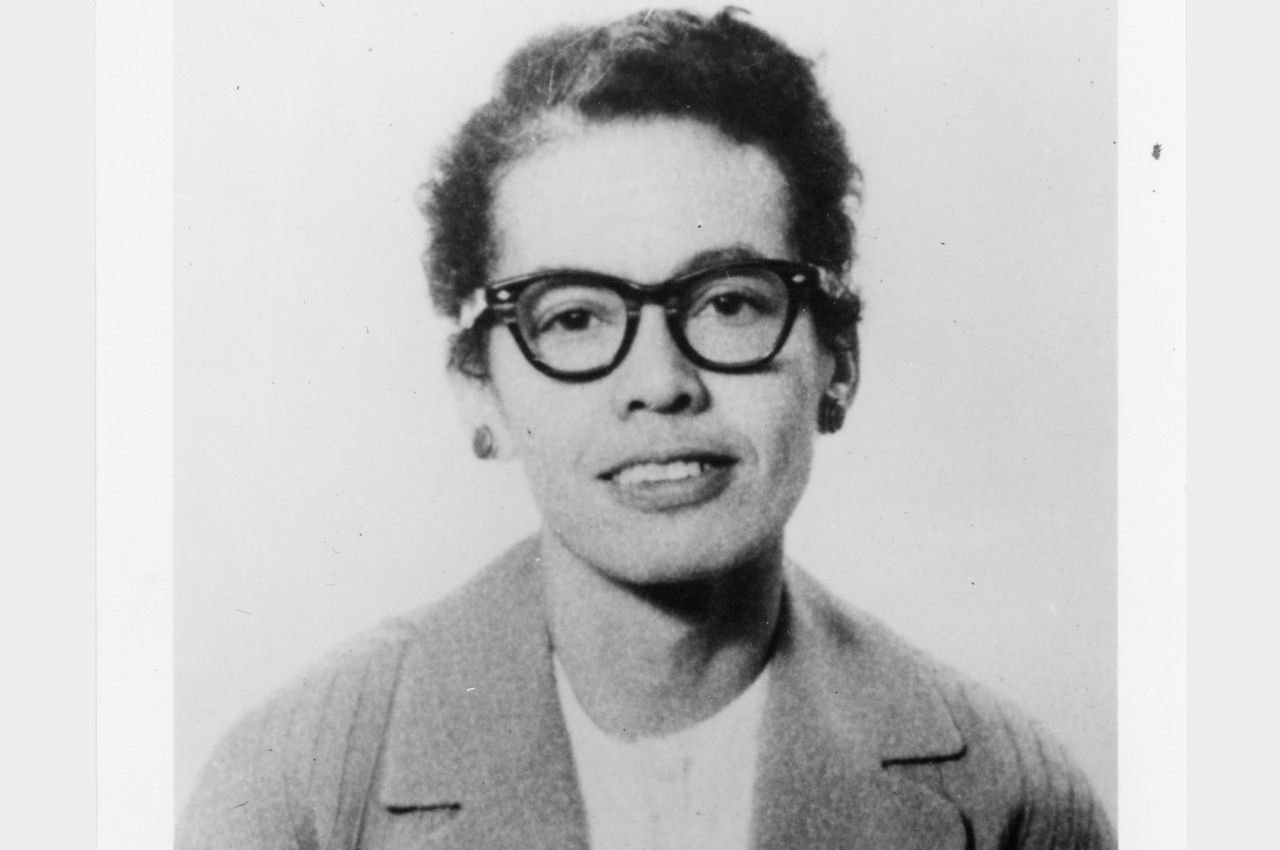
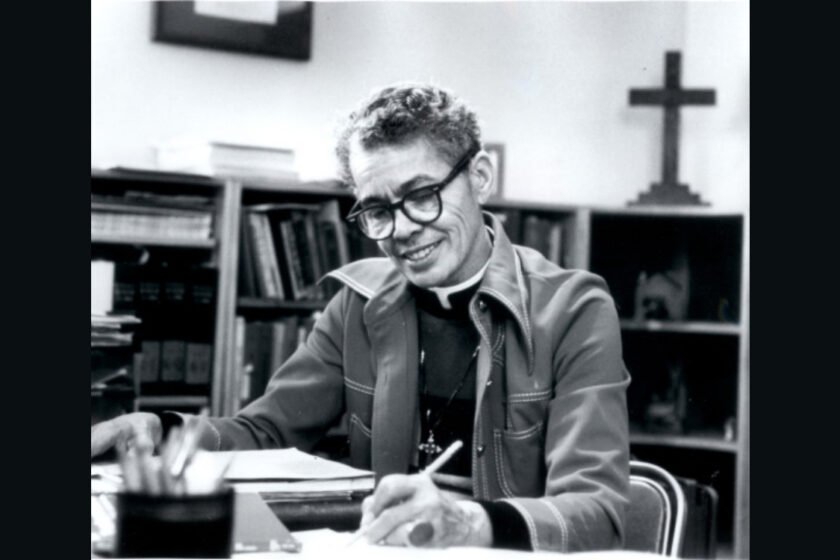
Pauli Murray was a lawyer, activist, and intellectual whose work bridged civil rights and gender equality. She co-founded the National Organization for Women and challenged both racial and gender discrimination. According to Yale University, Murray’s legal arguments on equal protection influenced landmark Supreme Court decisions, including Brown v. Board of Education. Later ordained as the first Black female Episcopal priest, Murray’s life embodied resilience and pioneering spirit. Her intersectional perspective made her a trailblazer who connected struggles for racial justice with women’s rights long before the term “intersectionality” was widely used.
7. Constance Baker Motley
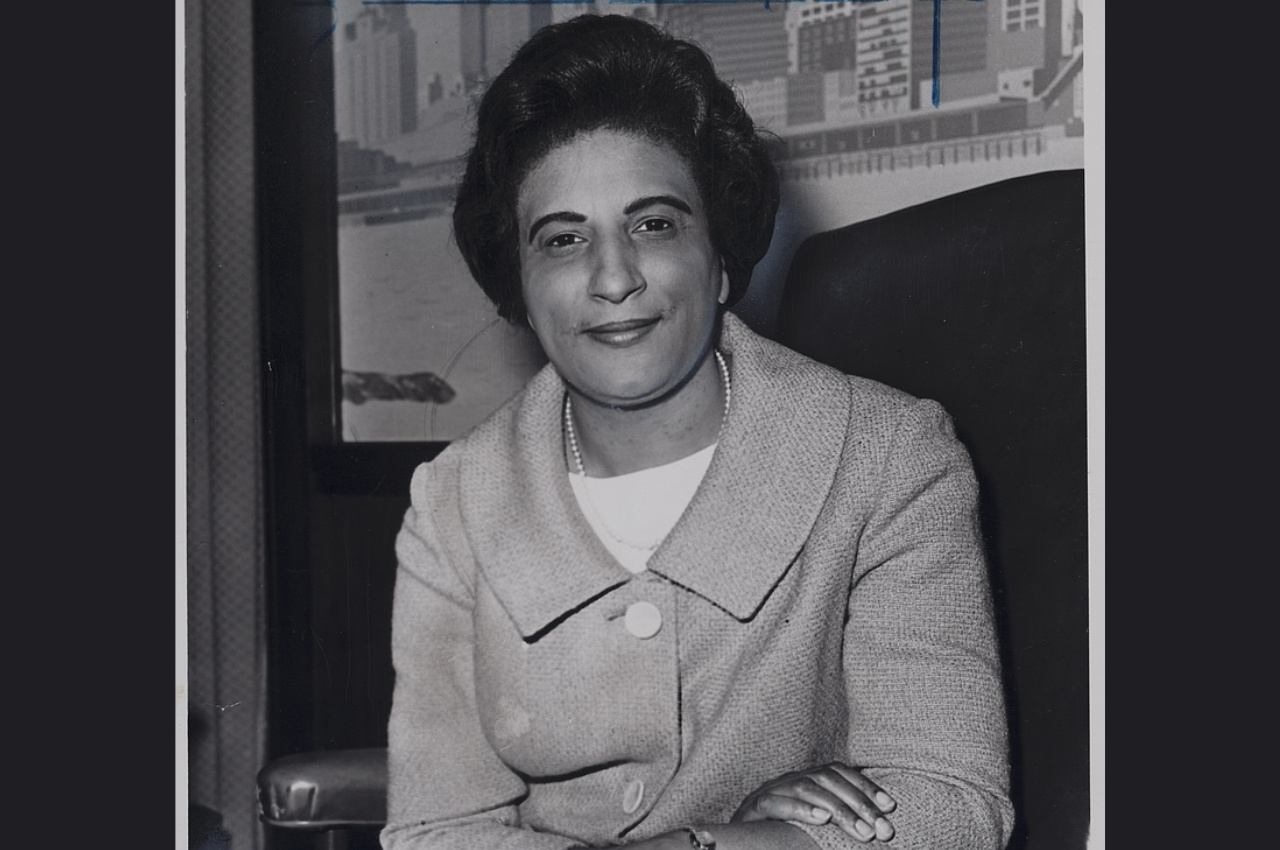
Constance Baker Motley was a trailblazing lawyer and judge who fought tirelessly for civil rights through the courts. As the first Black woman to argue before the U.S. Supreme Court, she played a vital role in many landmark cases. According to Columbia Law School, Motley worked with the NAACP Legal Defense Fund on cases that desegregated schools and public facilities. She later became the first Black woman appointed to the federal judiciary. Motley’s career demonstrated the crucial role of legal strategy in dismantling segregation and advancing equal rights in America.