
This post includes affiliate links. For details, see the disclosure.
Eight Accent Chairs People Often Skip Sitting In
1. Sculptural Statement Chairs
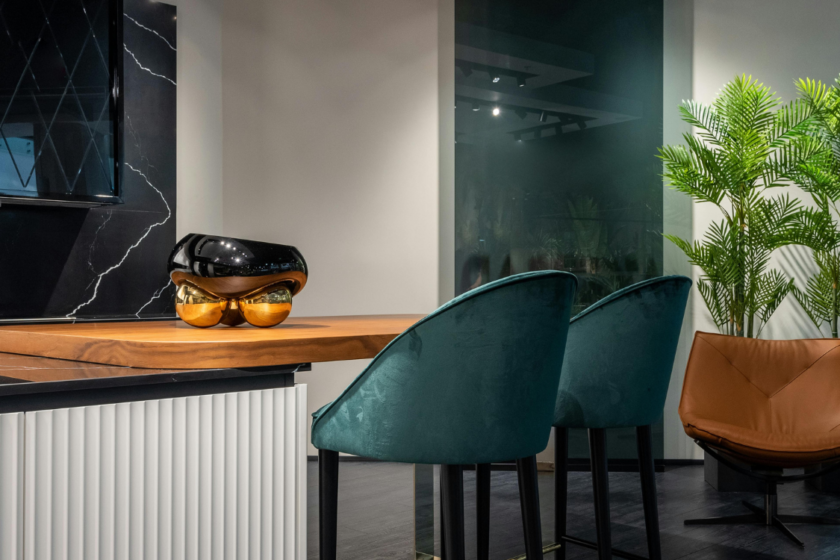
Sculptural chairs prioritize artistic form over comfort. Their sharp angles, stiff curves, or exaggerated shapes often prevent a comfortable position for the arms or back. They may look striking on their own, but after a short spell of sitting, they feel awkward and unsupported. Many are built with minimal padding or rigid materials that offer little support. Guests hesitate to sit because they don’t know how to position themselves. In real homes, furniture should encourage a relaxed posture, not just look appealing. As a result, these chairs tend to be more decorative than practical.
2. Slipper Chairs With No Arm Support

Because they’re compact and lack arms, slipper chairs are easy to design but not comfortable for extended use. Without arm support, the body lacks balance, especially for older individuals or those with joint issues. Additionally, the seats and backs are often too shallow to adequately support the spine. People avoid them at gatherings because they feel unstable, though they suit cozy nooks or bedrooms. Chairs with arms provide more comfort, help you unwind, and allow longer sitting periods, making armless designs impractical.
3. Egg Chairs Designed for Indoors

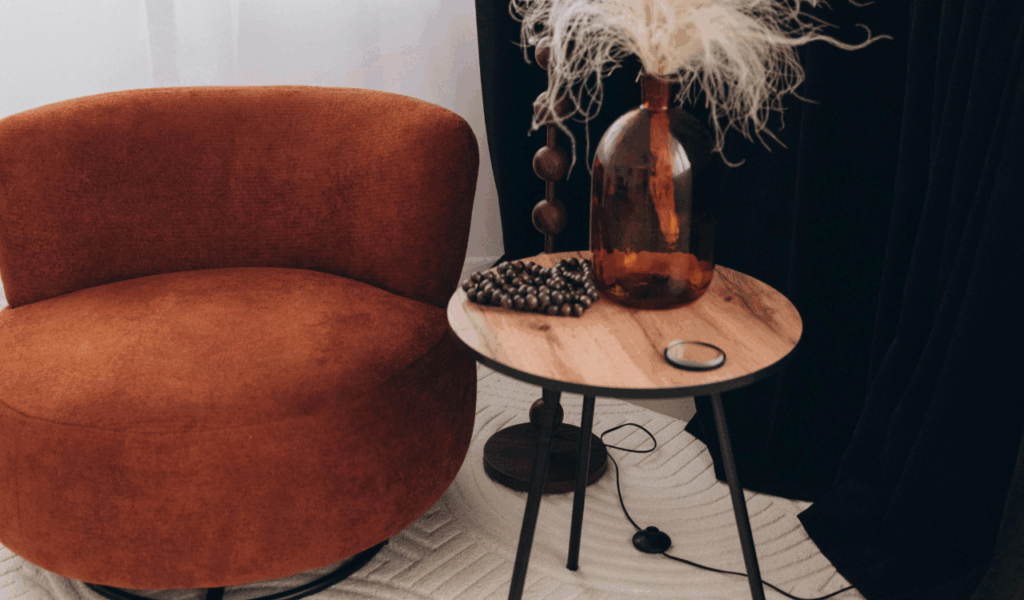
Online, indoor egg chairs look inviting, but in real life they often fall short of that promise. Their deep, enclosed design makes movement in and out difficult. They’re bulky and take up considerable floor space, and they tend to accommodate only one fixed sitting position. In hot weather, cushions can feel stuffy if there isn’t enough airflow. Their height usually doesn’t align with standard furniture, disrupting visual balance. They’re fine for occasional lounging but aren’t particularly practical for daily use or for guests in most homes.
4. Ultra Low Lounge Chairs
Very low lounge chairs may look stylish and casual, yet they’re hard to sit in properly. Standing up from them strains the knees and back. The low stance also makes conversations awkward since sitters are below eye level. They often lack sufficient lower-back support, causing a slump. People gravitate toward higher seating in real homes for comfort and accessibility. Ultra-low designs tend to be more about display than daily use, especially when hosting multiple people.
5. Rattan or Cane Chairs Without Cushions
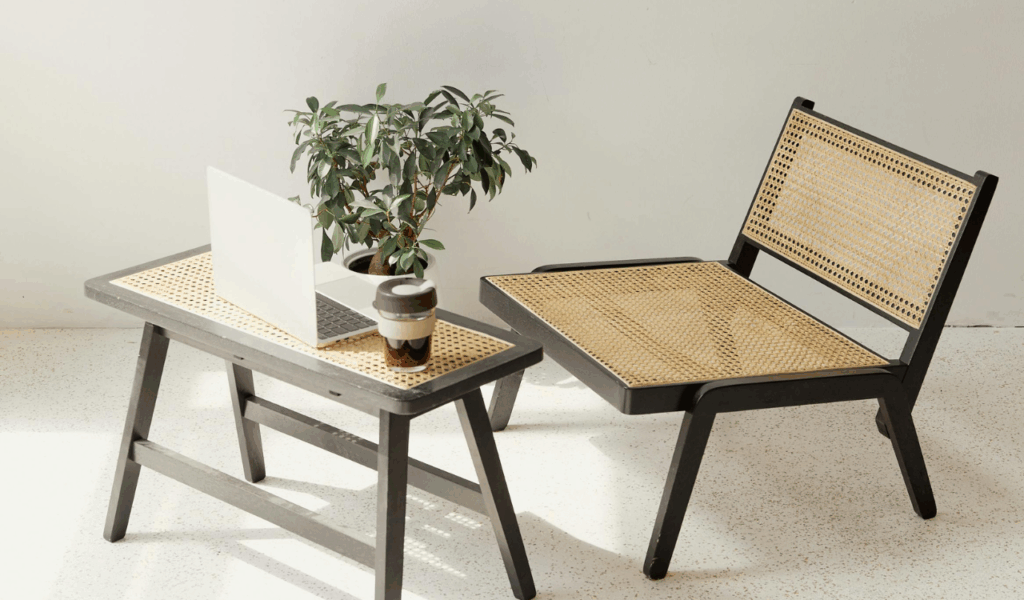
Chairs made from natural fibers add texture but aren’t always comfortable. Rattan and cane seats without adequate padding feel rough and uneven, making long sessions uncomfortable. Over time, these materials can sag or poke, reducing comfort further. Temperature and humidity changes can affect their structure indoors. People may like how they look, but they tend to stand up quickly. Cushions help, but many designs prioritize appearance over padding, reducing real-life usefulness.
6. Accent Chairs With Overly Narrow Seats
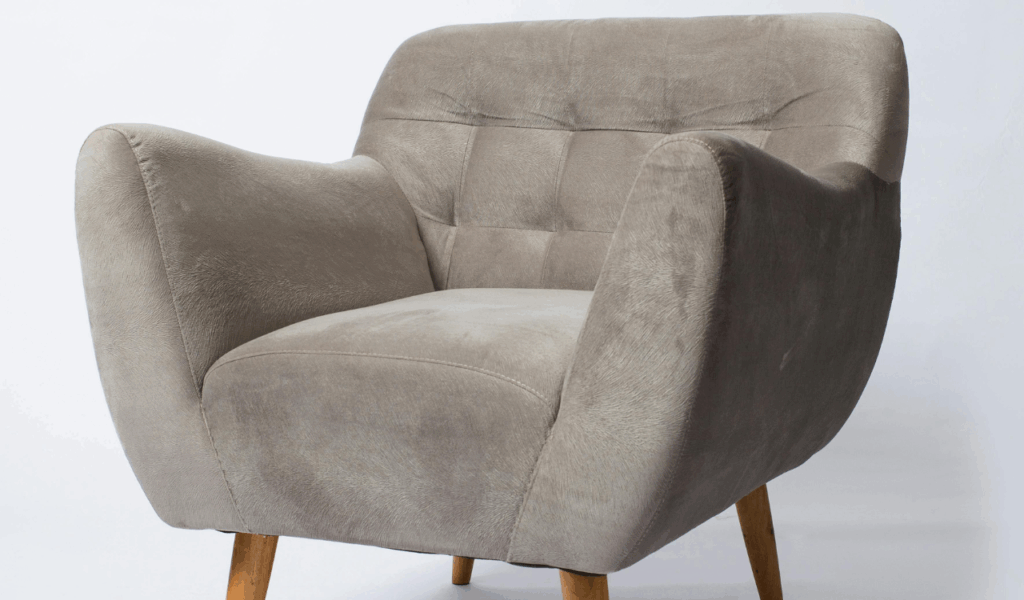
Some accent chairs are so slender that only individuals with smaller frames can sit comfortably. They don’t invite relaxation because movement is restricted. While saving space appeals to some, these chairs aren’t inviting or comfortable. Guests may feel squeezed, especially if they stay awhile. Real furniture should accommodate different body shapes and sizes. Narrow seats fail this requirement and end up underused despite their attractive appearance.
7. Acrylic or Hard Plastic Chairs

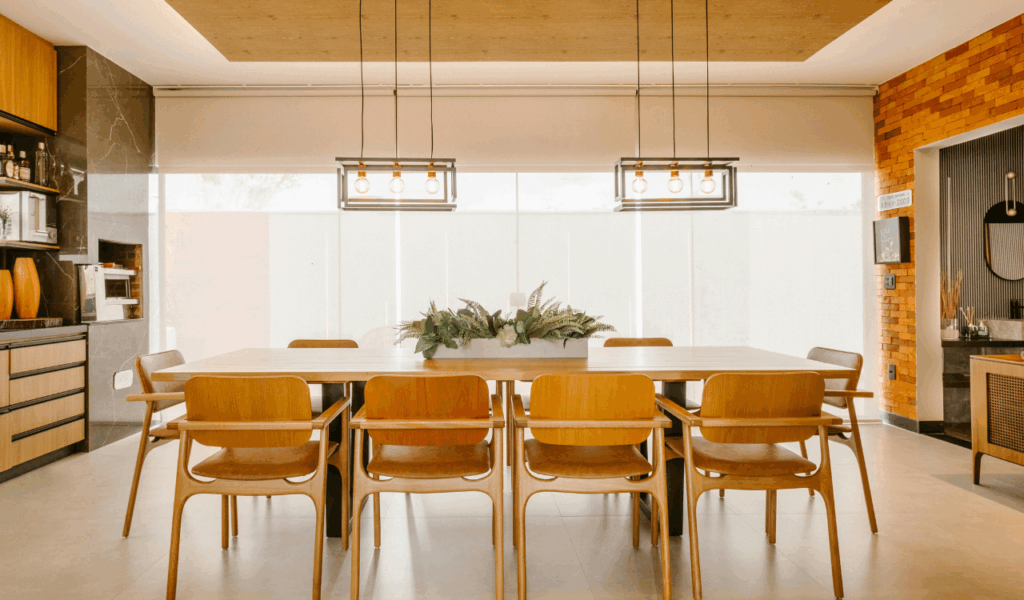
Clear or molded plastic chairs project a clean, modern vibe but often lack comfort. Without padding, the surfaces feel chilly or slick, making prolonged sitting unpleasant. They can also scratch or scuff easily, diminishing appeal over time. While they suit minimalist aesthetics, most people prefer something softer and warmer. They tend to be used mainly for photographs rather than everyday seating.
8. Delicate Chairs You Are Afraid to Sit In
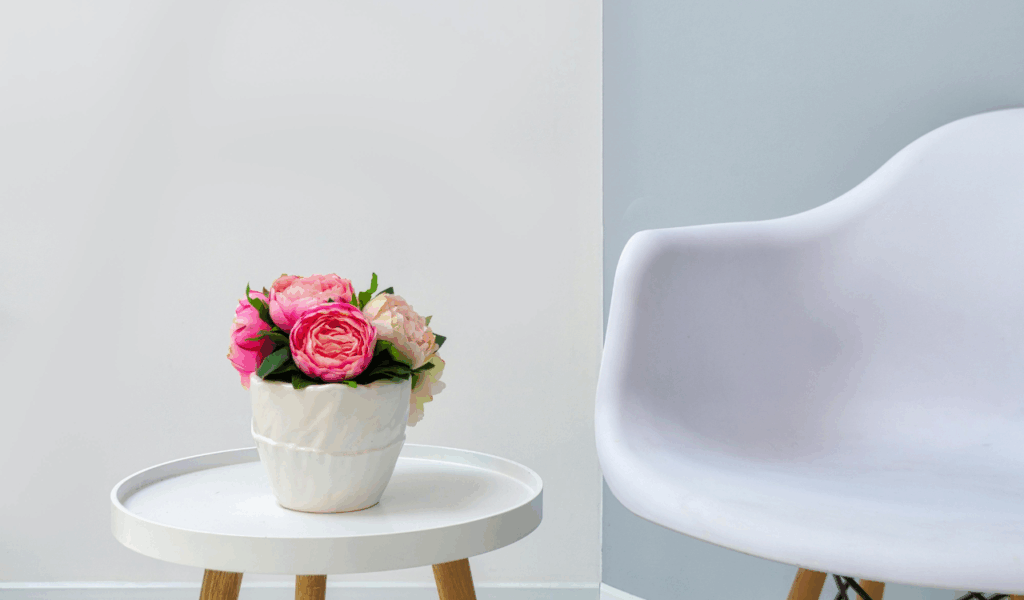
Some accent chairs look fragile, prompting fear of damage. Thin legs, a light frame, or a delicate finish can deter sitting. Even when sturdy, the appearance can discourage use. Home seating should feel sturdy and inviting. If a chair looks delicate, it won’t function well as everyday seating and tends to be more decorative than practical.