
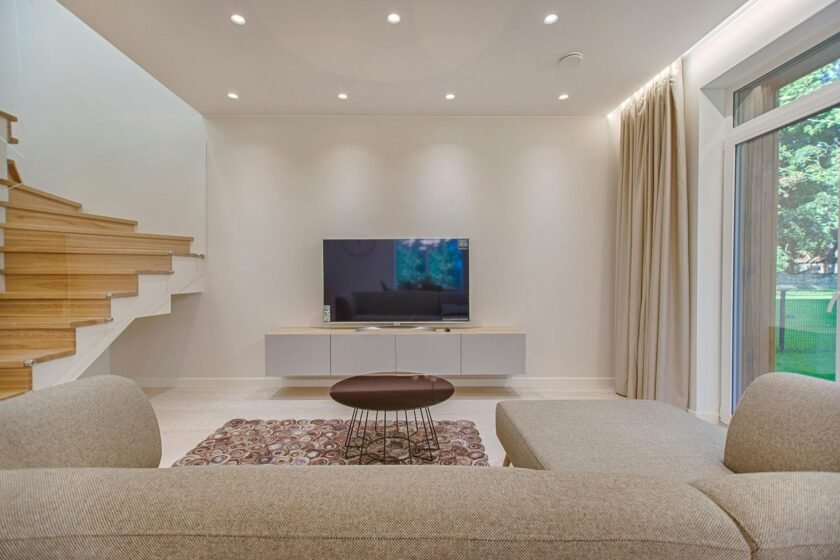
Before the era of streaming and infinite scroll, television followed a quieter rhythm. It didn’t demand constant decision-making or endless binges. Instead, it lived in the background, offering structure and pause points throughout the day. These older habits helped shape a more grounded media experience, one where boundaries were built in and where our evenings still had a clear end. Let’s revisit eight simple TV customs that used to guide our time, calm our minds, and bring a bit more peace to our daily routines.
1. Block Scheduling Created Daily Rituals

Block scheduling once defined how we experienced television. Networks set aside specific hours for kids’ programming, evening dramas, or late-night talk shows. Viewers adapted their routines around these blocks, building consistency into their day. Unlike today’s on-demand approach, where content is fragmented and always available, block scheduling created anticipation and prevented mindless flipping. It also limited overconsumption, as viewers naturally tuned out once their favorite segment ended. This built-in pacing helped many people unwind rather than overstimulate.
2. No Bingeing Meant We Took Our Time

Episodes were released one week at a time, and that slower pace offered more than just suspense. It allowed space for discussion, reflection, and anticipation. Viewers had time to process each plot twist and talk about it with friends or family. This rhythm reduced the feeling of information overload that binge-watching can bring. Waiting for the next episode gave stories more weight, making each one feel like an event. The delayed gratification also encouraged healthier viewing habits and kept TV from overtaking daily life.
3. Static After Dark Signaled Bedtime

Once the nightly broadcast ended, many channels faded to static or a test pattern. This visual and auditory cut-off signaled the end of the day’s programming and, indirectly, bedtime. There was no temptation to keep watching aimlessly. The screen going dark helped viewers recognize that the day was over. This natural boundary is something modern platforms lack, as they autoplay indefinitely. The analog era’s abrupt shut-off helped reinforce healthier sleep schedules and digital discipline.
4. Limited Channels Encouraged Shared Viewing

With only a handful of channels to choose from, families often watched TV together. This led to shared cultural moments and conversations around the dinner table. Rather than splitting off to watch different things on individual screens, people gathered in one room to enjoy a show. That collective experience built emotional connections and gave everyone a shared reference point. It also made television feel less like a personal escape and more like a social activity that fit naturally into daily life.
5. Commercial Breaks Gave Us Time to Breathe

Though commercials were often considered annoying, they served an important function. They offered natural breaks to stretch, grab a snack, or talk with someone. This intermittent pacing gave the brain a rest, keeping the experience from becoming overwhelming. In contrast, today’s ad-free or skip-button content often lacks such breaks, leading to overstimulation. Those brief pauses also subtly taught patience and made watching TV a more measured, less immersive experience.
6. Daytime Silence Made Evenings Special

TV wasn’t always on. Daytime programming was often limited to educational content, local news, or soap operas. This meant homes were quieter during work and school hours, allowing space for focus and family interactions. When prime time rolled around, it felt like an event. The contrast made evening viewing more meaningful. Now, with content available 24/7, that special feeling has dulled. The quiet gaps once offered a kind of mental reset we rarely get today.
7. TV Guides Gave Us Something to Look Forward To

Before algorithms curated endless recommendations, weekly TV guides, whether printed or on-screen, helped us plan our viewing. Scanning the listings and circling anticipated shows added a sense of purpose and excitement to watching TV. It wasn’t just about filling time; it was about choosing something worth waiting for. That intentionality brought a slower, more thoughtful engagement with entertainment, replacing the endless scrolling we often do today.
8. Cliffhangers Fostered Community Conversation

Without instant access to the next episode, cliffhangers served as cultural conversation starters. Viewers speculated, theorized, and debated plot twists throughout the week, often around water coolers or over dinner. This collective suspense created a shared experience that extended beyond the screen. The weeklong wait deepened the connection with both the story and the people watching it with us. Today’s instant resolutions often skip over that communal buildup, replacing it with fleeting gratification.