
Some destinations draw travelers because they rose from violence rather than erasing their history. Former war zones can become tourism hubs when safety returns, buildings are repaired, and stories are told in public spaces. Tourists now stroll along rebuilt streets, memorial parks, and preserved fortifications to understand what happened on the ground. Thoughtful interpretation matters, so museums, guides, and signage are trusted more than rumors. The destinations below welcome visitors while handling loss with care and clarity. Responsible trips also support local jobs, aiding long-term recovery in communities that were displaced.
DUBROVNIK, CROATIA
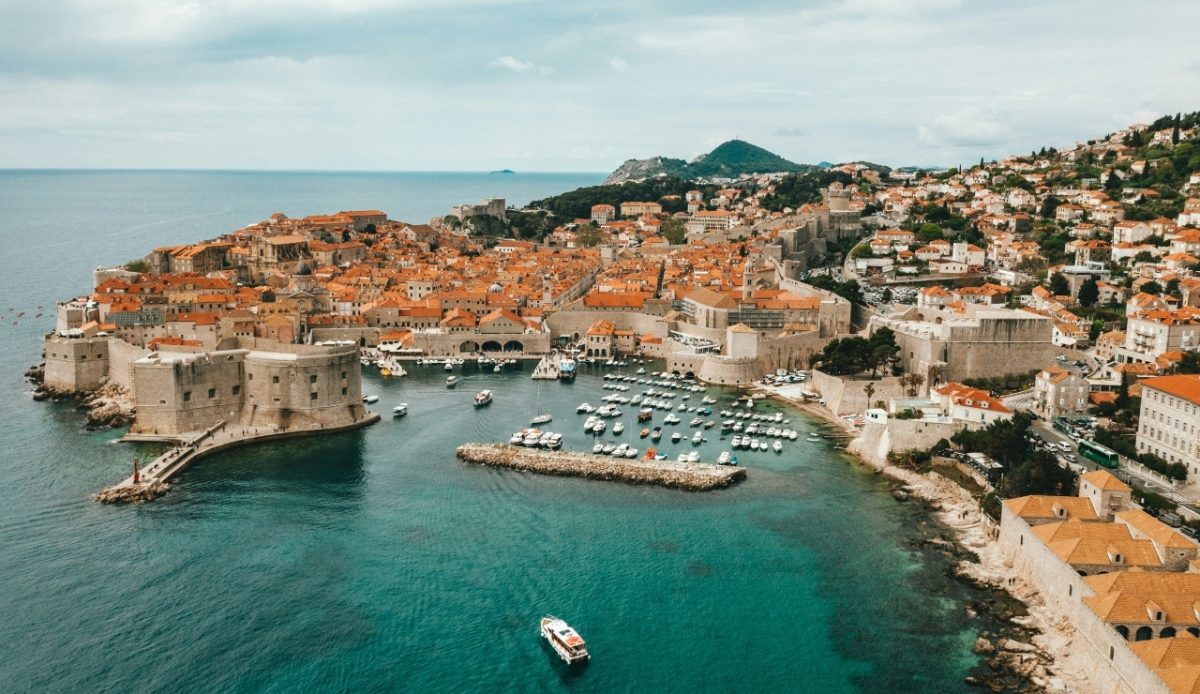
Dubrovnik’s stone defenses bore the brunt of the 1991–1992 conflict in the Croatian War of Independence; roofs, streets, and parts of the Old Town sustained damage. After the fighting, conservation followed heritage standards, and routes for visitors were rebuilt around museums, plaques, and outlooks that explain what was struck and why. Today, visitors seek the intact fortifications, the Adriatic vistas, and the visible signs of repair in the stonework and tiles. A short stroll to Mount Srđ adds context, as the hilltop vantage points reveal how exposed the shoreline once was.
SARAJEVO, BOSNIA AND HERZEGOVINA
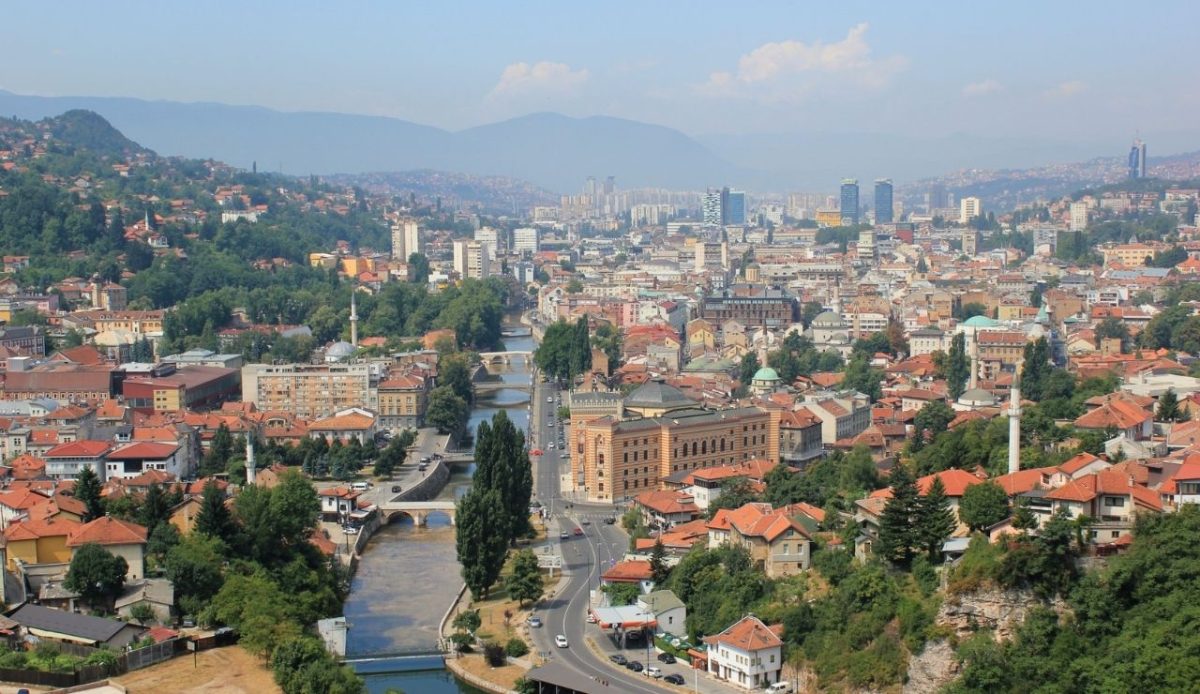
Sarajevo endured the siege from 1992 to 1996, with daily shelling, sniper fire, and shortages that left marks on neighborhoods. Today, visitors can trace marked sites like the Tunnel of Hope, hillside cemeteries, and streets where shell craters were later highlighted with red resin. Exhibits emphasize civilian routines, from fetching water to improvised schools, keeping the testimony anchored in evidence. Nearby cafes and markets demonstrate how working capital carries memory without freezing the city’s evolution. The 1984 Olympic venues are on the itinerary too, since some were damaged and now help explain the city’s changing fortunes.
MOSTAR, BOSNIA AND HERZEGOVINA
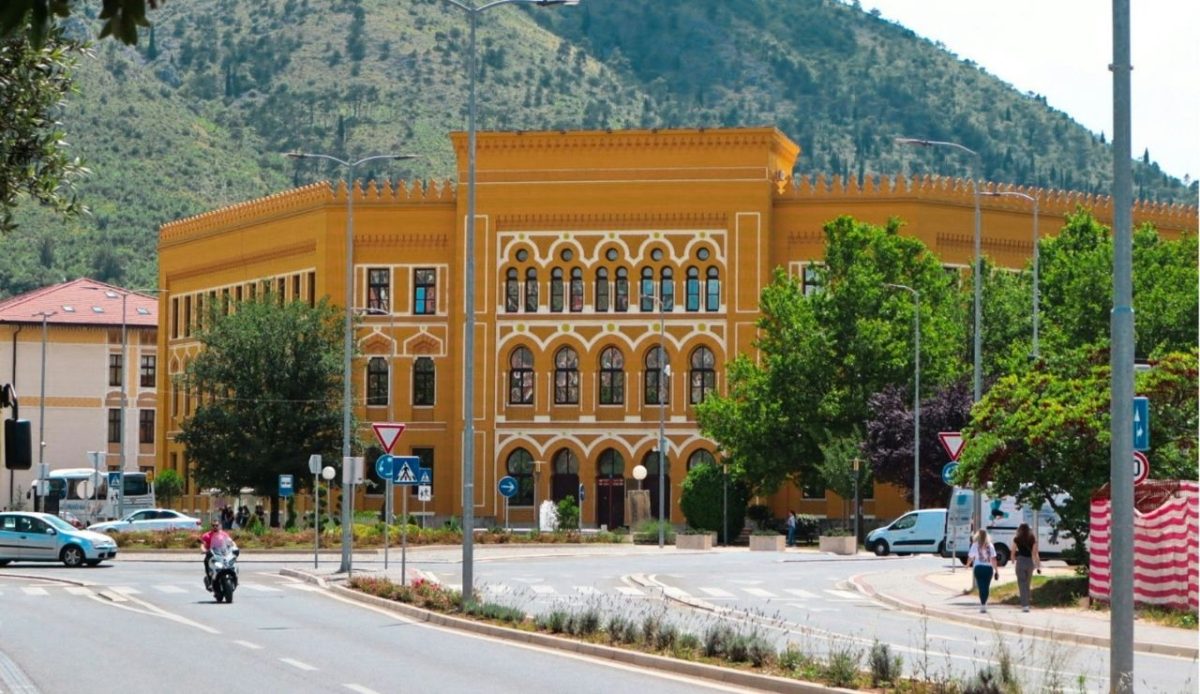
Mostar was split by front lines during the Bosnian War, and the Stari Most bridge fell in 1993. Rebuilding used period methods and local stone, turning the arch into proof that repair can be faithful without concealing trauma. Tourism flows through the old-town lanes, the bridge museum, and overlooks above the Neretva, where the city’s layout becomes evident. Local guides highlight impact marks and explain how return and rebuilding altered daily life after the ceasefire. Memorial plaques and repaired roofs sit side by side, so the timeline is read on the street as well as in galleries. Festivals now share space with remembrance dates.
BELFAST, NORTHERN IRELAND
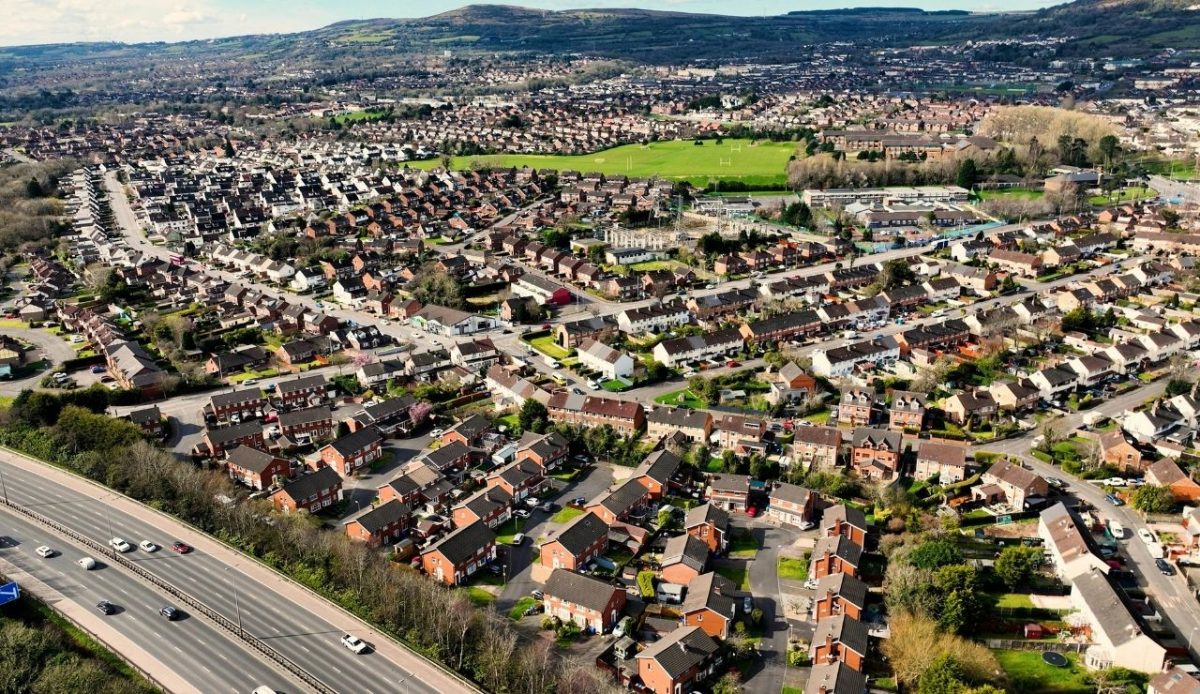
Belfast’s Troubles left fortified interfaces, murals, and barriers that once marked contested territory between communities. Today, many streets are explored on guided political-history tours that explain why certain neighborhoods were separated and how agreements reduced violence. Peace walls remain in place in spots, and the artwork continues to evolve, so visitors can observe social shifts in real time. Museums and archival projects add context beyond slogans, helping guests understand how a modern city handles a difficult past while expanding culture and hospitality. Local guides describe checkpoints that vanished after reforms.
HIROSHIMA, JAPAN
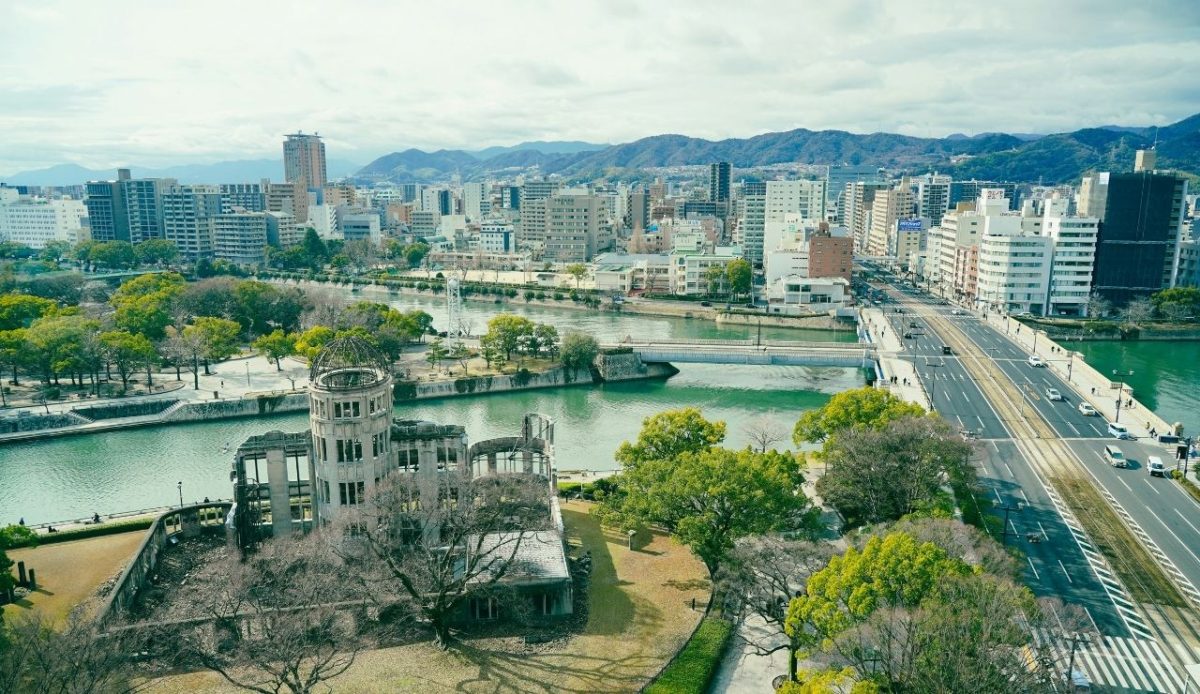
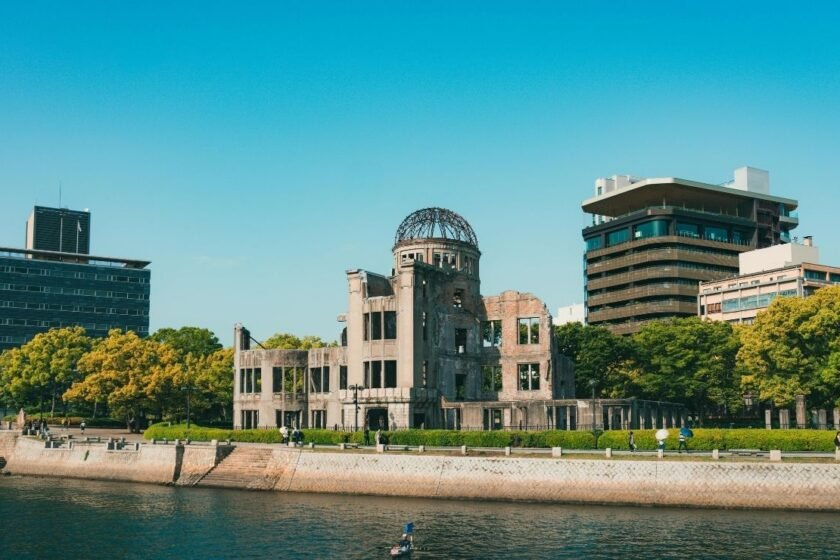
Hiroshima was devastated in 1945, yet it rebuilt around public education about the effects of nuclear weapons. Visitors focus on Peace Memorial Park, the Atomic Bomb Dome, and museum galleries that use artifacts, maps, and survivor testimony to document the blast and its aftermath. The experience is orderly and quiet, with clear signage and school programs that keep the message consistent across generations. Beyond the memorial district, daily city life continues, so travelers see how reconstruction, planning, and services grew around a commitment to remembrance. The compact center supports thoughtful walking routes.
CU CHI TUNNELS, VIETNAM

The Cu Chi district, northwest of Ho Chi Minh City, was a contested area during the Vietnam War, hosting an extensive tunnel network used for shelter, movement, and supply. Sections of the tunnel system have been fortified for safety, featuring crawl passages, exhibition rooms, and surface displays that explain traps, cooking methods, and communication. Guides separate myth from documented practice, helping visitors grasp both limits and ingenuity. The forest setting and rebuilt entrances illustrate how concealment operated, while nearby museums tie the tunnels to broader campaigns in the south. Access times are regulated.
QUẢNG TRỊ AND THE FORMER DMZ, VIETNAM
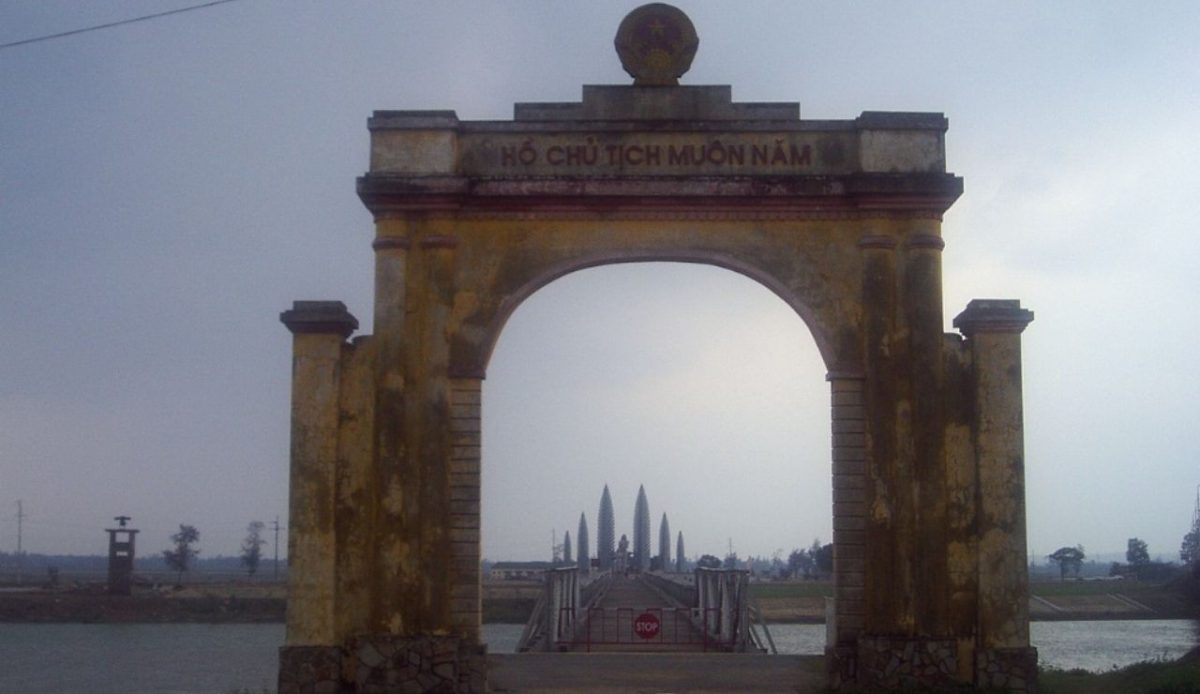
Central Vietnam’s Quảng Trị Province and the former Demilitarized Zone endured intense fighting, changing bridges, bases, and villages for decades. Current tours link sites such as the Vịnh Mốc tunnels, the Hiền Lương Bridge, and former combat bases where museums explain troop movements and civilian displacement. Visits often address unexploded ordnance and the long cleanup, adding realism to the landscape. Rice fields and riverbanks look tranquil today, yet interpretive stops reveal how a narrow corridor carried national division and intense pressure.
BEIRUT, LEBANON
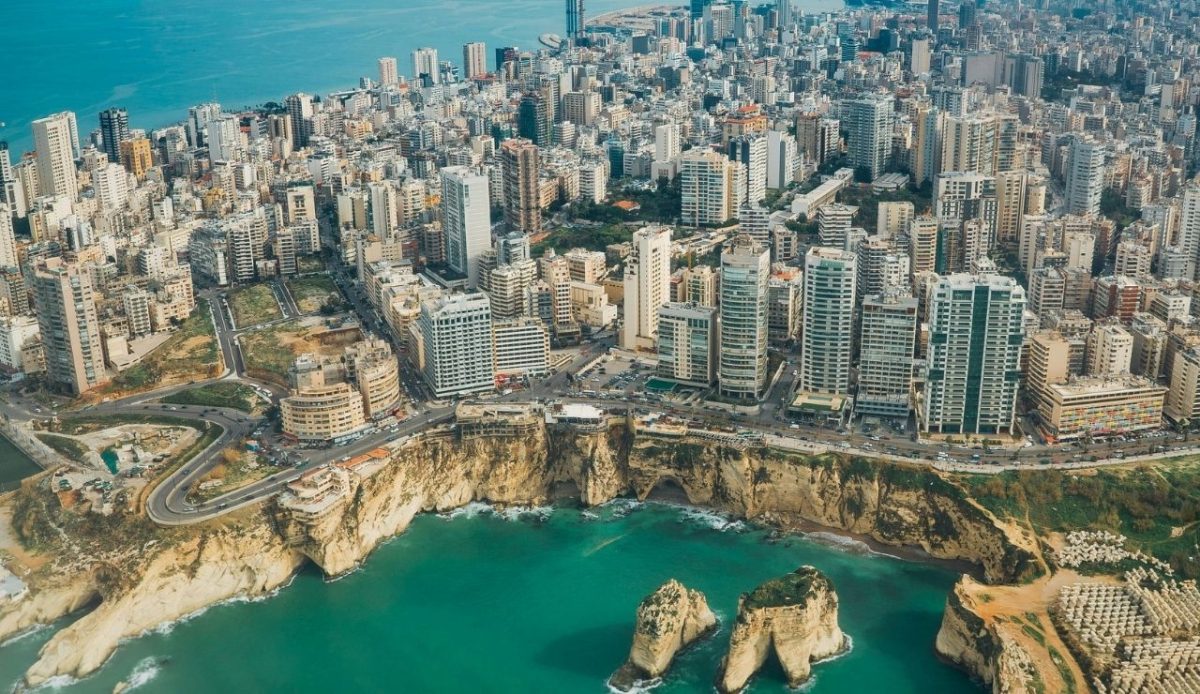
Beirut’s civil war left a patchwork of damaged buildings, former militia lines, and a city center that was later rebuilt. Contemporary tourism features architecture walks highlighting renovated façades, preserved bullet marks, and districts that once faced barricades or street fighting. Museums and galleries present photographs and oral histories that connect landmarks to distinct phases of the conflict. With nightlife and the coast drawing visitors, skilled guides help keep the narrative precise and nuanced rather than oversimplified. Day trips to southern viewpoints shed light on the strategic terrain.