

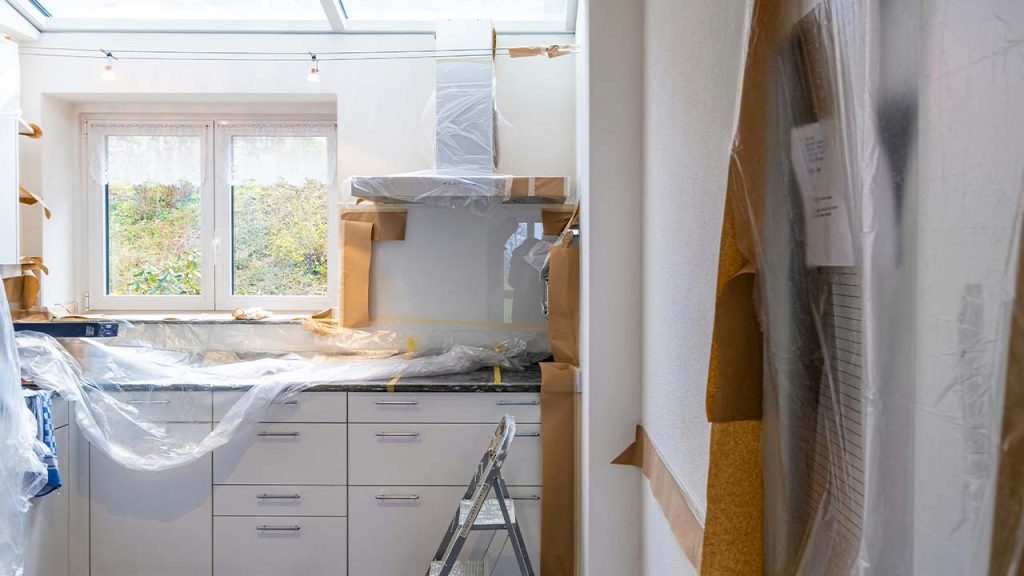
Planning a home update? You might be surprised to learn that some interior changes—no matter how small they seem—could legally require a permit. From knocking down walls to updating plumbing, skipping the paperwork might lead to fines or even forced do-overs. Before you pick up that sledgehammer or call a contractor, here are eight common upgrades that might need approval—and what you should know before diving in.
1. Removing or Altering a Load-Bearing Wall
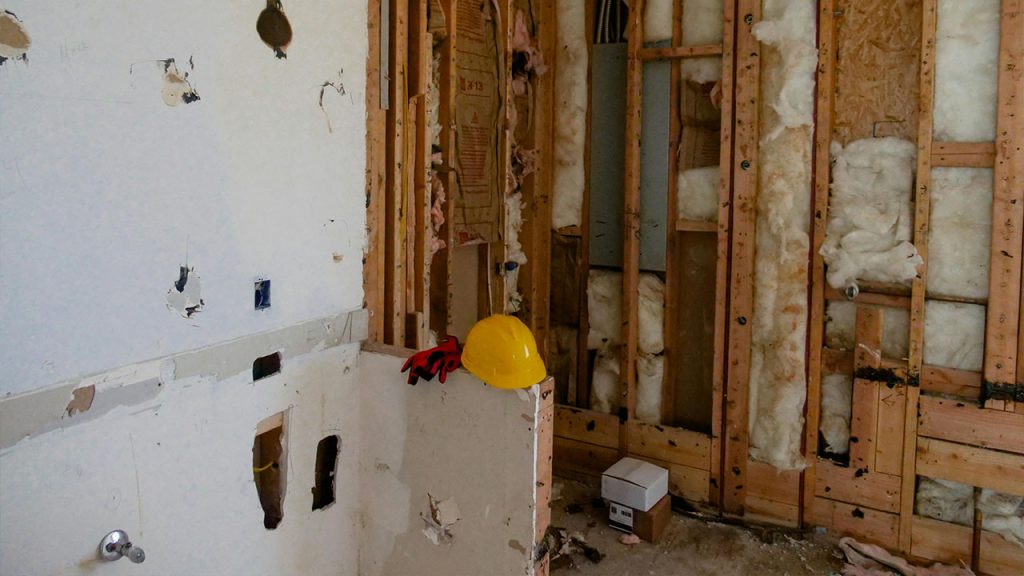
It may open up your floor plan, but removing a load-bearing wall without a permit can risk structural integrity. These walls support the weight of your home, and improper changes could lead to sagging ceilings or worse. A permit ensures a licensed pro checks the plans and installs proper reinforcements—protecting both your safety and your home’s value.
2. Upgrading Electrical Panels or Wiring

Modernizing your home’s electrical system is smart, especially for older homes. But any upgrade to panels or rewiring usually requires a permit. Why? Electrical work done wrong can lead to short circuits, fire hazards, or inspection failures when selling. A permit ensures everything meets local code and is done safely, often with an inspector’s final approval.
3. Converting a Garage Into a Living Space

Turning a garage into a bedroom or office might seem like a clever way to add square footage—but most cities consider this a major change. Permits are often required for insulation, electrical, HVAC, and egress windows. Skipping this step can create resale issues or safety concerns if the space doesn’t meet legal living standards.
4. Installing or Replacing Plumbing Fixtures
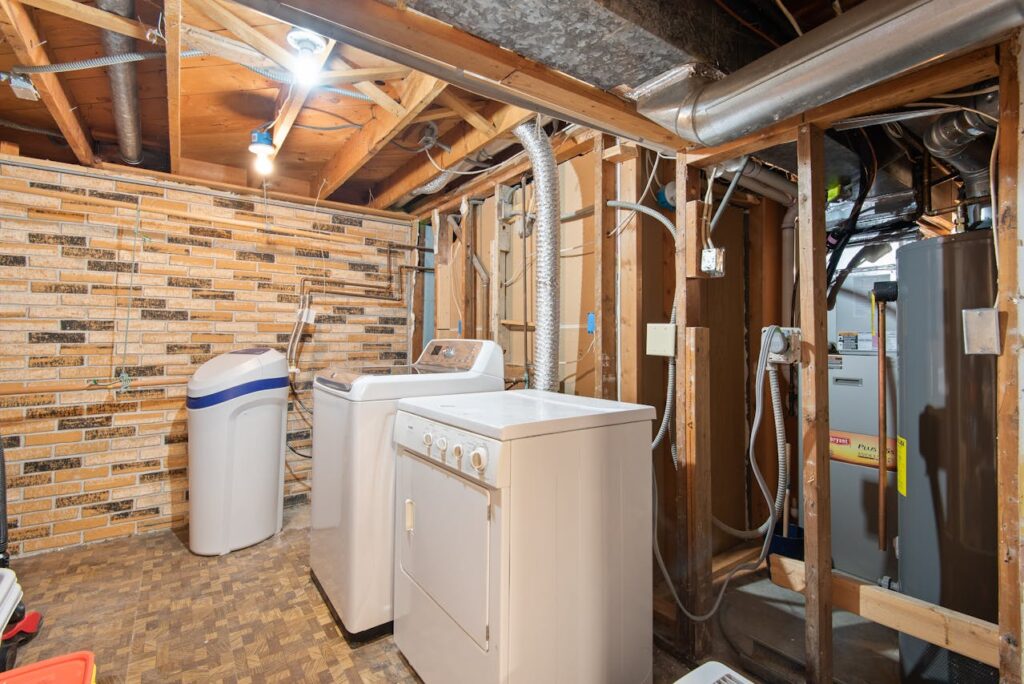
Swapping a faucet? Probably fine. But moving sinks, installing a new shower, or altering pipe layouts usually demands a permit. Water damage from poor plumbing can be extensive—and costly. Permits help catch issues before they become disasters, ensuring drainage, venting, and pressure systems work as they should.
5. Building a Deck or Expanding a Patio
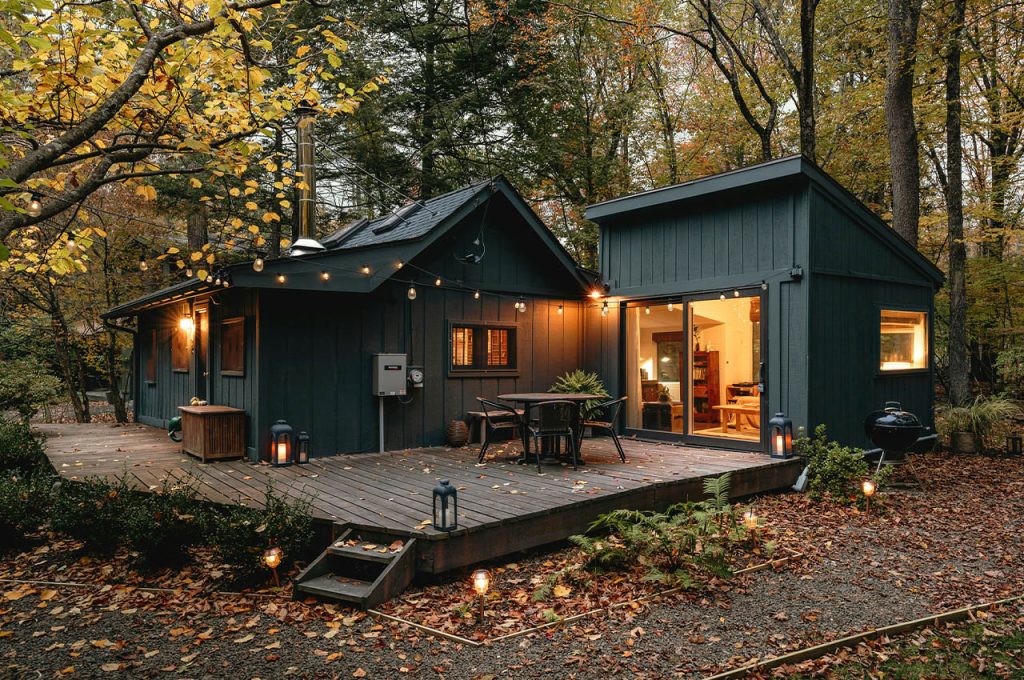
A new deck adds value and charm, but it’s more than just lumber and screws. Height, railing requirements, footings, and weight load must meet local codes, especially if it’s elevated. A permit ensures the structure is safe, stable, and won’t lead to fines or tear-down orders if discovered during an inspection or sale.
6. Replacing Windows or Adding Skylights

Window replacements may seem simple, but changing the size, type, or adding new openings often requires a permit. These changes can affect structural support, insulation, and energy efficiency. A skylight especially alters roofing and framing, making it crucial to meet local codes. A permit ensures the installation is safe, weatherproof, and up to code—avoiding leaks and costly corrections later.
7. Changing the Home’s Footprint or Layout

Whether you’re adding a room, removing walls, or reconfiguring space, changing your home’s layout usually calls for a permit. These alterations impact structural support, plumbing, wiring, and even property tax assessments. Getting a permit ensures that your updates are safe, compliant, and professionally reviewed—protecting your investment and future resale value.
8. Installing a New Water Heater or HVAC System
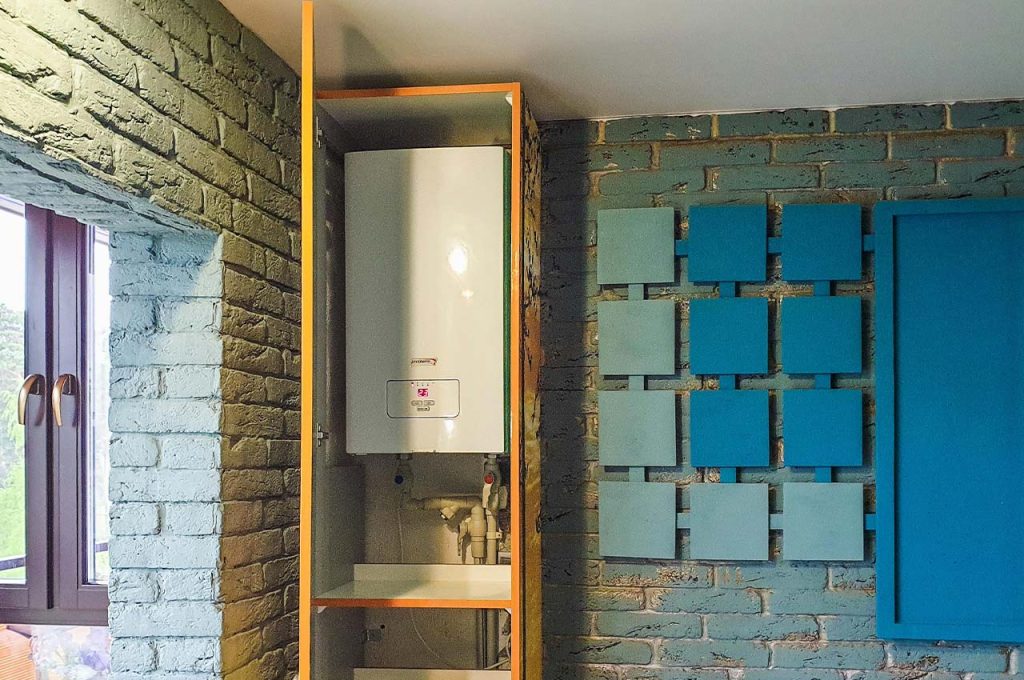
Water heaters and HVAC units affect gas lines, ventilation, and energy systems—so replacing them often requires a permit. Even if it’s a one-for-one swap, local codes dictate venting, clearance, and installation standards. A permit guarantees that professionals handle combustion risks, pressure valves, and airflow safely—keeping your home efficient and up to legal standards.
Want to see more from Remodr?

Drop a comment below, share this with your friends and family, and don’t forget to follow us for more fresh ideas, updates, tips, and home trends.
This article was created with the assistance of AI but thoroughly edited by a human being.