
STAINLESS STEEL APPLIANCES NO LONGER FEEL TIMELESS
Stainless Steel
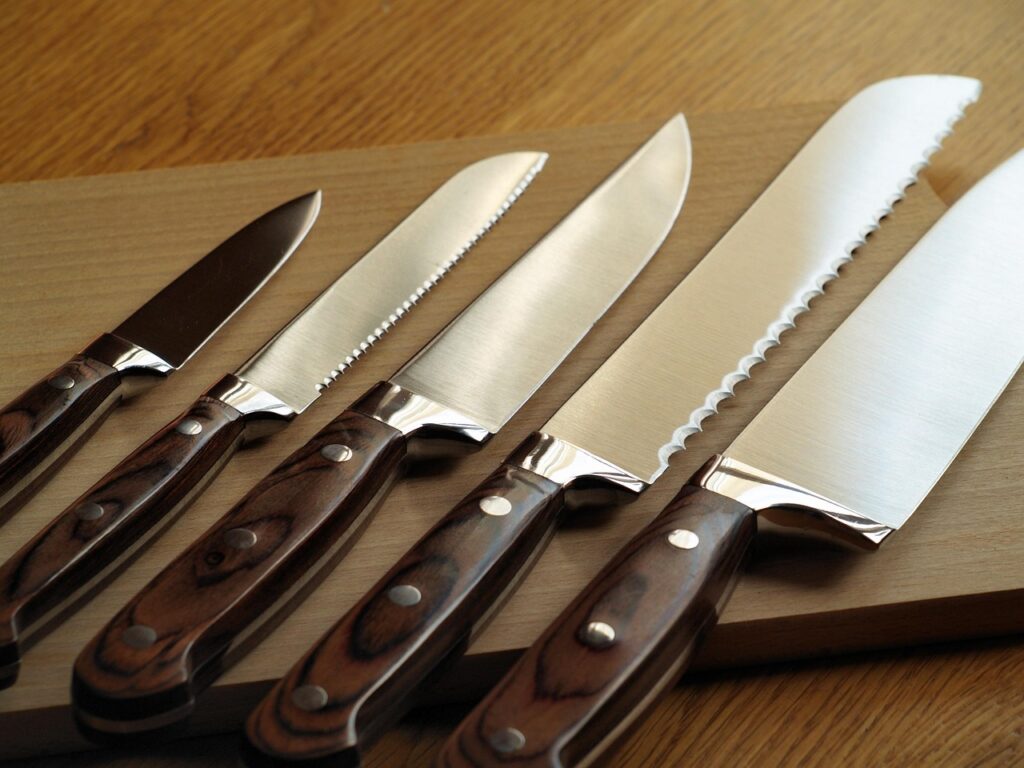
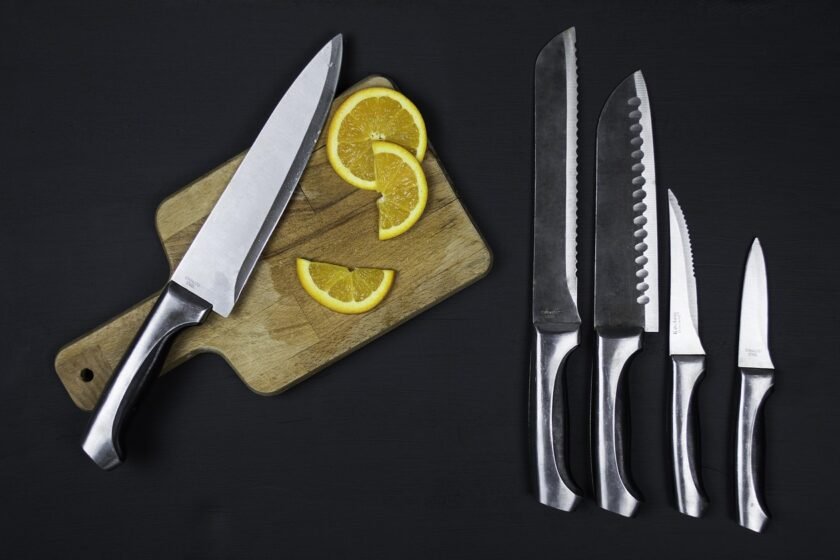
Stainless steel once symbolized a modern, professional kitchen, but its appeal has waned with time. The foremost drawback is upkeep. Fingerprints, water spots, and smudges show up almost instantly, especially in households with kids or heavy cooking. Over years of use, scratches and discoloration become more noticeable, making the surface appear worn rather than sleek. Another issue is visual dominance: it reflects light aggressively and can overwhelm smaller spaces. Smarter options emphasize cohesion and integration over sheer visibility. These finishes age better, require less maintenance, and help kitchens feel unified rather than appliance-centric.
ROSE GOLD AND COPPER FINISHES AGE FASTER THAN EXPECTED
Copper Pot
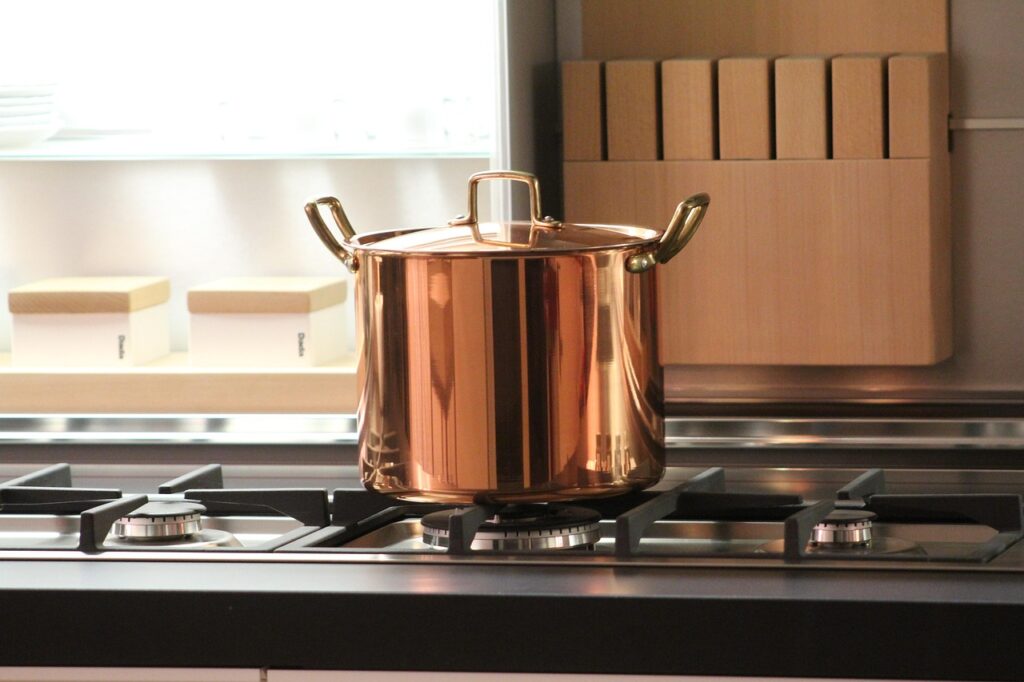
Rose gold and copper finishes gained popularity for their warmth and novelty, but they tend to date a kitchen quickly. These finishes ride the trend rather than standing the test of time, often feeling outdated after a few years. Wear is another concern—finger oils, heat exposure, and cleaning products can cause uneven patinas or discoloration that looks accidental rather than intentional. Replacing parts later can be tricky. Smarter choices prioritize finishes that age gracefully, such as brushed brass or satin bronze, which add warmth without being flashy. Another drawback is how strongly these finishes anchor a kitchen to a specific era.
GAS OVENS ARE LOSING THEIR PRACTICAL ADVANTAGE
Gas Oven
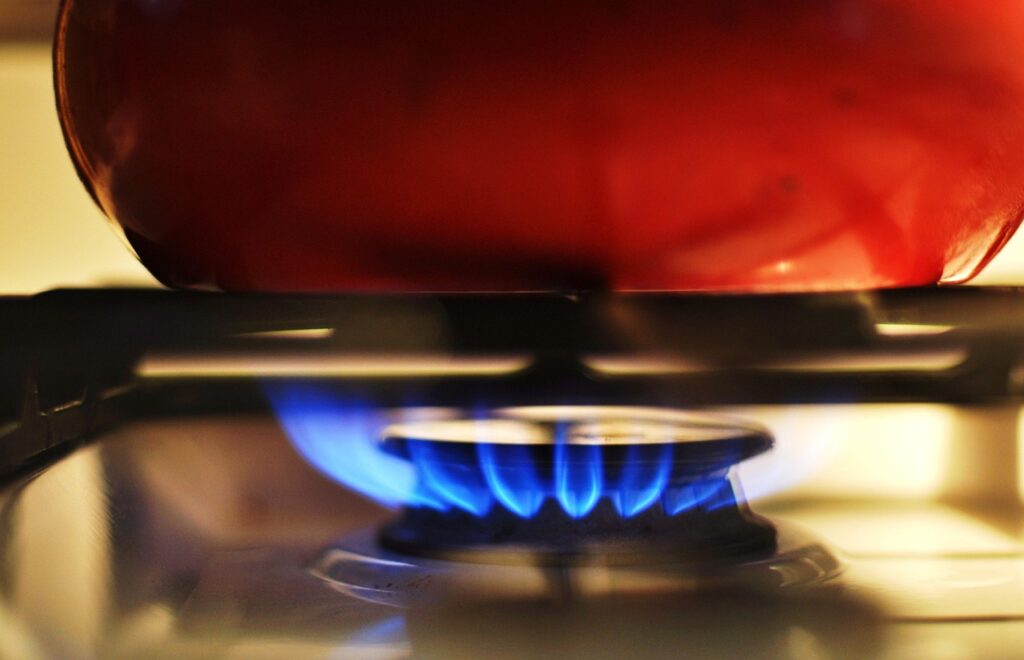
Gas ovens were once prized for reliability and control, but their edge has narrowed. They often heat unevenly, producing hot spots that affect baking consistency. Energy efficiency is another concern, as gas ovens lose heat faster and consume more energy over time. Ventilation requirements add complexity, especially in modern airtight homes. Smarter alternatives include electric convection ovens and hybrid systems that provide even heat distribution and precise control. These ovens excel at baking and roasting while aligning with evolving energy standards. For many households, improved performance and efficiency outweigh nostalgia for gas.
CONVENTIONAL ELECTRIC STOVETOPS FEEL OUTDATED IN DAILY USE
Electric Stovetop
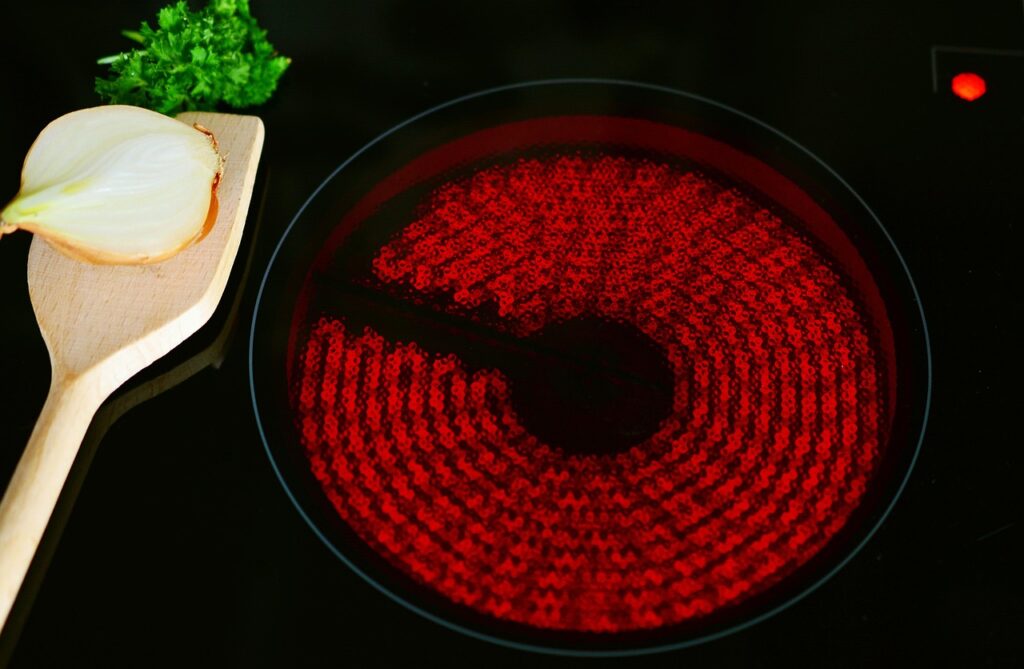
Traditional coil or flat electric stovetops struggle to meet contemporary cooking expectations. They heat slowly, take longer to recover after changes, and waste energy during temperature shifts. Cleaning is another frustration, as spills can bake onto the surface. Induction cooktops offer a smarter path forward. They heat cookware directly, allowing rapid adjustments and improved efficiency. The surface stays cooler, reducing burn risk and simplifying cleanup. While induction requires compatible cookware and space, the speed, control, and safety benefits make it a strong long-term choice for most kitchens.
INDUSTRIAL SIZE REFRIGERATORS PRIORITIZE SCALE OVER SENSE
Industrial-Size Refrigerators
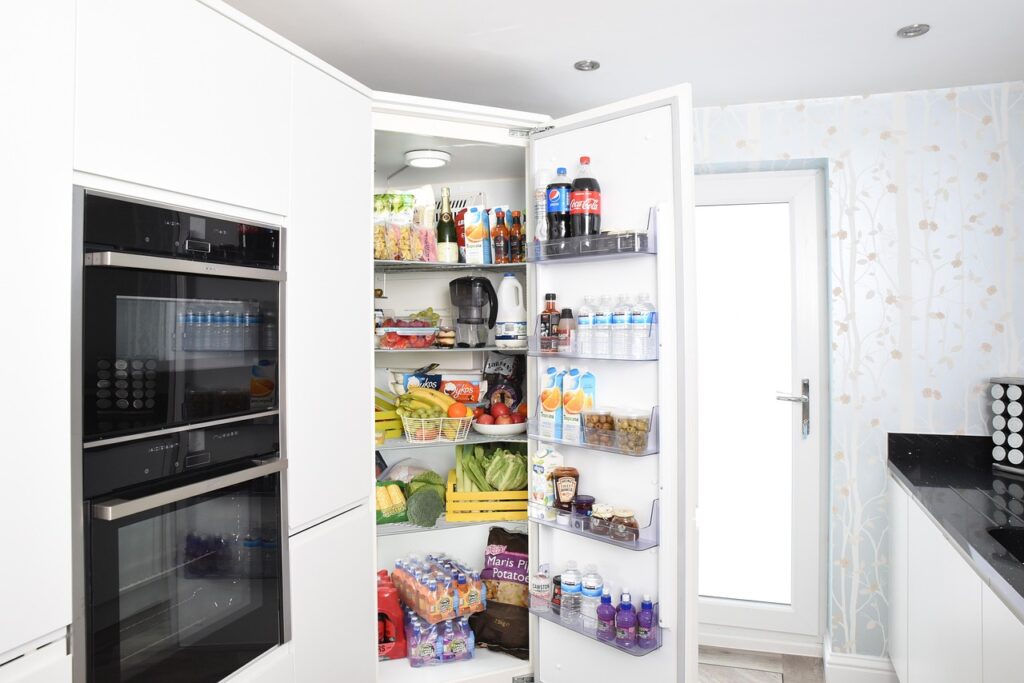
Oversized, industrial-style refrigerators project luxury but often deliver inefficiency. They consume more energy, dominate visual space, and encourage overbuying that may go unused. In smaller kitchens, they disrupt workflow and circulation. Smarter refrigeration centers on flexibility rather than sheer size. Column refrigerators, drawer-based units, or multi-zone systems let users store food according to habits rather than volume. These designs reduce waste, offer roomy yet compact compartments, and integrate more naturally into the kitchen layout, making daily use easier and more efficient.
OVER AND UNDER REFRIGERATOR LAYOUTS CREATE DAILY FRICTION
Refrigerator Layouts
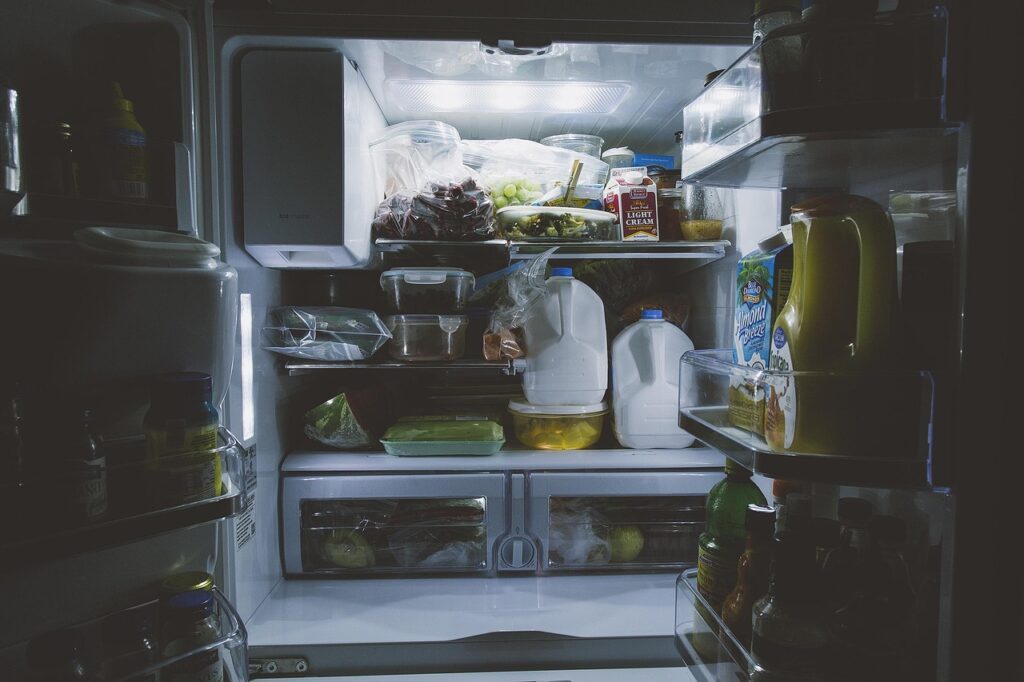
Stacked refrigerator and freezer configurations may appear practical but often prove awkward. Frequently used items land at uncomfortable heights, requiring bending or reaching. Deep compartments can hide items and disrupt organization. Side-by-side and French-door designs address many of these issues by keeping essentials within easy reach. Adjustable shelving and clearer visibility boost efficiency and reduce forgotten items. A smarter layout supports daily habits rather than forcing users to adapt to rigid constraints. Real-life use reveals how often people need items stored at inconvenient heights.
SINGLE-PURPOSE SMALL APPLIANCES ADD CLUTTER WITHOUT VALUE
Single-Function Small Appliances
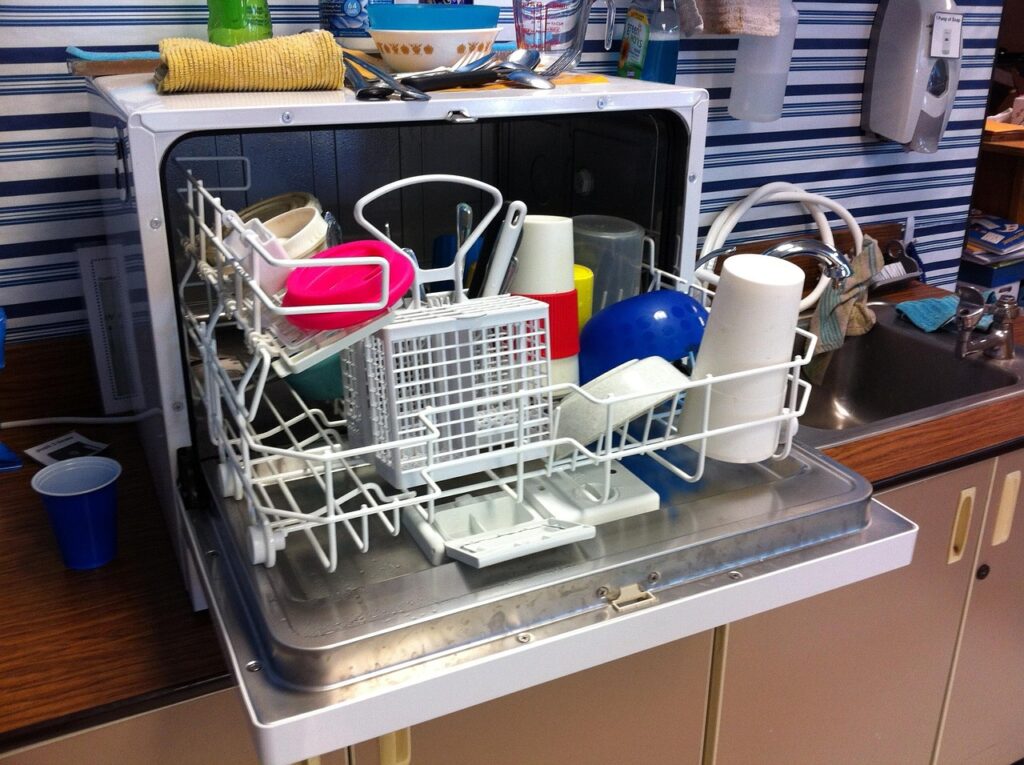
Basic one-task devices promise convenience but frequently go unused. Countertop clutter reduces usable workspace and complicates cleaning. Many gadgets duplicate tasks already handled by existing appliances. Smarter picks emphasize versatility—multi-function ovens, combination microwaves, and high-quality blenders can replace several devices at once. These tools justify their presence by performing reliably across diverse needs. Choosing fewer, higher-performing appliances improves workflow and keeps kitchens feeling organized rather than crowded. Many of these gadgets are used only a few times before they’re stored away.
THE RIGID KITCHEN TRIANGLE LIMITS HOW HOMES ACTUALLY FUNCTION
Rigid Kitchen

The classic kitchen triangle made sense for a single cook, but today’s homes serve multiple roles. Cooking, entertaining, working, and storage often occur concurrently. Rigid layouts can constrain movement and reduce efficiency. Smarter designs center on zones rather than a fixed triangle. Prep zones, cooking areas, cleanup stations, and storage zones are arranged around real habits. This approach enhances flow, minimizes congestion, and adapts to different lifestyles. Flexibility defines the most functional kitchens today, especially in spaces where several people use the kitchen at once, something the triangle never accounted for.