

The natural world is full of wonders, and some plants and animals are so extraordinary that they have inspired unusual legal protections. From creatures with rare behaviors to plants with incredible longevity, these laws safeguard species, their habitats, and the delicate balance of ecosystems. They prevent exploitation, ensure survival, and sometimes protect humans, too. Exploring these strange yet vital regulations reveals the surprising ways society steps in to preserve the remarkable diversity of life on Earth.
1. Slow Loris
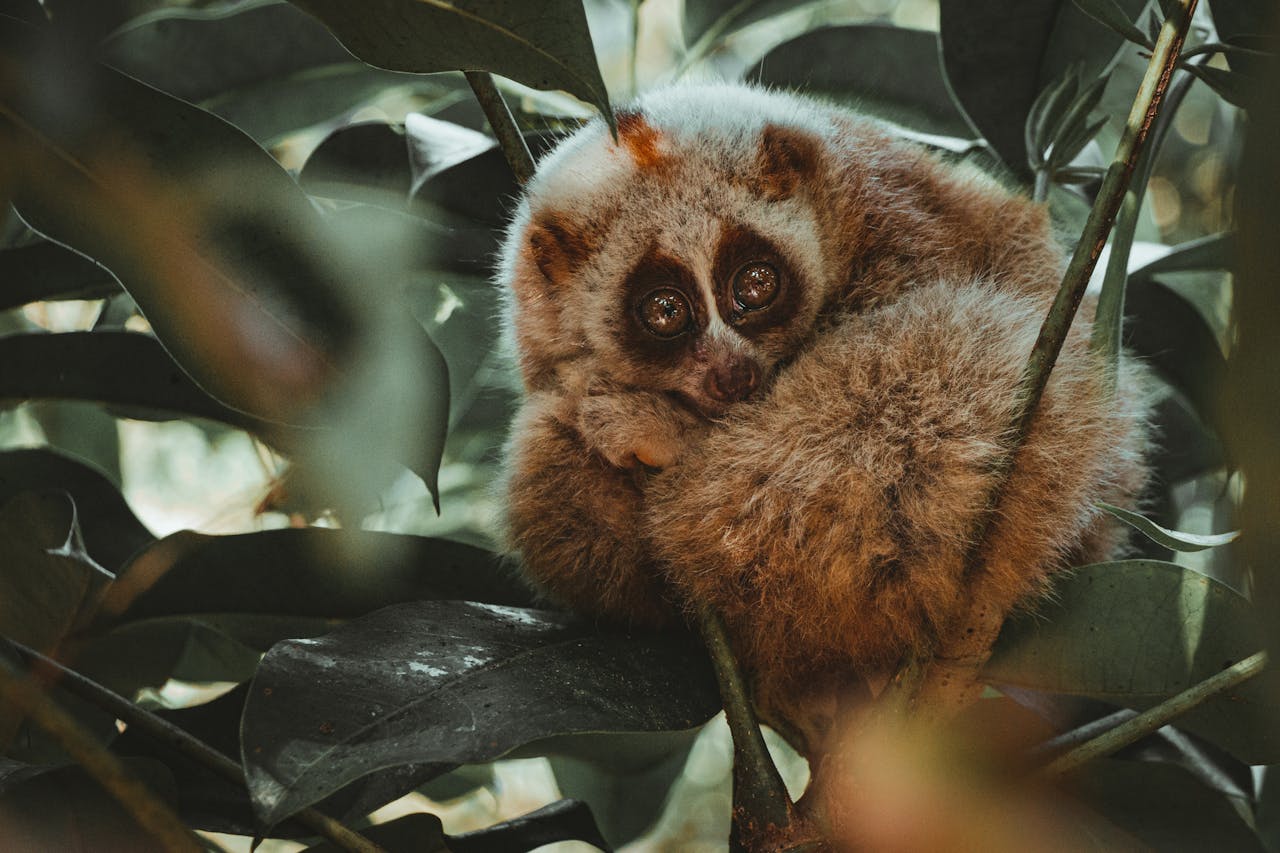
The slow loris is a small, wide-eyed primate whose nocturnal habits and venomous bite make it both fascinating and vulnerable. Native to Southeast Asia, it faces threats from habitat loss and the illegal pet trade. In several countries, laws strictly prohibit owning, capturing, or trading slow lorises to protect their dwindling populations. These protections aim to preserve their natural habitats and prevent cruelty, reminding us that even tiny creatures have powerful ecological roles that deserve legal safeguards.
2. American Alligator
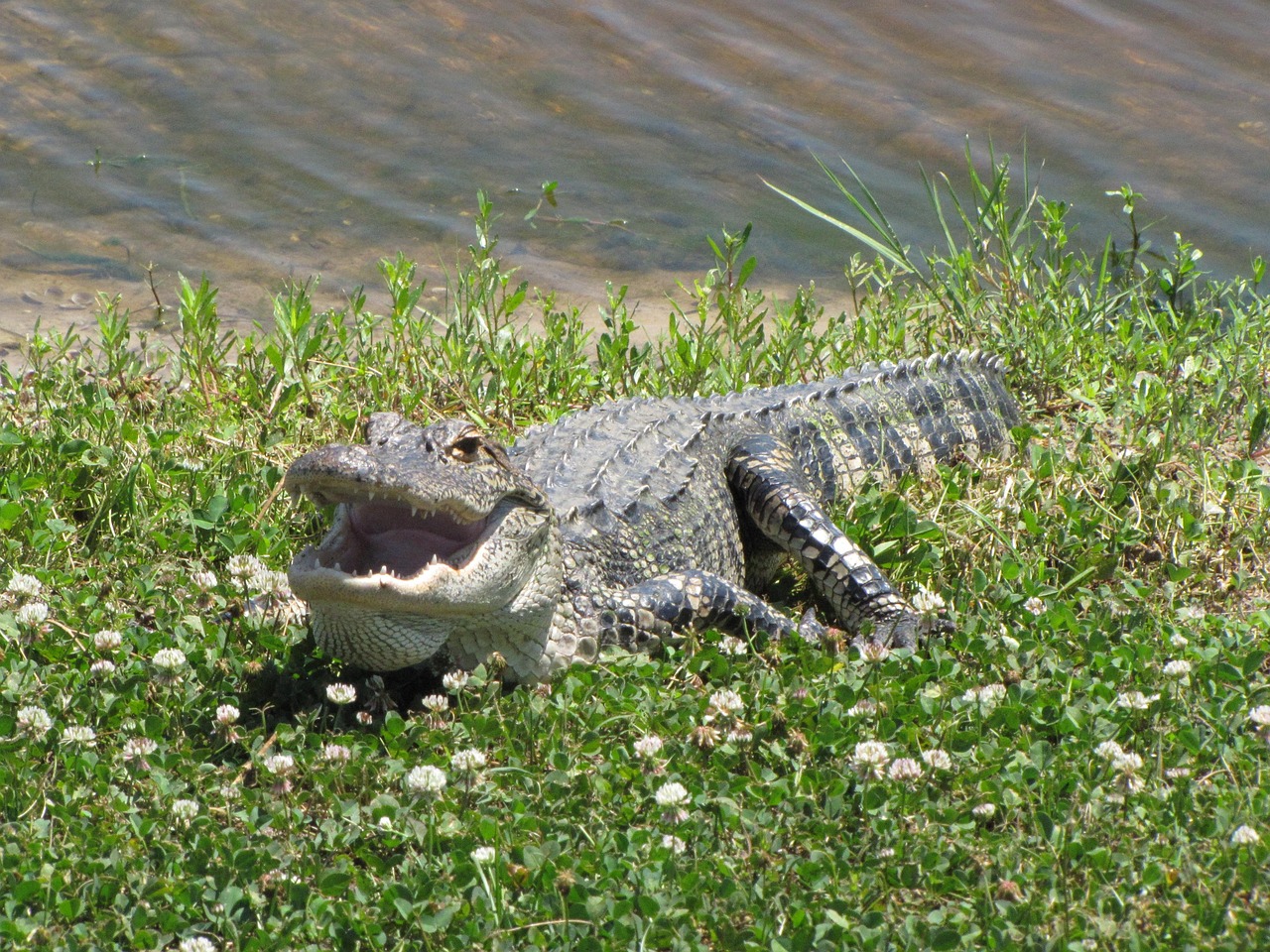
Once nearly extinct due to overhunting for their skins, American alligators are now carefully managed through protective laws in the United States. Hunting is regulated, habitats are preserved, and human interactions are controlled to ensure their survival. These regulations balance ecological needs and public safety, allowing alligator populations to thrive in swamps, rivers, and wetlands. Their recovery story highlights how legal protections can reverse environmental damage and restore a keystone species to its rightful place in the ecosystem.
3. Welwitschia mirabilis
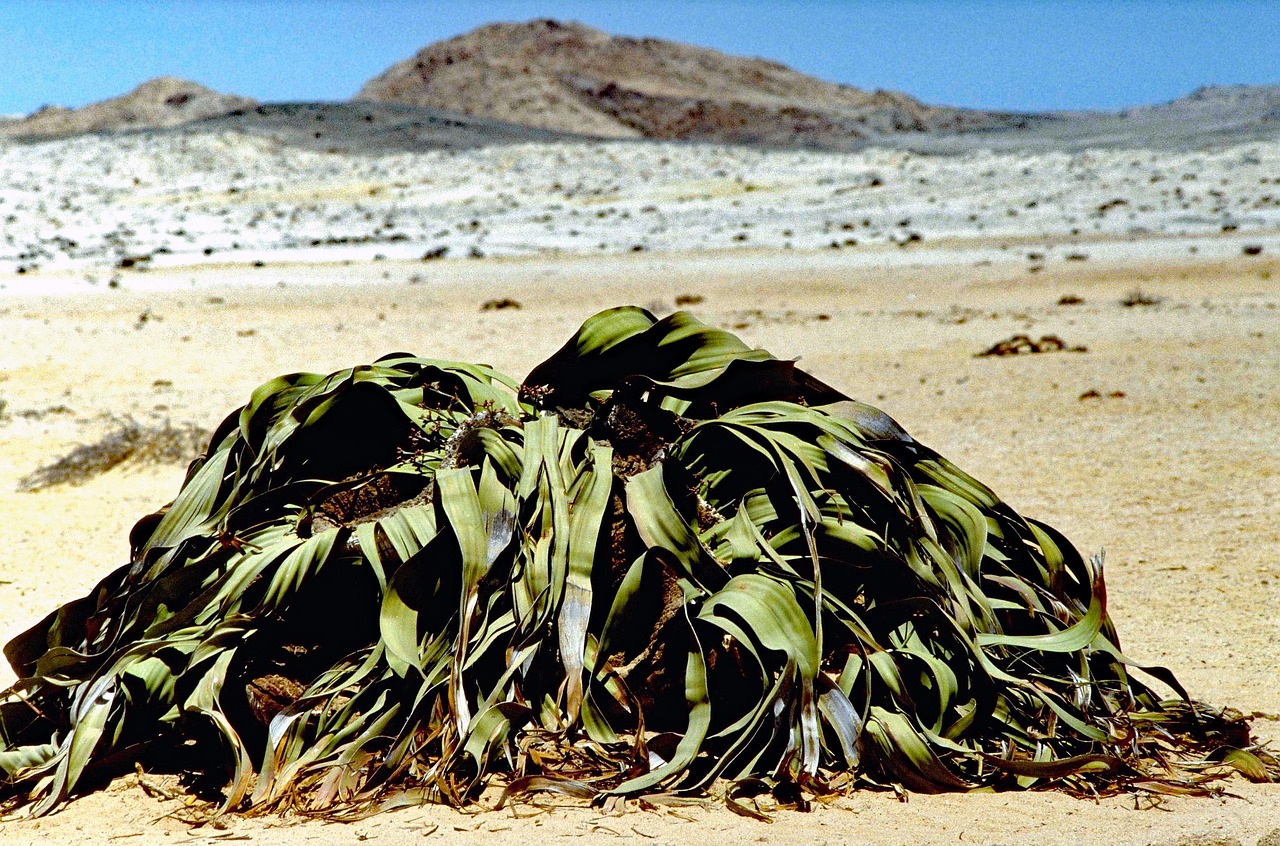
The Welwitschia is a remarkable desert plant that can live for over a thousand years, surviving extreme heat and drought with only two continuously growing leaves. In Namibia and Angola, laws protect it from collection or destruction, recognizing its rarity and ecological significance. These legal measures ensure that this unique species continues to thrive despite its slow growth and specialized habitat. The Welwitschia demonstrates how extraordinary adaptations in nature often require human intervention to prevent their disappearance.
4. Humpback Whales
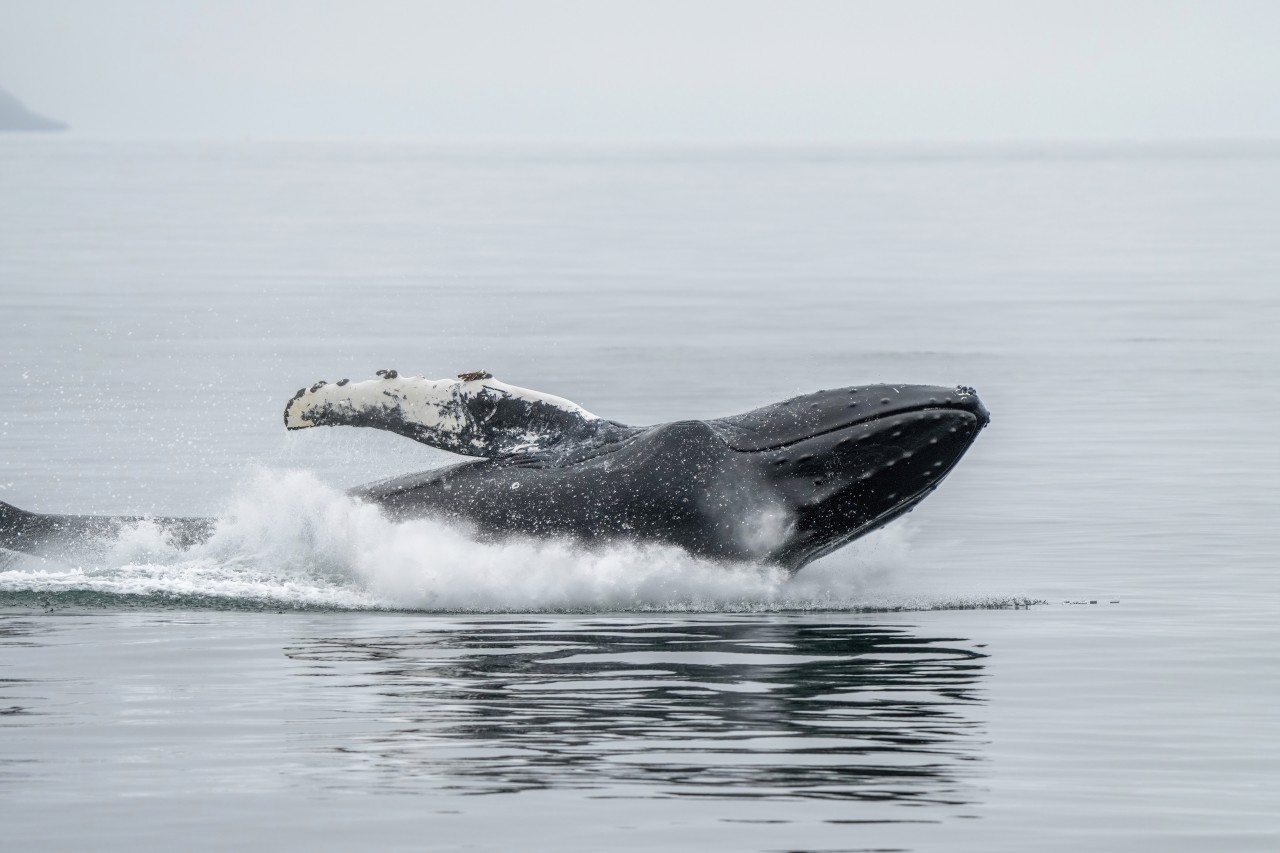
Humpback whales, known for their impressive size, acrobatics, and haunting songs, are protected globally due to historical overhunting. International laws prohibit commercial hunting and regulate interactions, safeguarding both populations and marine ecosystems. Conservation efforts have helped many populations recover, allowing these majestic creatures to continue their migrations and breeding behaviors. Their protection illustrates how legal frameworks can preserve iconic species while highlighting the interconnectedness of oceans, human activity, and biodiversity.
5. Baobab Trees, Africa
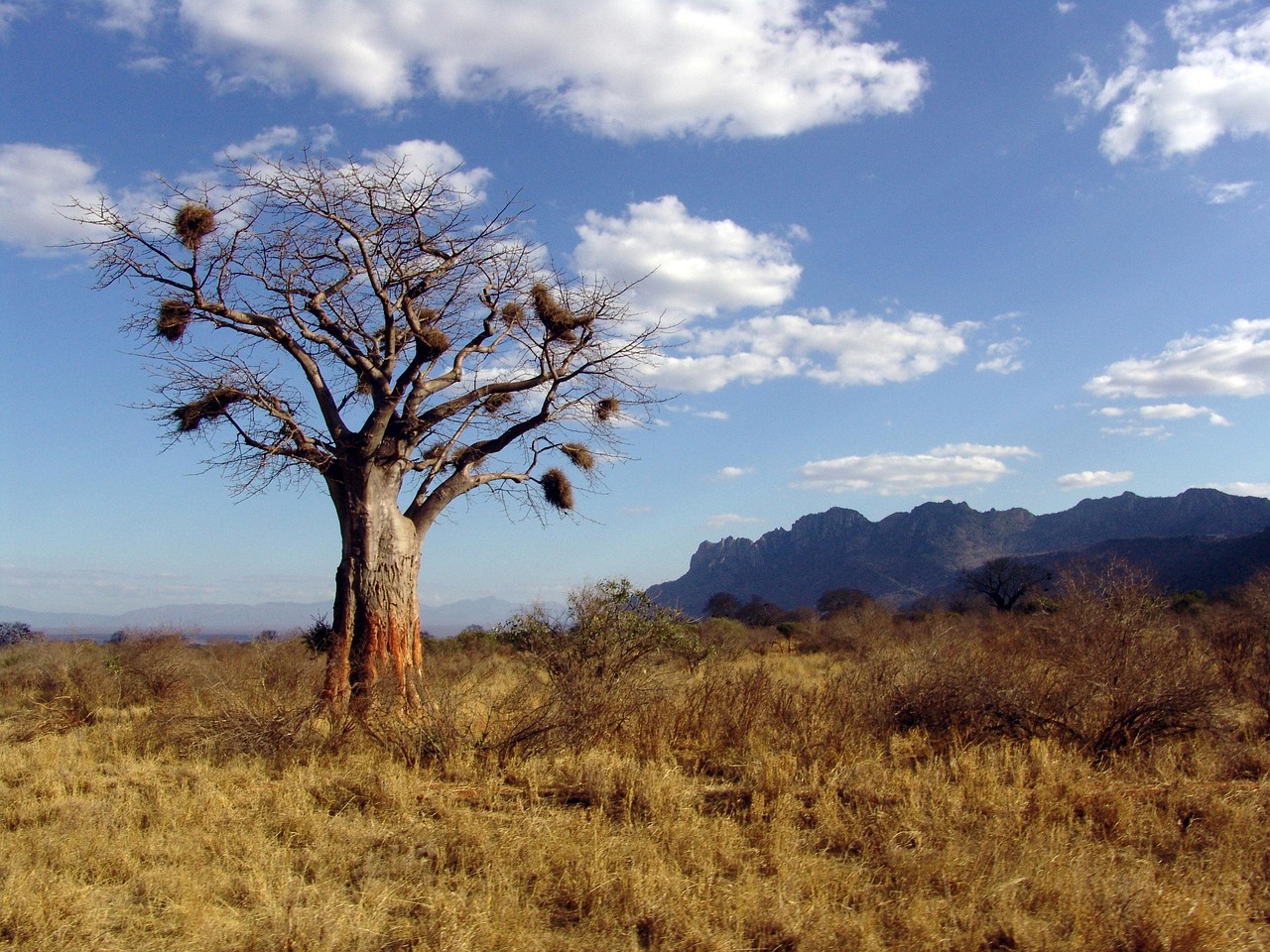
The baobab, often called the “tree of life,” can live for thousands of years and store massive amounts of water within its trunk. In parts of Africa, laws protect these trees from cutting or damage, recognizing their ecological and cultural importance. They provide food, shelter, and water for humans and wildlife alike. Protecting baobabs ensures that communities retain vital resources while preserving iconic natural landmarks. These laws show how ancient plants can inspire legal safeguards for sustainability and heritage.
6. Rafflesia arnoldii
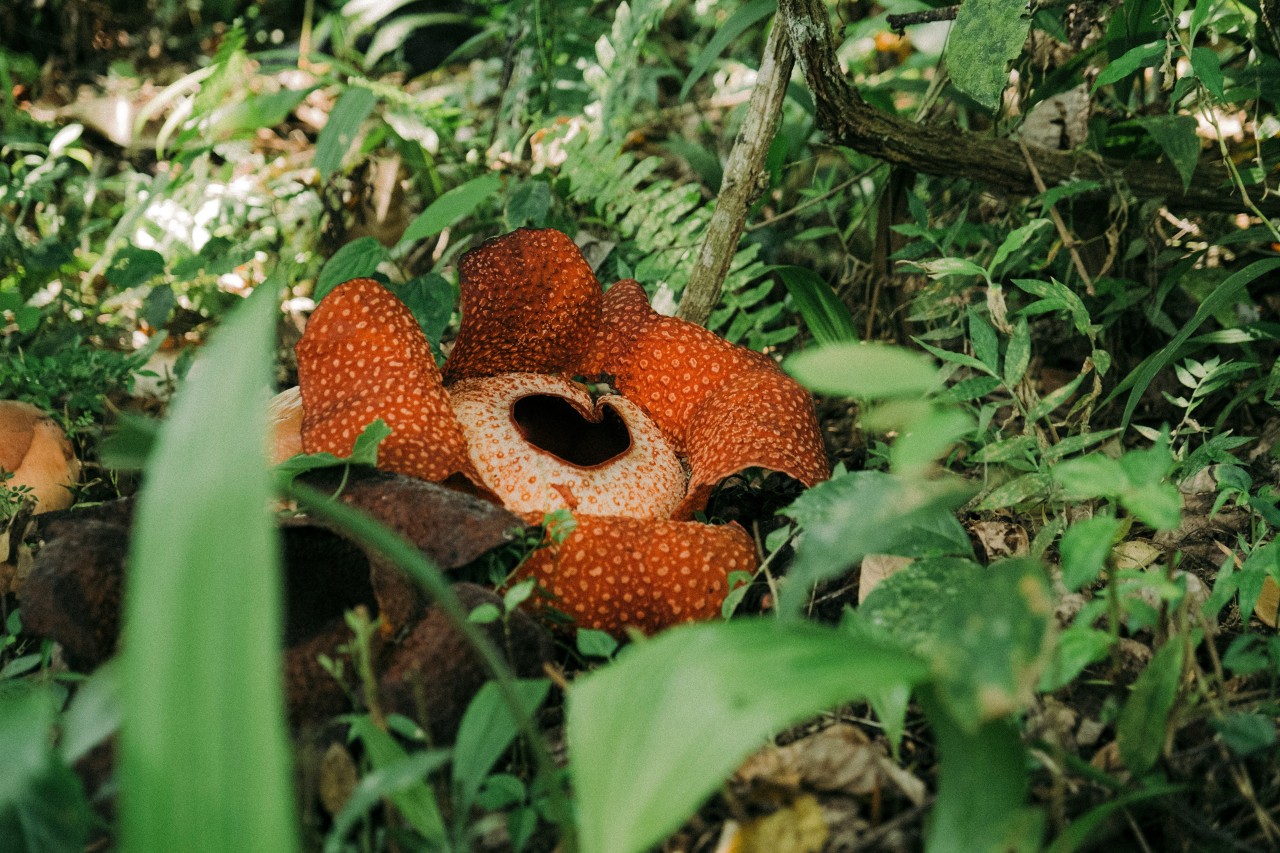
Rafflesia arnoldii, the world’s largest flower, produces blooms over a meter wide and emits a strong odor to attract pollinators. Because of its rarity and dependence on specific host vines, Indonesia and Malaysia enforce laws against picking or harming it. These protections help ensure the survival of a plant that might otherwise be destroyed by collectors or development. Rafflesia illustrates the delicate interdependence of species and ecosystems, showing how legal measures can safeguard nature’s most extraordinary botanical marvels.
7. Goliath Frog

The Goliath frog, the largest amphibian on Earth, can weigh over three kilograms and measure more than 30 centimeters. It faces threats from habitat loss and illegal hunting for food and the pet trade. Protective laws in Cameroon and Equatorial Guinea prohibit capture and safeguard wetlands critical to its survival. By enforcing these protections, authorities preserve both the species and its role in local ecosystems, demonstrating how legal action can maintain biodiversity and allow awe-inspiring creatures to continue thriving in the wild.
8. Joshua Tree
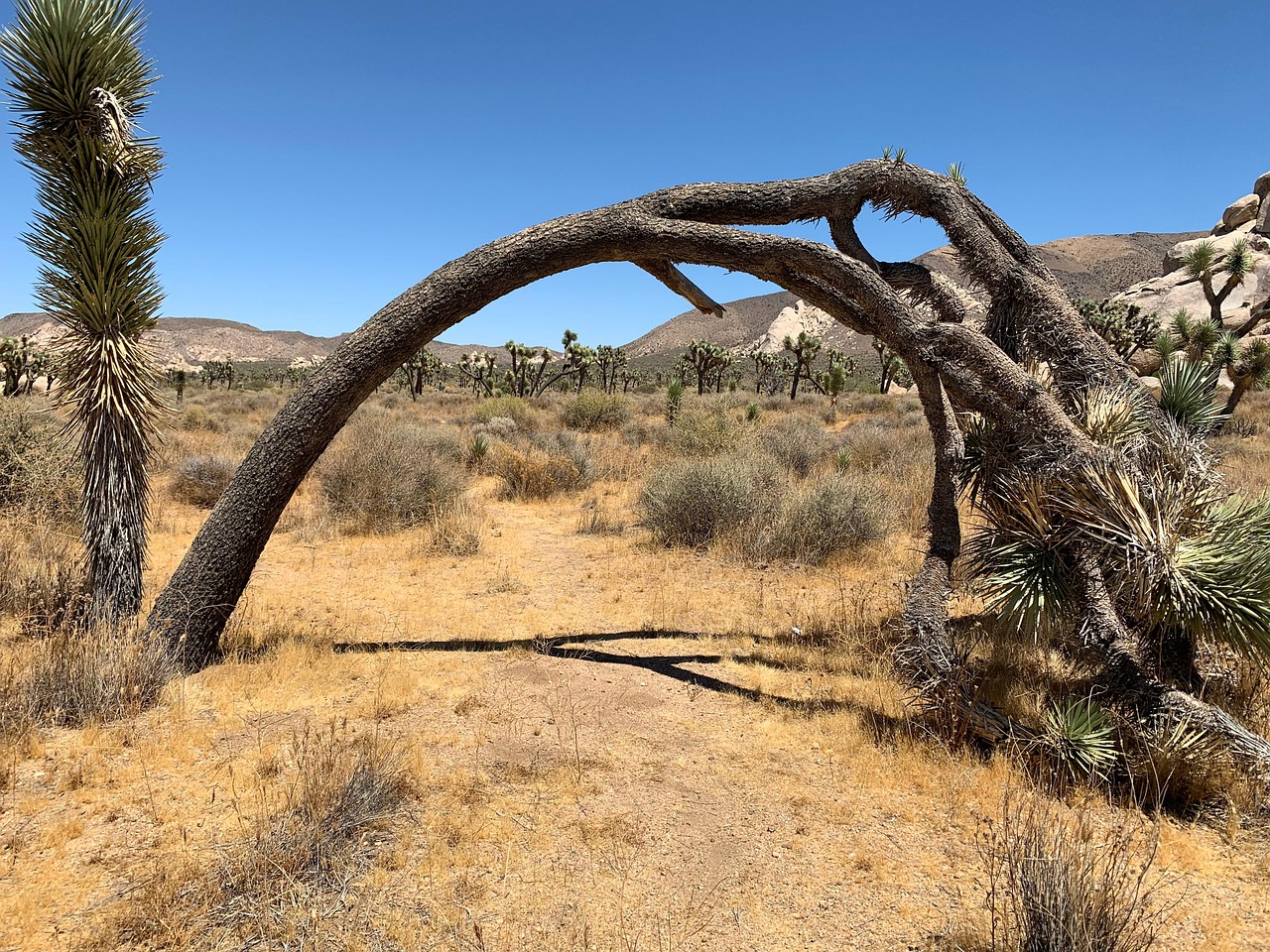
The Joshua Tree, a symbol of the Mojave Desert, is protected under U.S. federal and state laws to prevent destruction from urban development, vandalism, and climate change. Its unusual shape and slow growth make it both iconic and vulnerable. Legal safeguards ensure that this remarkable plant remains a thriving part of desert ecosystems, offering food and shelter to countless species. The Joshua Tree’s protection highlights how regulations can preserve natural landmarks that are culturally significant and ecologically vital.