

When you think of banned art, books usually come to mind. Theatre has faced just as much suppression, often because it puts power on display in a public space where people react together. When a play challenges rulers, religion, or social order, you are not reading it alone. You are watching ideas unfold live, surrounded by others who might agree. That immediacy has always frightened authorities. Across centuries, governments and religious leaders shut down performances they believed could weaken control, provoke unrest, or expose hypocrisy. These bans were rarely about taste. They were about fear. By looking at plays that were silenced, you can see how theatre has long tested who gets to speak and who must listen. Each example below shows what happens when performance pushes back and power responds by trying to shut the curtain.
1. The Government Inspector by Nikolai Gogol
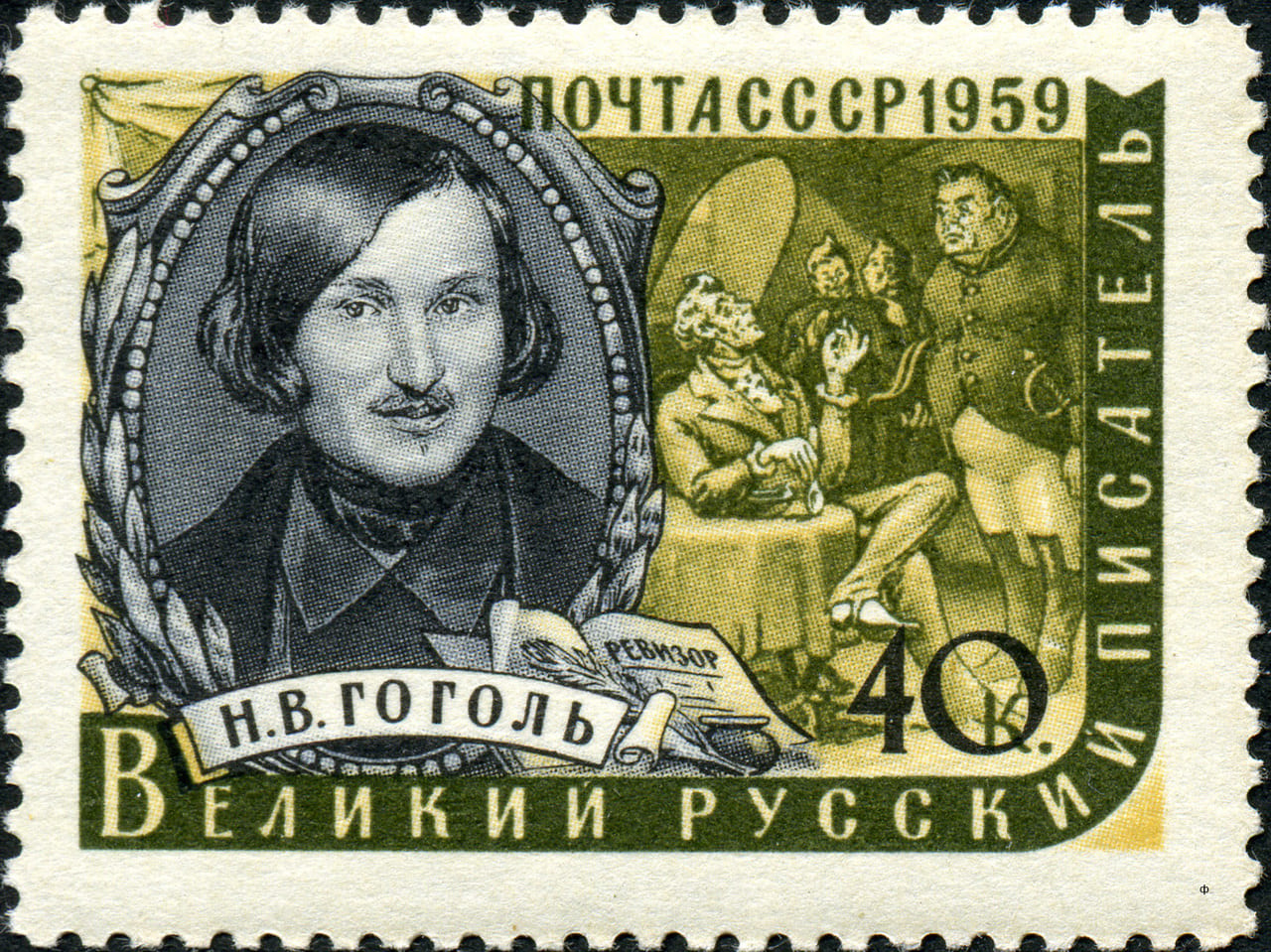
When you watch or read The Government Inspector, you see corruption laid bare through comedy. Russian officials saw something else entirely. After its 1836 premiere, the play faced intense criticism from bureaucrats who felt directly attacked. You are shown petty officials panicking over an imaginary inspector, exposing bribery and incompetence. Tsar Nicholas I allowed early performances, but local authorities quickly restricted productions. You can understand why. The play made audiences laugh at people meant to command respect. In an autocratic system, that laughter mattered. Theatre historians note that Gogol’s satire threatened the image of orderly rule. Even without outright national bans, pressure and censorship followed. You are reminded that ridicule can be as dangerous to power as open rebellion.
2. Mother Courage and Her Children by Bertolt Brecht
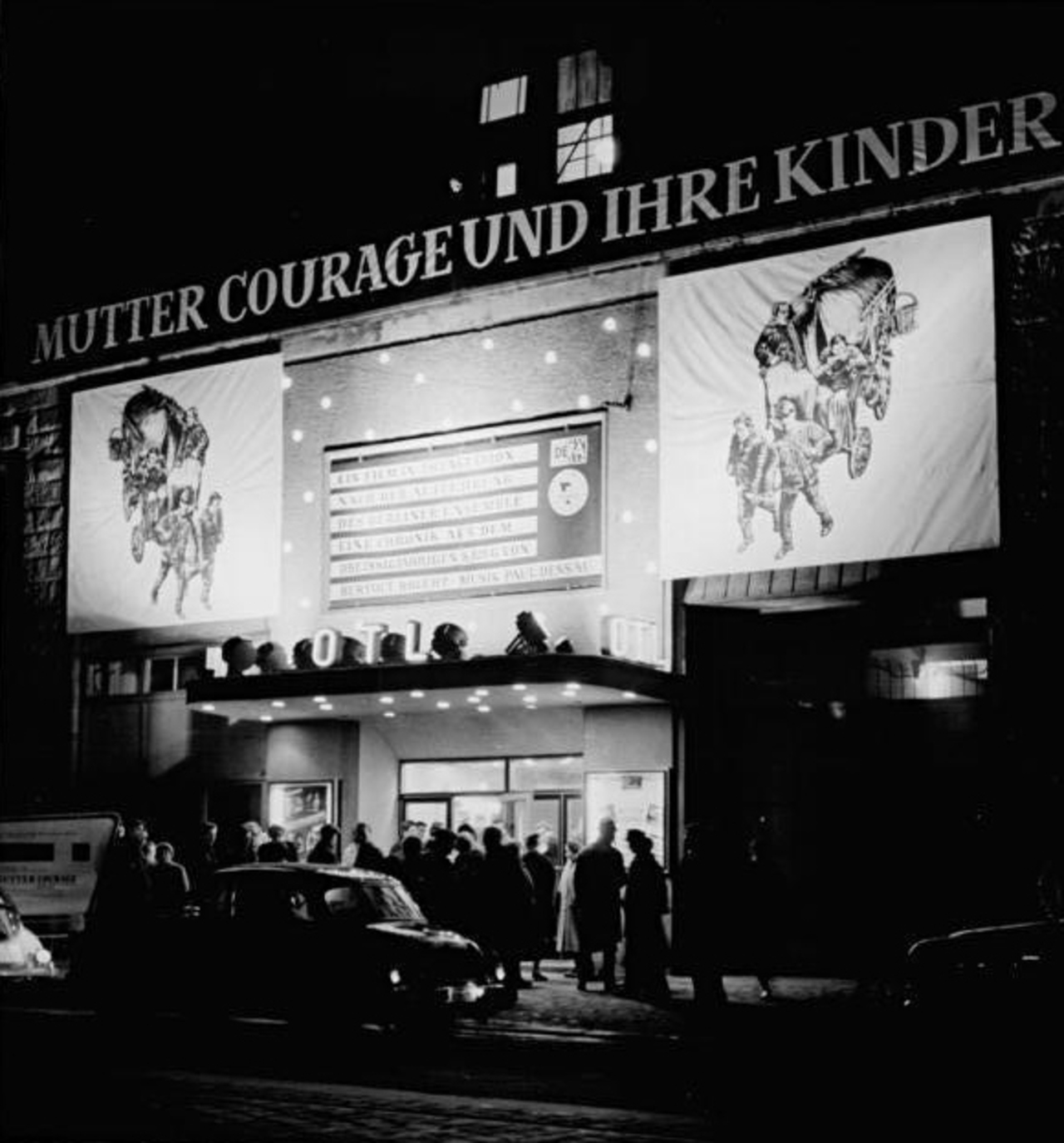
You do not leave Mother Courage feeling comfortable. Brecht forces you to confront how war feeds on ordinary people. When the play appeared in the twentieth century, authoritarian governments were uneasy. In Nazi Germany, Brecht’s work was banned entirely. You are watching a woman profit from war while losing her children to it, and the message is clear. War is not heroic. It is exploitative. Authorities feared that audiences would question nationalist narratives and military sacrifice. Scholars of Brecht point out that his techniques prevented emotional escape. You could not simply feel and forget. That made the play dangerous. By denying you passive entertainment, it challenged the authority that relied on obedience and uncritical patriotism.
3. The Crucible by Arthur Miller
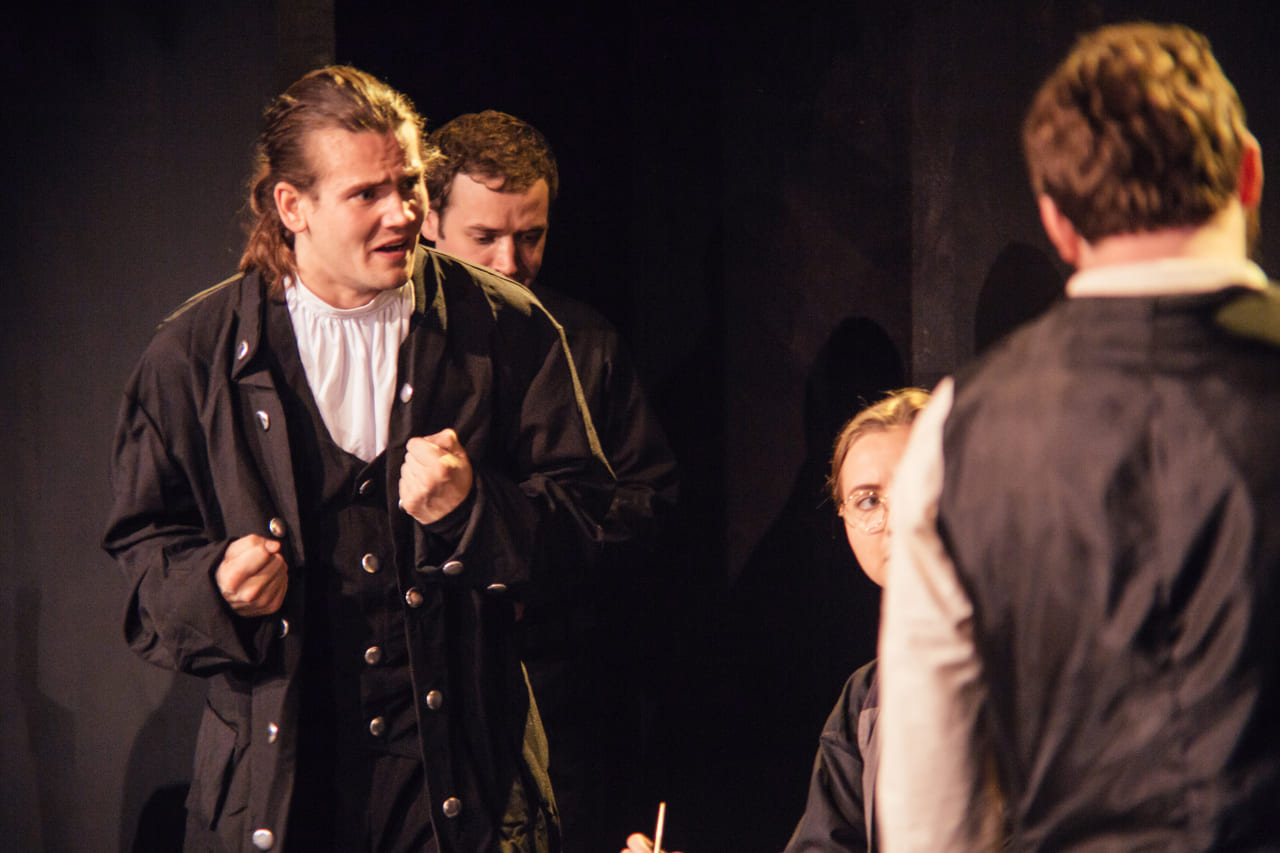
You might think of The Crucible as a historical drama, but authorities understood its real target. Written during the Red Scare, it used the Salem witch trials to criticize modern political persecution. In some U.S. communities and abroad, the play faced bans and restrictions. You see how fear turns accusation into power. Officials recognized themselves in the judges onstage. That recognition was not welcome. Miller himself testified before congressional committees, which made the play even more threatening. Theatre scholars agree that The Crucible unsettled authority because it asked you to question legal systems presented as moral. By showing how easily justice collapses under pressure, the play pushed audiences to doubt those claiming to protect them.
4. Tartuffe by Moliere
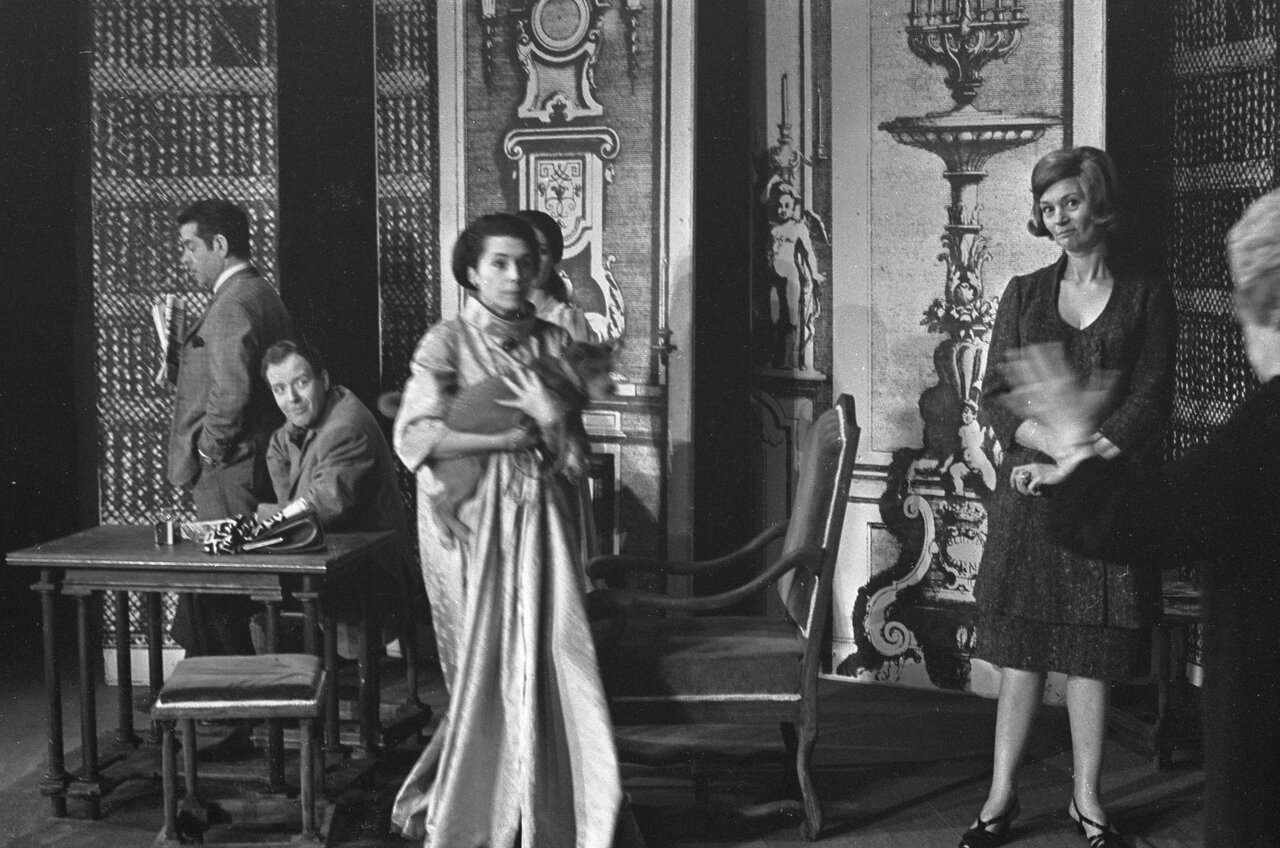
When you watch Tartuffe, you see religious hypocrisy exposed through humor. In seventeenth century France, church leaders did not laugh. After early performances, the play was banned for years under pressure from religious authorities. You are shown a fraud using piety to gain control over a household. That portrayal was seen as an attack on the church itself. King Louis XIV eventually allowed a revised version, but only after heavy debate. Historians note that the ban was about maintaining moral authority. If you laugh at false devotion on stage, you might start questioning real figures off it. Tartuffe demonstrates how satire can threaten institutions that depend on unquestioned reverence.
5. Ubu Roi by Alfred Jarry
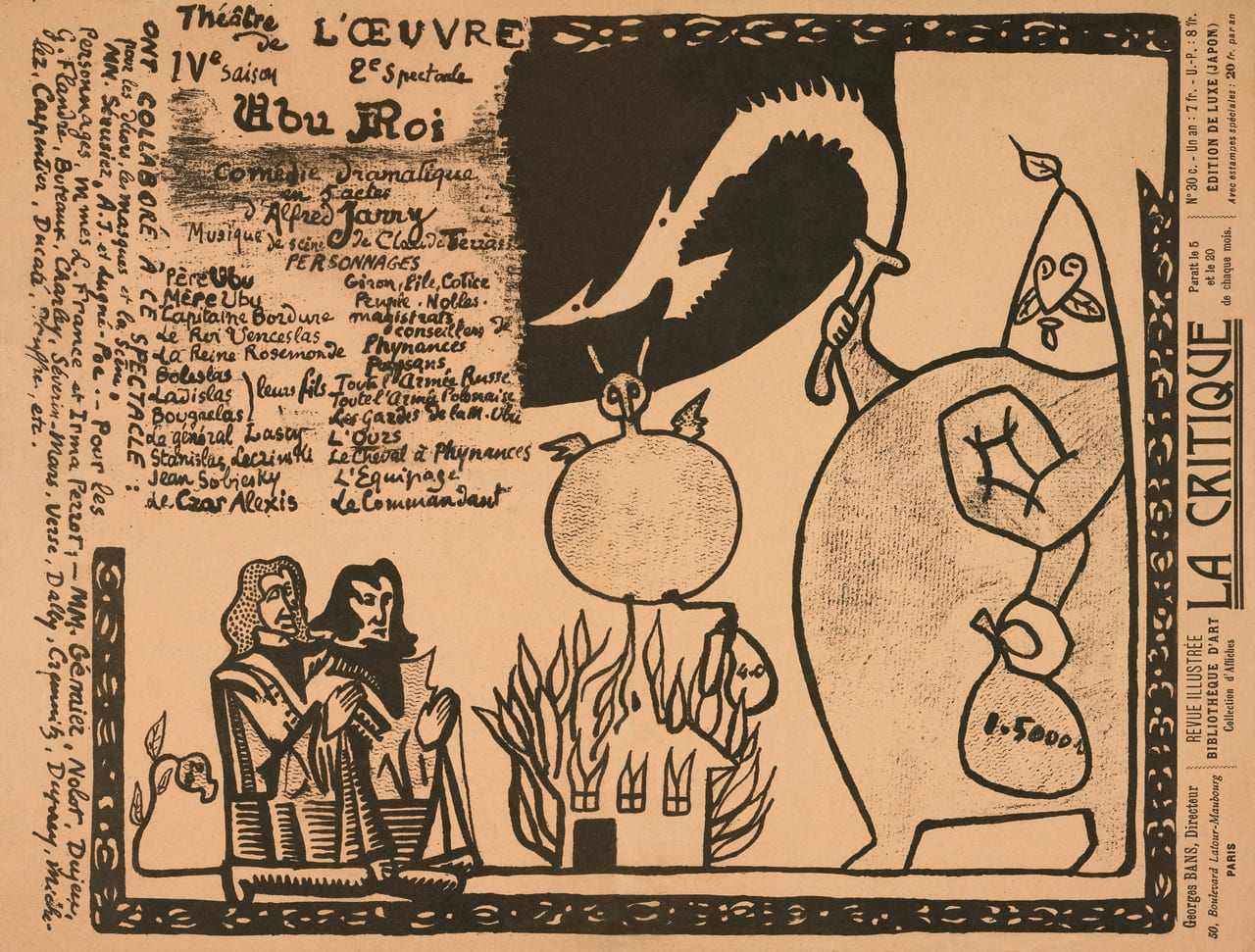
Ubu Roi shocked audiences from its first word. You are confronted with absurdity, cruelty, and childish greed embodied in a tyrant. Early performances sparked outrage and bans in several cities. Authorities and critics saw the play as an insult to leadership and tradition. You watch power reduced to farce. That reduction mattered. Theatre historians explain that Ubu was not one ruler but all rulers exaggerated to grotesque extremes. By stripping authority of dignity, the play encouraged you to see domination as ridiculous rather than inevitable. Bans followed because once authority becomes laughable, control weakens. The chaos onstage mirrored fears of chaos off it.
6. Waiting for Godot by Samuel Beckett
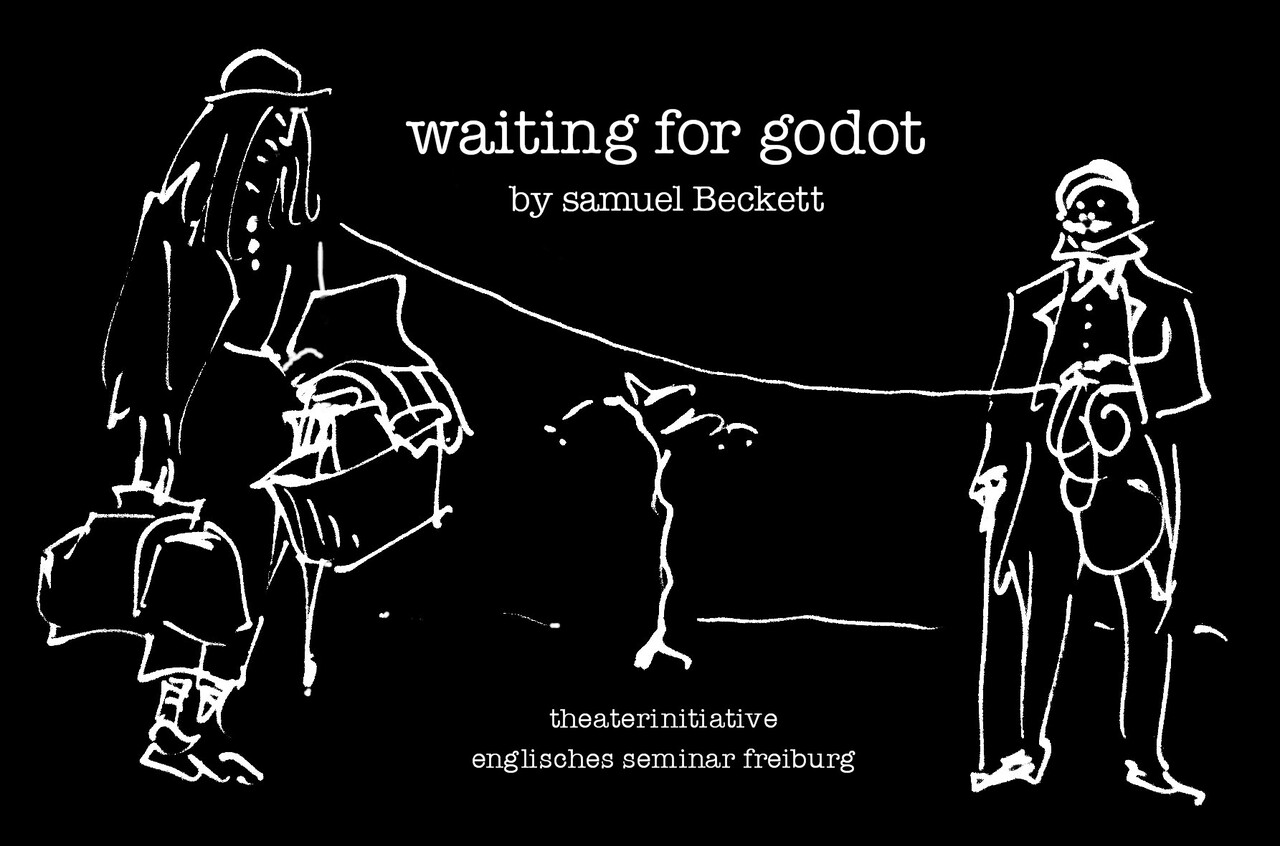
At first glance, Waiting for Godot seems apolitical. Authorities in some countries disagreed. In places like Francoist Spain and parts of Eastern Europe, performances were restricted or delayed. You are watching characters trapped in endless waiting, unable to act, clinging to vague promises. That image resonated too closely with life under authoritarian rule. Scholars argue that the play’s threat lay in its refusal to provide meaning or resolution. If you see power as empty waiting, obedience loses purpose. The play challenged authority not by protest, but by showing stagnation. That quiet challenge was enough to provoke censorship.
7. Hair the Musical
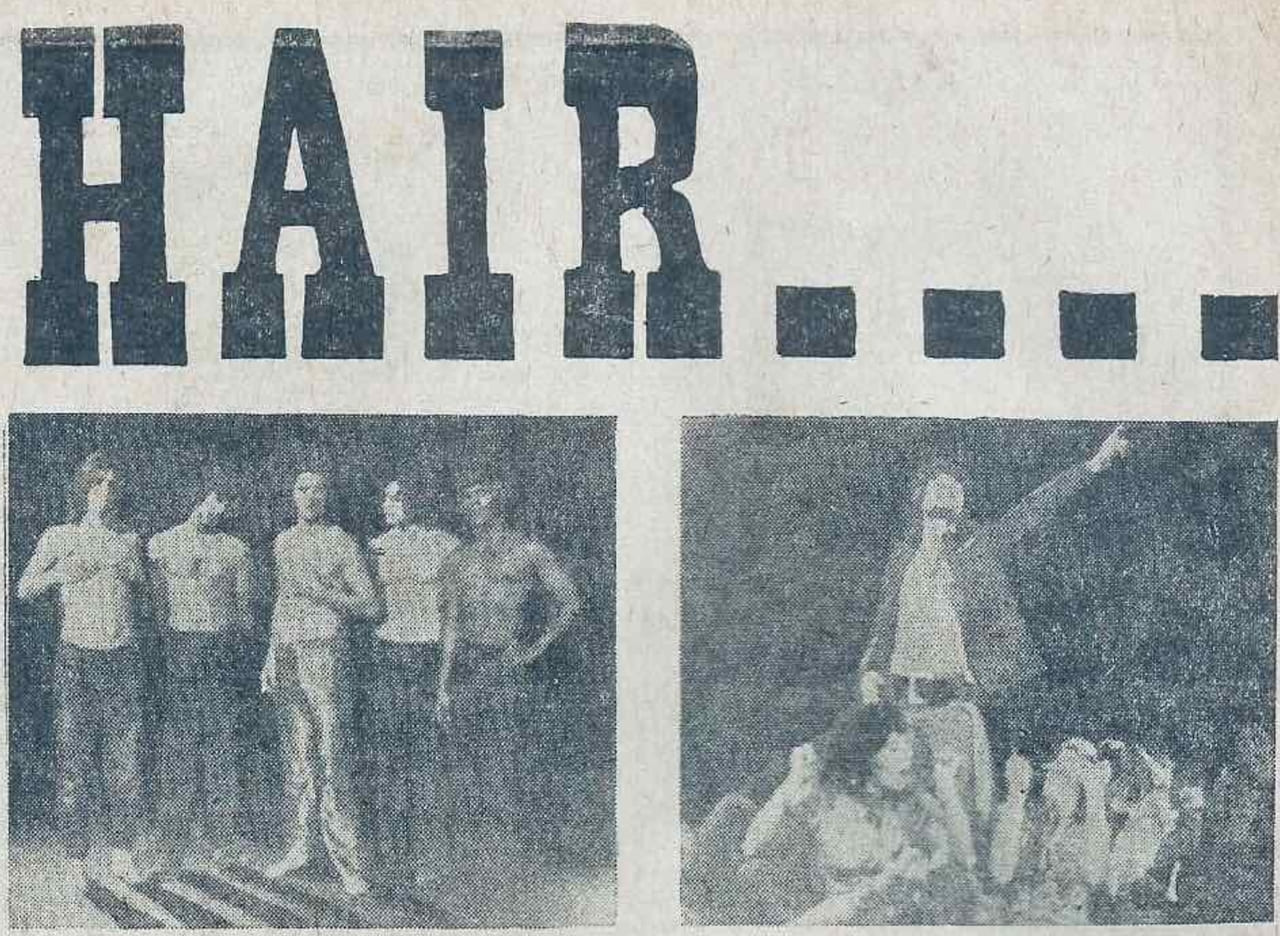
Hair brought antiwar protest, sexual freedom, and youth rebellion onto the stage. Authorities reacted swiftly. You could face bans, police raids, or license withdrawals depending on where you saw it. Governments feared its open rejection of military service and traditional values. You are not subtly guided. You are confronted with slogans, music, and bodies that refuse restraint. Cultural historians note that Hair collapsed the distance between stage and street protest. When you watch it, you are invited to join, not observe. That invitation threatened systems built on conformity. The bans reflected anxiety about losing control over younger generations.
8. The Mahabharata Adaptations in Colonial India
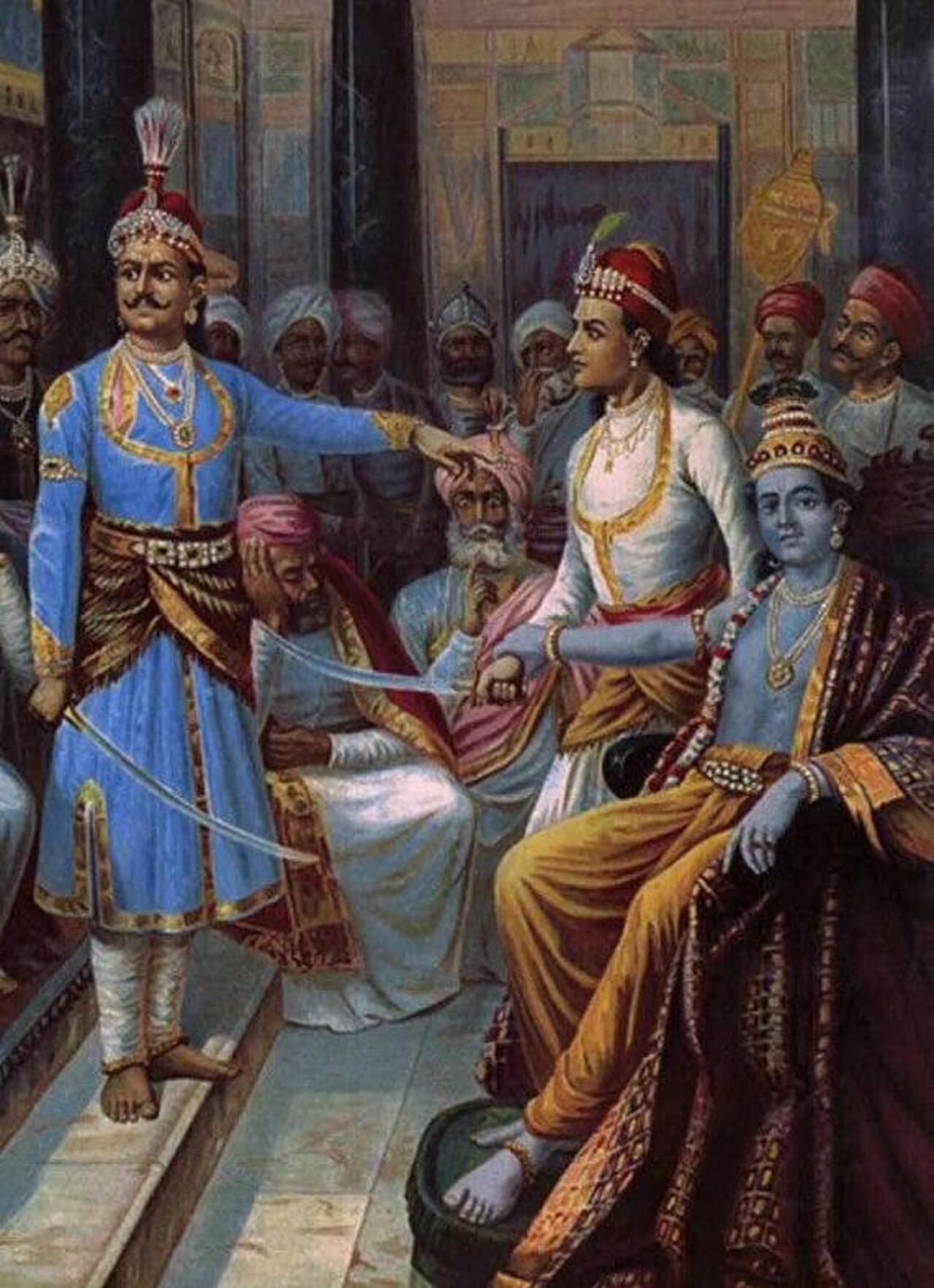
When colonial authorities restricted performances of certain Mahabharata adaptations, it was not about mythology. You are watching stories of duty, resistance, and moral struggle that resonated with nationalist movements. British officials feared that public performances could inspire political unity. Theatre historians document licensing controls and selective bans on productions seen as inflammatory. You might think ancient epics were safe, but meaning depends on context. When audiences connected epic injustice to present rule, authority intervened. These bans show how even traditional narratives become threatening when they encourage you to question who truly deserves power.