
Throughout history, teenagers have made remarkable contributions to science, technology, and society before even reaching voting age. Many young inventors, guided by curiosity and necessity, created innovations that solved problems or sparked new industries. These achievements are documented by patent offices, historical records, and educational institutions, proving that age does not limit creativity or impact. From groundbreaking medical devices to everyday essentials, their work continues to shape the modern world. Here are eight influential inventions created by teenagers that demonstrate the extraordinary potential of youthful imagination and determination.
1. Braille System
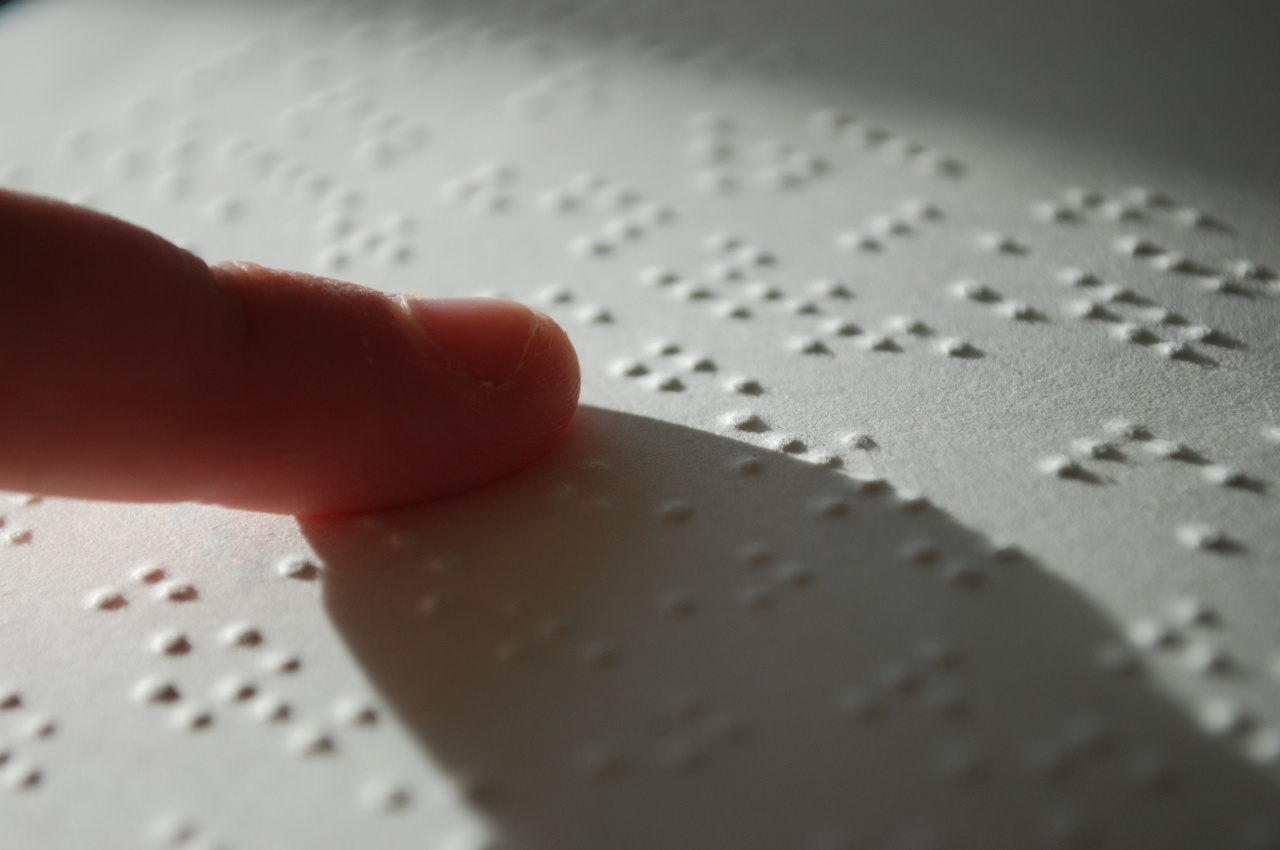
At just 15, Louis Braille developed the tactile reading system that revolutionized communication for the blind. Inspired by a method of “night writing” created for soldiers, Braille simplified and perfected the system using raised dots. Today, Braille remains the universal standard for blind literacy, recognized by UNESCO and widely adopted in education worldwide. Historical archives at the American Printing House for the Blind confirm that Braille’s invention allowed millions to access written knowledge. His teenage breakthrough continues to promote inclusivity and equality, showing how one determined invention can change society for generations.
2. Trampoline

George Nissen, a 16-year-old from Iowa, invented the modern trampoline in 1934 after observing trapeze artists bouncing off safety nets. Working with his high school gymnastics coach, he built the first prototype using canvas and rubber springs. According to the Smithsonian’s National Museum of American History, Nissen patented his design and promoted it globally, leading to its eventual inclusion in the Olympic Games. The trampoline has since been used for fitness, recreation, and astronaut training. Nissen’s teenage innovation proved how a simple idea could grow into a worldwide sport and training tool.
3. Popsicle
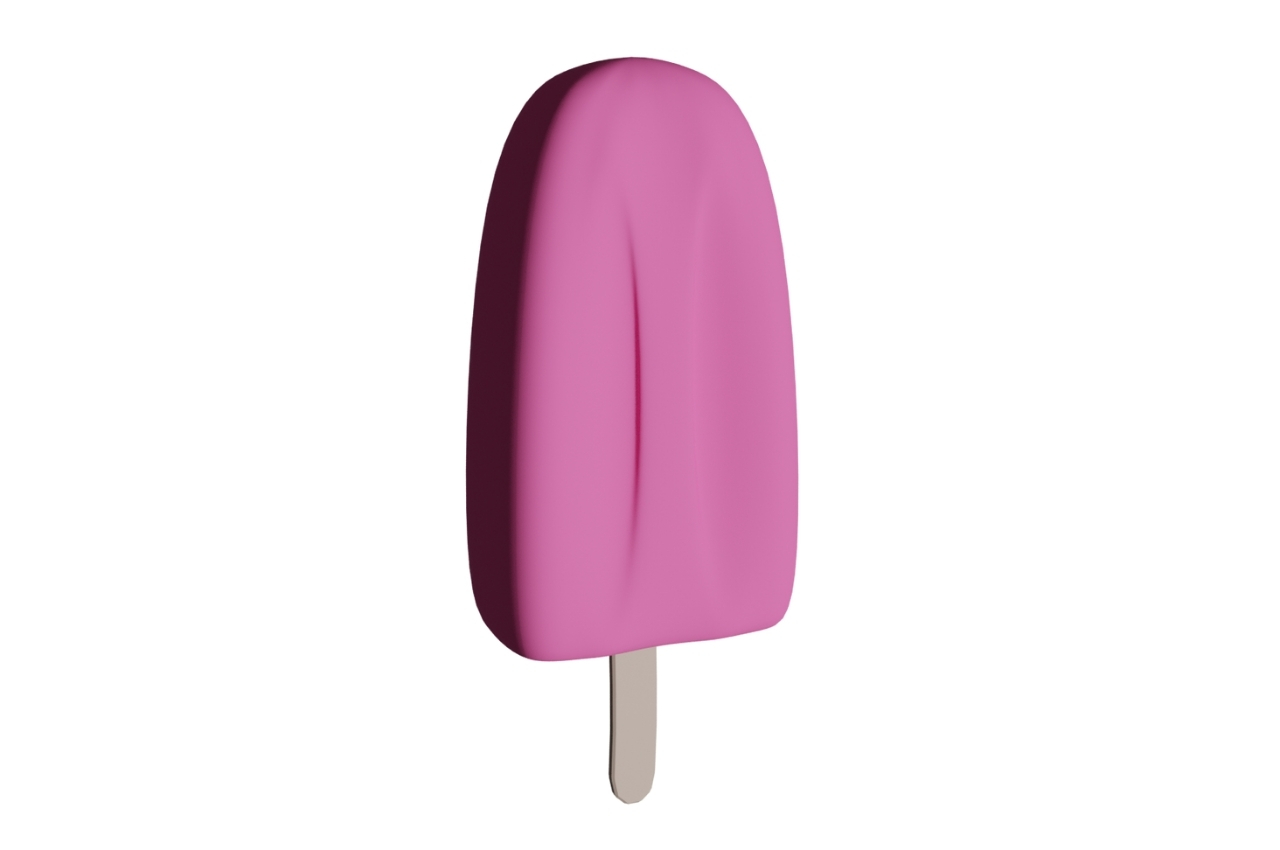
In 1905, 11-year-old Frank Epperson accidentally invented the Popsicle when he left a cup of soda powder and water with a stir stick outside overnight. The mixture froze, and he realized it could be eaten as a frozen treat. Years later, he patented his invention, which eventually became a household favorite. The U.S. Patent and Trademark Office archives confirm his application, and the brand grew into a multi-million-dollar industry. Epperson’s childhood accident turned into a global snack sensation, showing how even simple mistakes can lead to lasting innovations enjoyed by millions.
4. Snowmobile

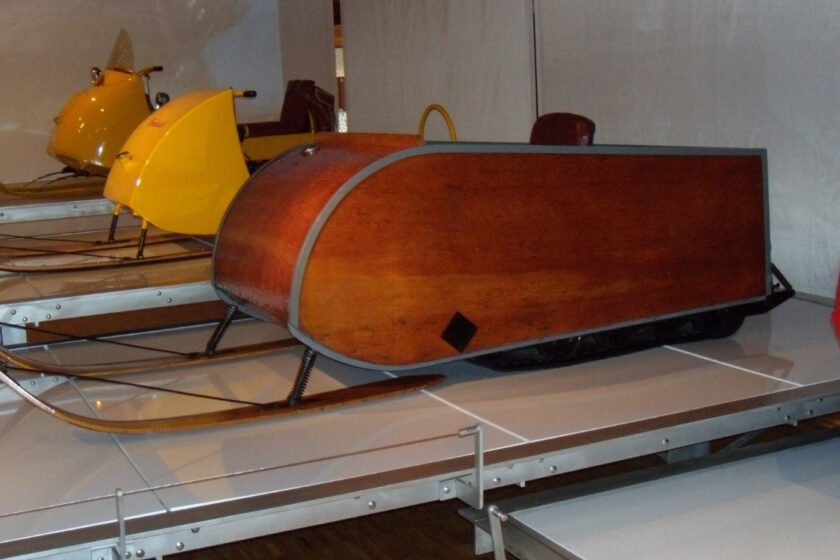
Joseph-Armand Bombardier, a Canadian teenager, invented the snowmobile at age 15 in 1922. Fascinated by mechanics, he built a machine using a car engine and homemade tracks that could travel over snow. According to the Canada Science and Technology Museum, Bombardier later founded a company that became a leader in snow vehicle manufacturing. His teenage invention provided vital transportation in snowy regions, supporting communities isolated during winter. Today, snowmobiles are widely used for recreation, rescue missions, and utility work. Bombardier’s ingenuity transformed mobility in harsh climates, starting with his early experiment as a teenager.
5. Bra
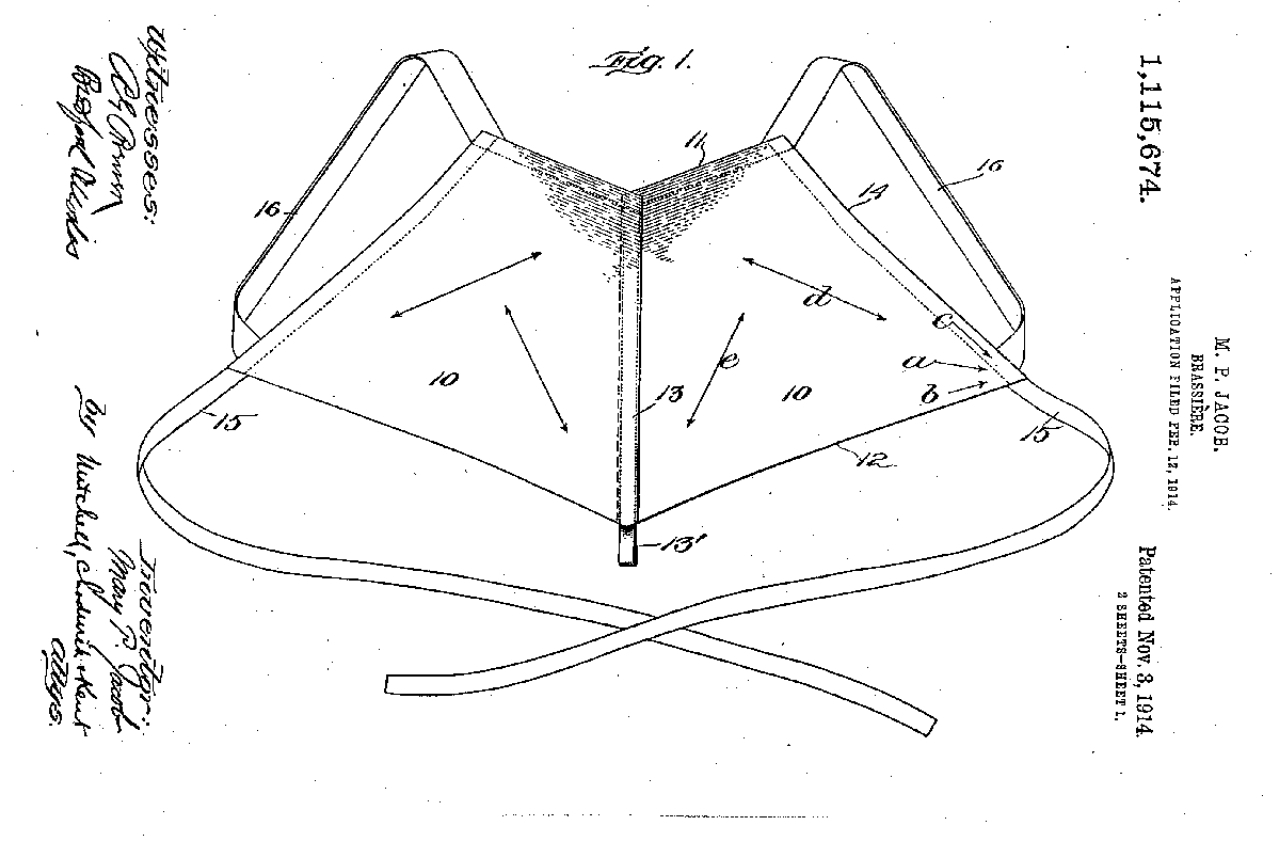
In 1913, 19-year-old Mary Phelps Jacob created the modern bra by sewing two silk handkerchiefs together with ribbon. Frustrated with the discomfort of corsets, she crafted a lightweight alternative that quickly gained popularity among women. Historical records from the U.S. Patent and Trademark Office document her invention, which she patented under the name “Caresse Crosby.” Her teenage creation revolutionized women’s fashion and comfort, eventually becoming a global industry. Jacob’s ingenuity as a young woman reshaped clothing design forever, showing how a personal need addressed at a young age could transform everyday life.
6. Paper Bag Machine
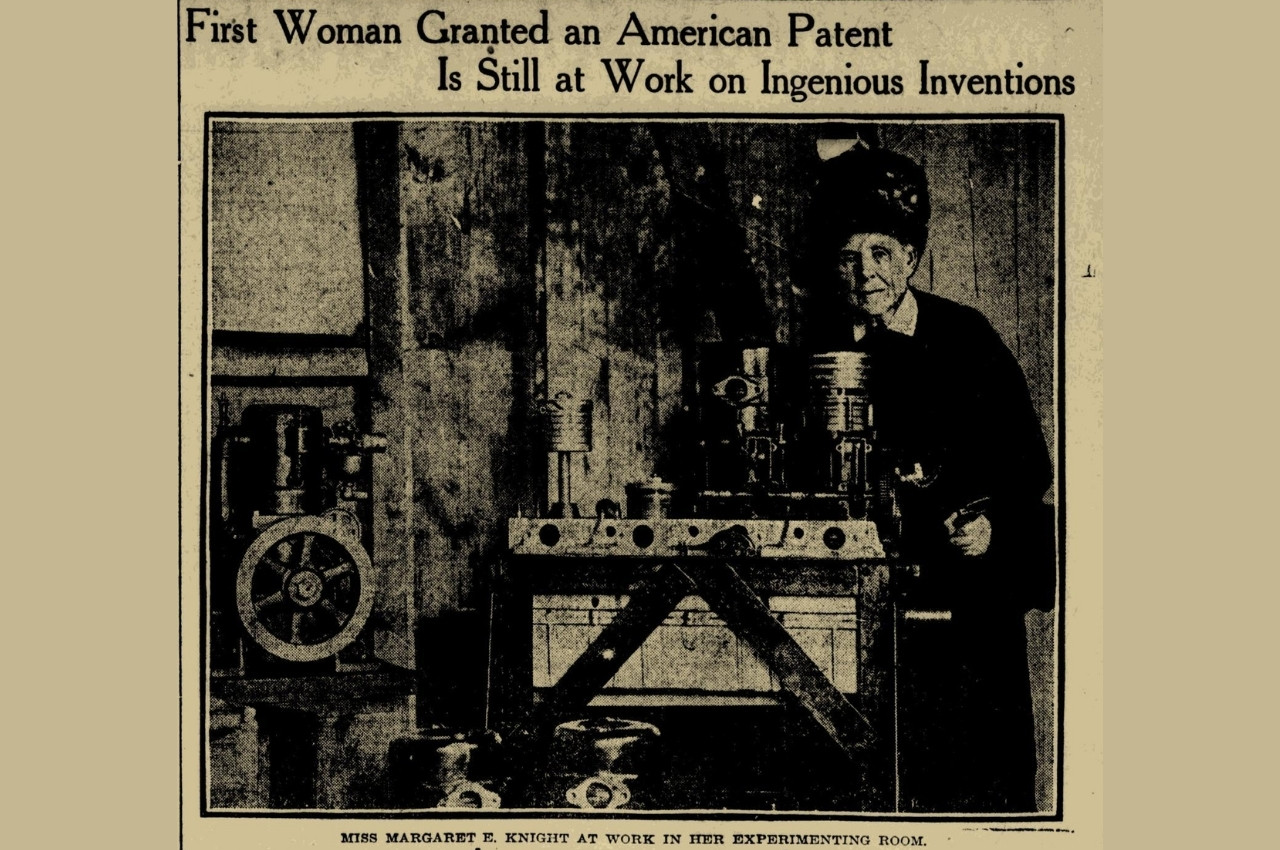
At age 12, Margaret Knight invented a safety device to prevent injuries in textile mills, marking her early brilliance as an innovator. At 16, she designed a machine to automate the folding and gluing of flat-bottomed paper bags. She patented this idea at the age of 17, and it has since transformed the packaging sector and is still used in stores all over the world. Knight eventually held more than 25 patents, earning the nickname “the female Edison.” Her contributions dramatically improved both industrial safety and consumer convenience, cementing her legacy as one of history’s most productive inventors.
7. Hollow Flashlight
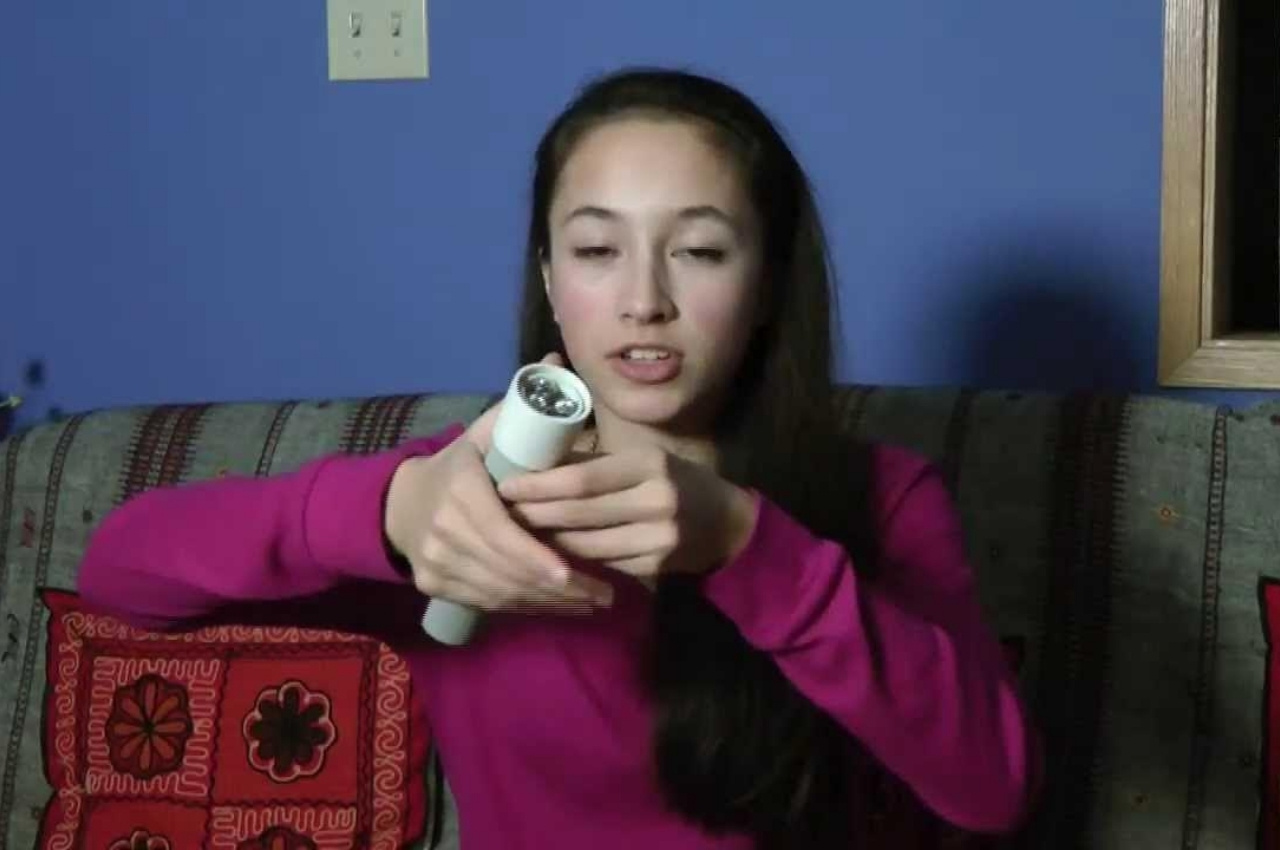
At age 15, Canadian student Ann Makosinski invented the Hollow Flashlight, a device powered entirely by body heat. The flashlight uses thermoelectric tiles that convert temperature differences between the human hand and the environment into usable electricity. Her invention, recognized at the 2013 Google Science Fair, demonstrated how sustainable energy solutions could be created without batteries. The Canadian Museum of Science and Technology has documented her work, and it continues to be showcased as an example of practical innovation developed by a teenager with global environmental impact.
8. Biodegradable Plastic Bag
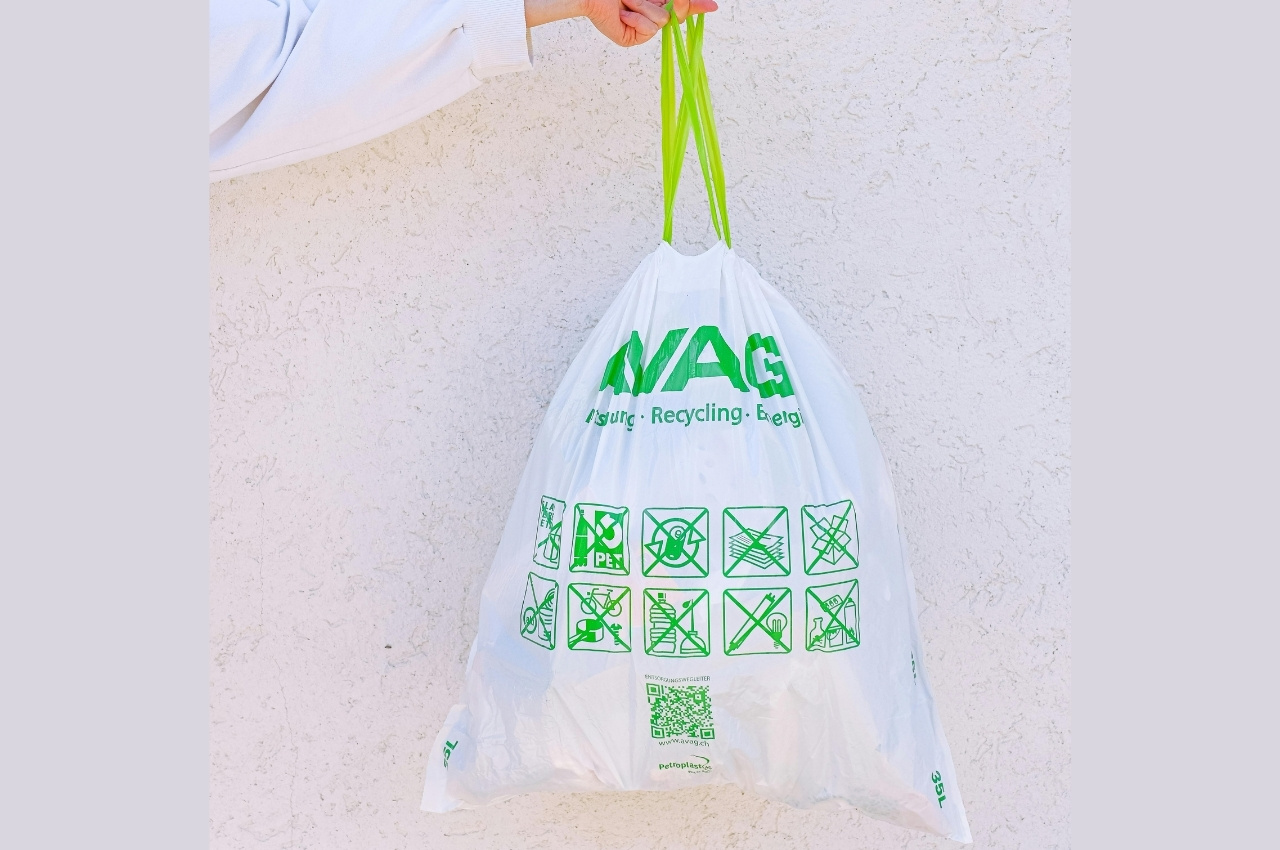
At age 16, Canadian student Daniel Burd developed a groundbreaking method to break down plastic bags using naturally occurring microorganisms. While experimenting for a science fair, he discovered that certain strains of bacteria could significantly reduce the decomposition time of polyethylene, one of the most common and persistent plastics. His process combined optimal bacterial selection with simple environmental conditions, reducing plastic degradation from hundreds of years to a matter of weeks. The project won top honors at the Canada-Wide Science Fair and attracted attention from environmental organizations focused on reducing plastic waste globally.