

Exploring wild trails is exciting, but experienced hikers know that danger often shows itself long before the path becomes visible. The environment gives subtle warnings that something ahead may be unstable, unsafe, or in motion. Reading these clues helps you move with confidence and avoid unexpected risks. By paying attention to sound patterns, surface textures, wildlife reactions, and changes in airflow, you can predict what the trail is about to reveal. These early signals become powerful tools for staying safe, spotting trouble quickly, and making smarter decisions in the outdoors.
1. Sudden Silence in Bird Activity

A quiet forest often signals that something unusual is ahead. Birds are noisy when conditions are normal, but predators, strong winds, or human presence can cause them to stop calling at the same time. When the sounds drop quickly, it may mean a larger animal is nearby or that the terrain ahead changes sharply. Silence that falls in a wave is especially telling because it often moves before you reach the source. Paying attention to fading calls, sudden pauses, or missing background rhythm helps you prepare before stepping into an unfamiliar stretch of trail.
2. Unnatural Movement in Tall Grass

Tall grass sways naturally with the wind, but erratic or isolated motion often suggests an animal, a hidden drop, or a loose surface ahead. When grass shifts in tight bursts or stops abruptly, it may be signaling a disturbed patch of ground. Repeated movement in the same location can mean a hidden burrow or a snake resting just below the blades. Observing the pattern of motion helps you understand whether the disturbance is caused by wind or by something alive. This awareness allows you to approach carefully or adjust your route altogether.
3. Water Flow That Changes Sound or Speed
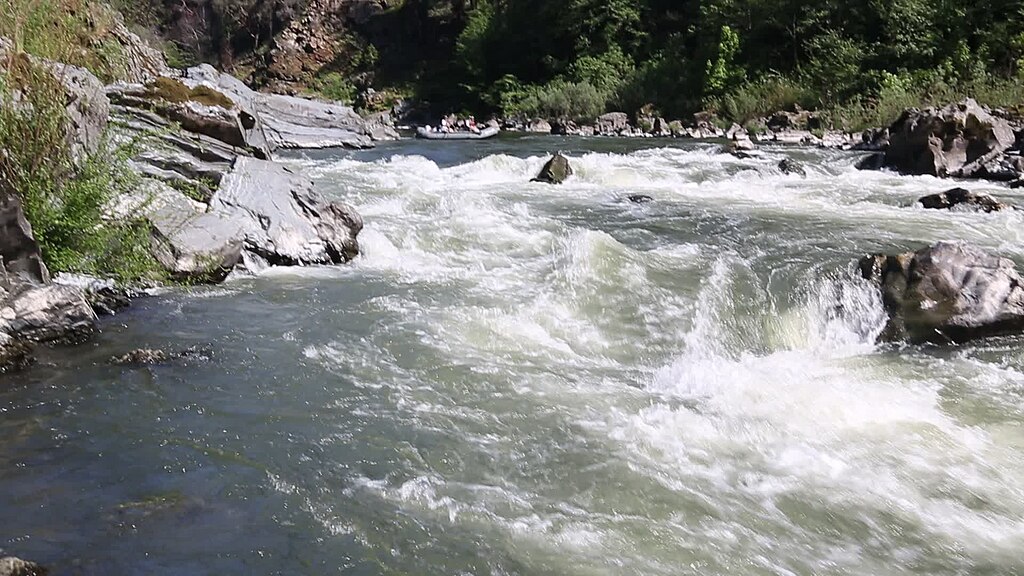
Streams, puddles, and runoff areas often announce hazards before they appear. When water suddenly grows louder, it may indicate a steep drop or fast current just ahead. A sudden quiet patch can mean the flow is being blocked by debris, forming a deeper pool. If the speed changes without a visible cause, it can signal a washed-out section on the trail. Listening for shifts in tone helps you gauge whether the path ahead is slippery, unstable, or too deep to cross safely. Subtle changes often reveal conditions well before you reach them.
4. Fresh Soil or Broken Ground Patterns
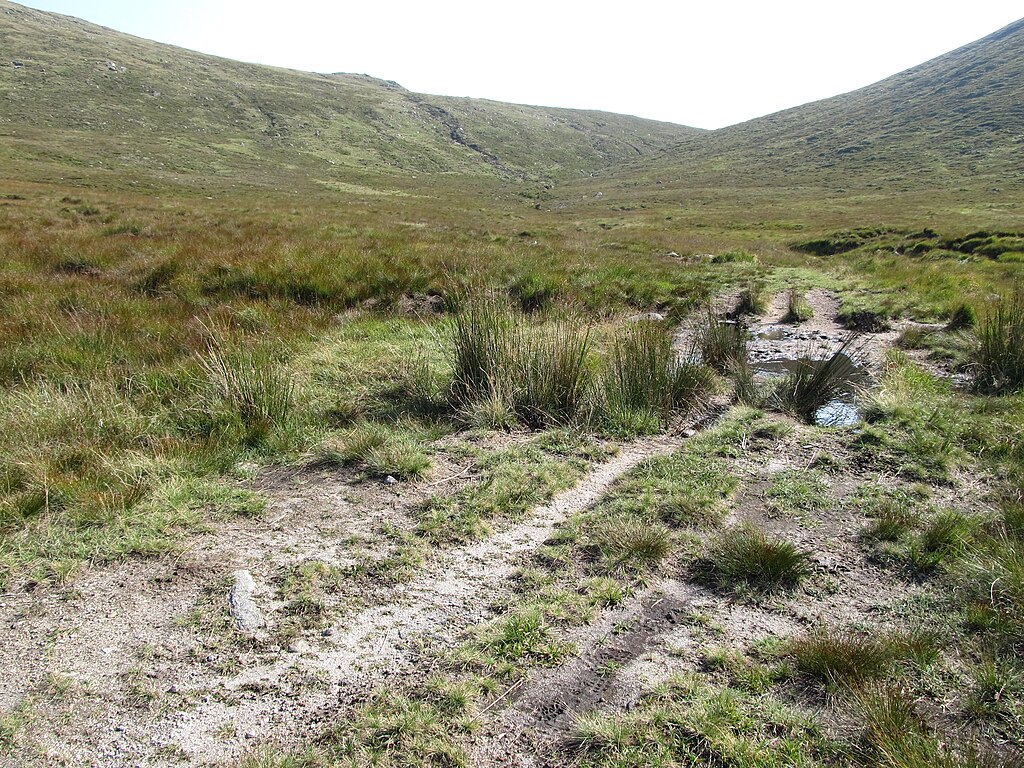
Loose dirt, exposed roots, or scattered pebbles often signal recent disturbance on the trail. These signs may indicate wildlife activity, erosion, or a previous hiker slipping on uneven ground. Fresh tracks mixed with soft soil can also hint at an animal trail crossing ahead. When patterns look unusually sharp or inconsistent, it may mean the path has shifted recently from rain or instability. Observing soil texture helps you anticipate the footing you will encounter. These visual clues can prevent surprises like sudden slopes, sink spots, or uneven steps.
5. Shifts in Wind Direction Around Corners
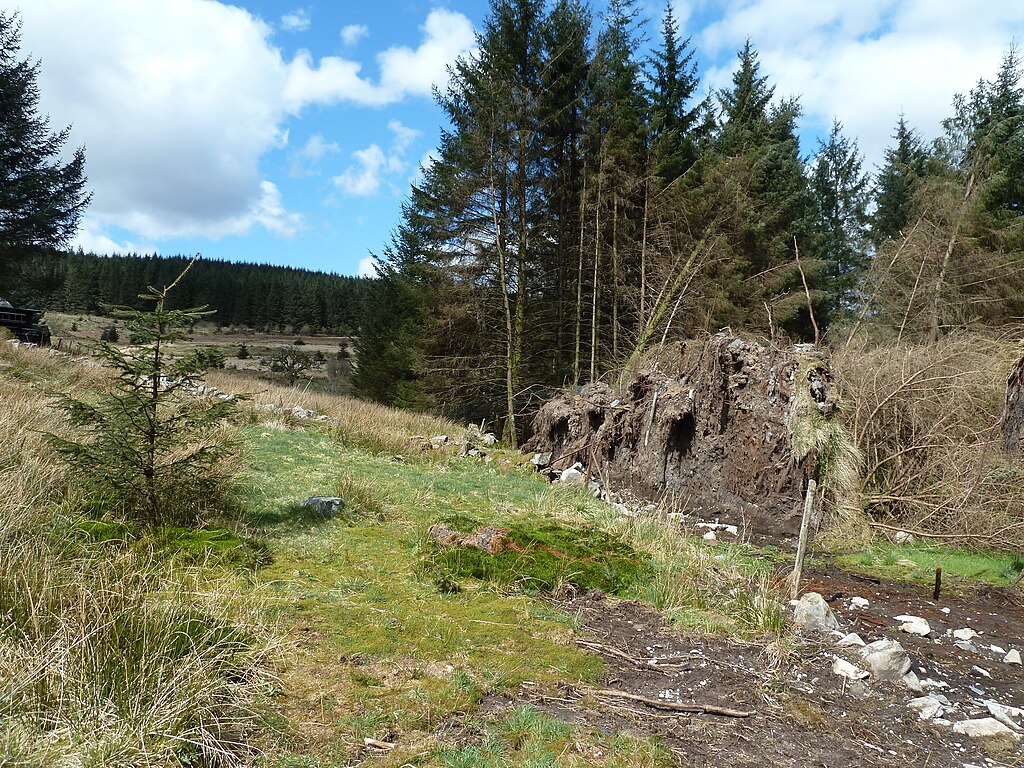
Wind often gives early warnings about what lies ahead on a trail. When airflow changes suddenly, it can signal an open clearing, cliff edge, or valley directly in front of you. A warm gust may hint at exposed rock, while a cool push can indicate dense shade or water. If the wind grows stronger without a visible reason, a sharp drop or wide opening may be approaching. These signals help you slow down and prepare before the trail reveals itself. Understanding these shifts gives you extra control in unfamiliar terrain.
6. Repeated Animal Tracks Leading One Way
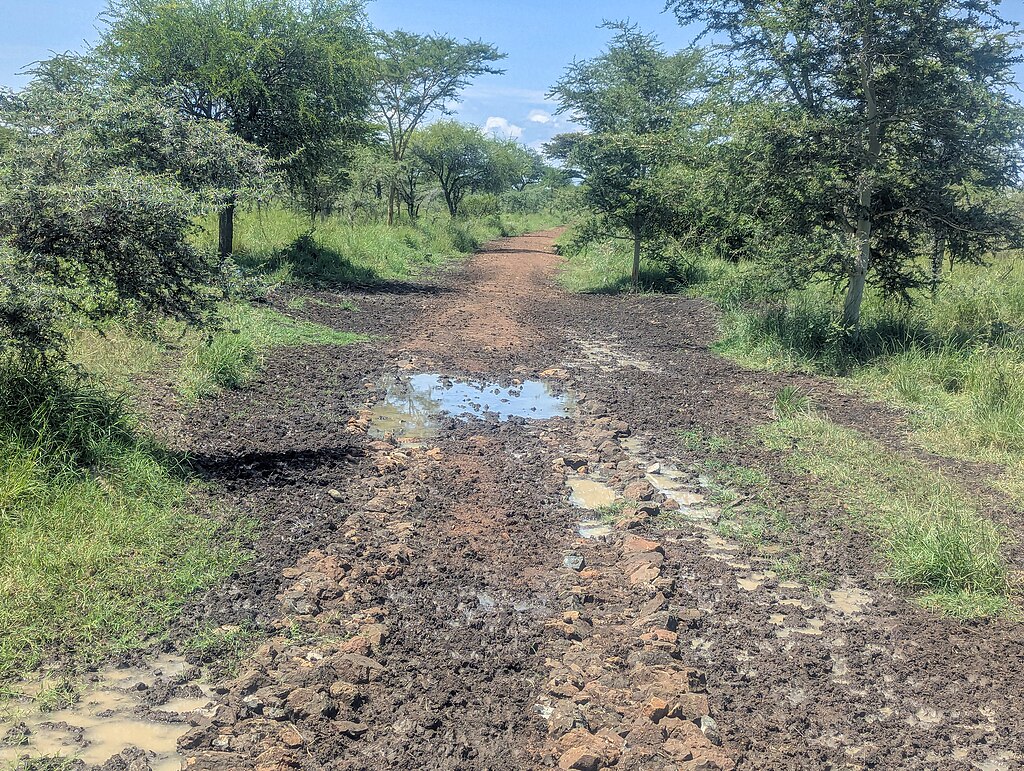
Animals often recognize trail hazards before humans do, so their movement patterns offer valuable hints. When multiple tracks point in the same direction, it may indicate that wildlife is avoiding a dangerous area behind them. Uneven spacing or sudden turns can signal predators, unstable ground, or hidden obstacles. Tracks that cluster around a curve or rock often show where animals choose safer paths. Reading these directional patterns helps you understand the environment long before you reach potential risk zones. This information is especially helpful in isolated or rugged areas.
7. Consistent Cracking or Shifting Branch Sounds
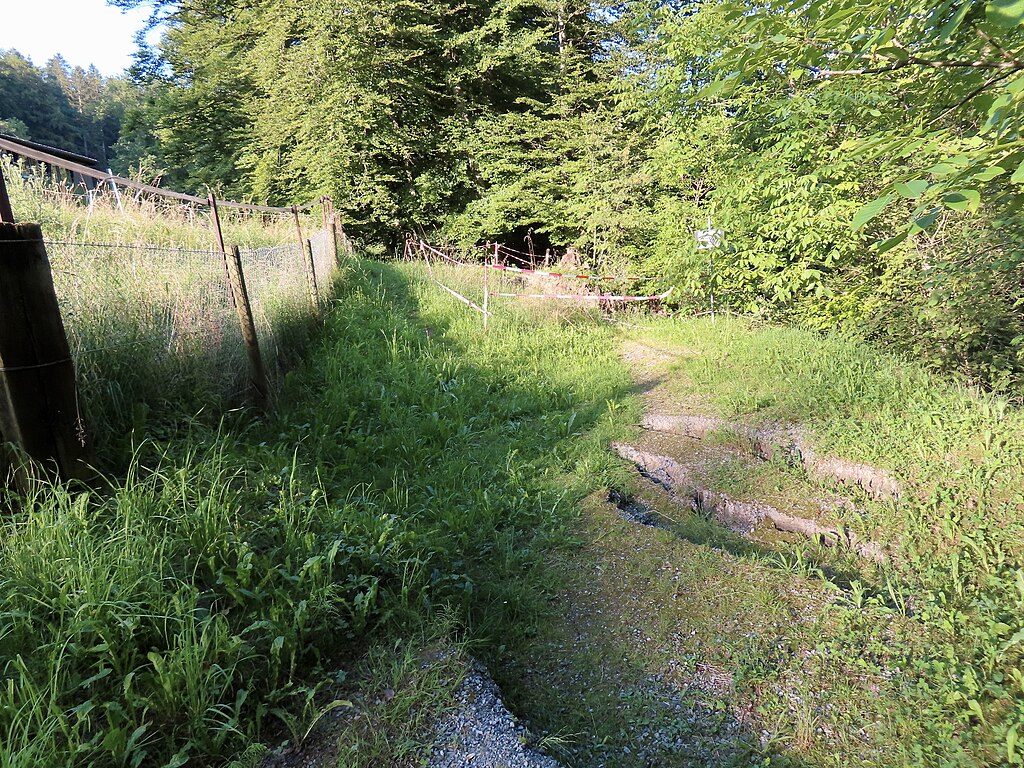
Branches that snap repeatedly often indicate movement you cannot yet see. These sounds may come from a large animal, falling debris, or an unstable slope ahead. When cracks occur in a steady rhythm, it usually means the source is moving slowly toward or away from your direction. A single heavy snap can mean a branch is ready to fall. Listening carefully to the depth and distance of these noises helps you judge the situation before entering a risky area. Sound often travels before the hazard becomes visible.
8. Sudden Change in Light or Color Ahead
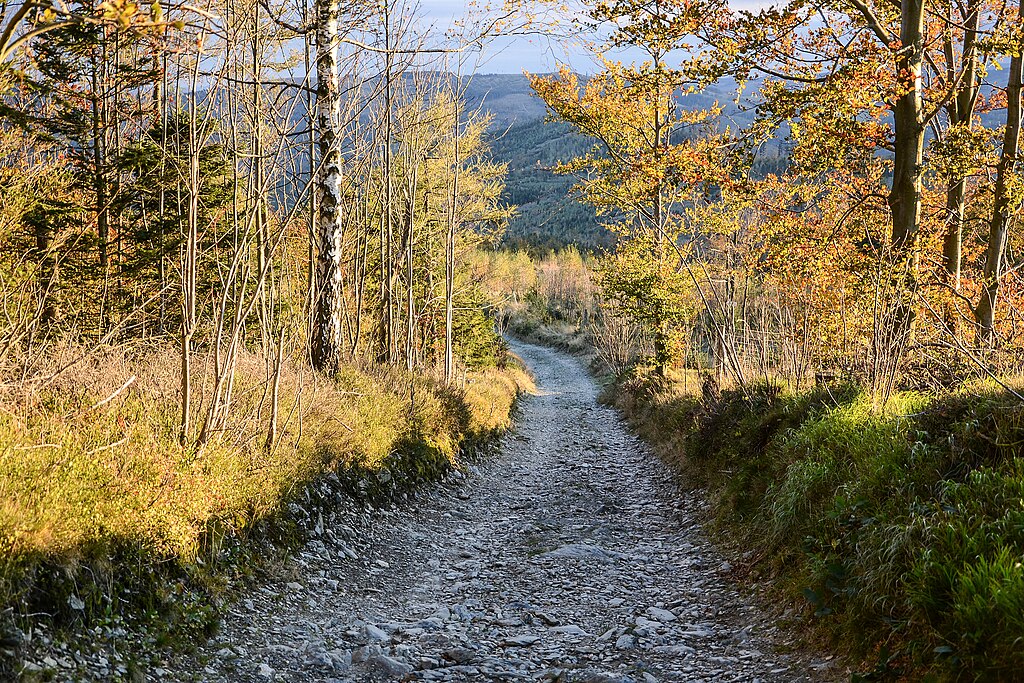
Light patterns on a trail can shift quickly, revealing hidden obstacles. A dark patch may signal a low overhang, a large fallen tree, or a break in the ground. Bright flashes ahead can mean water reflecting sunlight or an open clearing that exposes you to the wind. When colors change suddenly, it may indicate different vegetation, which often grows around water, mud, or unstable soil. These visual cues help you identify hazards early and adjust your pace. Paying attention to light changes gives you valuable insight into what the trail is about to reveal.
The post 8 Trail Hazards You Can Detect Before You See the Path Ahead appeared first on Bushcraft Base Camp.