

Few sights capture the spirit of the American West like wild horses roaming free across open landscapes. From sandy beaches to rugged mountains, these majestic creatures move with grace and freedom, offering a rare glimpse into untamed nature. Visiting their habitats lets you observe natural behaviors, connect with wildlife, and experience breathtaking scenery. Whether you’re a nature lover, photographer, or simply seeking awe-inspiring moments, these destinations showcase the beauty, resilience, and magic of wild horses in their element.
1. Shackleford Banks, North Carolina
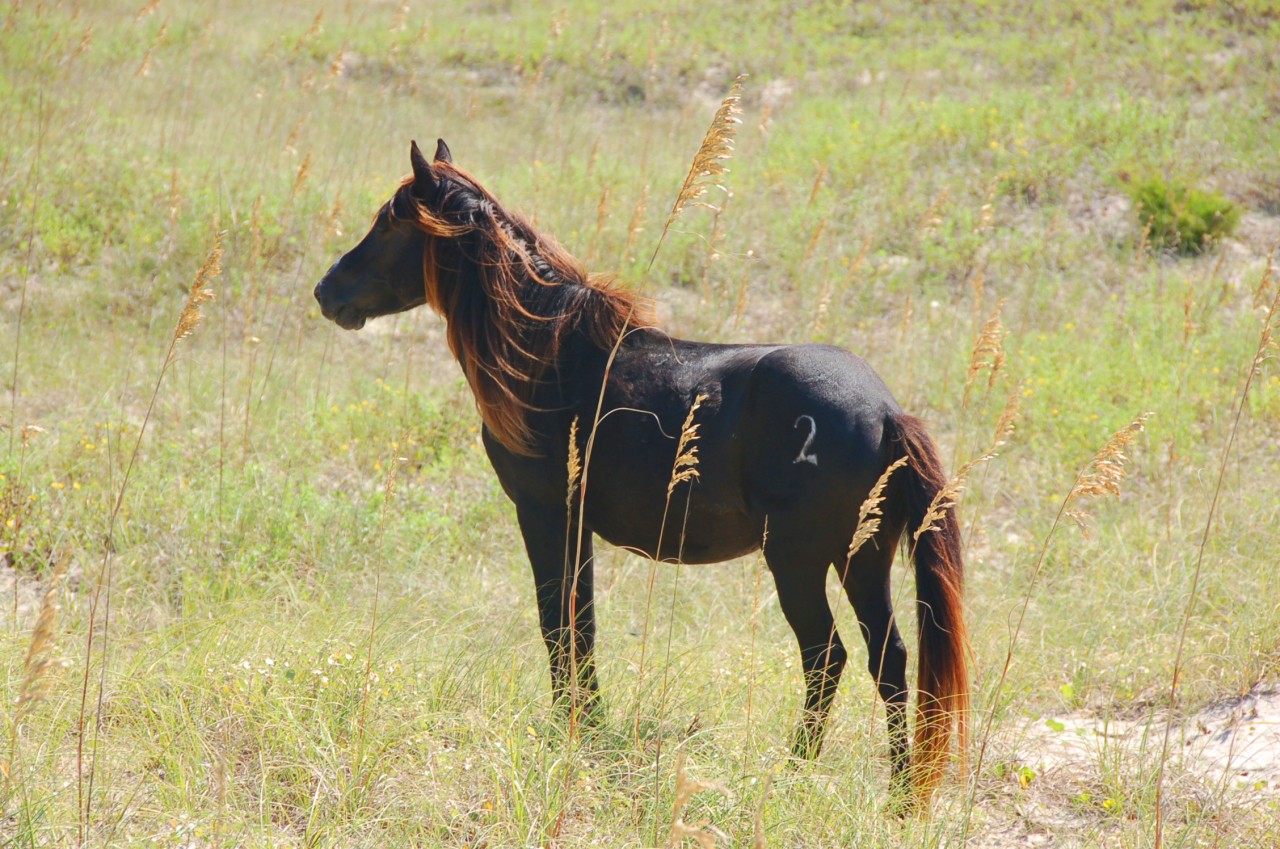
Visualize a barrier island where wild horses wander across sandy shores and foals take their first tentative steps. Shackleford Banks, part of Cape Lookout National Seashore, hosts a herd of over 100 “Banker” horses, believed to descend from Spanish mustangs. These animals have lived on the island for centuries, moving freely across beaches and salt marshes. Visitors can reach the island by ferry or private boat, and guided tours provide the chance to observe the horses safely while respecting their natural behaviors, offering a rare window into a long-standing coastal ecosystem.
2. Sable Island, Nova Scotia
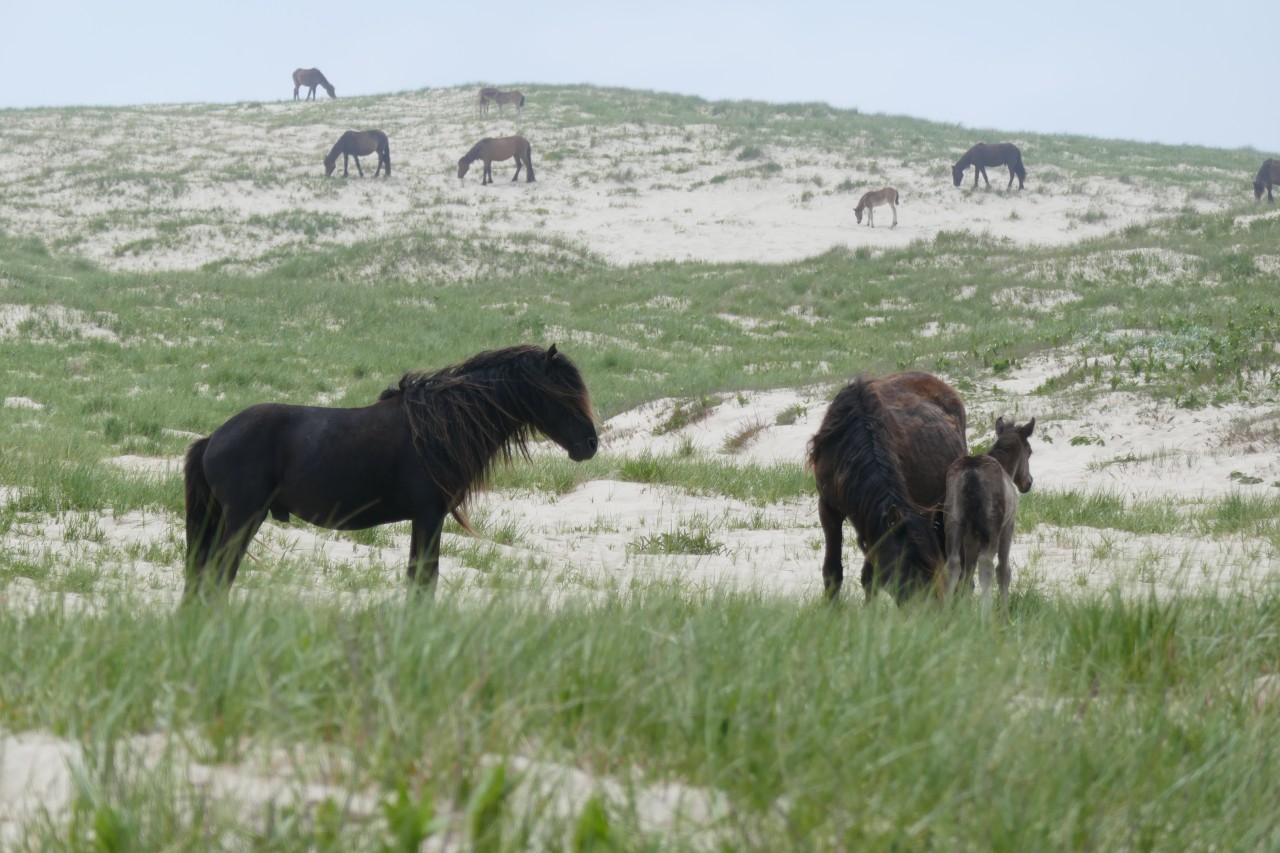
Sable Island, off the coast of Nova Scotia, is home to over 500 free-roaming wild horses that have thrived for centuries. Known as Sable Island ponies, they survive entirely on their own, navigating shifting dunes, salt marshes, and scarce freshwater sources. Harsh winters and fierce Atlantic storms have made them incredibly resilient. Human access is strictly controlled to protect this fragile ecosystem, offering visitors a rare chance to observe these horses living freely in a truly wild and untamed environment.
3. Theodore Roosevelt National Park, North Dakota
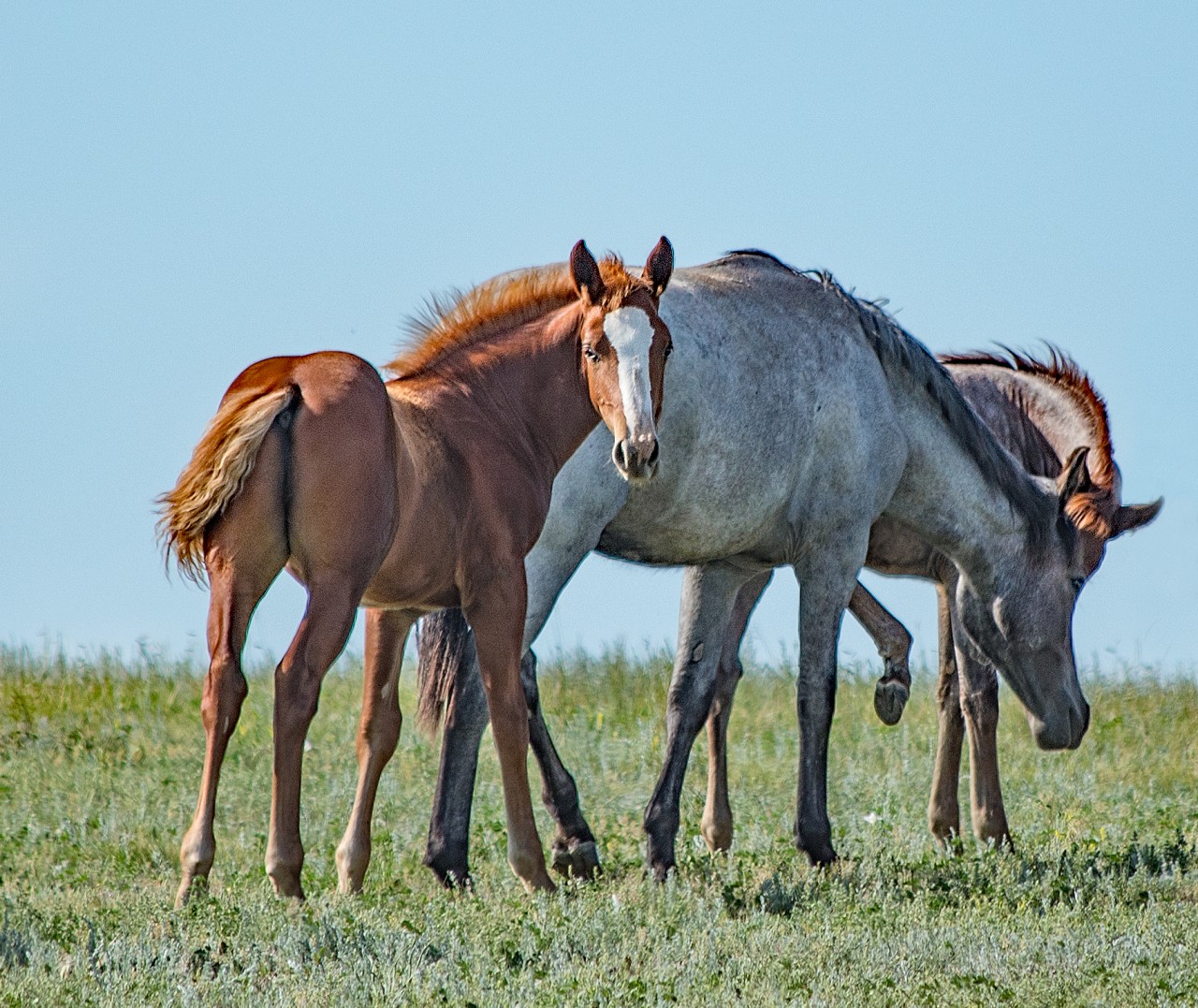
In Theodore Roosevelt National Park, wild horses roam alongside bison and pronghorn, painting a vivid picture of North Dakota’s prairie ecosystems. The feral horses are often seen in small herds, navigating grasslands and rugged badlands, giving visitors a rare glimpse into life in the wild. The open landscape allows for unobstructed observation from scenic drives or short hikes. Witnessing these horses adapt to harsh climates and variable terrain underscores their resilience and adds a dynamic wildlife experience to the park’s stunning natural beauty.
4. Onaqui Mountains, Utah
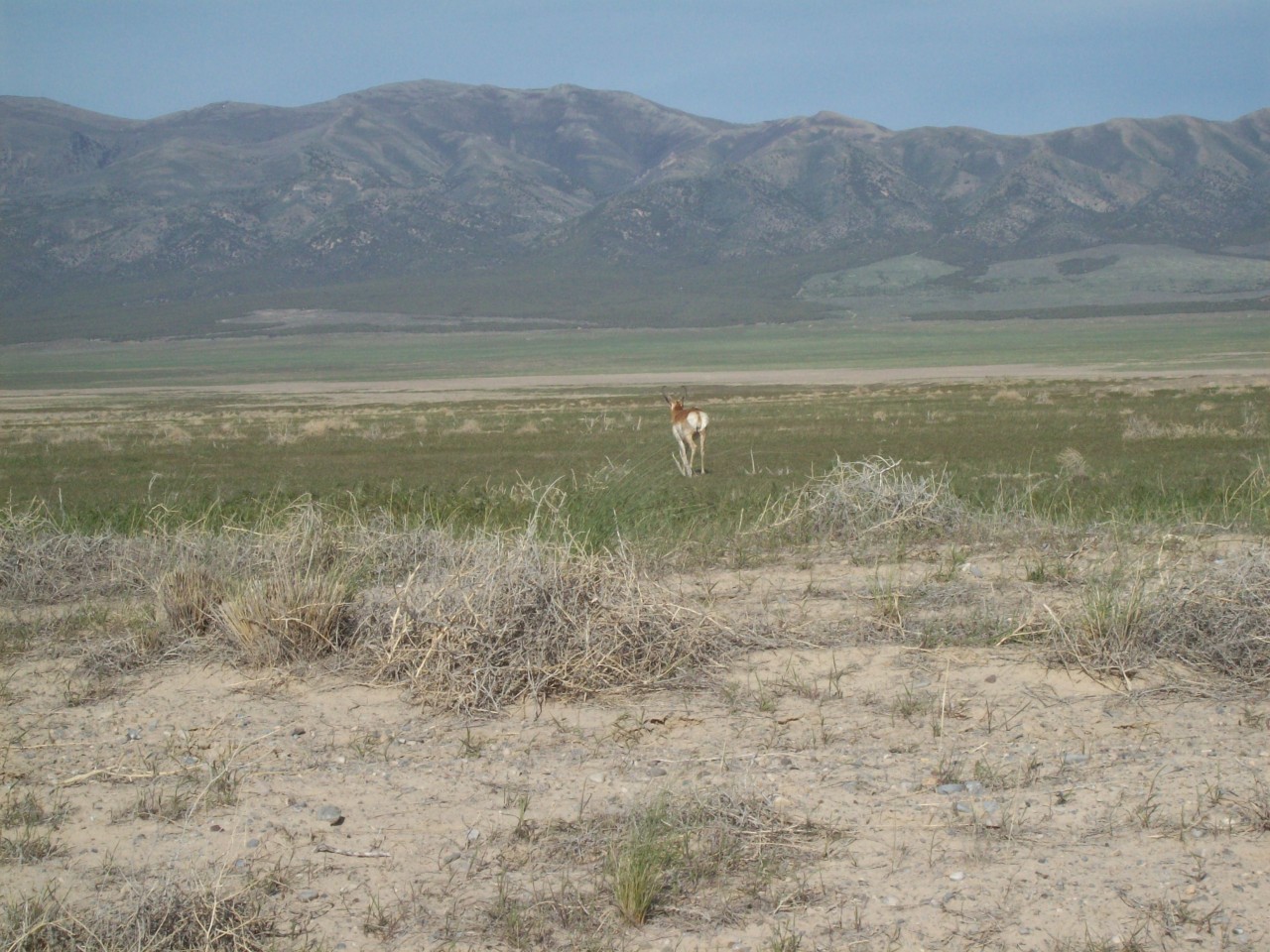
The Onaqui Mountains in Utah are home to a managed herd of wild horses that traverse rocky high desert terrain and sweeping plains. These mustangs are descendants of 19th-century domestic horses and have adapted to survive in arid conditions with minimal forage. Observing them in their natural habitat highlights their strength, agility, and social dynamics. Early morning or late afternoon visits provide the best light and opportunity to see them grazing or moving gracefully across the rugged landscape, making it a must-visit for equine and photography enthusiasts alike.
5. Cumberland Island, Georgia
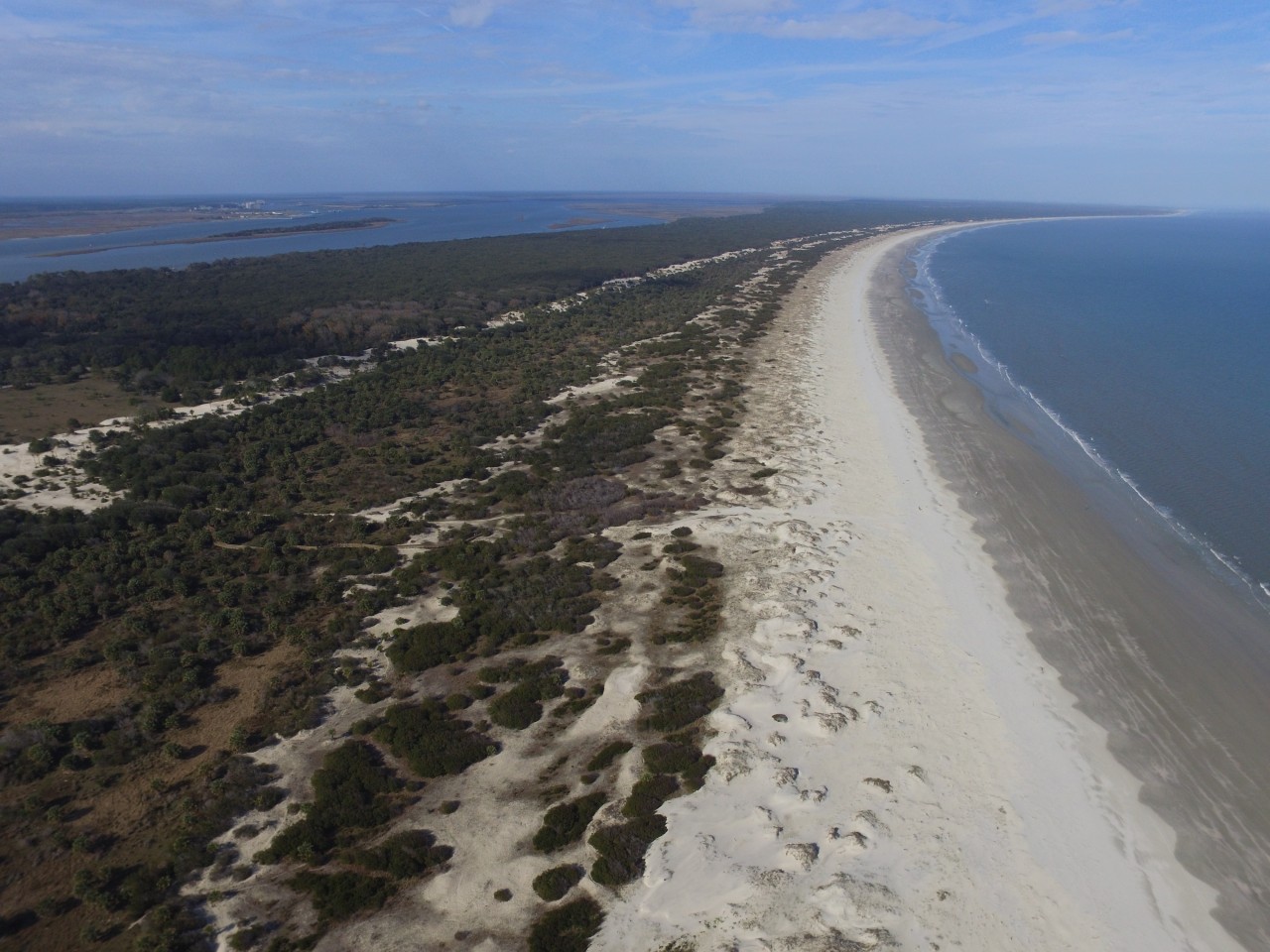
Picture wandering through untouched maritime forests, with the scent of saltwater in the air and wild horses grazing on pristine beaches. Cumberland Island, Georgia’s largest barrier island, delivers this and more. Accessible only by ferry from St. Marys, the island provides a peaceful escape into nature. Spanning over 9,800 acres of designated wilderness, visitors can explore the island’s rich history, from Native American settlements to the ruins of the Dungeness estate. The free-roaming horses are descendants of domesticated breeds, moving gracefully across the landscape without human interference, embodying the island’s untamed spirit.
6. Wild Horse Island, Montana
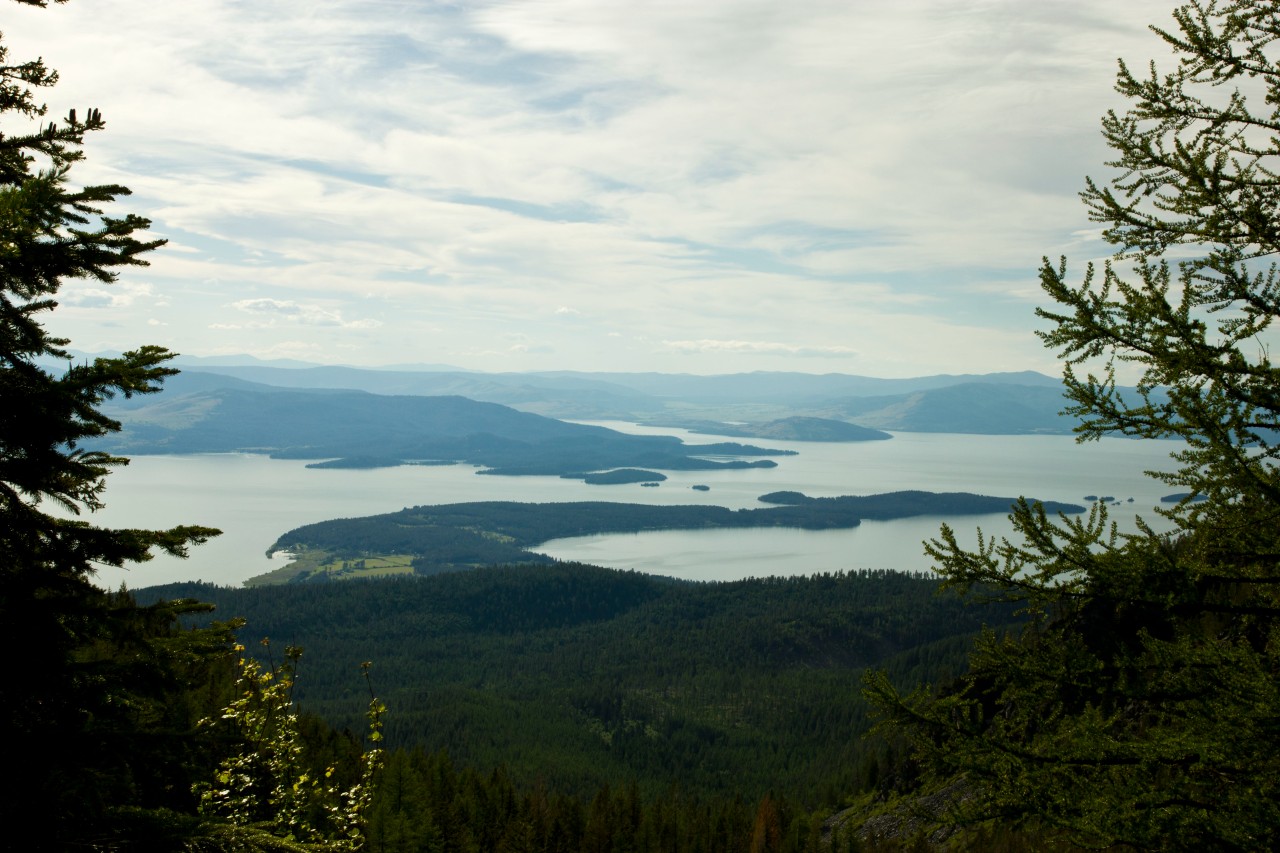
Imagine stepping onto an island where the rhythm of hooves sets the pace of your day. Wild Horse Island, nestled in the heart of Flathead Lake, Montana, offers exactly that. Accessible only by boat, this state park is a haven for wildlife lovers. Alongside a small herd of wild horses, the island is home to bighorn sheep, mule deer, and a variety of birds, including bald eagles and falcons. Historically, the Salish-Kootenai Indians used the island to pasture horses safely away from rival tribes. Today, visitors can explore seven designated landing areas with self-guided trails, providing a chance to witness these majestic animals in their natural environment.
7. Pryor Mountain Wild Horse Range, Wyoming Border
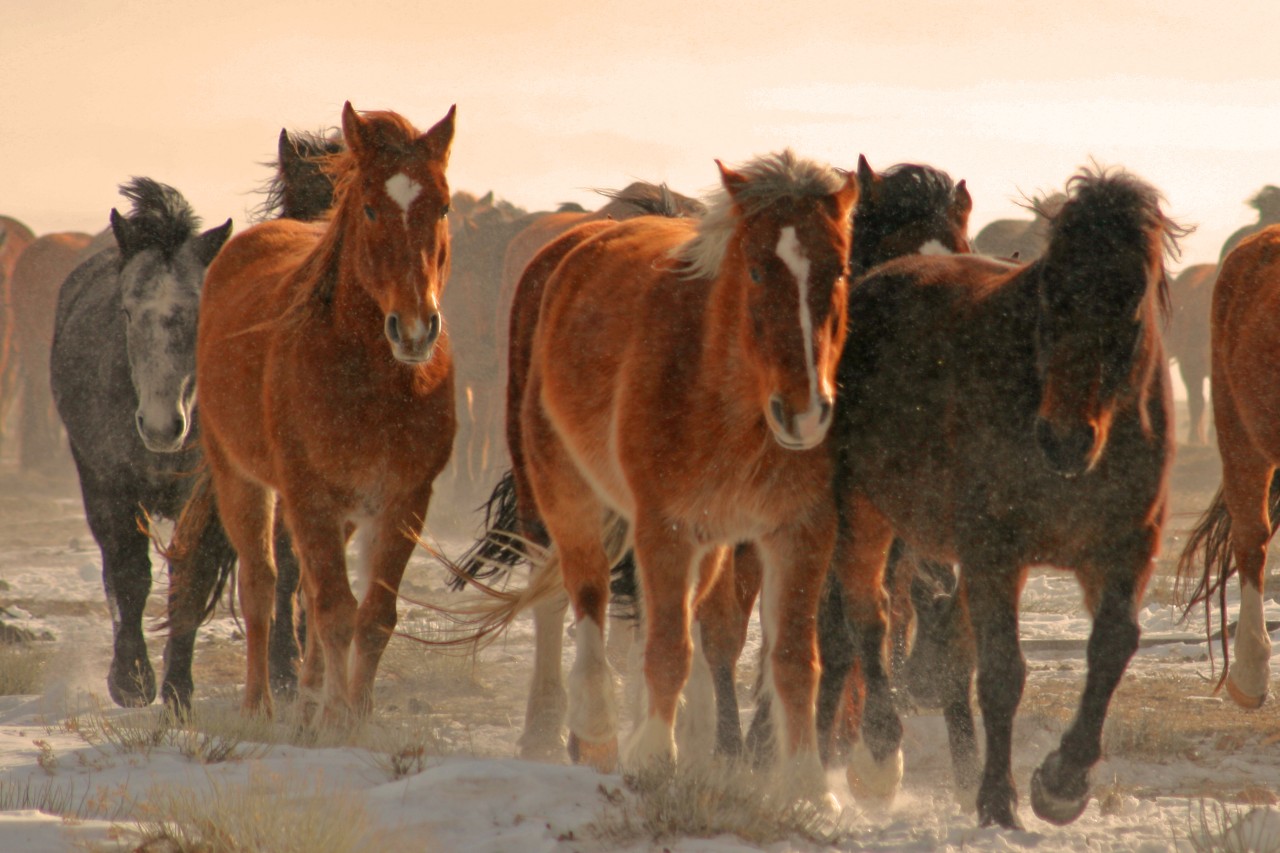
The Pryor Mountain Mustangs extend into the Wyoming border, allowing visitors to explore additional ranges of this historic herd. Horses roam freely among cliffs, valleys, and meadows, displaying their natural social hierarchies and behaviors. Ranger-guided tours offer insights into herd management, history, and the mustangs’ adaptations over centuries. Observing the horses across state lines highlights the vastness of their territory and the diversity of landscapes they inhabit. This area is ideal for enthusiasts who want to see wild horses in an expansive, untamed environment.
8. Assateague’s Virginia Coastline

Assateague Island’s Virginia shoreline provides a magical experience for viewing horses at night. Under the moonlight, the ponies move quietly along beaches and dunes, offering a serene and almost ethereal encounter. Nighttime observation emphasizes the wild, untamed nature of these animals while the soft glow of moonlight enhances the landscape’s beauty. Visitors must maintain a safe distance to protect the horses and themselves, making this a peaceful, respectful way to witness the creatures in their natural environment.