

Language has always been a living, breathing part of human culture, constantly evolving in ways no one can fully predict. Some of the most common words we use today weren’t invented on purpose at all; they appeared through simple mistakes, slips of the tongue, or clever misunderstandings that somehow stuck. From spelling errors that turned into global brand names to misheard phrases that became accepted expressions, these accidental inventions prove that language thrives on creativity, curiosity, and chance. Each word tells a story of how human error can spark lasting innovation.
1. Google

The origin of “Google” began with a mathematical curiosity. In 1938, the nephew of American mathematician Edward Kasner invented the word “googol” to represent an unfathomably large number 1 followed by 100 zeros. Decades later, when Larry Page and Sergey Brin named their new search engine, they intended to use “googol” to symbolize the vastness of the internet. But a small typo during domain registration changed it to “Google.” The misspelling became one of history’s most famous brand names and even evolved into a verb, forever linking a child’s word invention to the digital age.
2. Sandwich

The beloved “sandwich” has a surprisingly casual origin story. In the 18th century, John Montagu, the 4th Earl of Sandwich, reportedly asked for slices of meat served between two pieces of bread so he could eat while continuing his long card games. His convenient request sparked a culinary trend that quickly spread through London and beyond. Over time, the name “sandwich” became synonymous with convenience and versatility, showing how a simple act of practicality can influence how millions of people eat, work, and socialize to this day.
3. Spam

The word “Spam” started as a brand name for canned pork and ham produced by Hormel Foods in 1937. It gained popularity during World War II for its affordability and long shelf life. Decades later, a Monty Python comedy sketch repetitively shouting “Spam” inspired internet users to describe unwanted, repetitive online messages using the same word. What began as a product name turned into a digital term for nuisance, marking one of the most unexpected linguistic evolutions in modern history.
4. Kleenex

Kleenex began in the 1920s as a disposable makeup remover developed by Kimberly-Clark. However, consumers started using the tissues for blowing their noses, finding them more hygienic than reusable handkerchiefs. The company embraced this unintended use, marketing Kleenex as a cold-care essential. The brand’s name became so widespread that it replaced the generic term “tissue” in everyday language. This accidental shift from beauty aid to household necessity demonstrates how consumer behavior can redefine a product’s identity entirely.
5. Nice

The word “nice” has undergone one of the most dramatic transformations in linguistic history. Originating from the Latin “nescius,” meaning “ignorant,” it entered Middle English to describe foolish or naive people. Over centuries, its meaning softened, evolving through stages that implied refinement, delicacy, and kindness. By the 18th century, “nice” had come to represent pleasantness and good manners. Its journey from insult to compliment reflects how cultural values continuously reshape language, turning judgment into warmth and civility.
6. Nickname

The word “nickname” owes its existence to a simple linguistic misunderstanding. In medieval England, people used the term “an eke-name,” where “eke” meant “additional.” Over time, the phrase was misheard and blended into “a nekename,” which eventually became “nickname.” What began as a casual speech slip became a widely used term for affectionate or humorous alternative names. This evolution highlights how human speech naturally reshapes language, sometimes by pure accident, creating expressions that become part of everyday conversation.
7. Robot
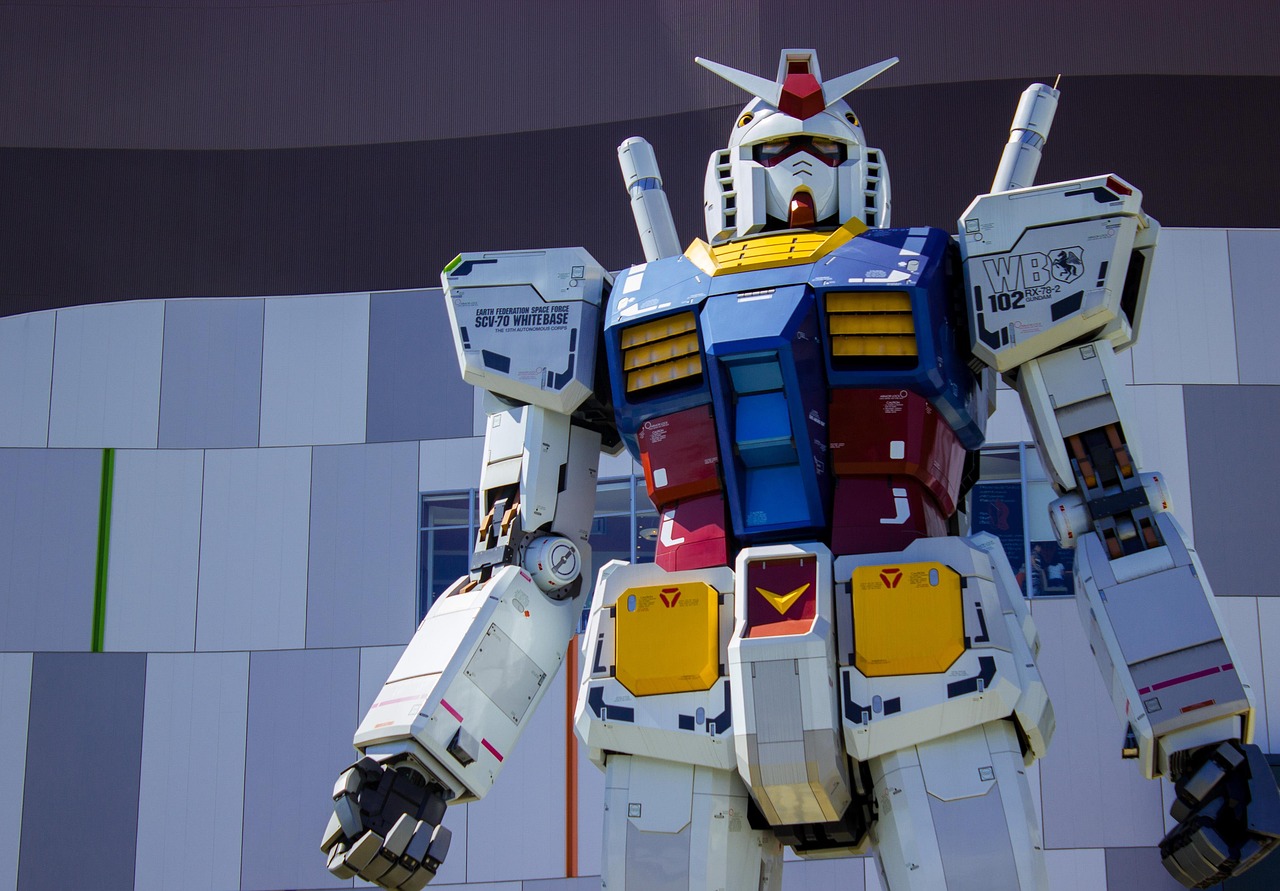
The term “robot” was first introduced in 1920 by Czech playwright Karel Čapek in his play R.U.R. (Rossum’s Universal Robots). Derived from the Czech word “robota,” meaning forced labor, it described mechanical workers created to serve humans. The story reflected early fears about automation and industrialization. Over time, “robot” evolved to encompass not just mechanical workers but also intelligent machines and artificial intelligence. What started as a piece of science fiction became a defining term for modern technology and the future of human innovation.
8. Error

The word “error” has roots in the Latin term “errare,” which meant “to wander” or “to stray.” In its earliest use, it described deviation from a path rather than a factual mistake. As knowledge systems developed, especially in science and logic, “error” took on its modern meaning: an incorrect belief or action. Its shift mirrors humanity’s pursuit of precision and truth. Ironically, the evolution of “error” reminds us that mistakes are an inherent part of progress, guiding us toward greater understanding.