
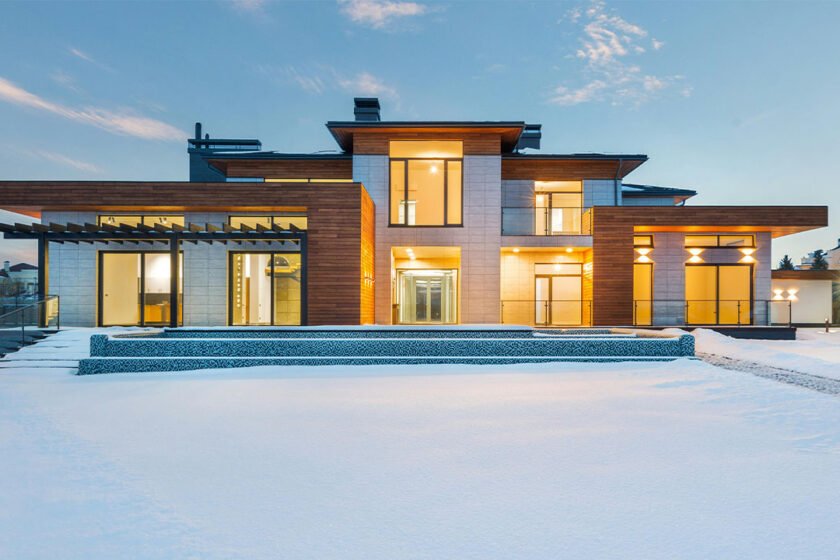
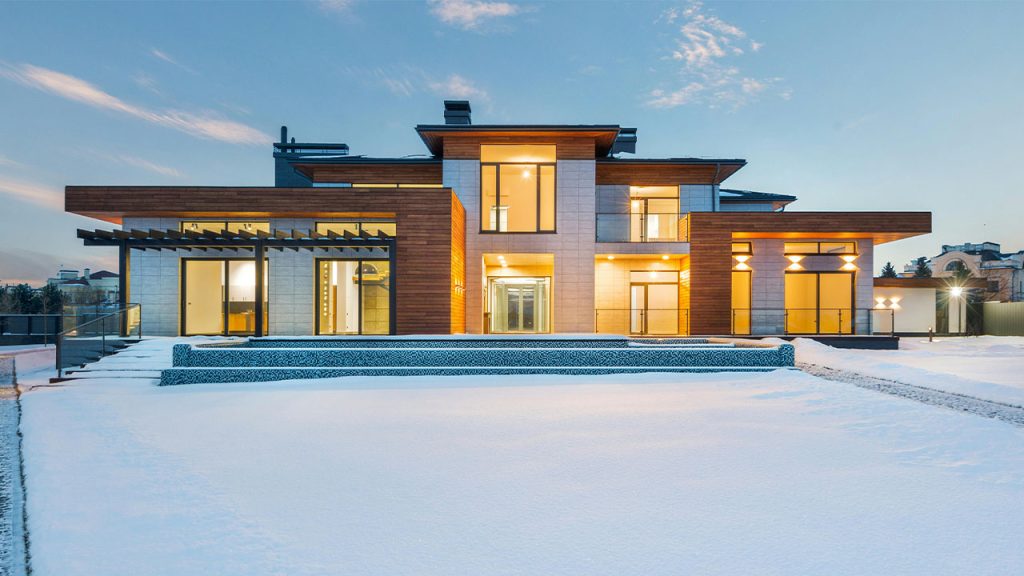
Outdoor lighting can transform your home’s exterior, enhancing beauty and safety after dark. But many homeowners unknowingly make mistakes that reduce effectiveness or create glare, wasted energy, or uneven illumination. From poor fixture placement to neglecting maintenance, these common pitfalls can dim your outdoor space’s potential. Understanding and avoiding them will help you enjoy a well-lit, welcoming, and secure environment all night long.
1. Using Too Many Lights
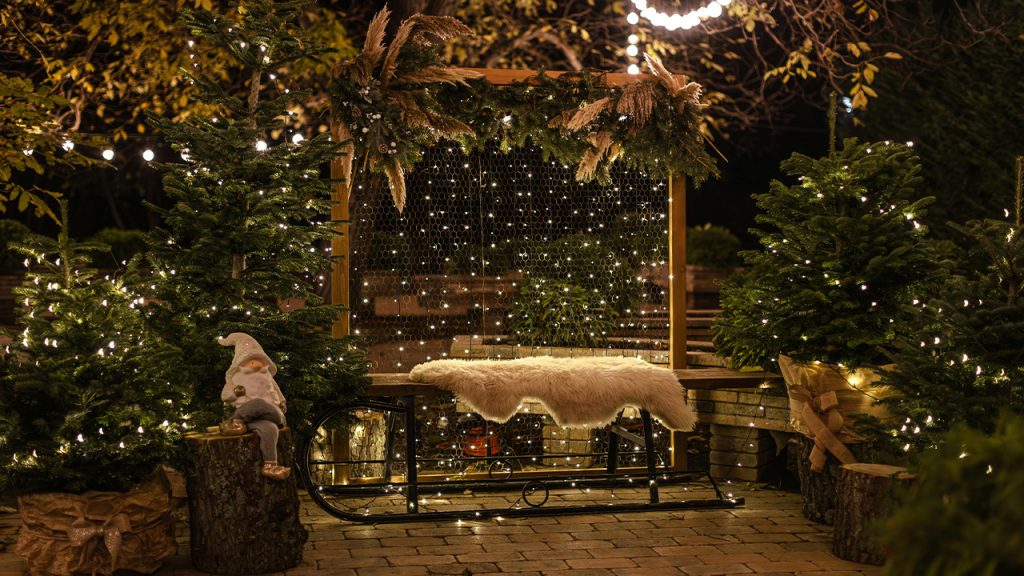
Overloading your outdoor space with too many lights can create a cluttered, harsh environment that detracts from your home’s natural beauty. Instead of enhancing curb appeal, excessive lighting overwhelms the eyes and wastes energy. Thoughtful placement and moderation allow key features to shine without competing for attention. Striking a balance between function and ambiance keeps your yard inviting while conserving power and reducing light pollution.
2. Ignoring Light Pollution and Glare
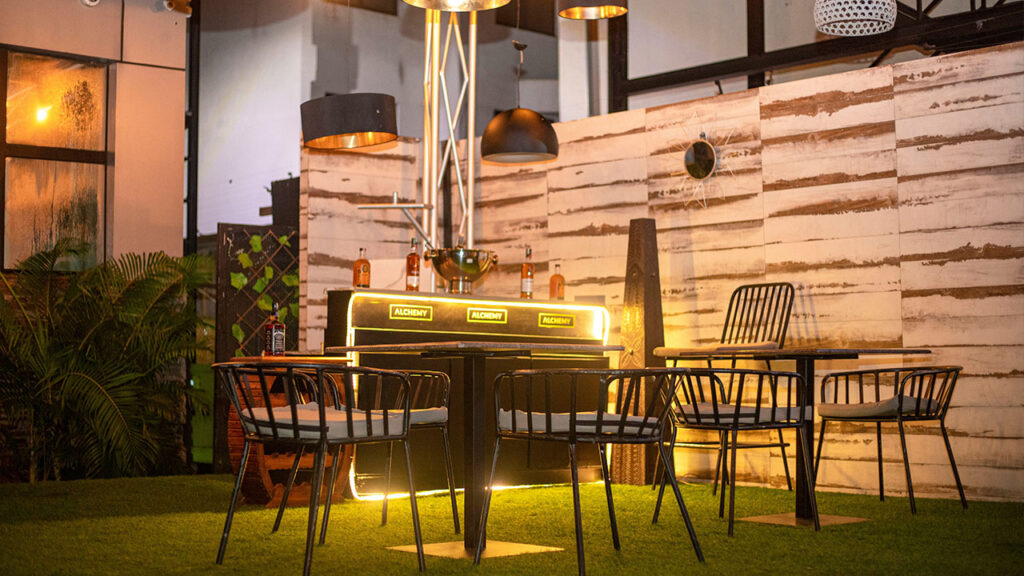
Neglecting the impact of light pollution and glare not only disrupts your neighbors but also diminishes your outdoor experience. Harsh, unshielded fixtures can create uncomfortable brightness and obscure nighttime views of the stars. Minimizing glare involves choosing downward-facing lights and warm color temperatures, which provide effective illumination without blinding. Respectful lighting enhances safety and beauty while protecting the environment and local wildlife.
3. Placing Fixtures at the Wrong Height
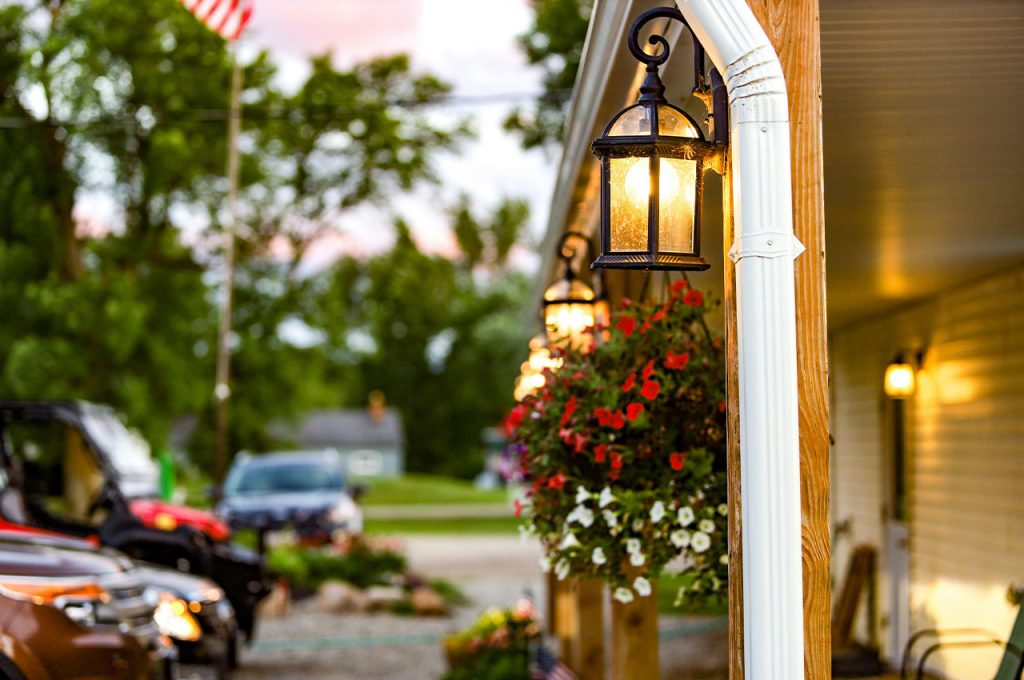
Installing outdoor lights too high or too low can ruin their effectiveness. Fixtures set too high may scatter light broadly, losing focus on desired areas, while those placed too low might cause unflattering shadows or glare. The ideal height varies by fixture type and purpose: pathway lights should be low to guide feet safely, while wall sconces need mid-level positioning to illuminate entrances gracefully. Correct height placement maximizes function and aesthetic appeal.
4. Choosing Inconsistent Light Colors
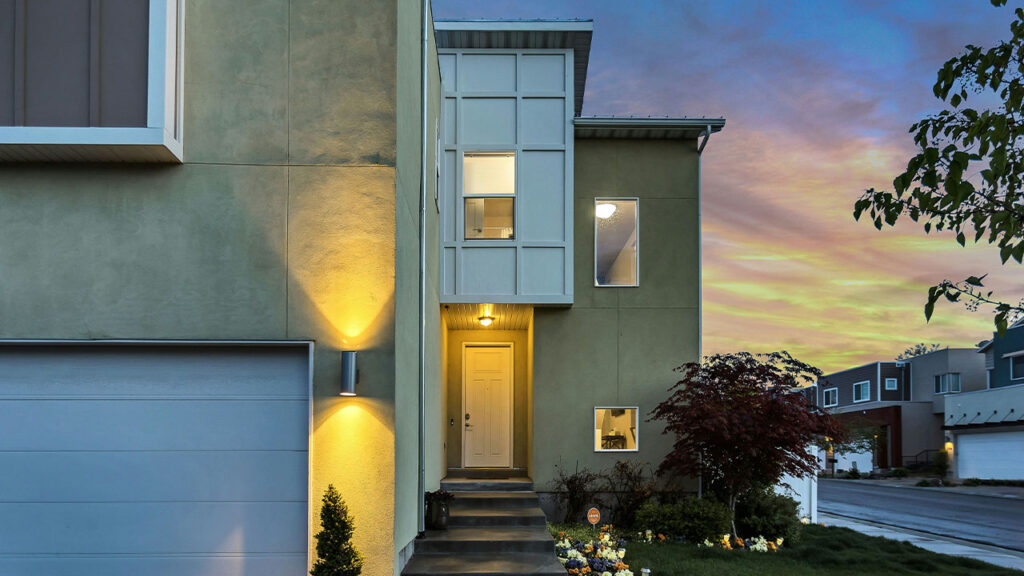
Mixing different light colors—cool white, warm yellow, or bright blue—creates a jarring, disjointed look that disrupts your outdoor ambiance. Consistent color temperature ensures a cohesive, inviting atmosphere and highlights architectural and landscape features more effectively. Warm tones generally create a cozy feel, while cooler lights can feel sterile. Selecting a harmonious palette tailored to your space enhances comfort and curb appeal.
5. Overlooking Energy-Efficient Options
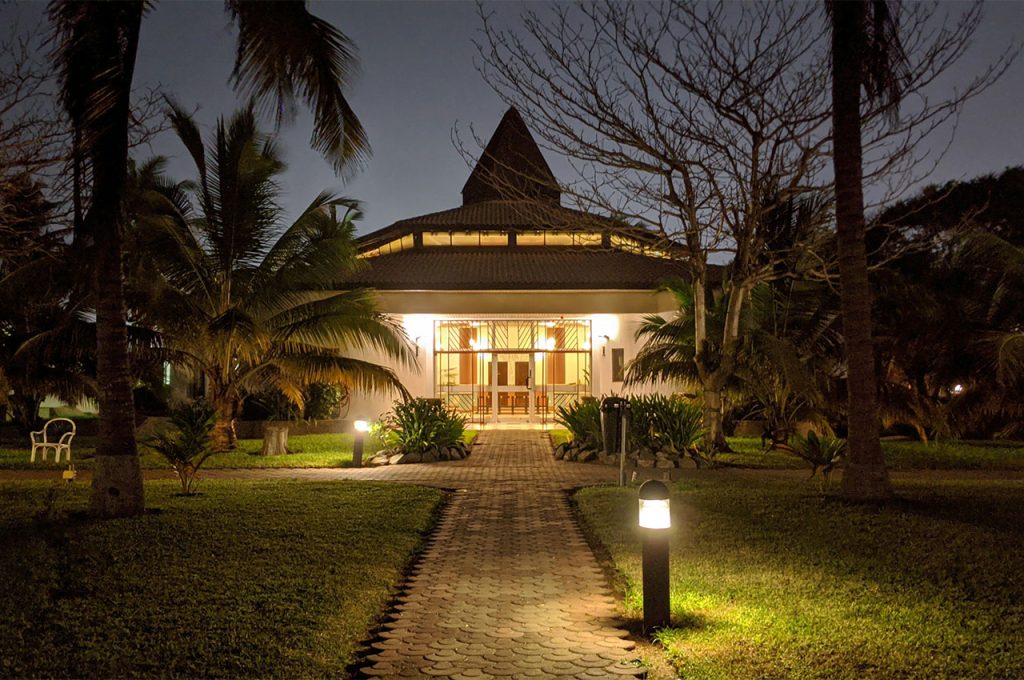
Failing to opt for energy-efficient outdoor lighting leads to unnecessarily high utility bills and environmental impact. LED bulbs and solar-powered fixtures offer long-lasting, cost-effective illumination without sacrificing brightness or quality. Incorporating timers, dimmers, or motion sensors further reduces energy use by ensuring lights only operate when needed. Smart investment in green lighting solutions saves money, supports sustainability, and keeps your home safely lit.
6. Neglecting Regular Maintenance
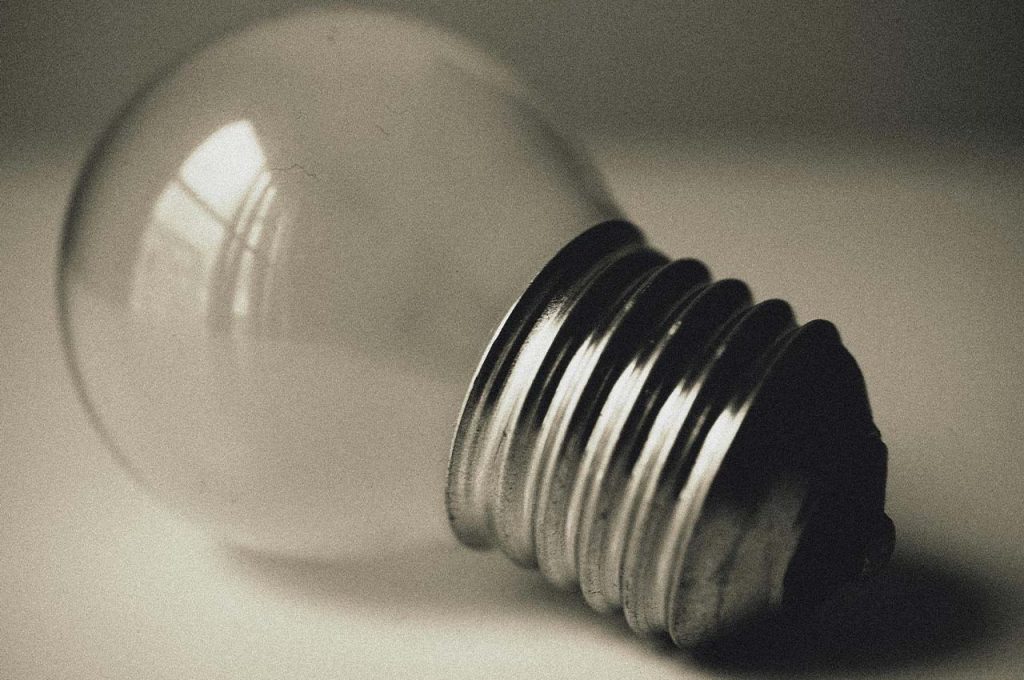
Ignoring routine upkeep of outdoor lighting can quickly lead to dim, flickering, or nonfunctional fixtures that undermine your home’s safety and aesthetic appeal. Dirt buildup, insect nests, and weather damage reduce light output and lifespan. Regular cleaning, bulb replacement, and fixture checks keep your system performing optimally. Consistent maintenance not only preserves the beauty of your outdoor space but also prevents costly repairs or replacements down the line.
7. Failing to Highlight Key Features
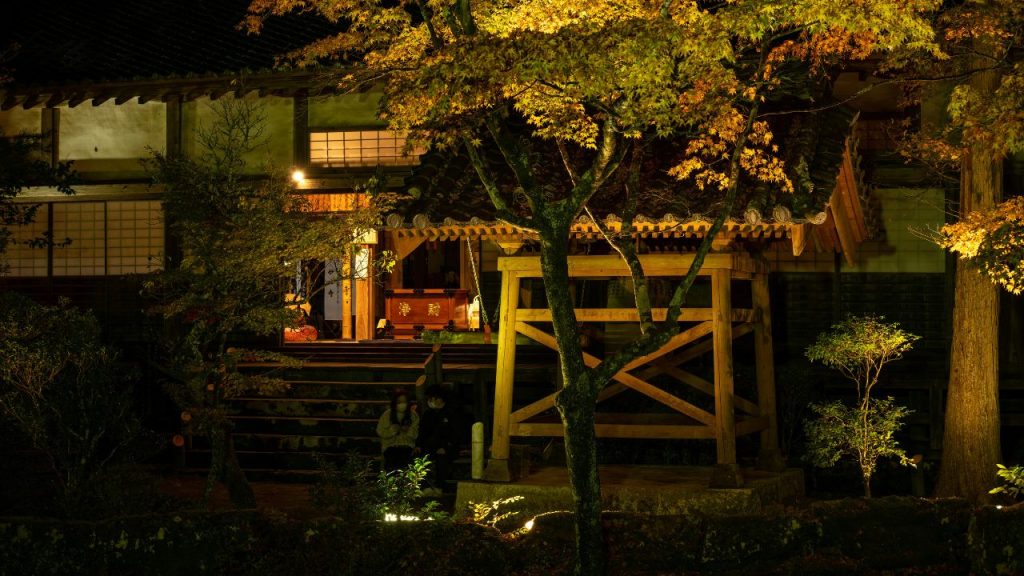
A common mistake is not using outdoor lighting strategically to showcase your home’s best architectural or landscape features. Without focused illumination, fences, trees, pathways, or entryways may go unnoticed after dark. Properly placed accent lights create depth, drama, and visual interest, making your outdoor space inviting and memorable. Lighting should guide the eye naturally, emphasizing focal points and enhancing nighttime curb appeal.
8. Installing Lights Too Close to Plants
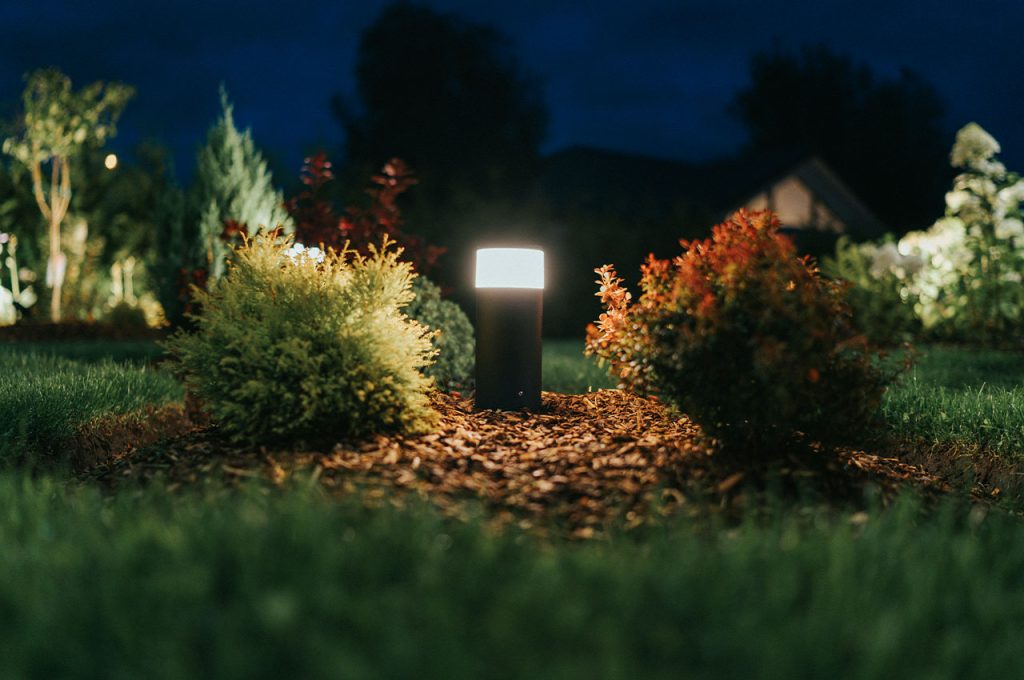
Placing fixtures too near foliage can cause several problems: it may scorch leaves, cast unwanted shadows, or become obscured as plants grow. Over time, this leads to uneven lighting and maintenance headaches. Allowing adequate space between plants and fixtures lets light disperse evenly while preventing damage to your landscaping. Thoughtful placement respects natural growth patterns and ensures your lighting remains effective and beautiful throughout the seasons.
9. Forgetting to Use Timers or Smart Controls
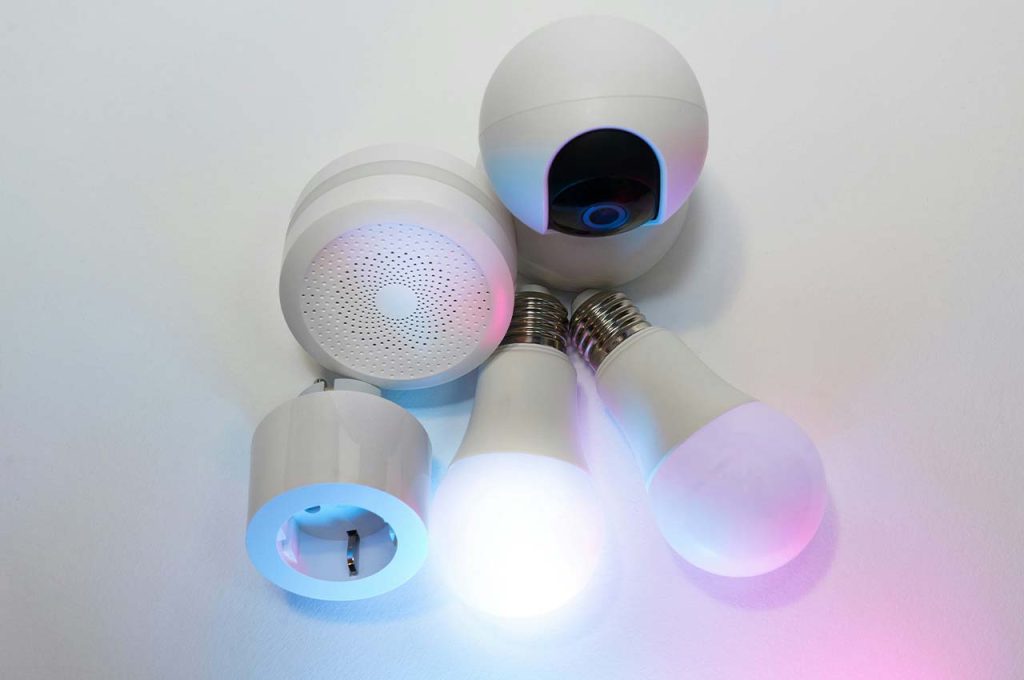
Skipping timers or smart lighting controls means your outdoor lights might stay on unnecessarily, wasting energy and shortening bulb life. Without automation, manual operation can be inconvenient, leading to inconsistent use or forgotten lights. Timers, motion sensors, and smart home integrations automate schedules based on sunset, activity, or occupancy, enhancing security while saving energy and effort. Smart controls elevate convenience and efficiency for modern outdoor lighting systems.
Want to see more from Remodr?

Drop a comment below, share this with your friends and family, and don’t forget to follow us for more fresh ideas, updates, tips, and home trends.
This article was created with the assistance of AI but thoroughly edited by a human being.