

Bhutan
Crowds, fees, and limits on visitors are reshaping travel dynamics. Some nations may tighten entry in the near future, underscoring the need for preparation and consideration.
Tourism can feel like a compliment to a place, until it becomes a burden. In crowded canals, cliffside towns, fjords, and sacred ruins, leaders are safeguarding daily life with caps, charges, stricter codes of conduct, and tighter schedules. These steps aren’t about turning people away; they’re about preserving livable neighborhoods, protecting landscapes, and safeguarding heritage. For travelers, the coming years may favor thoughtfully planned journeys over spontaneous detours, with an emphasis on patience and respect.
Italy
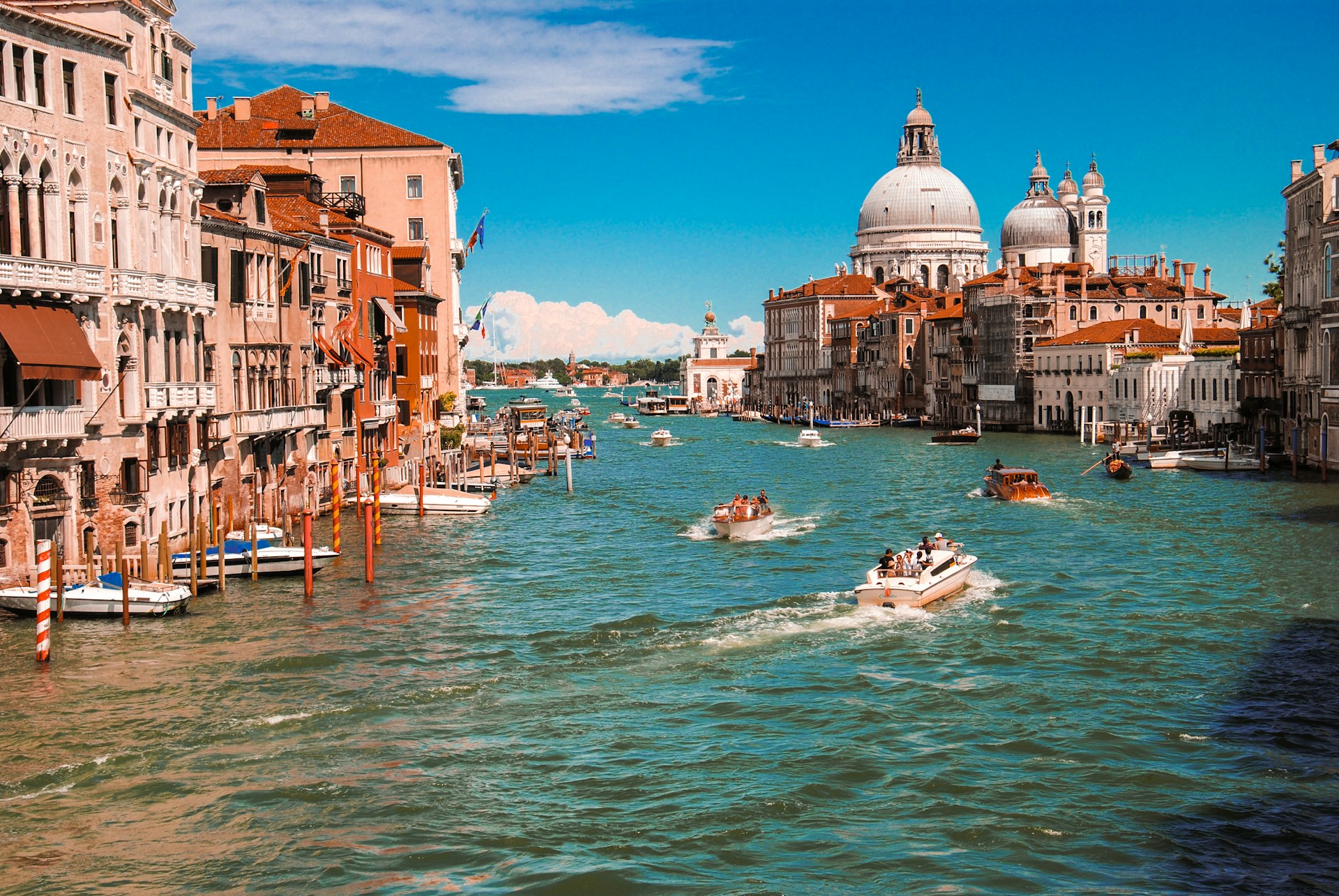
Italy is beginning to treat its busiest icons as delicate spaces with limited capacity. Venice has broadened the day-visitor fee on peak dates, requiring advance registration and a QR code tied to the visit; late bookings incur higher charges, and fines apply for skipping the process. The city has also curtailed large tour groups and banned loudspeakers in narrow streets. In some coastal towns, rules around swimwear and public behavior are enforced more strictly. The signal is a shift from casual drop-ins to planned visits that respect daily life. Hotels and residents are asking for space, and policy is responding.
Spain

Spain is placing firmer guardrails where crowds hit hardest, especially in resort zones and major cities. In parts of the Balearic Islands, overnight alcohol sales are restricted in key areas, and public drinking bans can carry hefty fines. Barcelona is also reducing future cruise capacity by cutting the number of terminals, which lowers the daily surge into the center. Local leaders emphasize balance rather than bans. The result is a trip that feels more regulated, with clearer expectations from day one. Beaches stay lively, but the rulebook has grown thicker.
Greece
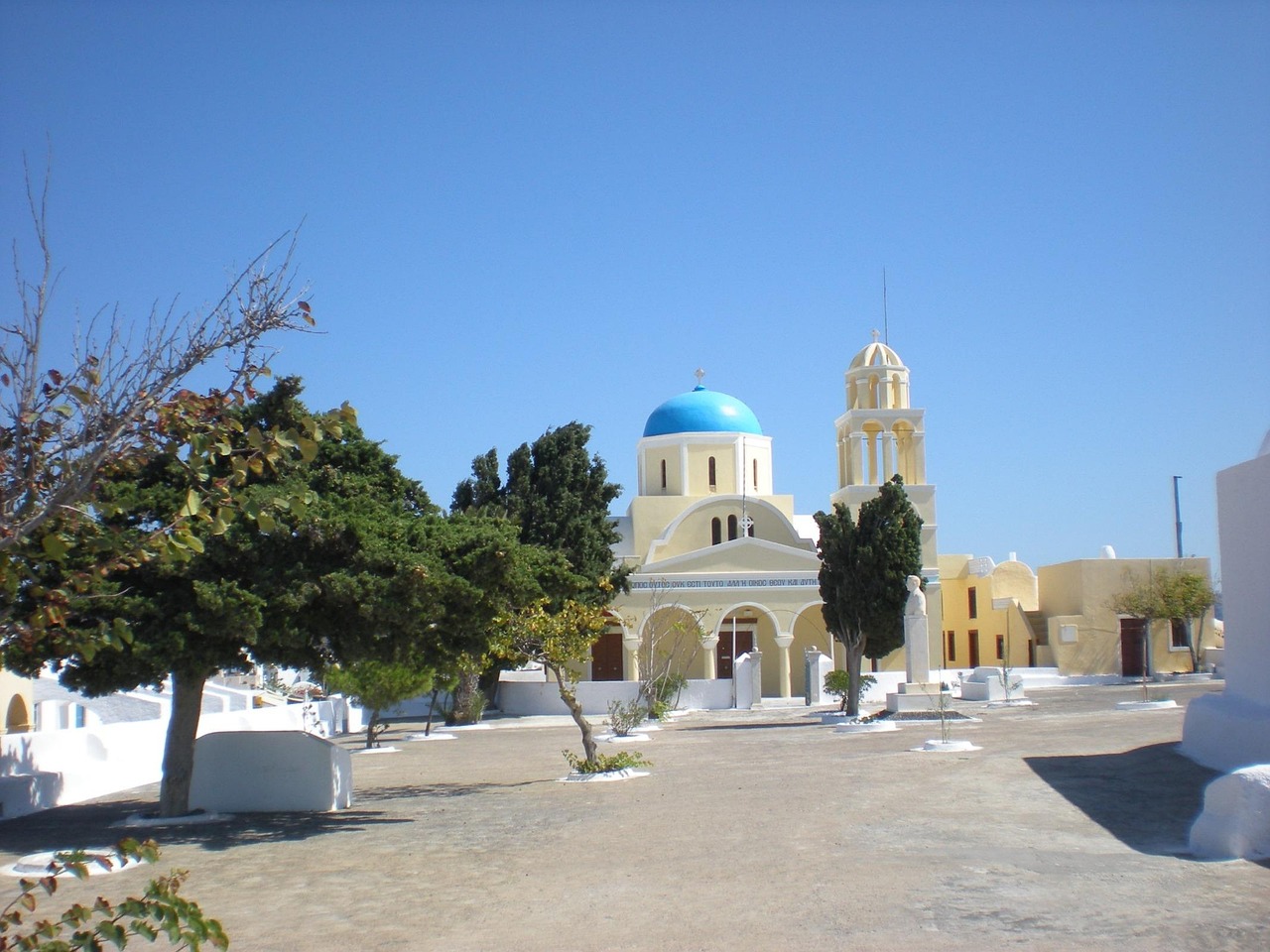
Greece is aiming to keep its postcard islands from slipping into constant gridlock. Santorini’s cruise days can push narrow paths and cliff towns to the limit, so proposals have suggested caps around 8,000 cruise visitors per day. National policy is moving in the same direction with new peak-season levies, including higher fees for cruise passengers arriving at Santorini and Mykonos. The islands aren’t closing, but access is becoming more scheduled and pricier at the busiest moments. For travelers, timing matters as much as tickets. Even a perfect sunset feels different when the streets can’t breathe.
Iceland
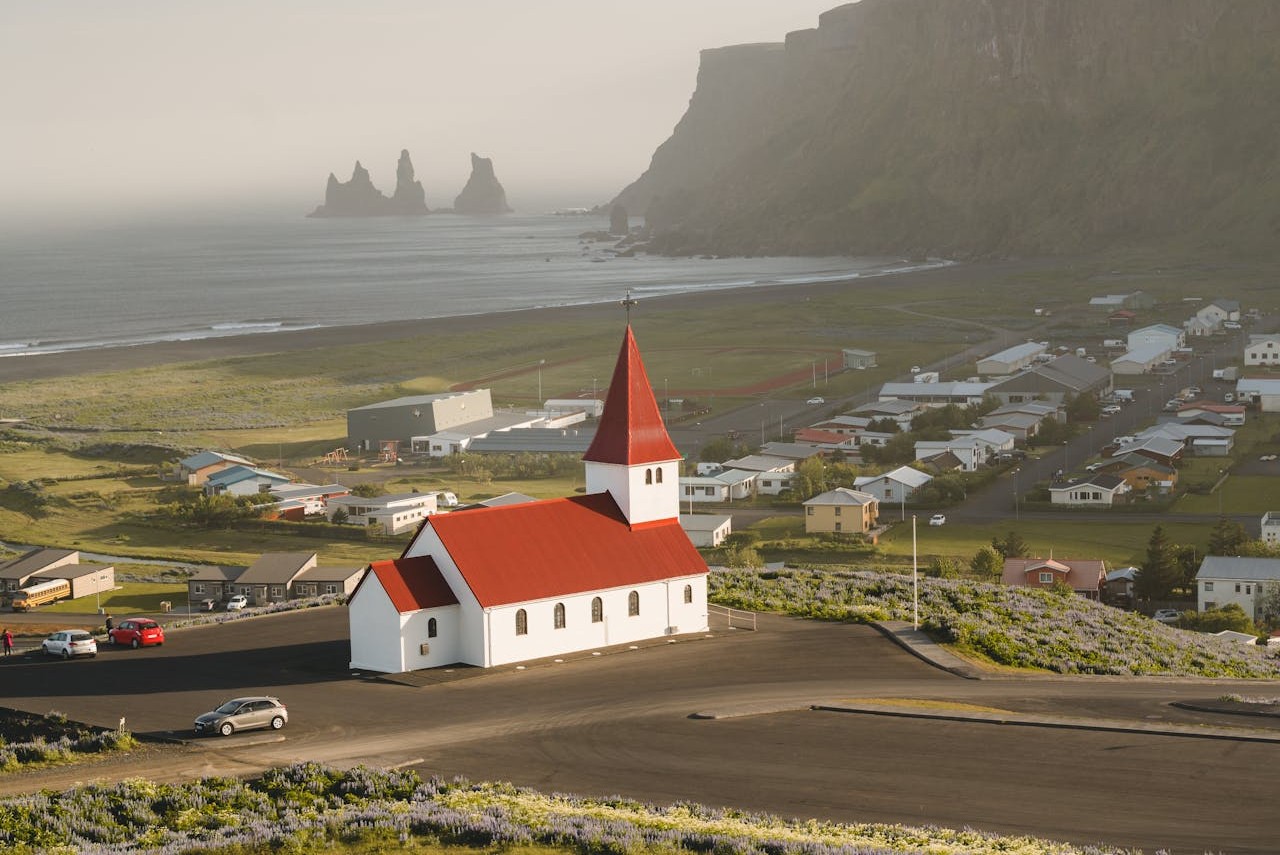
Iceland’s expansive views can mask how quickly small systems get overloaded. The country reinstated an accommodation-based tourism tax from Jan. 1, 2024, and added a charge tied to cruise calls, framed as support for conservation and local services. Leaders have discussed raising levies again as visitor numbers climb and fragile areas take on daily wear. In practice, the fees function like a speed bump: they do not stop travel, but they discourage quick, low-effort trips. The proceeds help pay for trails, facilities, and the rescue capacity that visitors rely on. It’s a practical answer to a very beautiful problem.
Norway
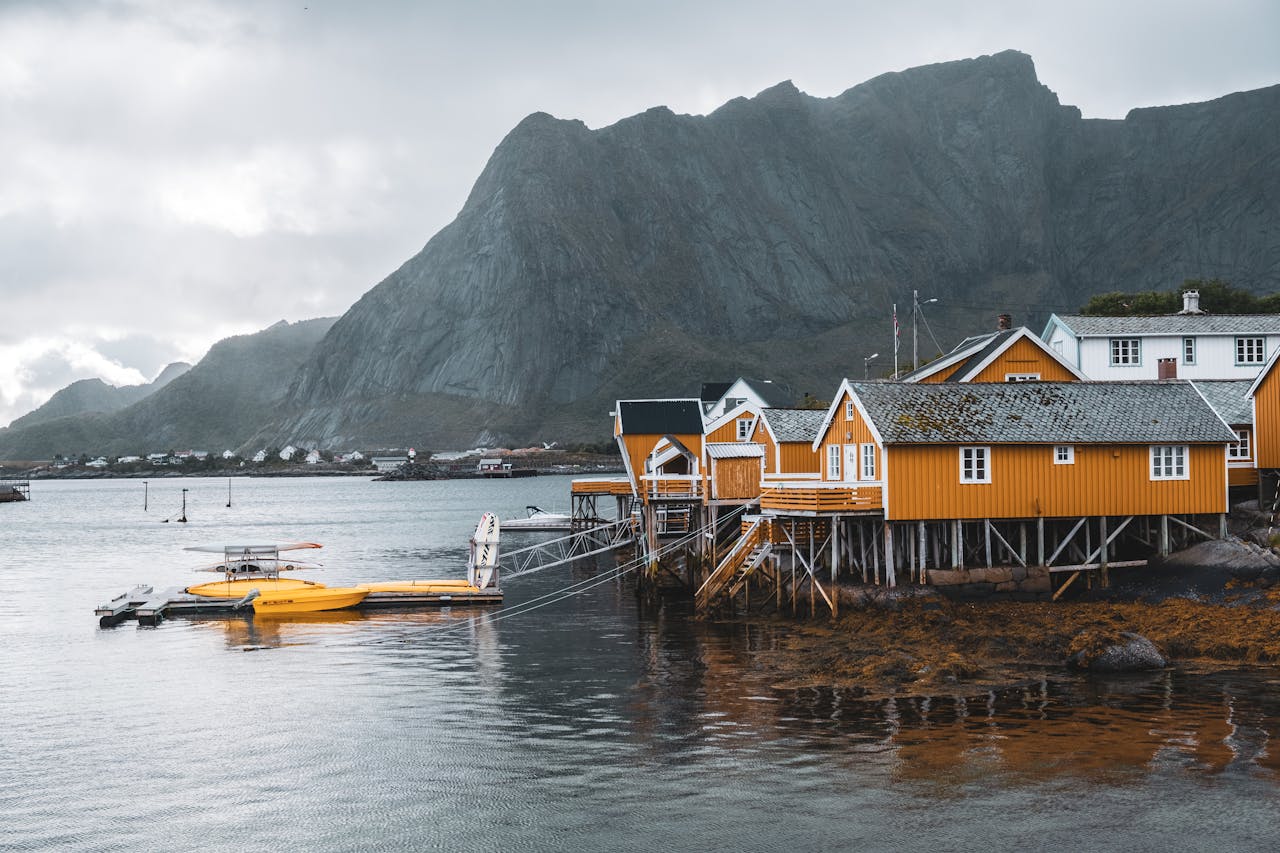
Norway is drawing firmer boundaries in its most sensitive fjords, and it’s doing so through standards, not slogans. From Jan. 1, 2026, passenger vessels under 10,000 gross tons must meet zero-emission rules in the UNESCO World Heritage fjords, tightening which ships can enter places like Geirangerfjord and Nærøyfjord. Lawmakers have also backed a local visitor contribution, with a 3% charge proposed for overnight stays and cruise passengers to fund toilets, trails, and services. The welcome remains, but the conditions are clearer. Cleaner ships and better-funded towns are the trade, a distinction that may shape fjord travel for years to come.
Bhutan
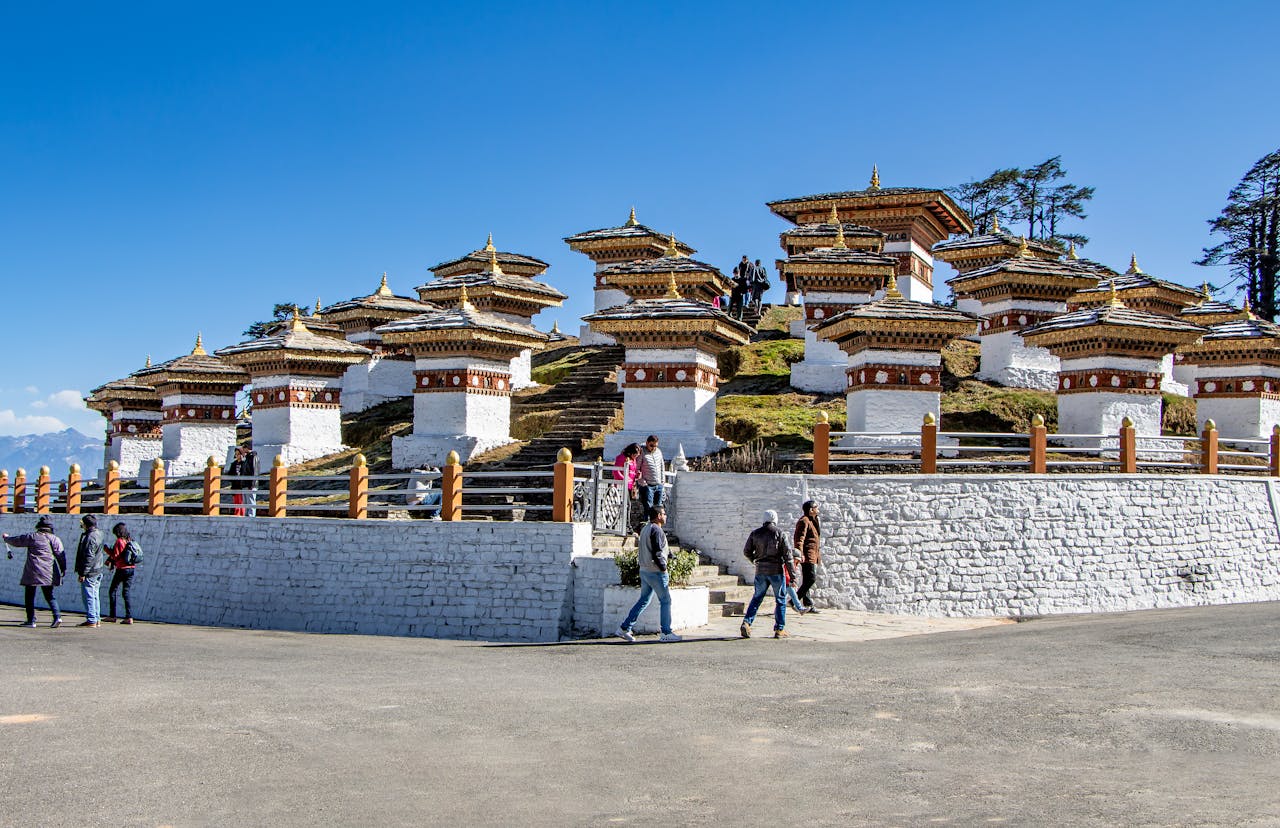
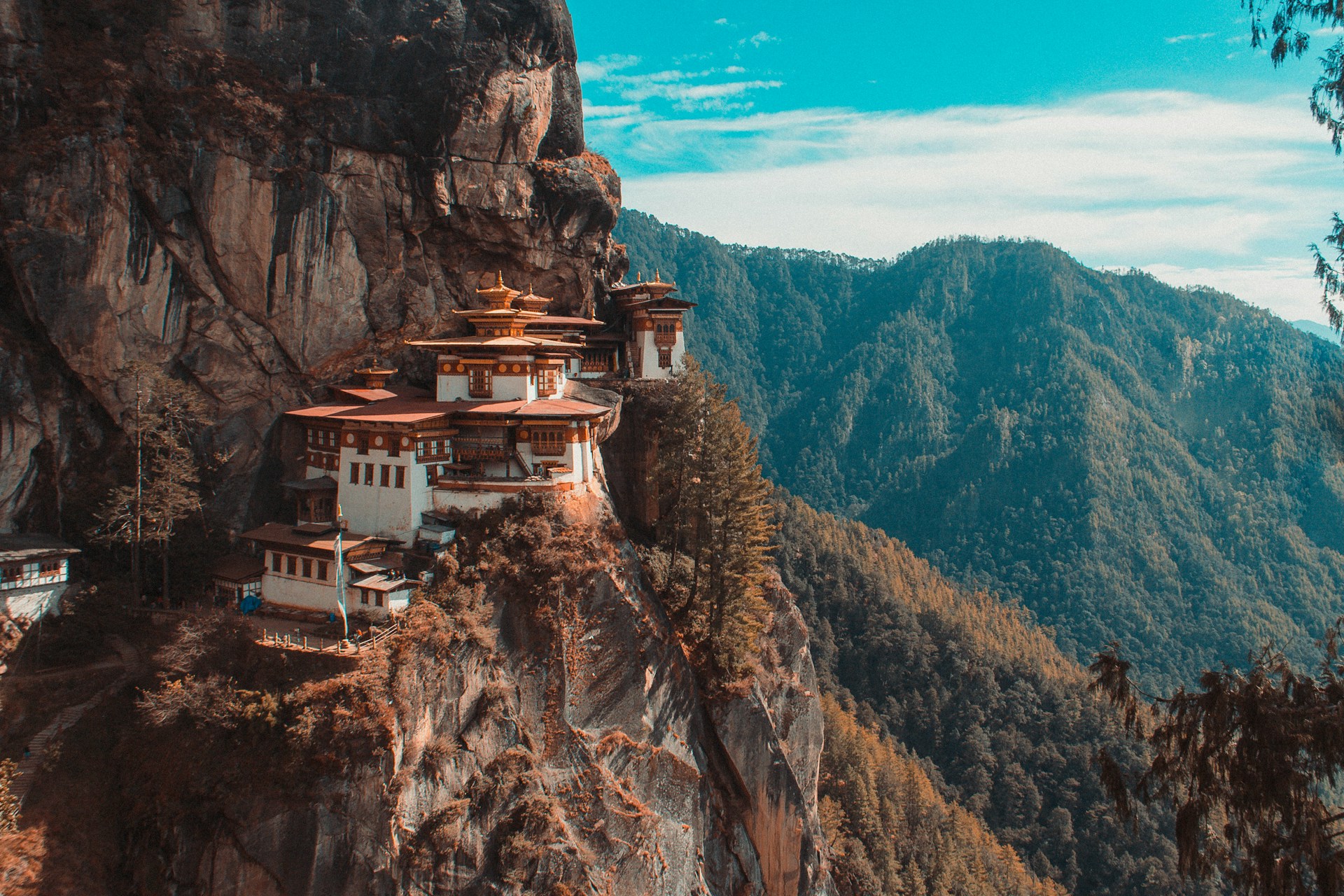
Bhutan has long treated tourism as something to shape rather than chase. Its Sustainable Development Fee makes that stance explicit: most international visitors pay US$100 per person, per night, a rate set to run through Aug. 31, 2027. The fee filters out casual stopovers and helps fund conservation and public services, while visa steps and guided-travel norms keep the pace calm. Bhutan isn’t closing doors so much as establishing a deliberate threshold. For visitors, the journey feels quieter, more curated, and more rooted in local priorities than in crowd momentum. It rewards travelers who arrive with patience and attention.
Indonesia
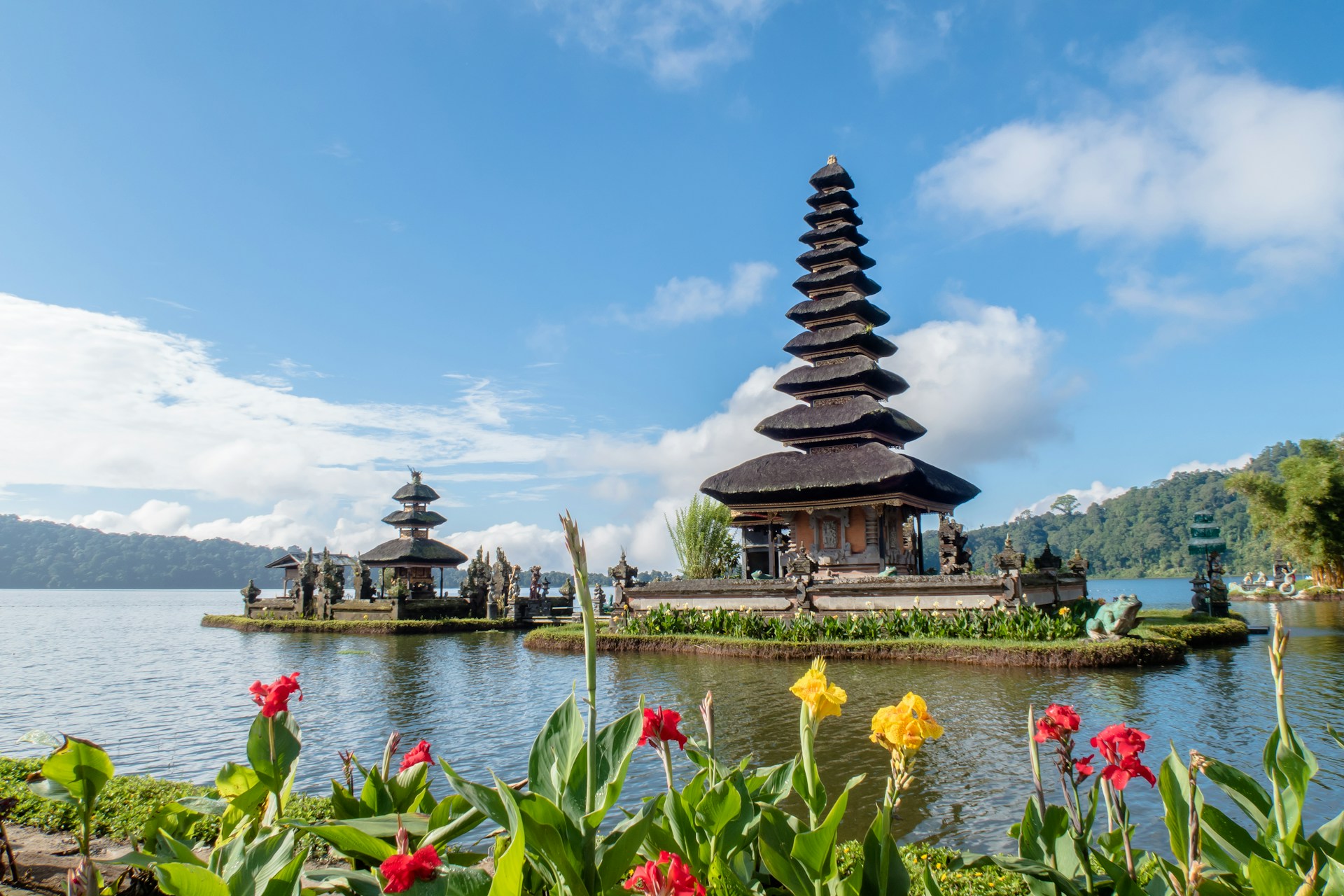
Indonesia’s pressure point is Bali, and policy is beginning to reflect that reality. Since Feb. 14, 2024, international visitors to Bali face a one-time tourism levy of IDR 150,000, positioned as support for culture and the environment. Authorities have paired the fee with clearer conduct expectations at temples and public spaces, and they have warned that skipping payment can bring consequences, including being turned away at certain sites. It isn’t a shutdown; it’s a signal that access comes with responsibility. Bali remains welcoming, but less tolerant of careless tourism. Officials want the island’s rhythm to stay recognizable.
New Zealand
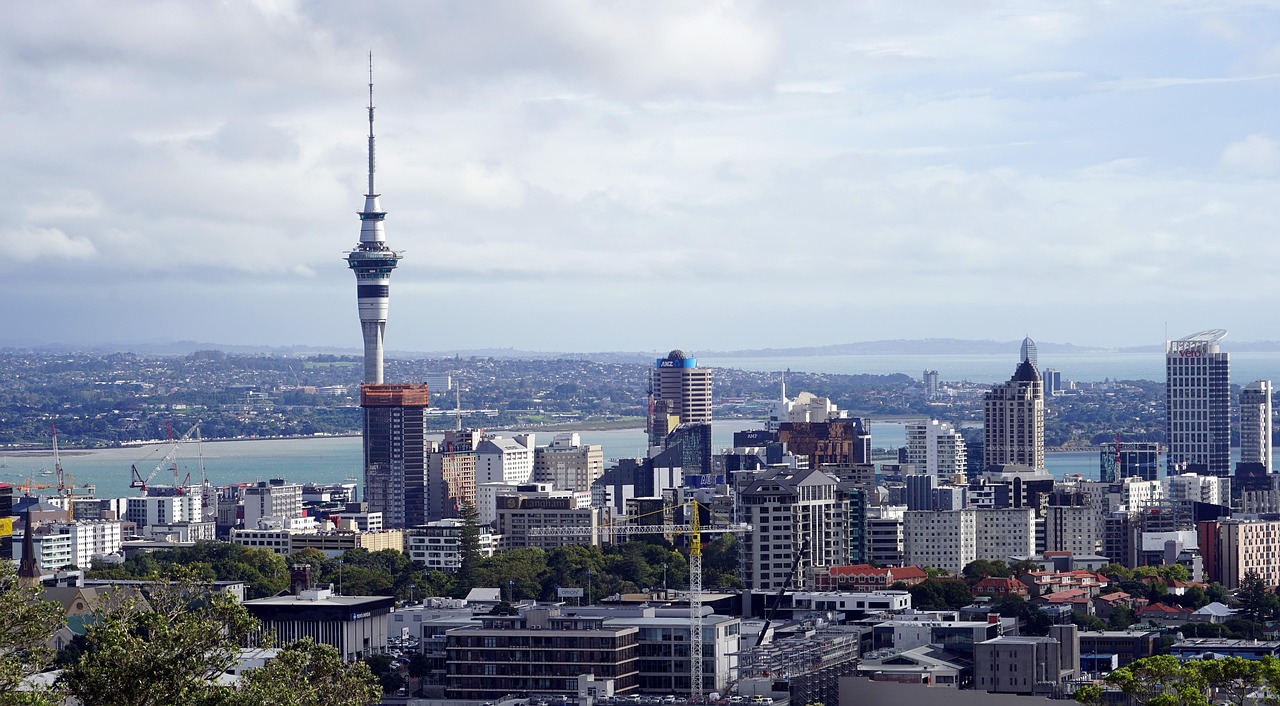
New Zealand is pricing conservation into arrival, especially as popular parks and trails face heavier use. The International Visitor Conservation and Tourism Levy increased to NZ$100 from Oct. 1, 2024, and officials have framed it as a direct way for visitors to help cover the costs of protecting nature and maintaining infrastructure. The change is small in paperwork, but meaningful in tone: entry remains straightforward, yet the country is spelling out that pristine places require money and management. For some travelers, it also nudges trip planning toward longer stays over quick hops. The levy makes protection a shared cost.
Peru
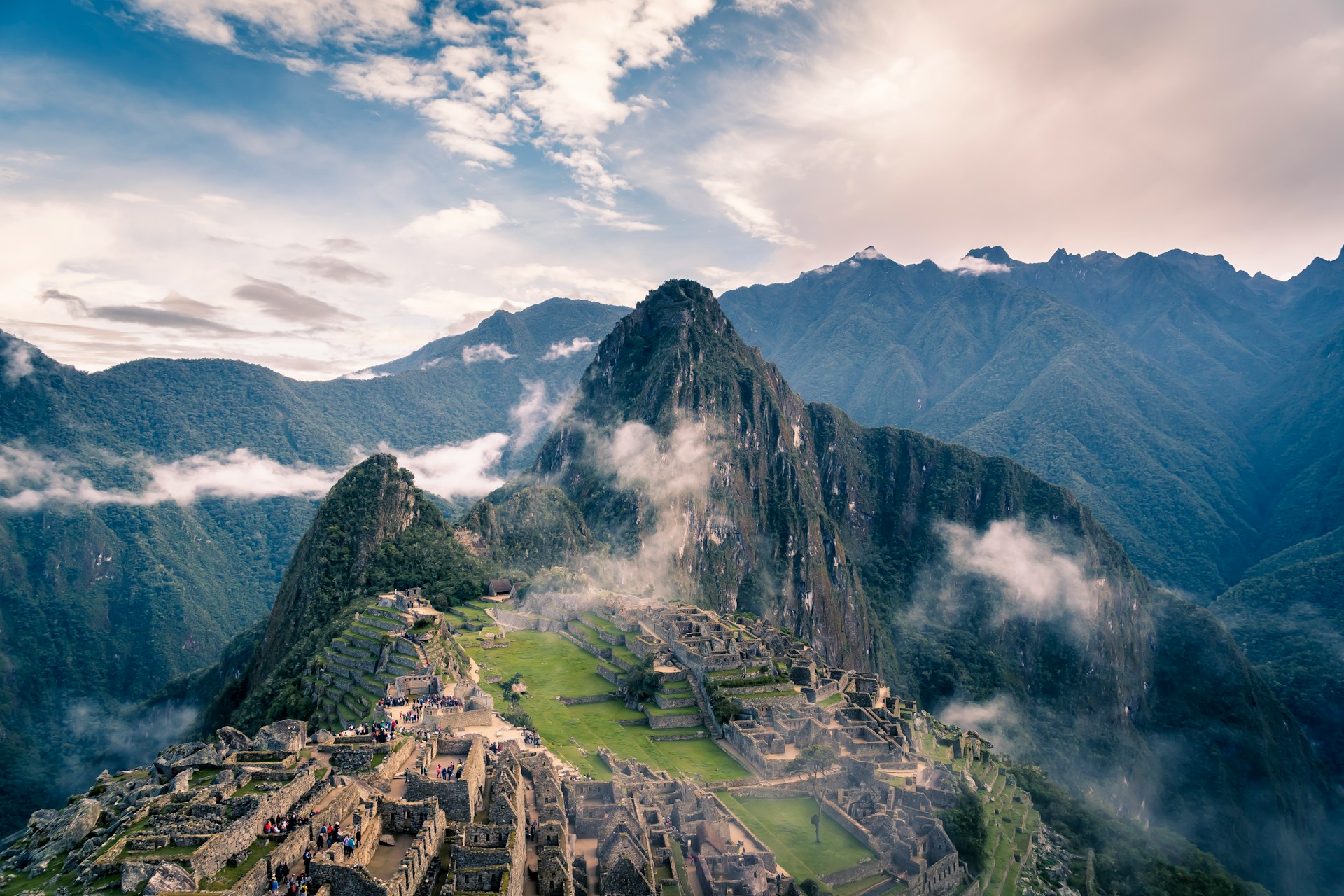
Peru’s limits are most visible at Machu Picchu, where access is increasingly treated like a timed appointment. Entry is controlled through fixed time slots, a required circuit system, and identity checks that match tickets to the person using them. Daily capacity shifts by season, with about 4,500 entries on regular days and up to 5,600 on high-demand dates, plus only a limited set of tickets sold in person. The site is open, but spontaneity is fading and planning matters. In return, the experience is calmer, with fewer pinch points and a better chance to absorb the place. Rangers can focus on care, not crowd control, when schedules hold.