
Some stories stick because they’re simple, not because they’re true. In classrooms and survey textbooks, a handful of tidy narratives still shape how students see the nation’s origins, wars, prosperity, and identity, often by sanding off the hard edges that make history meaningful. This gallery revisits nine enduring myths with clearer context, noting dates, policies, and geopolitics that show where popular storylines diverge from the historical record and why the corrections matter today.
America Was Founded For Religious Freedom (For Everyone)
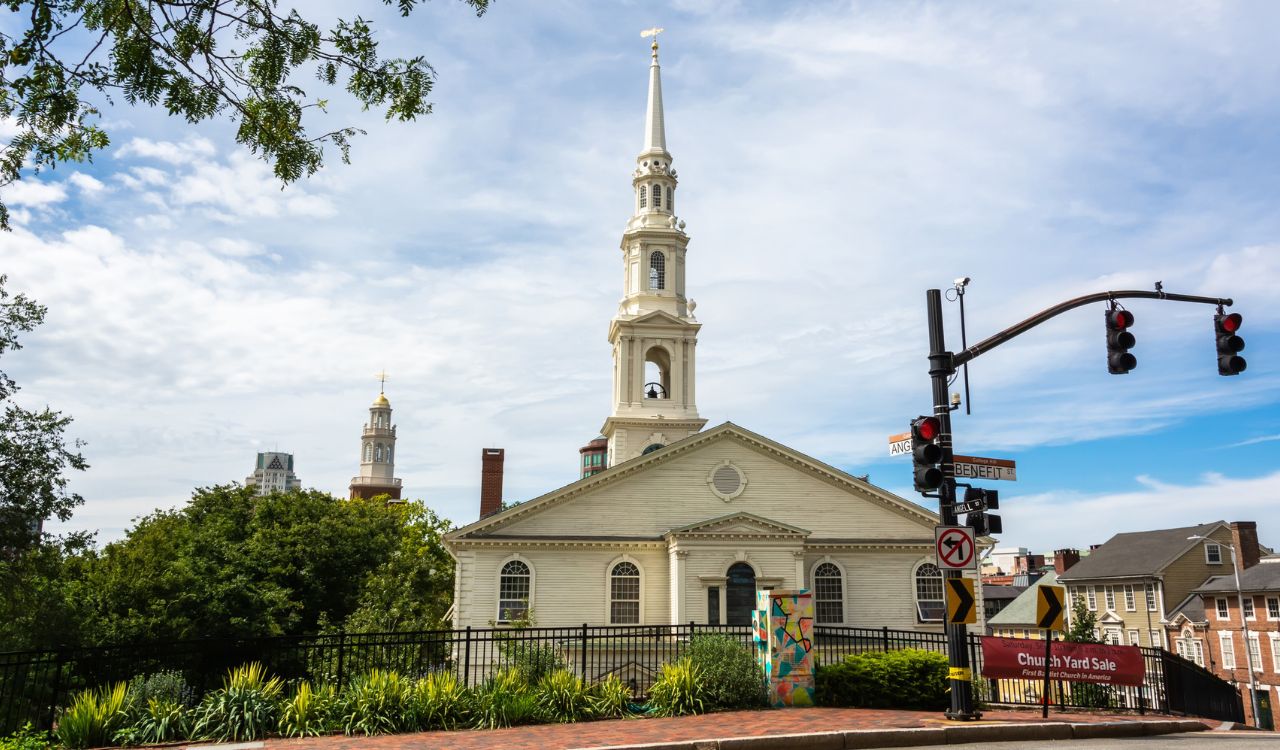
Colonial New England sought refuge from Anglican control yet enforced its own establishments, oaths, taxes, and penalties for dissenters; several states retained official or quasi‑establishments into the early 19th century. Disestablishment unfolded unevenly across states rather than on a single national timeline, complicating the feel‑good idea that universal religious liberty was a founding reality instead of a contested, incremental achievement.
The Founders Built A Pure Democracy
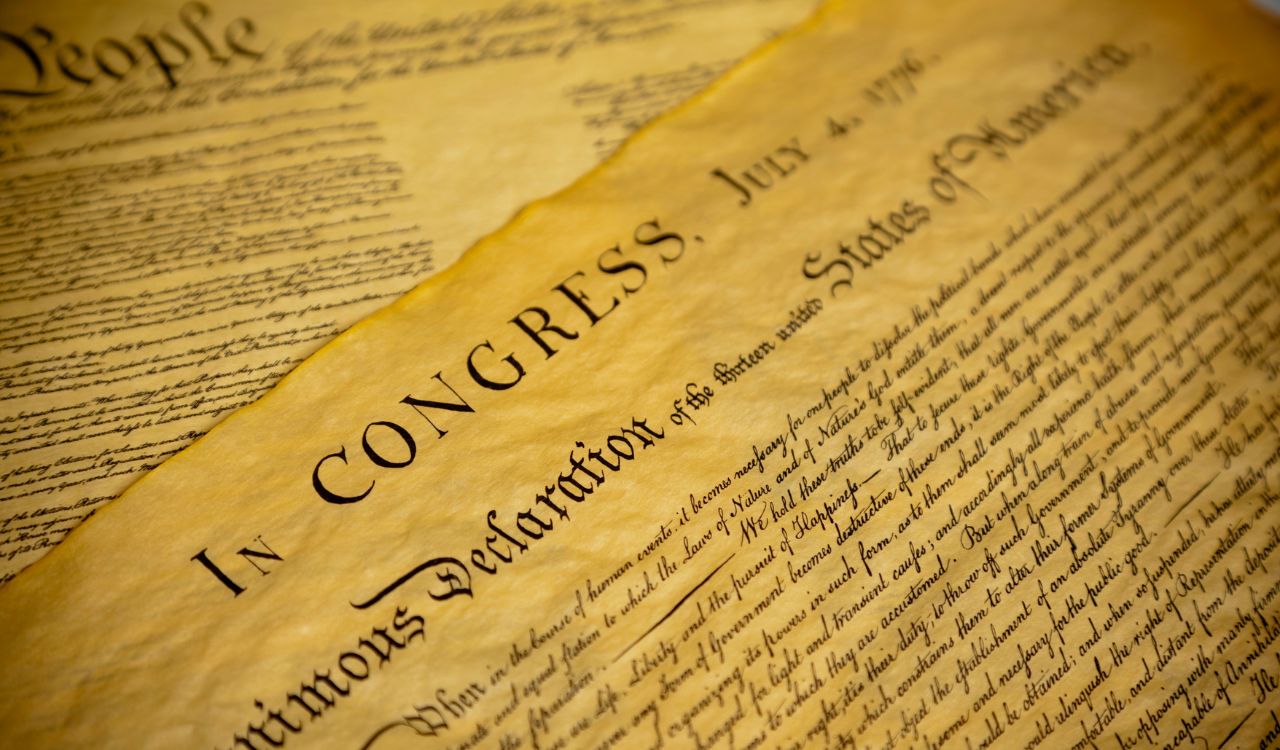
The Constitution was engineered as a mixed republic, not direct rule: staggered terms, bicameralism, indirect elections, and limited early suffrage placed buffers between public passions and federal action. Institutions like the Electoral College and equal‑state Senate seats reflect stability‑seeking compromises often glossed as democratic idealism, obscuring the framers’ deliberate resistance to simple majoritarianism.
The Revolution Was David Vs. Goliath
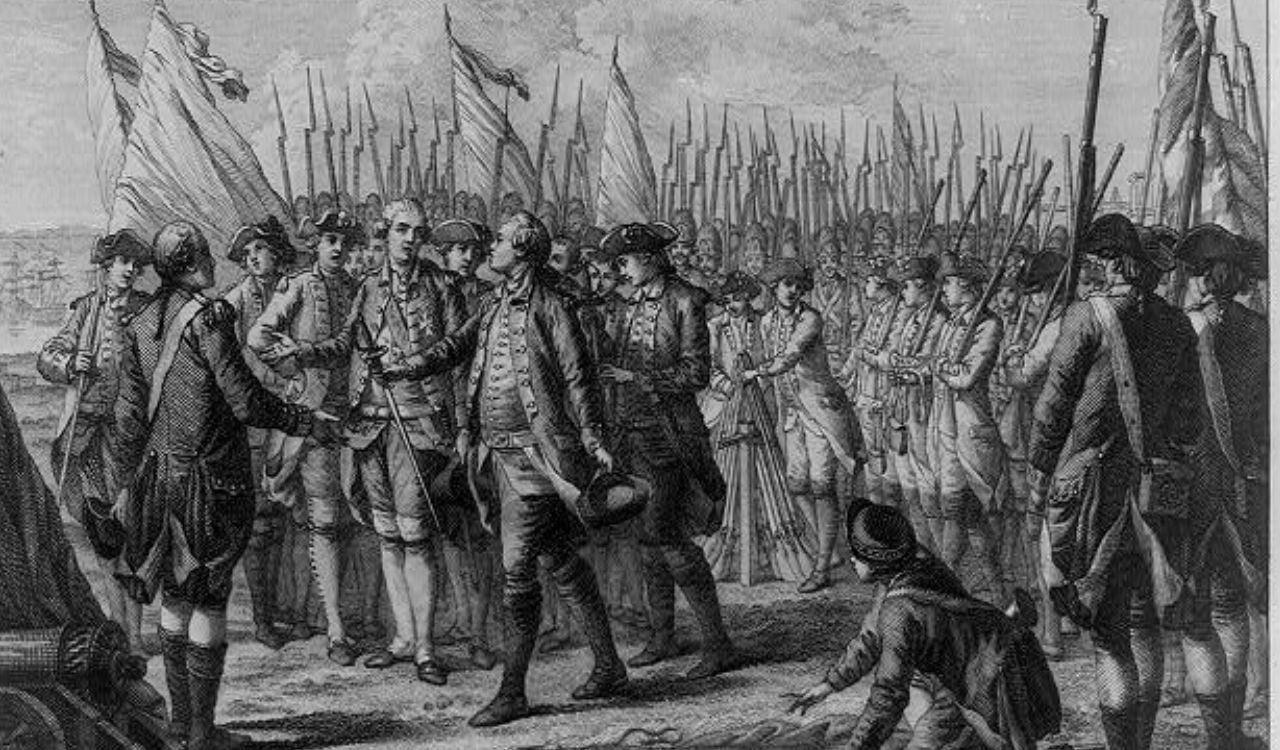
The underdog tale flatters national identity, but outcome rested on French loans and fleets, decisive naval action at the Chesapeake in 1781, and Britain’s global commitments, alongside deep divisions among colonists. Loyalists, enslaved people navigating perilous choices, and Native nations calculating survival all disrupt the clean hero story, while geopolitics, not militia myth, frames why an empire lost North America.
The Civil War Was Simply A Moral Crusade To End Slavery
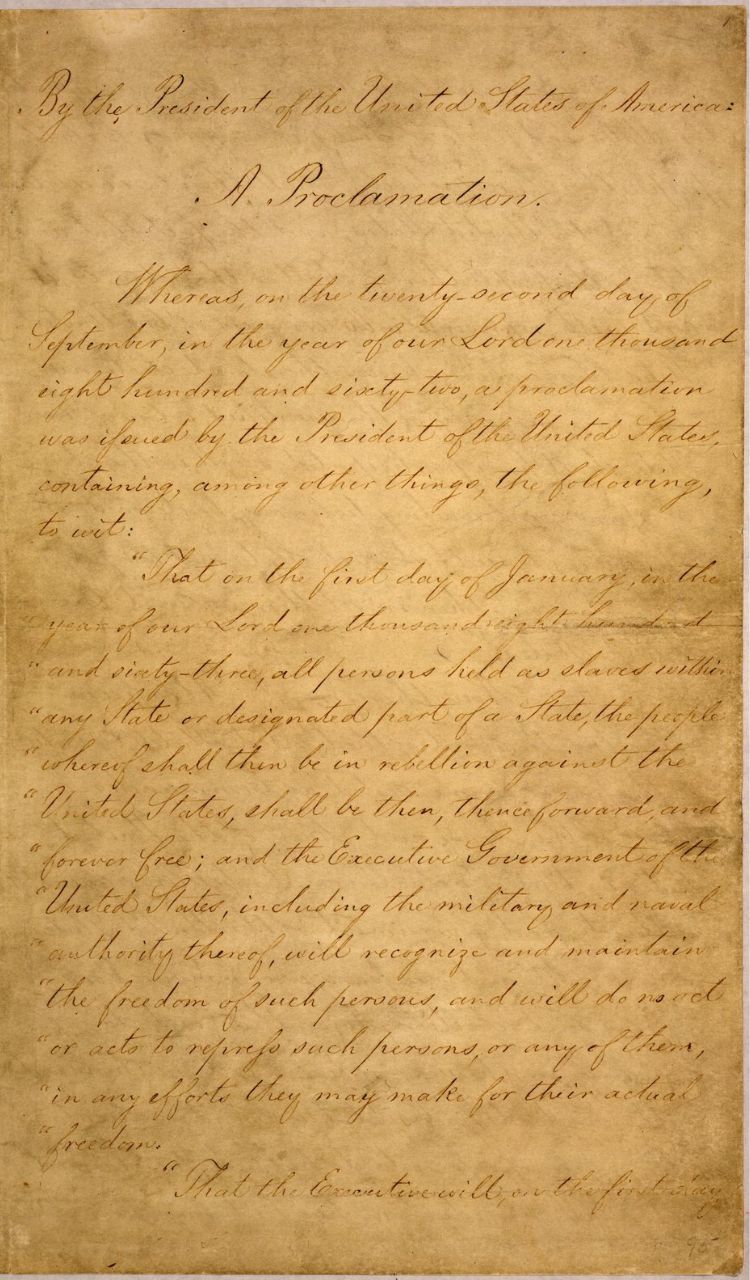
Slavery was central to secession, yet the Union’s stated aims evolved: restoring the Union dominated early, with emancipation formalized by the 1863 Emancipation Proclamation amid military necessity and politics. Compressing the war into a single moral arc erases how policy hardened over time and why chronology matters for understanding emancipation as both cause and instrument of victory.
The Gilded Age Was America’s Dark Age

Corruption and exploitation were rampant, but the same period saw explosive urbanization, corporate and legal innovation, migration, and national markets, alongside reforms like civil service changes and the Interstate Commerce Commission. Teaching it as unalloyed decline misses how state‑building and regulation coexisted with inequality, helping students see how progress and backlash often travel together in American development.
The Middle Class Was Invented In The 1950s

Midcentury programs expanded homeownership and college access, but middle‑class patterns existed earlier and were never evenly shared; benefits were stratified by race, region, and policy design. The GI Bill and redlining shaped who entered prosperity and who was locked out, so treating the 1950s as the “birth” of the middle class erases prior mobility and the structures that limited inclusion.
The U.S. Stayed Isolationist Between The World Wars
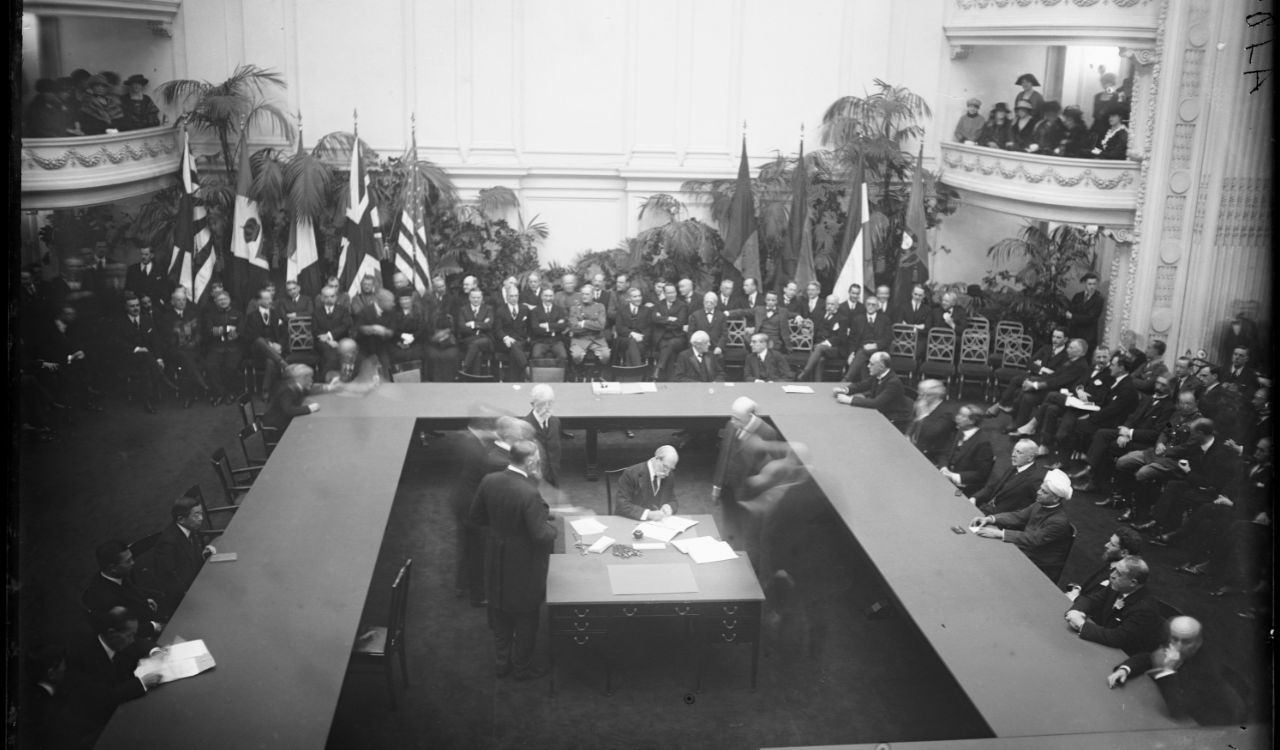
Congress limited war commitments, yet American power remained entangled through finance, debt settlements, naval treaties, and hemispheric diplomacy that shaped global outcomes. A clearer phrasing is that the U.S. restricted formal security obligations while staying economically and diplomatically active, an engagement pattern often flattened by the “isolationist” label.
Nixon Was An Unambiguous Environmental Champion

Creating the EPA and signing landmark laws were consequential, but the record shows veto threats, bargaining politics, and ambivalence about regulatory reach that complicate the halo. Reducing the story to signatures turns contested policymaking into hagiography; understanding coalition pressure and tradeoffs offers a truer sense of how environmental law actually emerged.
Gay Rights Is A New, 21st‑Century Movement

Organizing, legal fights, and community networks stretch back decades before Stonewall, with cycles of visibility and backlash shaping a long civil‑rights arc. Calling it “new” flattens a deep pre‑2000 history, including homophile organizations, early court battles, and local activism, denying students the continuity and strategy shifts that built later cultural and legal gains.