

Owning your own property feels like freedom, but it comes with rules you might not expect. Even simple, everyday behaviors mowing your lawn too early, letting trash pile up, or playing loud music, can lead to fines if they violate local ordinances. These regulations exist to keep neighborhoods safe, clean, and harmonious. Understanding them helps you enjoy your home without penalties, showing that small actions on your property can have surprising consequences for your wallet and your community.
1. Mowing Your Lawn at the Wrong Time

Even a perfectly maintained lawn can get you into trouble if you mow at the wrong time. Many cities enforce noise ordinances to prevent early morning or late-night disturbances from lawn equipment. Repeated violations can result in fines or official warnings. Following these time restrictions protects neighborhood peace, avoids legal issues, and ensures good relationships with neighbors. Scheduling yard work during permitted hours helps maintain harmony and shows respect for your community’s shared living environment.
2. Letting Trash or Recycling Overflow

Trash might seem harmless, but letting garbage or recycling overflow can violate municipal sanitation codes. Overflowing bins attract pests, create foul odors, and pose health hazards to neighbors and the environment. Cities often have strict schedules and rules for proper sorting and storage. Fines can be issued if residents repeatedly neglect these regulations. Keeping bins tidy and following collection guidelines protects your property and demonstrates respect for the wider community.
3. Allowing Tall or Overgrown Grass

Tall grass isn’t only an eyesore; in many communities, it’s legally considered a public nuisance. Local ordinances set maximum lawn heights to reduce pests, prevent hiding spots for wildlife, and maintain the neighborhood’s appearance. Ignoring these rules can lead to fines or municipal crews cutting the grass at the homeowner’s expense. Regular lawn care is more than cosmetic; it’s a shared responsibility that keeps properties safe, visible, and enjoyable for everyone in the community.
4. Parking on Your Lawn or Sidewalk

It may be tempting to park on your lawn or partially block the sidewalk, but local regulations often prohibit this. These rules protect property integrity, prevent soil erosion, and ensure pedestrians have safe access. Parking violations on your own property can still result in fines because they interfere with public pathways and neighborhood aesthetics. Understanding the limits of where vehicles can go safeguards your property and helps maintain safety and visual appeal in your area.
5. Installing Unauthorized Structures
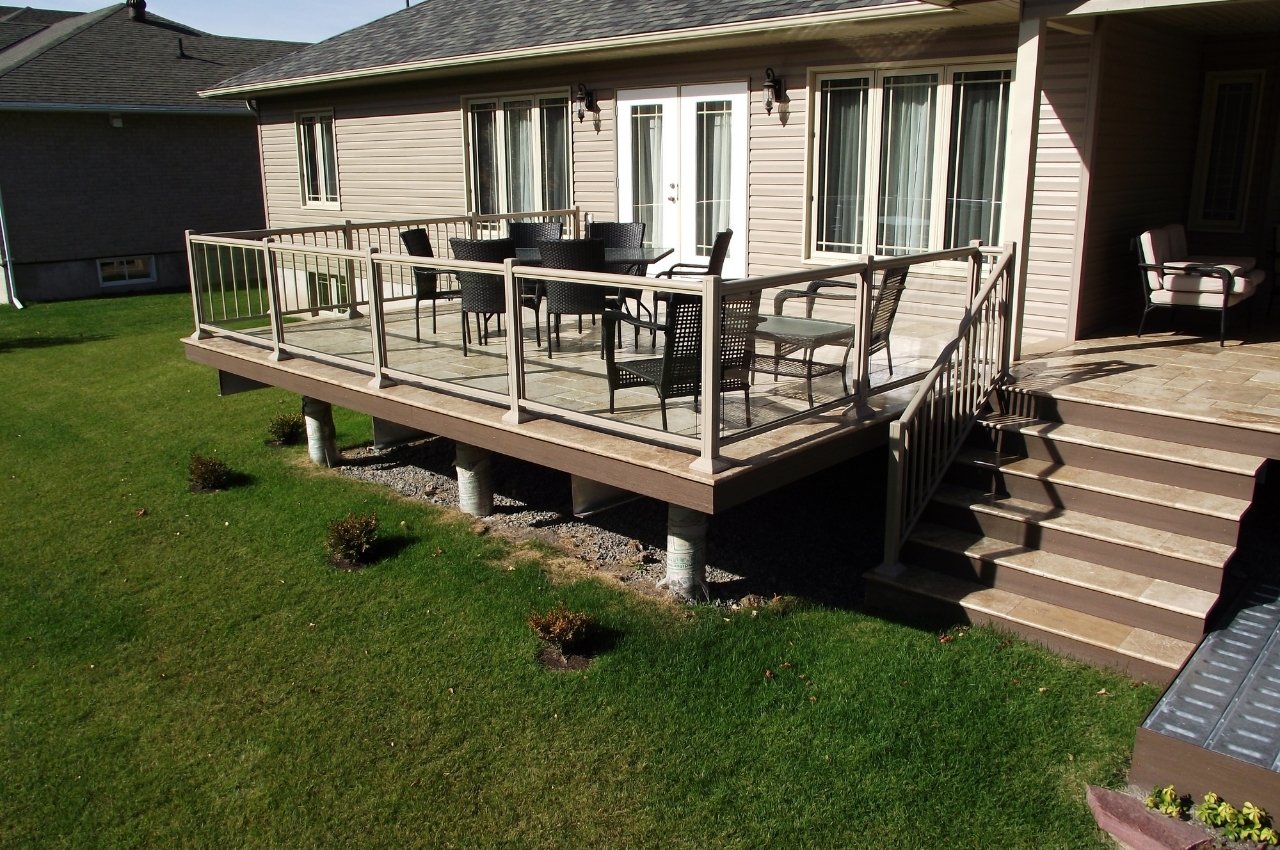
Adding a shed, fence, or deck without a permit might seem harmless, but local building codes require approval to ensure safety, zoning compliance, and neighborhood aesthetics. Unpermitted structures can lead to fines or orders for removal. These regulations ensure proper spacing, structural integrity, and community cohesion. Securing the necessary permits protects your investment, keeps your property legally compliant, and prevents expensive complications or disputes after construction is complete.
6. Letting Pets Roam Freely

Pets are beloved family members, but letting dogs or cats roam freely can cause legal trouble. Local leash laws and nuisance ordinances exist to protect neighbors from noise, property damage, and safety hazards. Unsupervised pets may bite, chase, or damage property, prompting complaints and fines. Keeping animals safely confined not only safeguards your community but also protects your pets from accidents or conflicts, ensuring they remain safe while respecting local rules and neighborly harmony.
7. Playing Loud Music or Hosting Excessive Noise

Everyone enjoys a party, but repeated loud music or noisy gatherings can violate municipal noise ordinances. Cities typically define acceptable hours for amplified sound or disruptive activity, often targeting early mornings or late nights. Violations can result in warnings or fines, sometimes escalating for repeated offenses. Controlling noise levels protects your relationships with neighbors, ensures community tranquility, and keeps you on the right side of the law while still enjoying your home.
8. Storing Hazardous Materials Improperly

Storing chemicals, fuels, or other hazardous materials improperly can create serious legal and safety issues. Municipal codes regulate storage to prevent fires, spills, and environmental contamination. Fines may be imposed if authorities determine that storage is unsafe or accessible to the public. Following proper storage guidelines protects your household, neighbors, and the environment, demonstrating responsible ownership and compliance with safety regulations designed to prevent accidents before they happen.
9. Building or Modifying Driveways Without Approval

Changing your driveway or paving additional areas without the correct permits may violate zoning and drainage regulations. Local authorities monitor such modifications to prevent water runoff problems, traffic hazards, or aesthetic disruptions. Violations can result in fines or orders to restore the property to its original condition. Securing proper permits ensures your construction is safe, legal, and in harmony with neighborhood standards, protecting both your investment and your standing in the community.