

Some of the most ordinary things we use without a second thought can become legal minefields once you cross the border. From childhood snacks to simple household tools, many everyday items are banned in countries for reasons tied to safety, culture, or environmental protection. These restrictions often reveal fascinating stories about how different societies manage risk and protect their people. Exploring them opens a window into the unique priorities, histories, and values that shape laws across the globe.
1. Chewing Gum

What seems like a simple habit can become a legal issue in places determined to keep public areas spotless. Singapore’s strict rules on chewing gum began after repeated problems on public transit, where gum clogged sensors and caused costly delays. Lawmakers decided the only solution was to restrict sales entirely. Today, only medical gum is allowed, and importation without permission can lead to fines. The ban reflects how small daily habits can affect an entire city’s efficiency. It also shows how urban planning can shape behavior in unexpected ways.
2. Plastic Bags

An item used for minutes can linger in the environment for centuries, which is why many nations treat plastic bags as a serious threat. Countries such as Rwanda and Kenya enforce tight bans to protect rivers, farmland, and wildlife. Even visitors must leave these bags behind or face penalties. The restrictions aim to reduce plastic waste that clogs drainage systems, harms animals, and contributes to pollution. These policies encourage reusable alternatives and cleaner public spaces. The bans also push industries to innovate with biodegradable materials.
3. Baby Walkers

What looks like a helpful tool for a child’s growth is seen as a hazard in countries focused on safety and development. Canada, for example, prohibits the sale and ownership of baby walkers because research shows they slow natural motor progress and lead to preventable injuries. Babies in walkers can reach dangerous areas sooner, often resulting in falls down stairs or contact with sharp edges. Authorities promote supervised floor time instead, which strengthens the muscles needed for independent walking. The ban highlights how child safety rules often challenge long-standing parenting habits.
4. Kinder Surprise Eggs
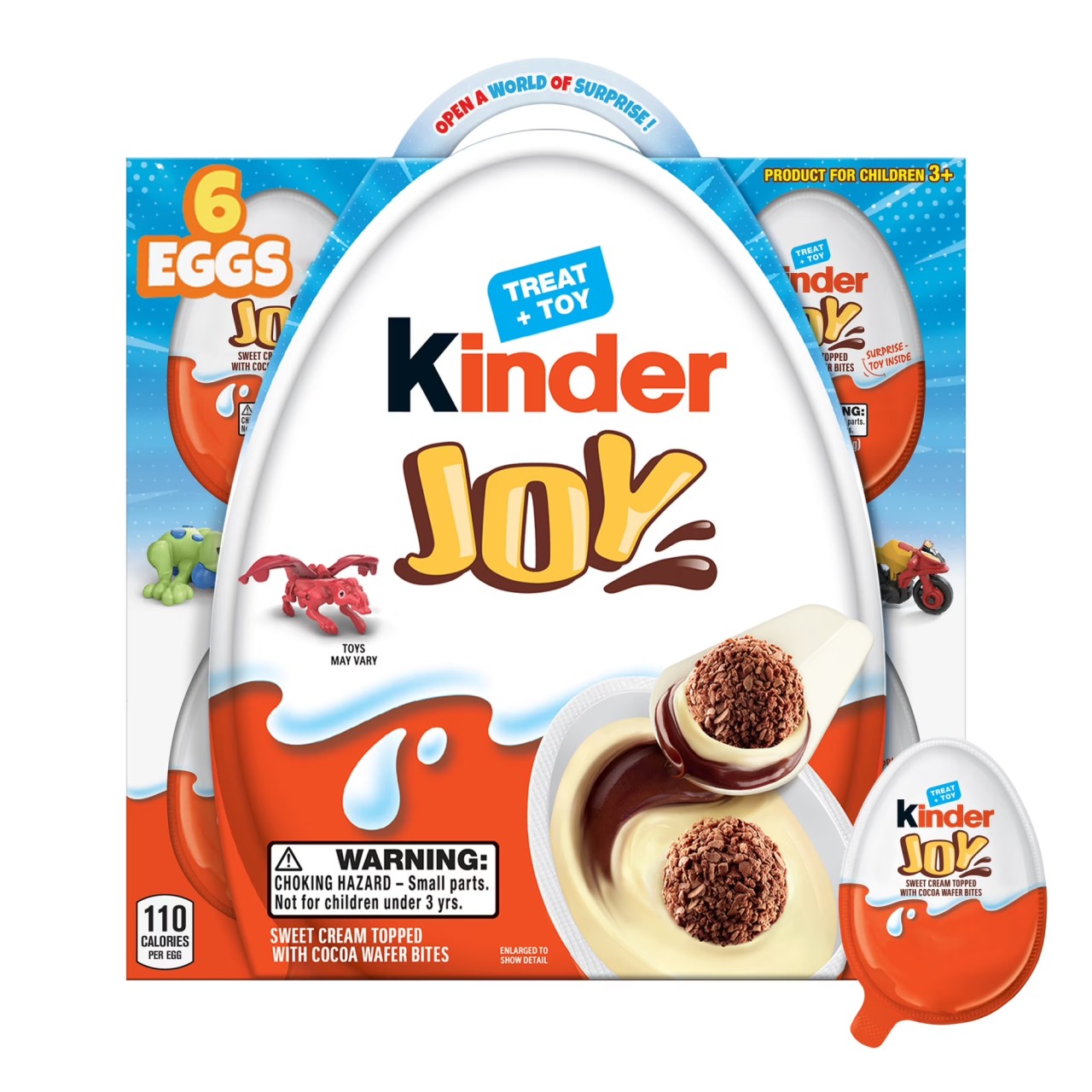
A beloved treat in many households becomes restricted when food safety laws take a different view. The United States bans the classic Kinder Surprise because embedding toys inside edible products conflicts with federal rules. Regulators worry that small parts pose choking risks, especially for younger children. Although the chocolates remain popular globally, the original version cannot be sold in the U.S., leading manufacturers to create a split design with toys kept separate from the food. The rule reflects how cultural attitudes toward risk differ widely between countries.
5. High-Power Laser Pointers
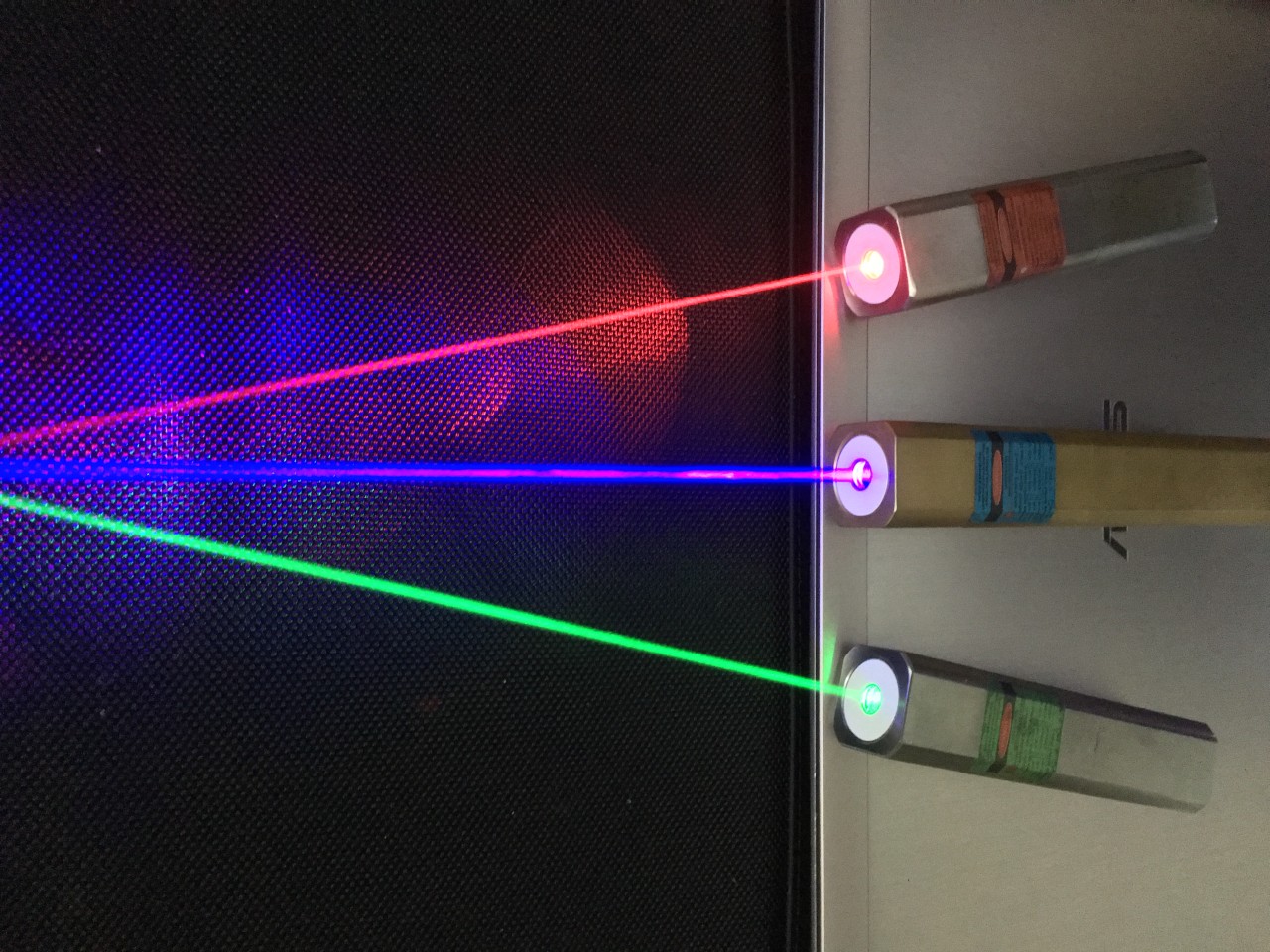
A tool often associated with presentations can become dangerous when its power goes unchecked. Australia, the U.K., and other countries restrict high-strength laser pointers due to incidents involving pilots and drivers being distracted or temporarily blinded. The concentrated beams can also damage eyesight. These risks pushed lawmakers to treat stronger models similarly to controlled devices, limiting public access. The goal is to prevent misuse while still allowing professionals to obtain them when necessary. These restrictions underscore how simple gadgets can turn hazardous when used irresponsibly.
6. Noncompliant Power Banks and Portable Chargers

Portable chargers without certified safety features are restricted in many countries because faulty batteries can overheat, swell, or ignite without warning. Regions with strict electronics standards require protections such as thermal regulation, short-circuit prevention, and clear compliance labeling. Counterfeit or low-quality power banks often miss these safeguards and are seized at borders to prevent accidents. These rules help reduce fire risks on airplanes, in hotels, and in crowded public areas where ignition can be especially dangerous.
7. Vaping Products
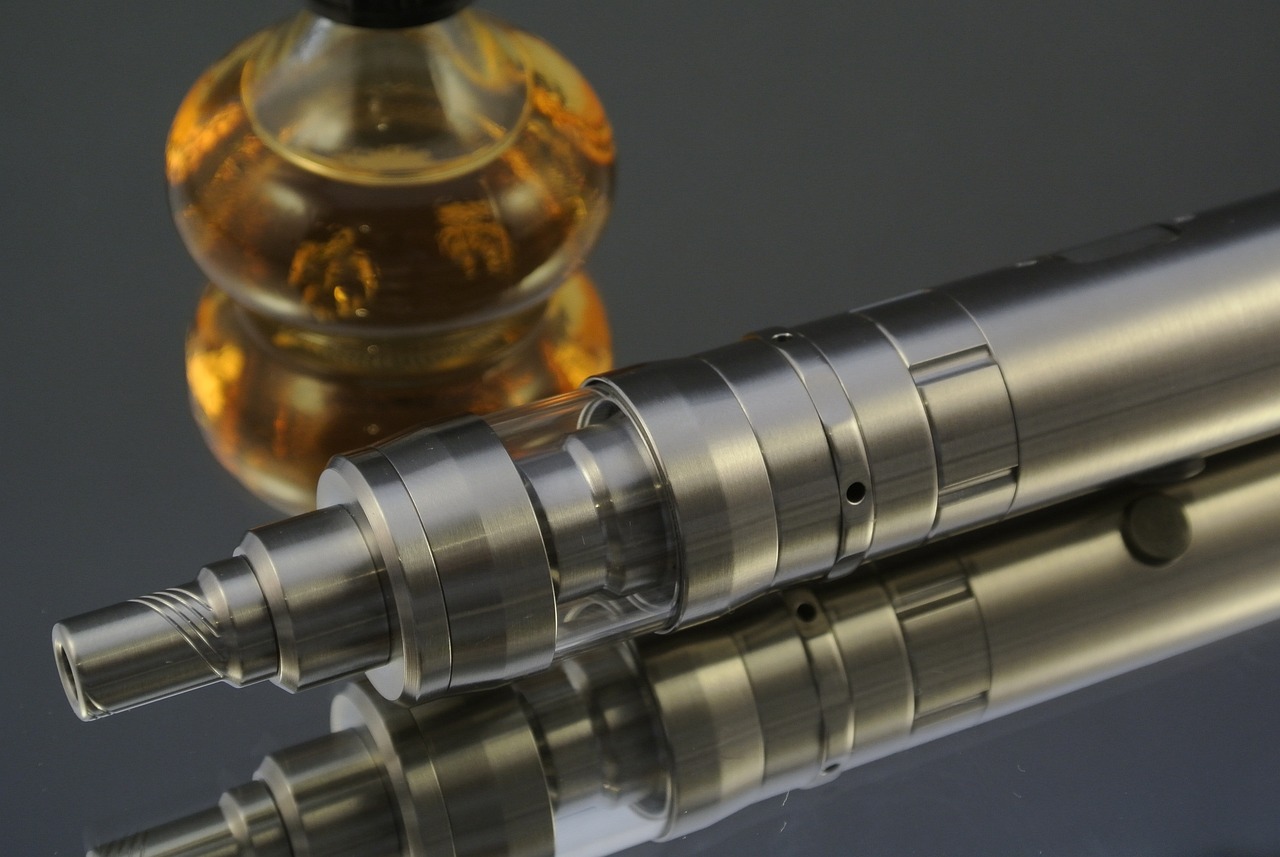
A trend seen as a safer alternative in some regions is treated as a public health concern in others. Nations like India, Thailand, and Brazil ban e-cigarettes altogether over fears of rising youth addiction and unclear long-term health effects. These countries enforce strict penalties for possession, sale, or use. Regulators argue that restricting access helps prevent another widespread health issue, especially among young people attracted by flavored products. These bans aim to curb a growing industry before it becomes entrenched.
8. Brightly Colored Toy Guns

Toy guns may look harmless, but many countries treat them cautiously because their appearance can create real danger. Realistic shapes, colors, and weight can make them hard to distinguish from actual firearms, especially during tense or fast-moving situations. Law enforcement has faced incidents where replica weapons influenced split-second decisions. Countries like the U.K. require clear markings or specific color rules to reduce confusion. These laws aim to prevent accidents, intimidation, and dangerous misunderstandings.
9. Incandescent Light Bulbs

A classic household item is fading from shelves as nations push for greener energy use. Traditional incandescent bulbs convert most of their power into heat rather than light, making them inefficient. Regions across Europe, along with Australia and parts of the United States, have phased out or banned their sale to reduce energy demand and lower emissions. Consumers are encouraged to switch to LEDs, which last longer and cut electricity costs while reducing environmental impact. These changes reflect a global shift toward sustainable living.