
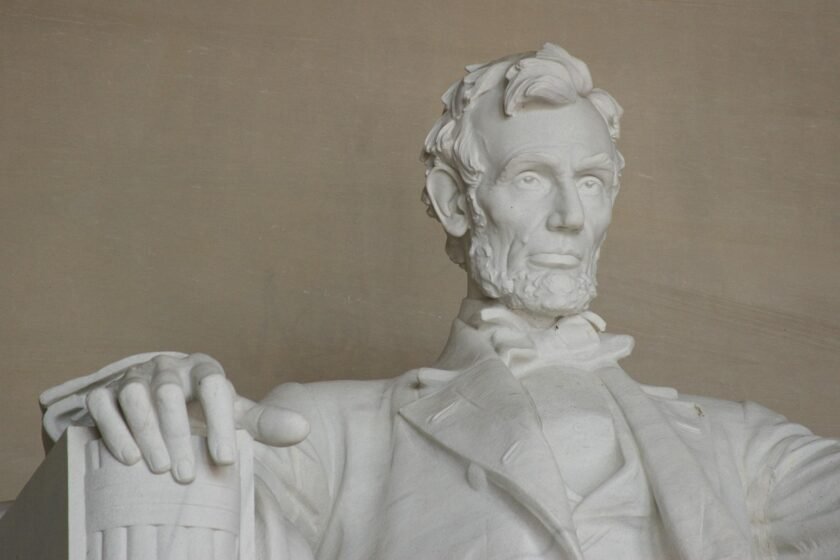
History is filled with tales of courage, betrayal, and tragedy, but some stories stand out for their particularly grim endings. These nine famous individuals met their fate in ways that shocked the world and left a lasting mark on history. From political assassinations to gruesome executions, their deaths were as memorable as their lives. Exploring their final moments offers a deeper understanding of the times they lived in and the dangers they faced, reminding us that fame and power rarely guarantee safety.
1. Julius Caesar

The Roman dictator was assassinated in 44 BCE by a group of senators, including close allies like Brutus and Cassius. They stabbed him 23 times during a Senate meeting, claiming they were protecting the Republic from his growing power. The betrayal by trusted friends made his death one of history’s most infamous political murders. Caesar’s assassination marked the end of the Roman Republic and paved the way for the rise of the Roman Empire. His last reported words, “Et tu, Brute?”, became a timeless expression of ultimate betrayal.
2. Marie Antoinette

The Queen of France met her end during the French Revolution in 1793 when she was executed by guillotine in Paris. Once living a life of luxury, she was accused of lavish spending and indifference to the struggles of the people. Stripped of her royal title and dignity, she faced a public trial and was found guilty of treason. Thousands gathered to watch her execution, which symbolized the revolution’s power over the monarchy. Her fall from queen to condemned prisoner remains one of history’s most dramatic reversals of fortune.
3. Rasputin

The Russian mystic and adviser to the royal family met a violent end in 1916. Nobles who feared his influence over the tsarina plotted his murder. They reportedly poisoned his wine, but when that failed, they shot him multiple times. Even then, he allegedly tried to escape before being captured and drowned in the Neva River. His death became surrounded by myths and exaggerations, cementing his place in folklore. Rasputin’s murder reflected the chaos and desperation within the Russian aristocracy before the revolution erupted shortly after.
4. Abraham Lincoln

The 16th President of the United States was assassinated in 1865 while attending a play at Ford’s Theatre in Washington, D.C. John Wilkes Booth, a Confederate sympathizer, shot him in the head at point-blank range. Lincoln was carried to a nearby boarding house, where he died the following morning. His assassination came just days after the end of the Civil War, plunging the nation into mourning. Lincoln’s death is remembered as one of America’s most significant tragedies, cutting short a leader who sought unity and healing.
5. Alexander II of Russia

The Russian tsar was assassinated in 1881 by members of the revolutionary group People’s Will. They targeted him with bombs in Saint Petersburg after several failed attempts to overthrow him. One bomb damaged his carriage, and when he stepped out to inspect the scene, a second bomb fatally wounded him. Known as the “Tsar Liberator” for emancipating the serfs, Alexander II’s progressive reforms could not protect him from radical opposition. His violent death marked a turning point in Russian history, leading to increased repression under his successors.
6. Thomas Becket

The Archbishop of Canterbury was murdered in 1170 inside Canterbury Cathedral. Once a close friend of King Henry II, Becket’s opposition to royal interference in church matters led to a bitter feud. Four knights, believing they were acting on the king’s wishes, attacked Becket as he prayed. They struck him down at the altar, shocking the Christian world. His brutal killing turned him into a martyr and later a saint, with Canterbury becoming a major pilgrimage site in his honor. His death remains a powerful symbol of religious defiance.
7. Hypatia of Alexandria

A renowned philosopher, mathematician, and astronomer in ancient Egypt, Hypatia was killed in 415 CE by a mob of Christian zealots. Her teachings and influence in politics made her a target amid rising tensions between pagans and Christians. She was dragged through the streets, brutally beaten, and murdered. Hypatia’s death is often seen as a tragic loss for the preservation of classical knowledge. Her story continues to inspire debates about freedom of thought and the dangers of political and religious extremism in times of social upheaval.
8. Archduke Franz Ferdinand

The heir to the Austro-Hungarian throne was assassinated in 1914 in Sarajevo by Gavrilo Princip, a Bosnian Serb nationalist. The attack began with a failed bombing earlier that day, but later, Princip spotted the archduke’s car and fired two fatal shots. His death, along with that of his wife, directly triggered World War I as alliances across Europe were set into motion. The assassination highlighted the volatile political climate of the time and demonstrated how a single violent act could change the course of global history.
9. Commodus

The Roman Emperor Commodus was strangled to death in 192 CE by a wrestler named Narcissus, allegedly at the request of his closest advisors. Known for his erratic behavior and obsession with gladiatorial combat, Commodus had alienated the Senate and military leaders. After surviving a poisoning attempt, he was attacked in his bathhouse. His murder ended the Nerva-Antonine dynasty and plunged Rome into political instability. Commodus’s dramatic fall from power became a cautionary tale of how tyranny, paranoia, and isolation can seal the fate of even the most powerful rulers.