

Nine gatherings reshaped power plays as seating plans, toasts, and timing influenced political moves. A banquet may appear purely ceremonial—polished silver, practiced smiles, and a room trained to applaud on cue. Yet the meals that echo through history often functioned as covert working sessions. Food slows the tempo, softens tempers, and creates a private pocket inside public theater. Seating diagrams become instruments of influence, and small choices reveal rank: who lingers, who has the best view of the host. Across courses and toasts, leaders test boundaries, barter assurances, and let aides interpret what is left unsaid. Sometimes a feast forges an alliance; other times it undermines a government’s legitimacy; sometimes it makes a risky idea feel normal. These nine banquets reveal politics at its most human, where appetite, pride, and timing can tilt history.
FEAST OF THE PHEASANT IN LILLE
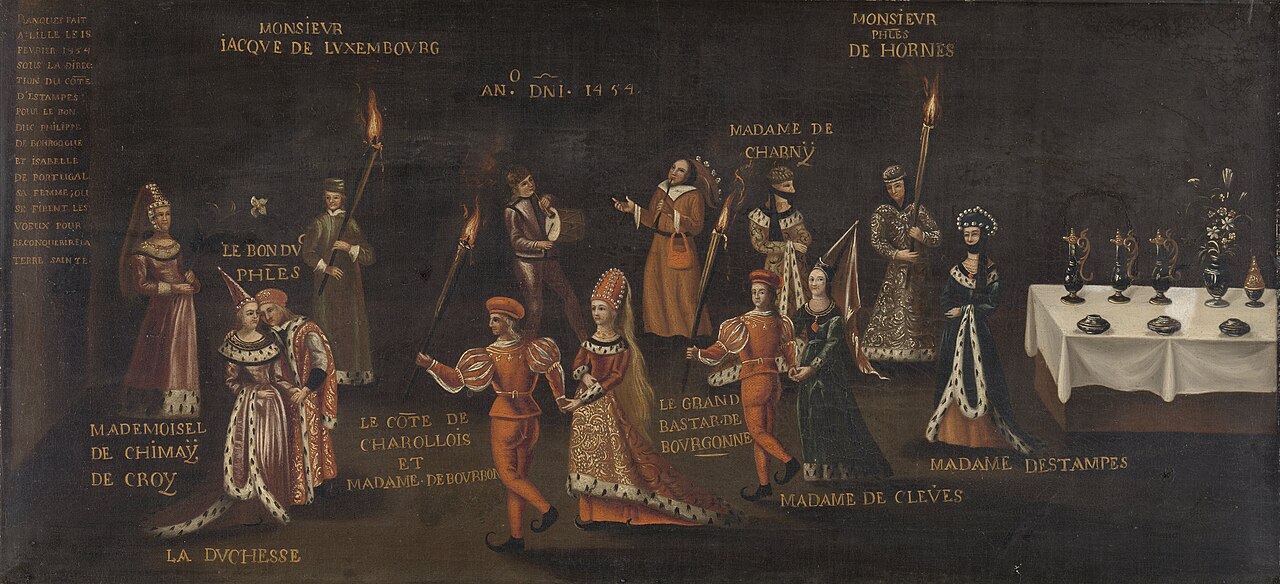
On February 17, 1454, Philip the Good transformed Lille into a stage and proclaimed it the Feast of the Pheasant. Between roasting birds, choirs, and allegorical mourning for Constantinople’s fall, Burgundy presented itself as the court capable of leading Europe. Knights of the Golden Fleece swore crusading vows before rivals and potential allies, linking honor to public theater. The crusade never sailed, but the dinner moved politics: it announced Burgundian aspiration, pressured neighbors to respond, and accelerated diplomacy through gossip carried from one court to the next. In an era of slow letters, that shared narrative acted as a weapon.
FIELD OF THE CLOTH OF GOLD
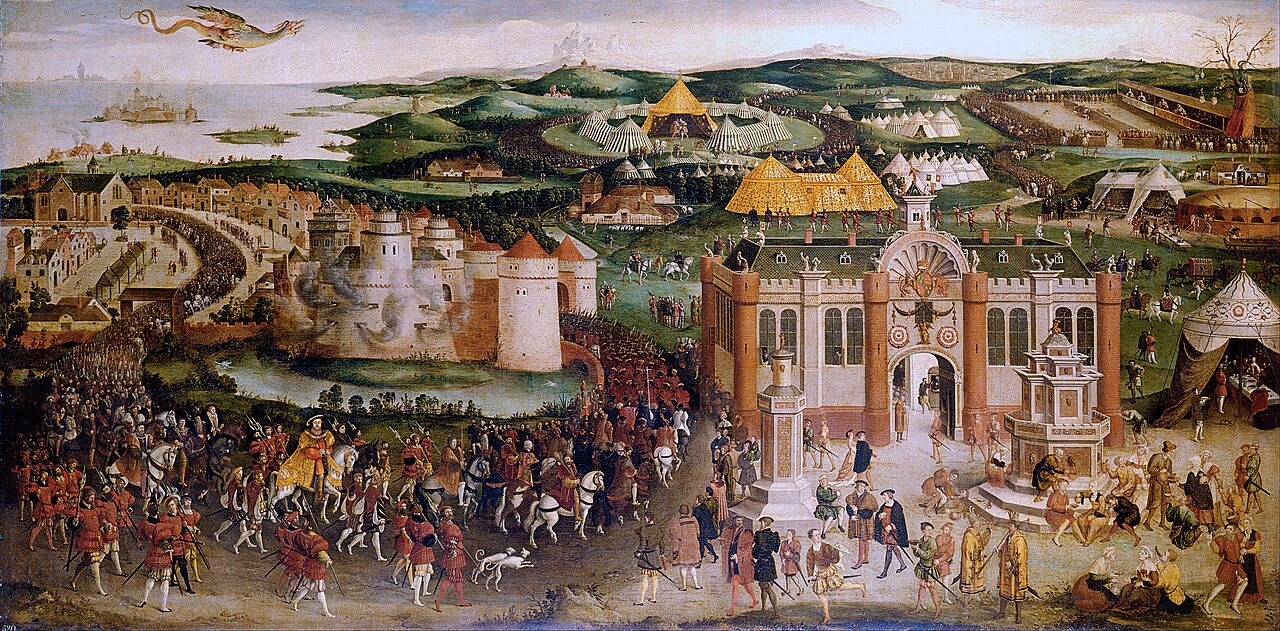
From June 7 to 24, 1520, Henry VIII and Francis I met near Calais at the Field of the Cloth of Gold. Banquets functioned as negotiating rooms, staged to appear equal while each monarch gauged status. Cardinal Wolsey controlled seating, gifts, and ceremony so neither side could claim dominance, yet rivalry leaked into contests and even a wrestling bout. The summit didn’t secure peace, but it shaped politics by showing how fragile crowns’ friendships could be and by pushing both rulers to seek Emperor Charles V’s favor next. When respect dissolved, the sense of betrayal rang louder than any treaty clause. Splendor became evidence, not consolation.
TILSIT ON THE NEMAN RIVER
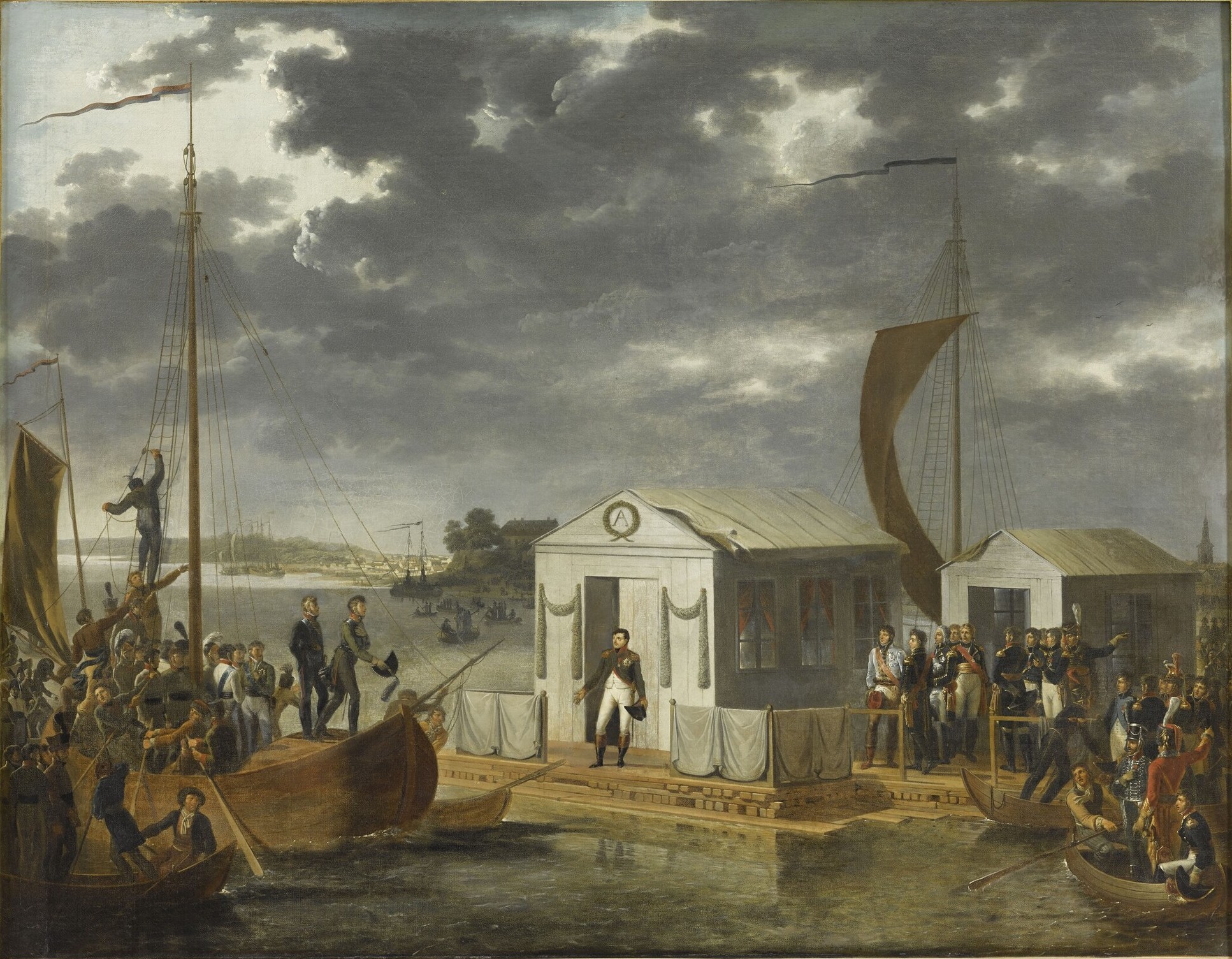
In July 1807, Napoleon and Alexander I met on a raft on the Neman River, then moved to dinners that turned strategy into intimacy. Prussia lingered on the margins as the two emperors exchanged compliments and quietly redrew Europe. From that mood emerged the Treaties of Tilsit: Russia joined the Continental System against Britain, and Napoleon expanded his influence through client states. The banquets mattered because they sold hard bargains as friendship, making concessions easier to swallow. When the smiles faded, that shared table made the 1812 rupture feel personal, not just political. Europe mistook warmth for lasting unity.
THE CONGRESS OF VIENNA SUPPERS

At Vienna in 1814–1815, Europe’s victors gathered to redraw the continent after Napoleon, and much of the real work happened after dark. Metternich’s city ran on suppers, receptions, and balls where diplomats could float compromises without minutes, then retire if the room turned cold. Hosts used menus, guest lists, and music to shape who met whom, while smaller states pursued influence in salons rather than formal sessions. The Final Act was signed on paper, but it was stress-tested at dinner, where grudges softened, alliances shifted, and private assurances became tomorrow’s policy. Vienna showed that social grace could be a form of statecraft.
THE VERSAILLES ROYAL BANQUET

On October 1, 1789, officials at Versailles hosted a welcome banquet for the Flanders Regiment in the Royal Opera. Candles, music, and loyal toasts turned the room into a monarchy’s celebration at a moment of scarcity and suspicion in Paris. Rumors that the tricolor cockade had been insulted, and that courtiers dined lavishly while bread was scarce, spread quickly and hardened anger into action. The dinner became a political accelerant: it helped spark the Women’s March on Versailles, compelled the royal family to move toward Paris, and made every future court meal seem provocative. Legitimacy cracked at the table first.
HOT DOGS AT HYDE PARK, HIGH STAKES IN LONDON
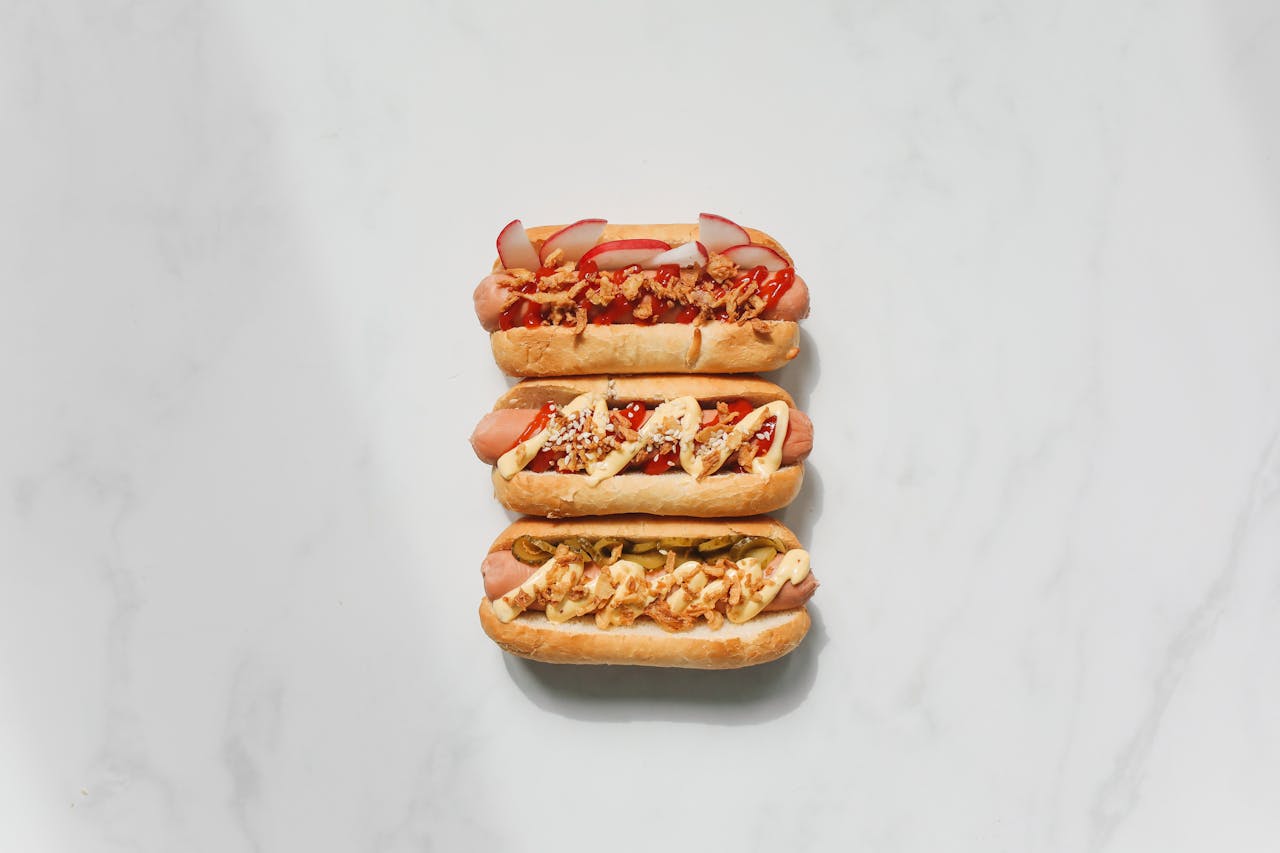
In June 1939, Franklin D. Roosevelt welcomed King George VI and Queen Elizabeth with a White House state dinner, then followed it with a Hyde Park picnic. Hot dogs and beer grabbed headlines, but the deeper point was emotional: Britain was treated as kin, not a distant power, as Europe edged toward war. The informality signaled trust to skeptical publics on both sides of the Atlantic, and it helped normalize closer cooperation before formal commitments were possible. Sometimes a simple menu achieves what speeches cannot, making partnership feel ordinary enough to endure the coming storm. It was soft power, served on plates.
THE TEHRAN CONFERENCE TOASTS
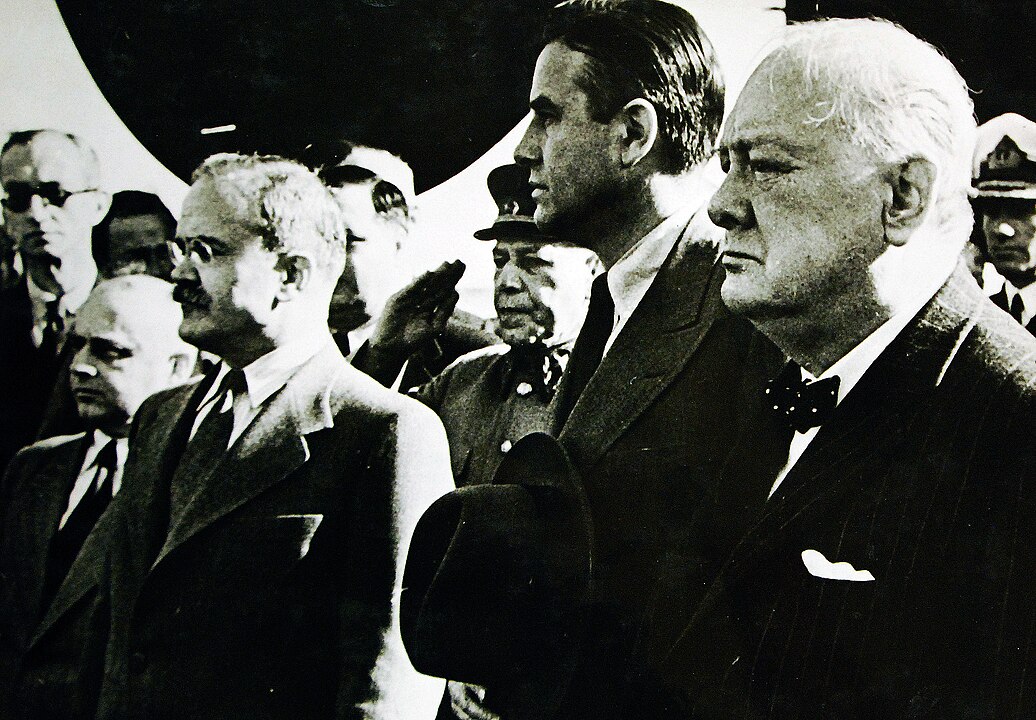
At Tehran in late November 1943, Roosevelt, Churchill, and Stalin negotiated by day and measured each other at dinner. A note from November 29 captured the tone: Stalin teased Churchill with humor, praised American production, and pressed Soviet aims without breaking the mood. These dinners mattered because they revealed leverage in real time, showing who could isolate whom, and how wartime unity could drift into bargaining over borders. In a room of translators and smoke, every laugh was a signal, and every toast carried a policy shadow. Commitments felt firmer once spoken over food. Trust did not arrive, but coordination did.
YALTA’S FORTY-FIVE TOASTS
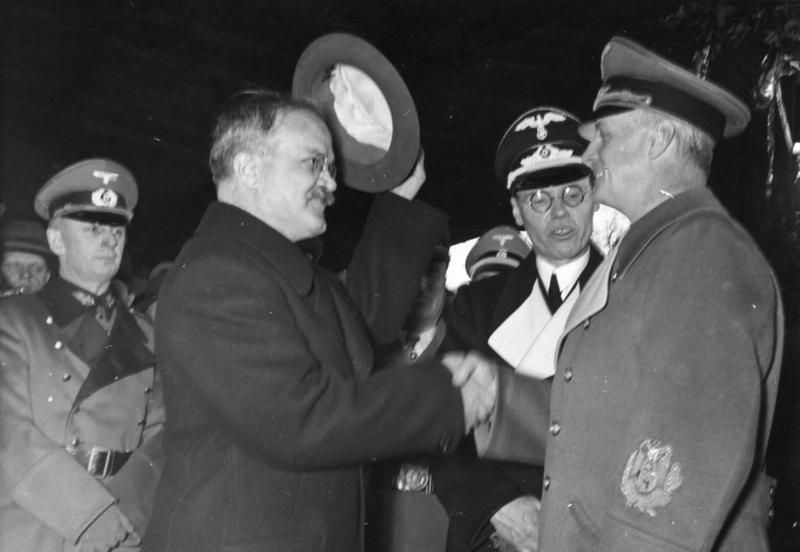
At Yalta, February 4–11, 1945, the fate of Europe was argued in meetings and negotiated at night over formal dinners. One evening featured 45 toasts, a ritual that looked like camaraderie while everyone tracked who praised whom and what was carefully avoided. The setting mattered because it kept discussions moving when certainty was elusive: leaders could display warmth publicly, then bargain privately over Germany, Poland, and the postwar order. After enough glasses, fatigue lowered defenses, and small phrases carried outsized weight. The clink of crystal became a tool for keeping momentum alive. Even camaraderie came with a cost.
NIXON AND ZHOU’S TELEVISED BANQUET
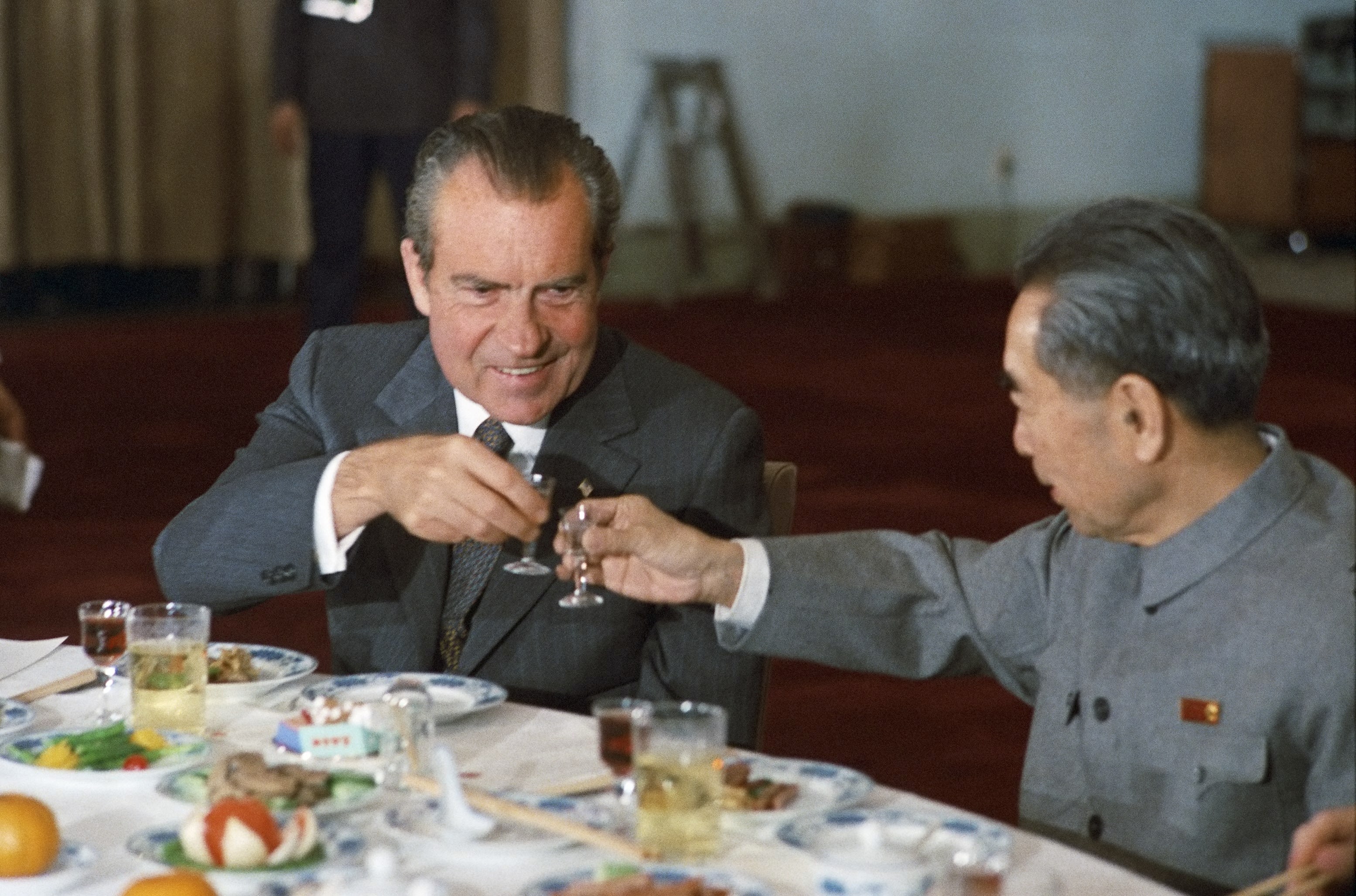
On February 25, 1972, the Great Hall of the People hosted the banquet that brought U.S.–China rapprochement into public view. Nixon and Zhou exchanged toasts with careful wording, but the choreography delivered the message: a shared table after 23 years without formal ties. Taiwan and ideology did not vanish; they were simply managed long enough to keep a channel open that could weather headlines. The dinner helped reshape the Cold War triangle by giving both sides leverage against the Soviet Union, and it made future bargaining feel possible because the first public step had already been taken. That image traveled faster than any cable. The world noticed.