

Flags have long served as visual declarations of identity and purpose, carrying the stories of the people who created and raised them. From battlefields to independence movements, each design reflects a moment when communities needed a symbol to express unity, resistance, or hope. Their colors and emblems were chosen with intention, often capturing deep cultural values or political ambitions. By exploring these historic flags, we uncover the messages they were meant to broadcast and the lasting influence they hold today.
1. The Gadsden Flag
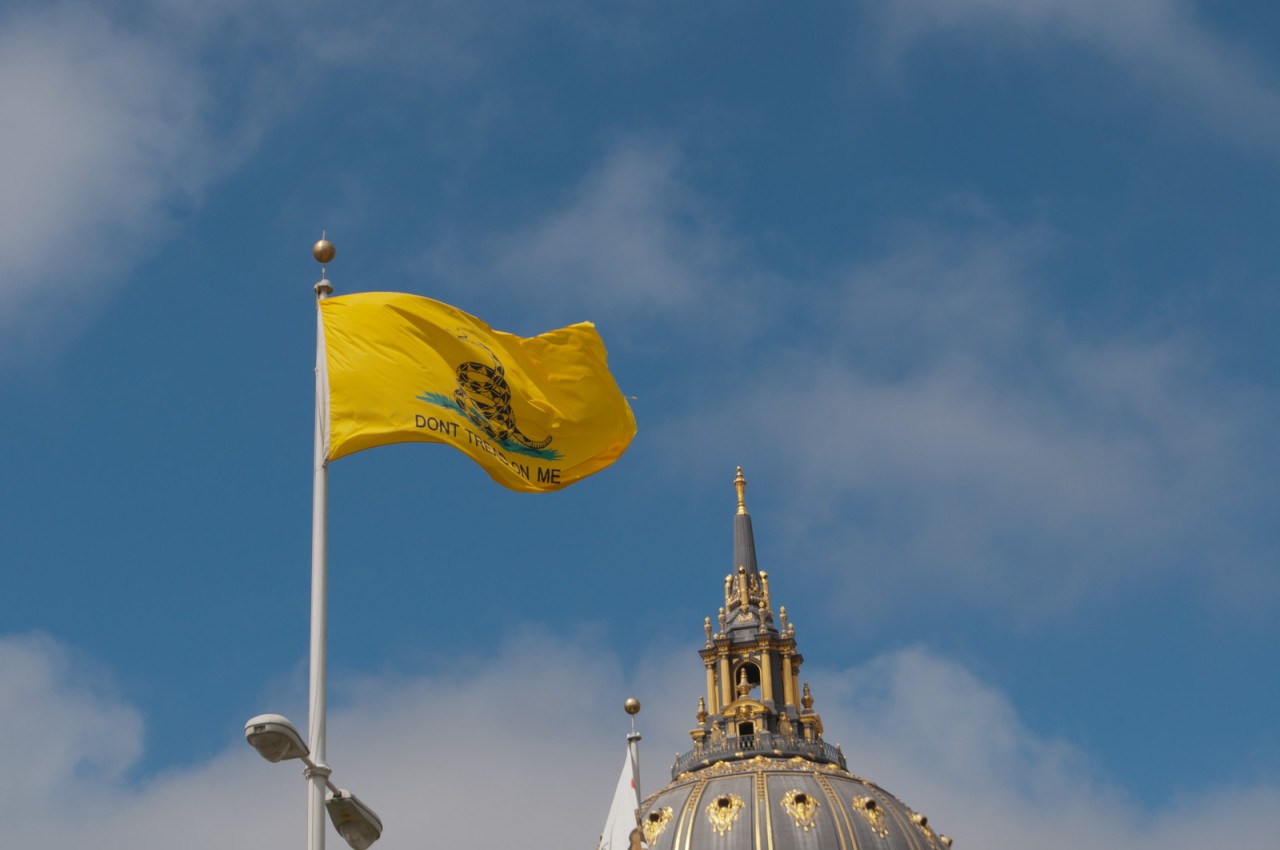
Bright, bold, and unapologetically direct, the Gadsden flag captured Revolutionary-era urgency in a single image. Designed in 1775 by Christopher Gadsden, the yellow field and coiled rattlesnake declared a clear message: infringement on colonial rights would provoke a venomous response. It served as a naval ensign and a unifying emblem for some Continental forces, tying natural imagery to political will. Over the centuries, its meaning has shifted and been repurposed in many contexts, yet its origin lies in a specific moment of collective resistance and the rhetoric of self-defense.
2. The Betsy Ross Flag
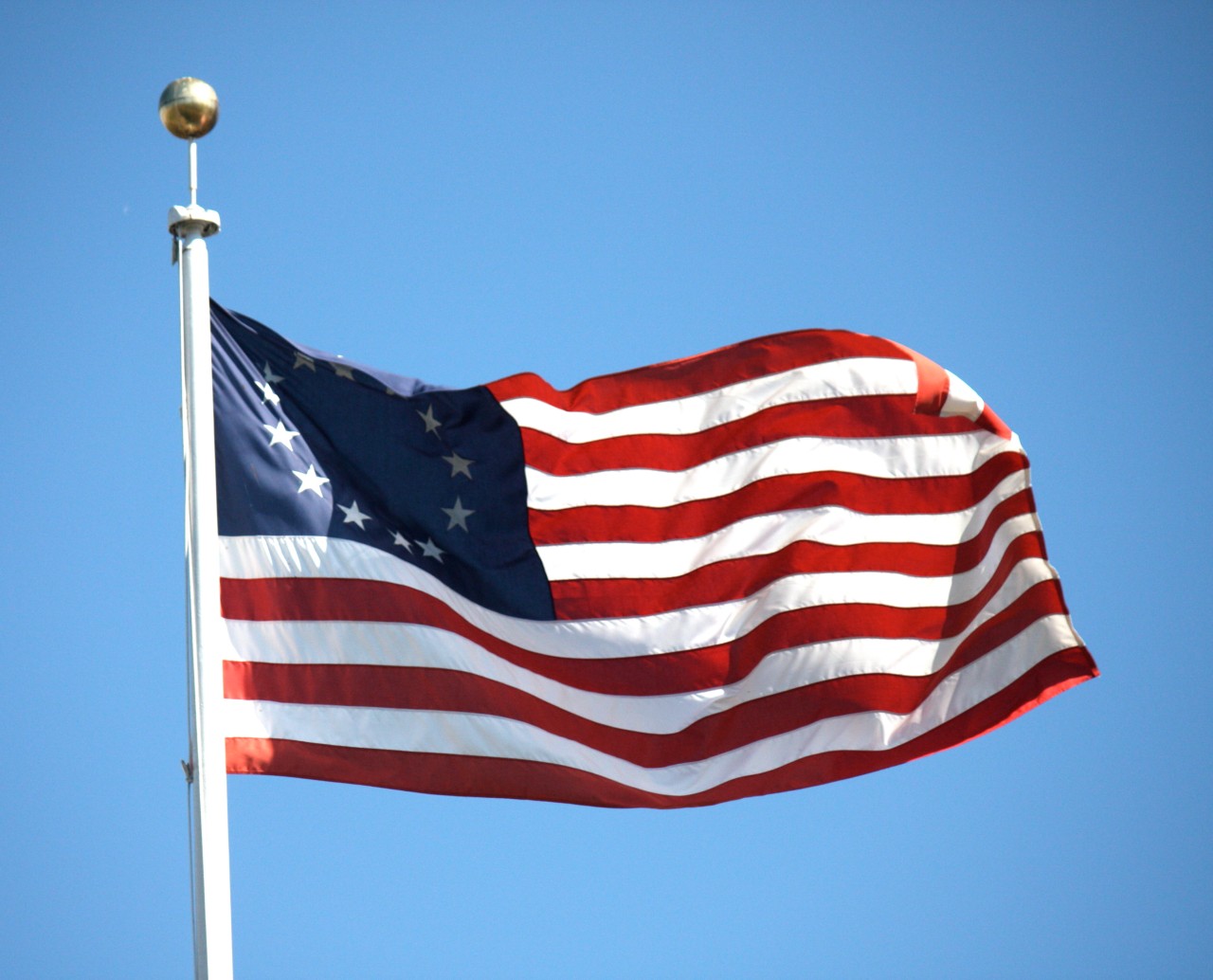
The iconic circle of thirteen stars is often read as a simple, elegant claim: the original states were equals in a new republic. Though historians still debate whether Betsy Ross personally stitched the first flag, the design encapsulated early America’s desire for unity and legitimacy on the world stage. The round star pattern avoided hierarchy by placing no single colony at the center. As the young nation navigated diplomacy and war, the flag functioned as a visible assertion that these disparate provinces intended to act together under a single banner.
3. The Vatican Flag

Few national flags carry as much symbolism in so little space as the Vatican’s unique square design. Its gold and white halves represent both earthly governance and spiritual purity, while the crossed keys of Saint Peter reference the authority believed to be granted to him by Christ. One key symbolizes heavenly power and the other earthly leadership, bound together by a red cord that signifies unity. Adopted officially in 1929, the flag reflects the Vatican’s dual identity as a religious institution and a sovereign state. Its imagery communicates continuity, tradition, and the distinct role the papacy has played in global affairs for centuries.
4. The Jolly Roger
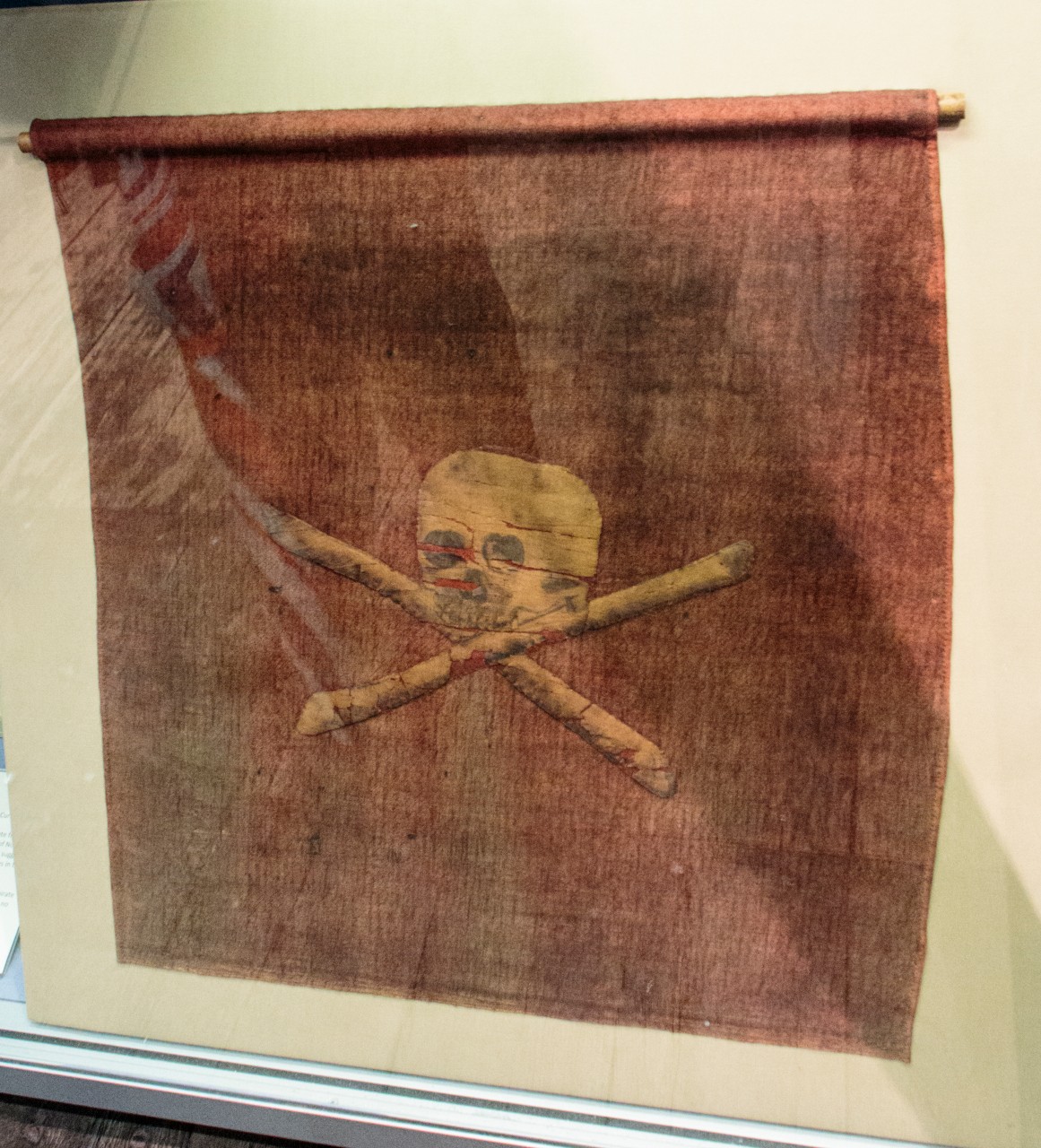
More than cartoonish bravado, the Jolly Roger worked as a calculated psychological weapon. Pirate captains raised skulls, bones, and dramatic motifs to communicate a clear bargain: surrender and live, resist and die. Different captains adopted variations to signal their temperament and intentions. The visual shorthand saved time and spared blood by encouraging capitulation. Over time, the flag transformed into a romanticized emblem of defiance and freedom, but its original function was brutally pragmatic, a tool of intimidation on the high seas.
5. The Imperial Japanese Rising Sun
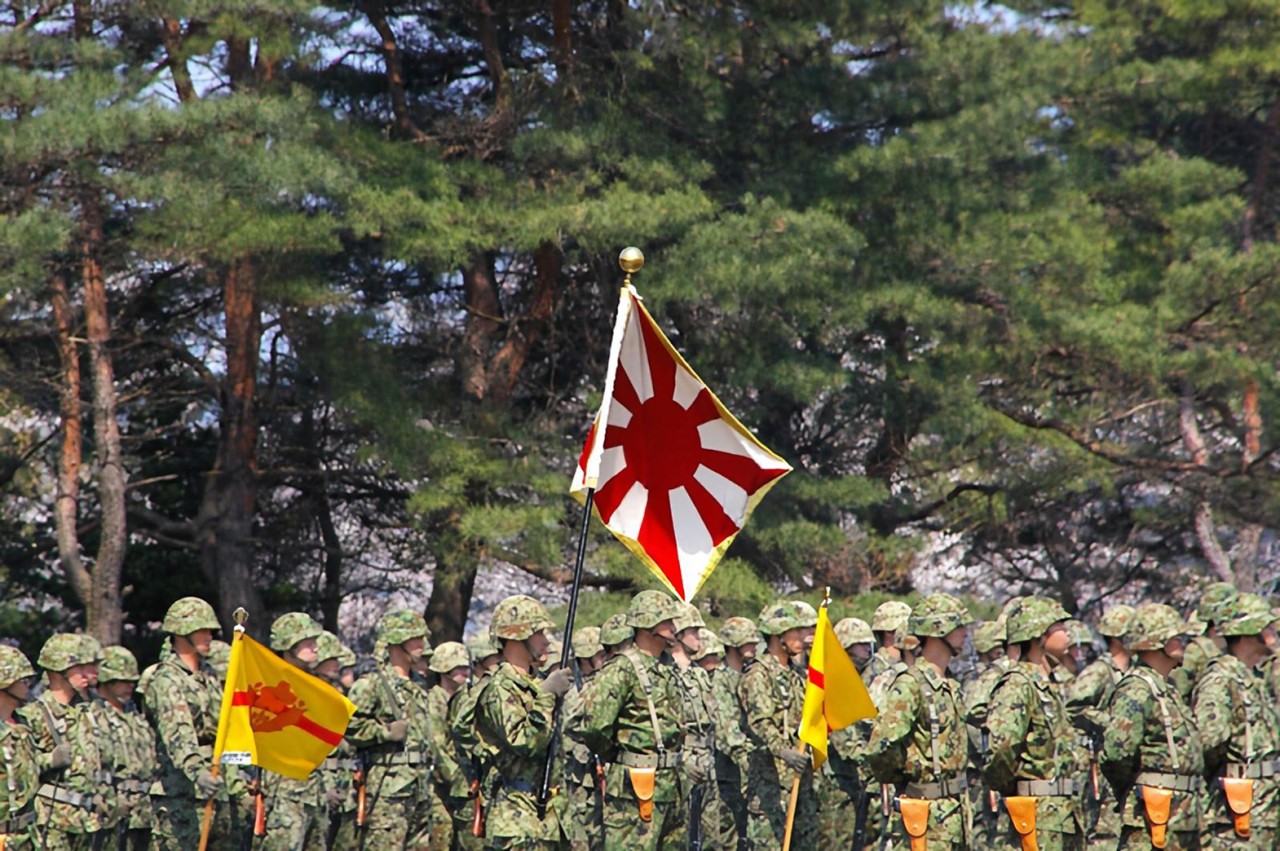
The Rising Sun flag, with its radiating beams, expressed a cultural reverence for the sun and a state’s aspiration to project strength across the region. During Japan’s imperial expansion in the late 19th and early 20th centuries, the emblem became associated with military authority and conquest. For many in East Asia, the image still carries the weight of that wartime past, making it deeply controversial. In other contexts, the sun motif exists as part of national iconography, but historical associations mean the flag elicits strong and varied reactions depending on place and memory.
6. The Mexican Flag
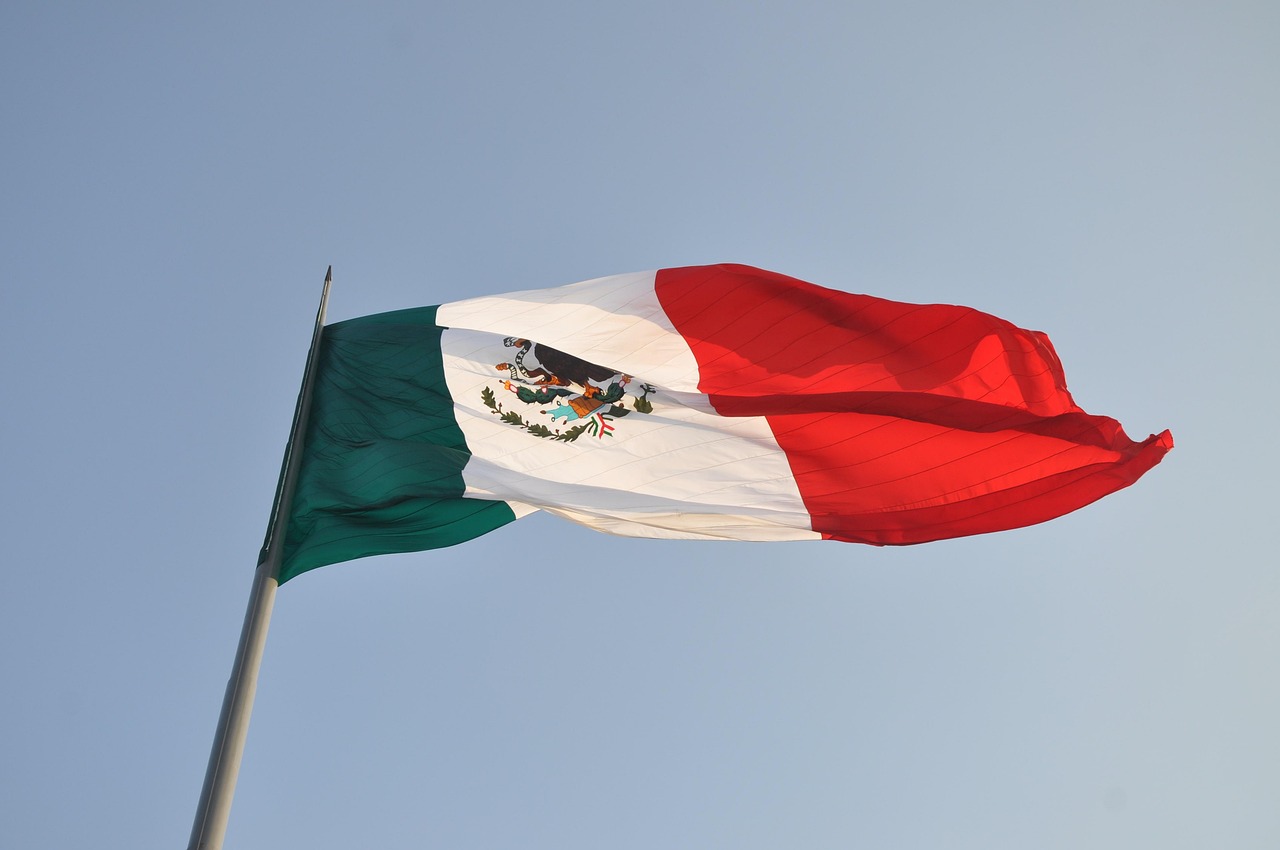
The Mexican flag places myth at the center of modern statehood. Its green, white, and red stripes were shaped by independence-era ideals, but the emblem tells a much older story. According to Aztec legend, their ancestors were guided to settle where they found an eagle perched on a cactus with a serpent in its beak. This vision, believed to be divinely ordained, became the basis for Mexico City and now sits at the heart of the national flag. The design bridges Indigenous heritage and the country’s revolutionary past, reminding citizens that their national identity is rooted in both ancient tradition and modern struggle for self-rule.
7. The Union Jack

The Union Jack is a layered history rendered in cloth. By combining the crosses of England and Scotland, and later integrating the Irish cross, the flag visually narrates political unions achieved over centuries. It became a symbol of a centralized monarchy and, as the British Empire expanded, an emblem seen around the globe. The flag’s presence on other national banners reflects that imperial legacy. For many, it signifies shared history and maritime tradition; for others, it evokes the power dynamics of colonization. Its design, therefore, carries both statecraft and debate.
8. The French Tricolour

Blue, white, and red moved quickly from cockades to the national flag during the French Revolution. Those colors came to symbolize the movement’s core claims: liberty, equality, and fraternity. Unlike ornate royal banners, the tricolour presented a pared-down, civic image meant to represent citizens rather than dynastic privilege. It visually announced a break with ancien régime aesthetics and projected a model of republican identity that inspired political movements worldwide. The flag thus stands as both a national emblem and a shorthand for revolutionary ideals.
9. The Soviet Flag

A red field emblazoned with a hammer, sickle, and star condensed an entire political vision into a single image. The hammer and sickle represented the alliance of industrial workers and rural peasants, while the red color invoked revolutionary struggle. The star signified the party’s leadership and global ambitions. Used for decades as the standard of the Soviet state, the flag became a potent symbol during the twentieth-century ideological conflicts that shaped geopolitics. It communicated a program of social transformation as much as it marked sovereign authority.