

History is full of stories that have puzzled generations, from vanished civilizations to unexplained deaths and ancient artifacts whose meanings were long lost. Today, modern technology is transforming what we know about the past. Tools like DNA analysis, satellite imaging, 3D scanning, and ground-penetrating radar allow historians and scientists to uncover hidden truths with astonishing accuracy. Secrets once thought impossible to solve are now revealed, bringing history vividly to life and letting us glimpse the lives and stories of those who came before us.
1. The Voynich Manuscript
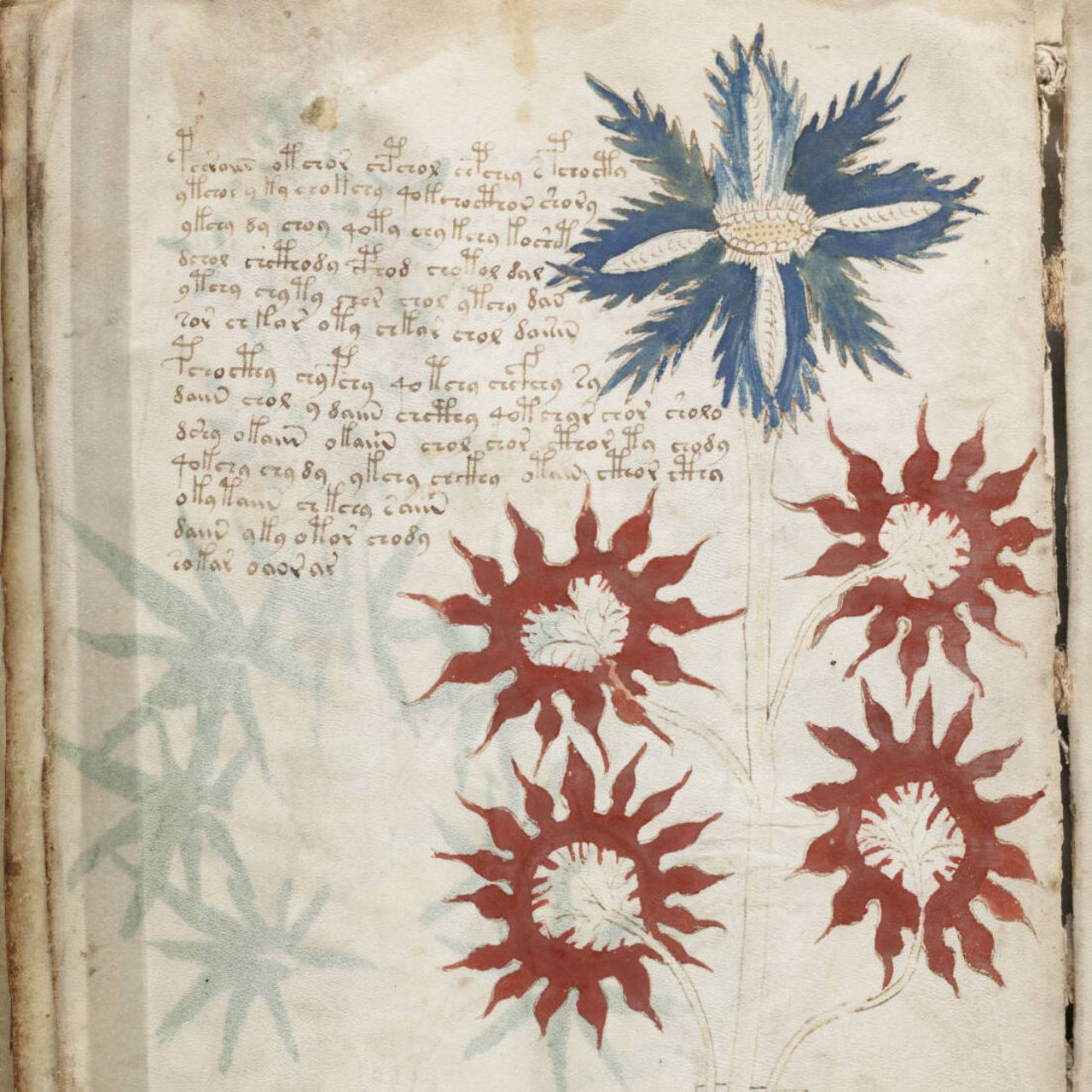
The Voynich Manuscript is one of the most mysterious books in history, filled with intricate illustrations of plants, astronomical diagrams, and human figures, yet written in a script no one has definitively deciphered. Scholars and cryptographers have applied advanced statistical analysis, AI, and linguistic studies to decode its contents, but it remains largely unreadable. Some propose it is a sophisticated hoax, while others suggest it represents an unknown language or encrypted knowledge. Its purpose, whether medical, magical, or scientific, continues to intrigue researchers worldwide.
2. The Identity of Jack the Ripper
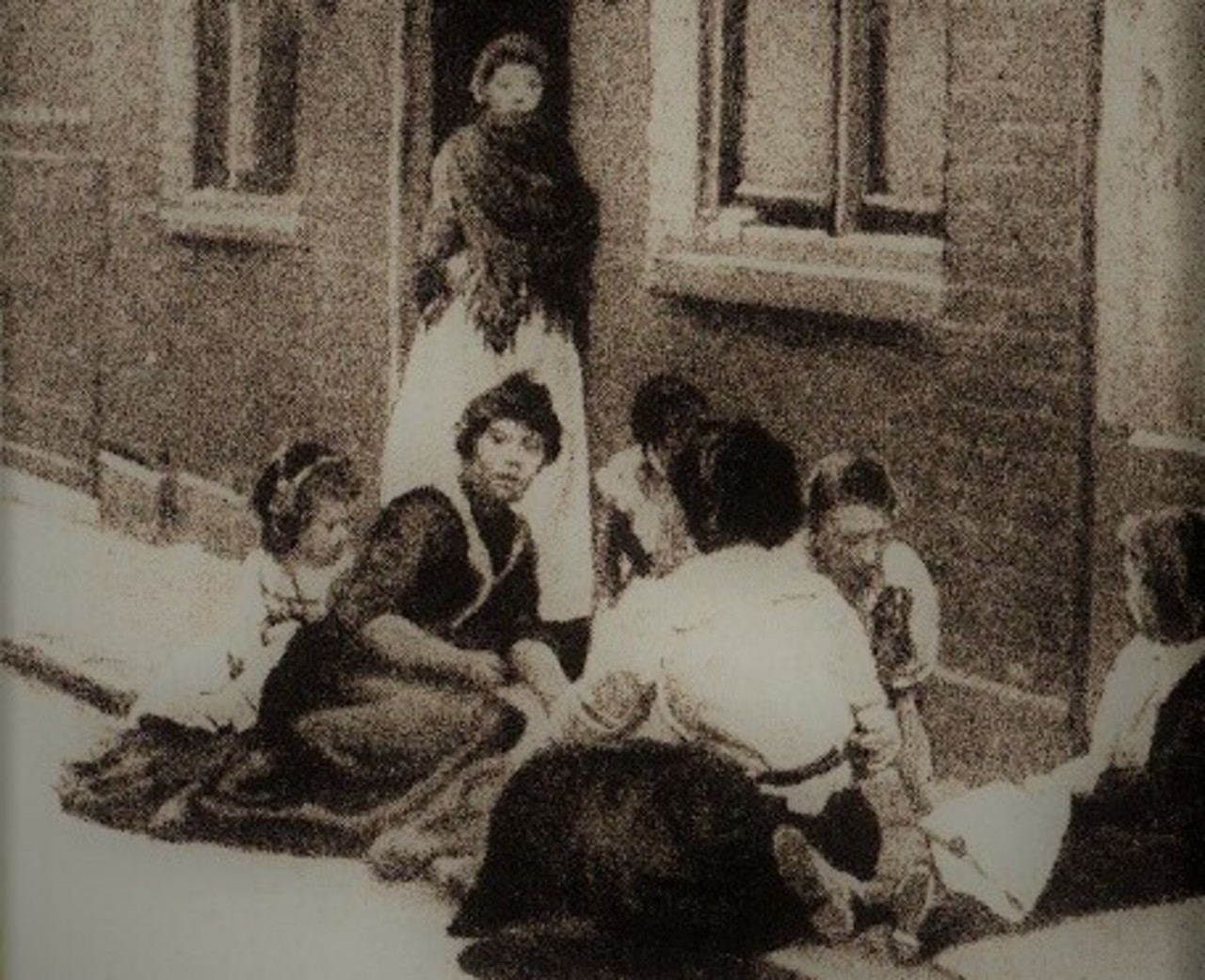
For over a century, the identity of Jack the Ripper, the infamous Victorian-era serial killer, remained one of London’s most chilling mysteries. Modern forensic science and DNA analysis have finally provided clues. Researchers examined genetic material preserved on a shawl found near one of the crime scenes and matched it to a living descendant of a man who lived in Whitechapel at the time. This evidence strongly suggests a plausible suspect, giving historians and true crime enthusiasts a clearer picture of the man behind the murders, though debate continues.
3. The Identity of Richard III
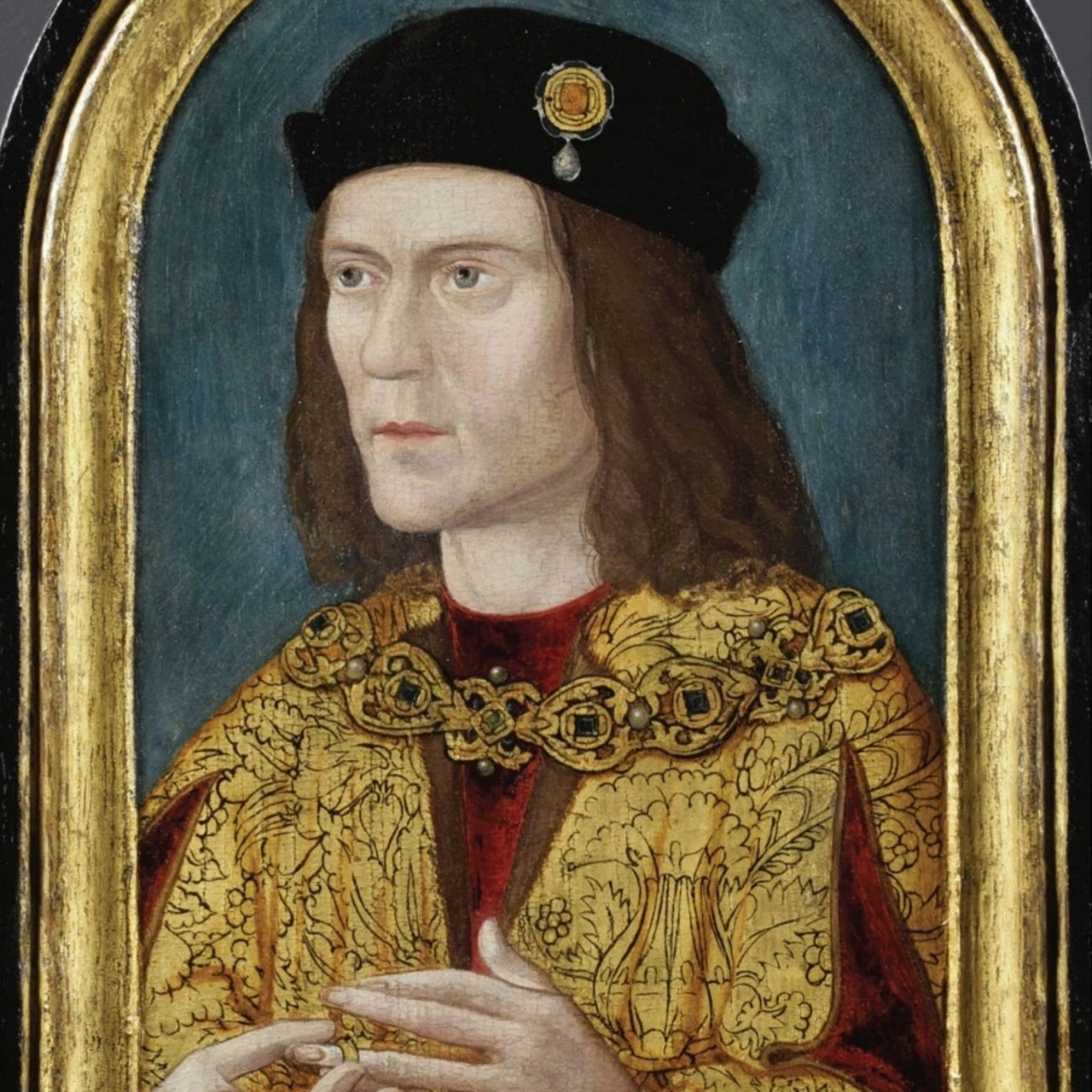
For centuries, the final resting place of England’s King Richard III was unknown, and myths surrounded his death. In 2012, archaeologists discovered a skeleton beneath a Leicester parking lot. DNA analysis confirmed it was Richard III, matching mitochondrial DNA from living relatives. The skeleton also revealed scoliosis and wounds consistent with historical accounts. These findings settled centuries of speculation, giving historians clear evidence of his identity and physical condition, and providing closure to one of England’s most enduring royal mysteries.
4. The Mystery of the Nazca Lines
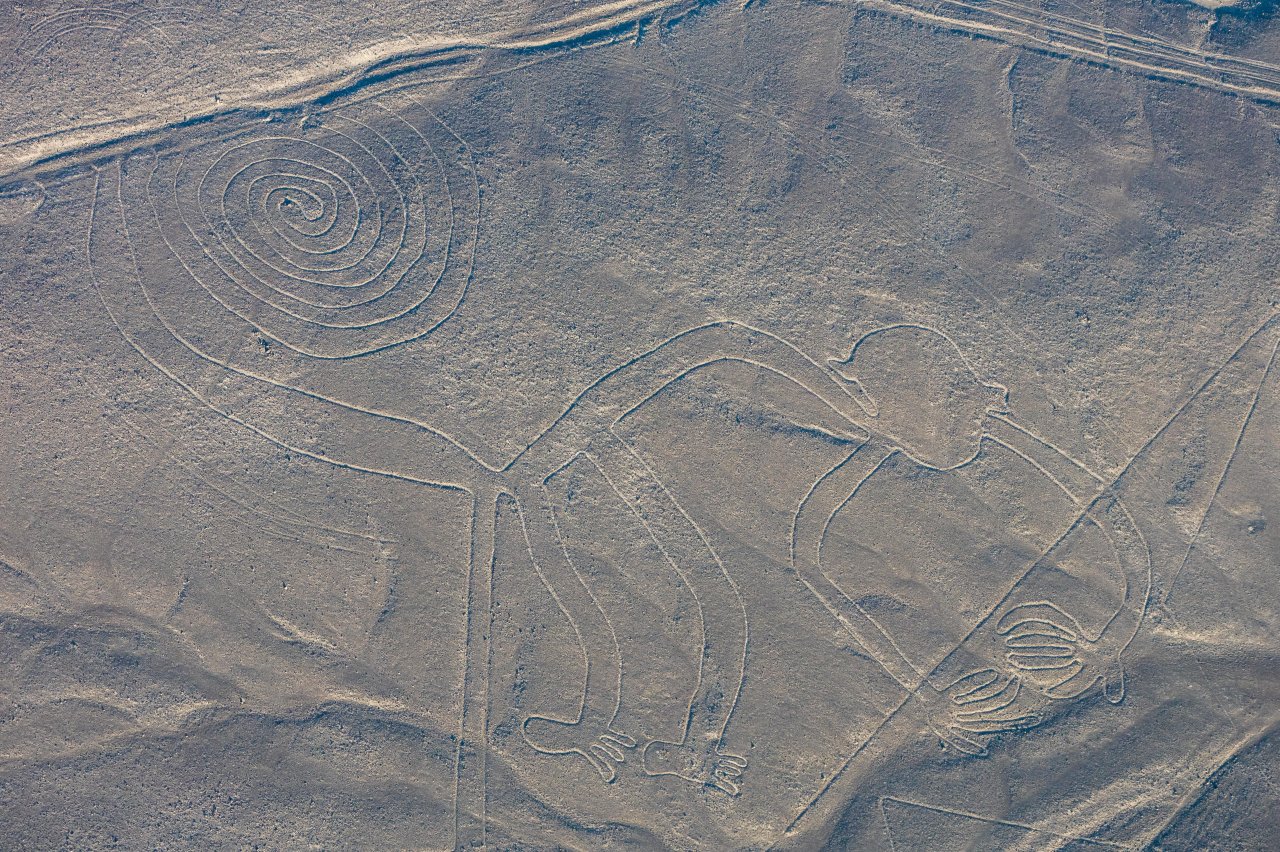
The Nazca Lines of Peru are enormous geoglyphs etched into the desert floor, depicting animals, geometric patterns, and human-like figures, and they have baffled researchers for decades. Recent aerial surveys, drone imaging, and 3D mapping have allowed scientists to study them in unprecedented detail. Evidence suggests that many lines align with astronomical events, such as solstices, and may have served as ceremonial pathways or markers for rituals. Modern technology is helping decode their purpose, revealing that these mysterious designs were part of a sophisticated cultural and religious system.
5. The Disappearance of the Amber Room
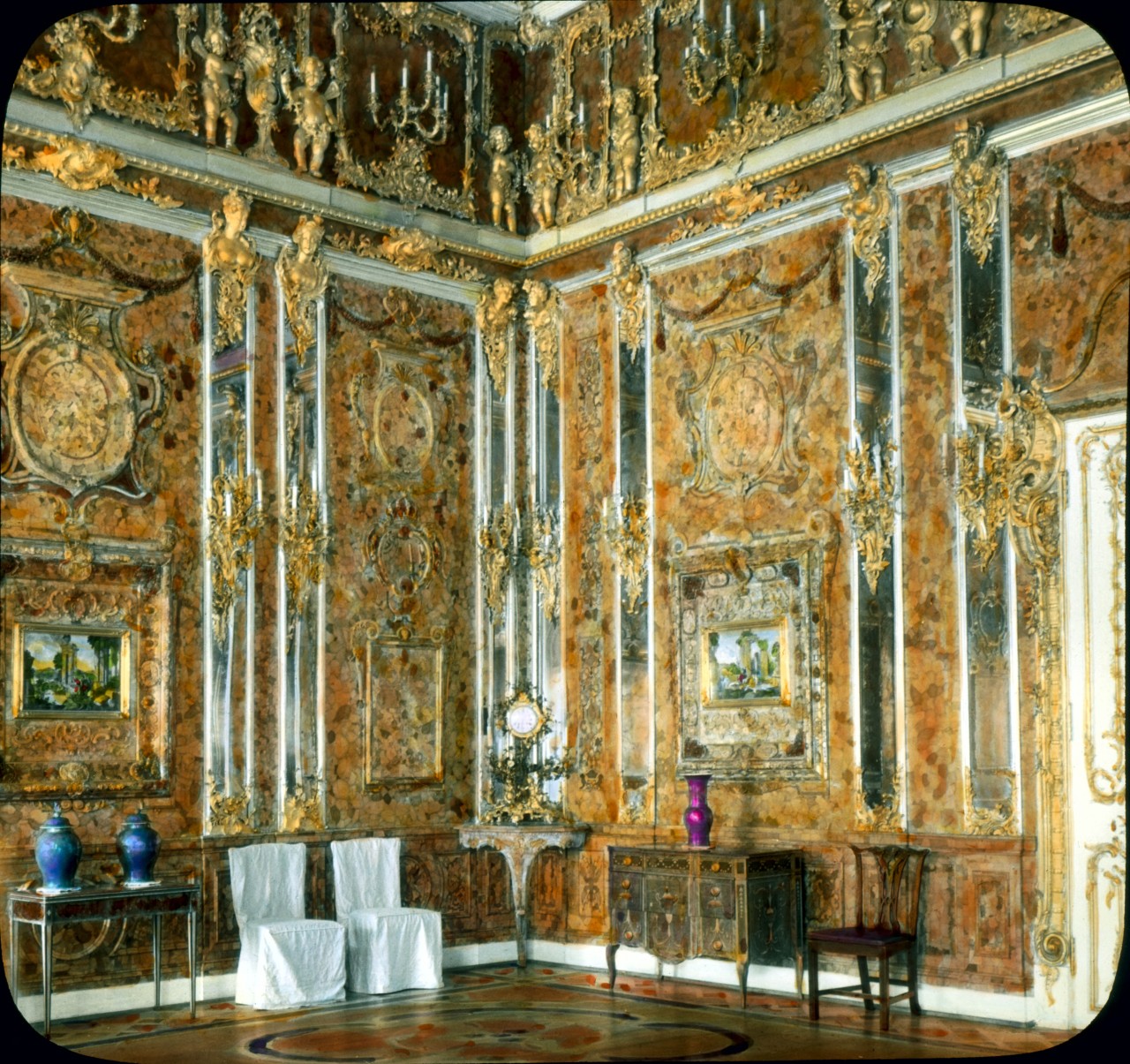
The Amber Room, often called the “Eighth Wonder of the World,” was a lavish chamber adorned with amber panels, gold leaf, and mirrors, installed in the Catherine Palace of Russia. During World War II, Nazi forces looted it, and it vanished without a trace. Recent underwater searches in the Baltic Sea have uncovered fragments of amber and decorative elements, suggesting that parts of the room may have survived. These discoveries hint that the room’s treasures could still be restored, keeping alive the hope of recovering one of history’s most spectacular lost art pieces.
6. The Real Cause of the Black Death
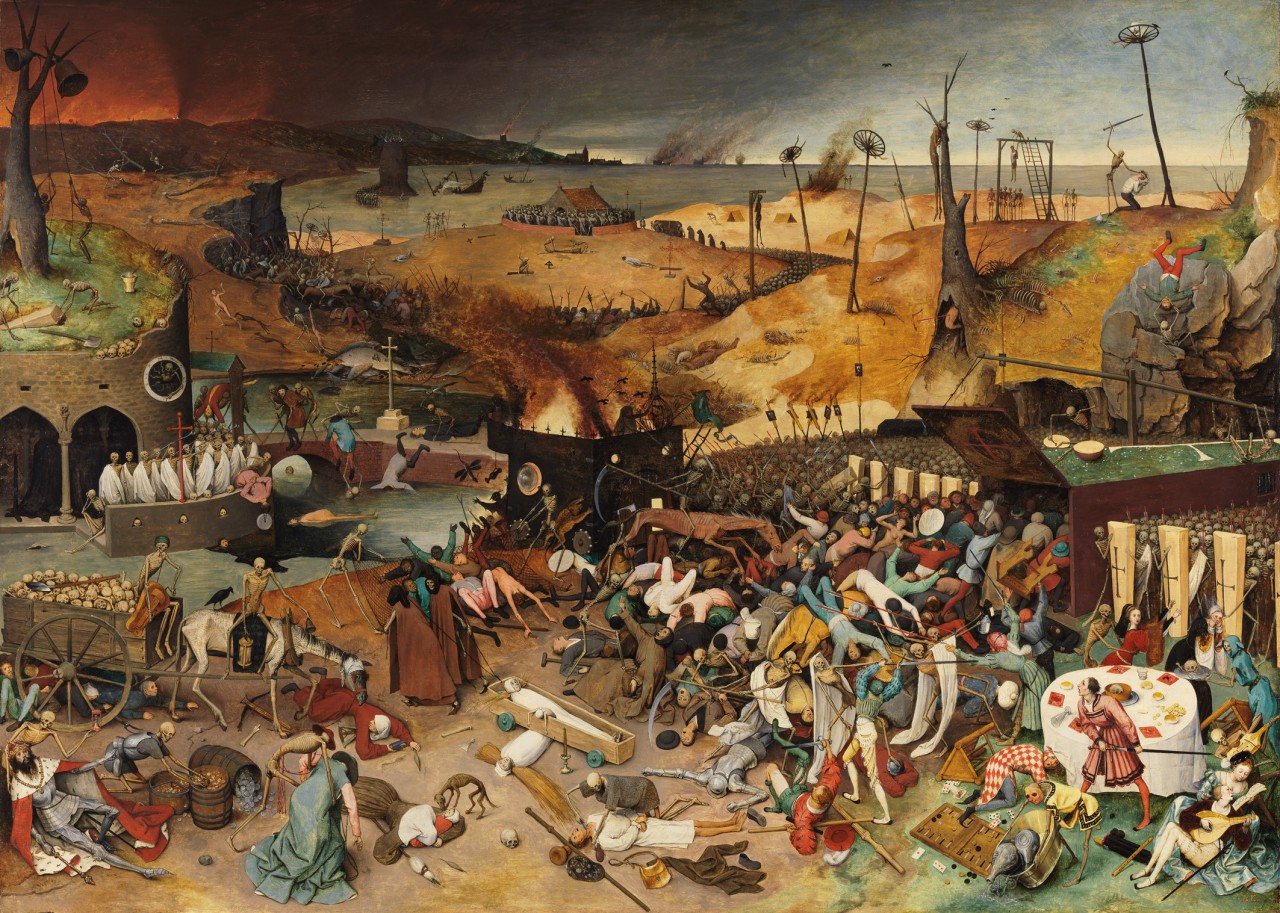
The Black Death devastated Europe in the 14th century, killing millions, but its origins were long debated. Modern genomic research has sequenced DNA from plague victims’ teeth, confirming that the Yersinia pestis bacteria caused the outbreak. The disease was spread by fleas carried by rats, explaining its rapid spread across cities. These scientific findings allow historians to understand the pathogen’s evolution and transmission, offering a clearer view of how one of history’s deadliest pandemics reshaped European societies.
7. The Secrets of the Dead Sea Scrolls
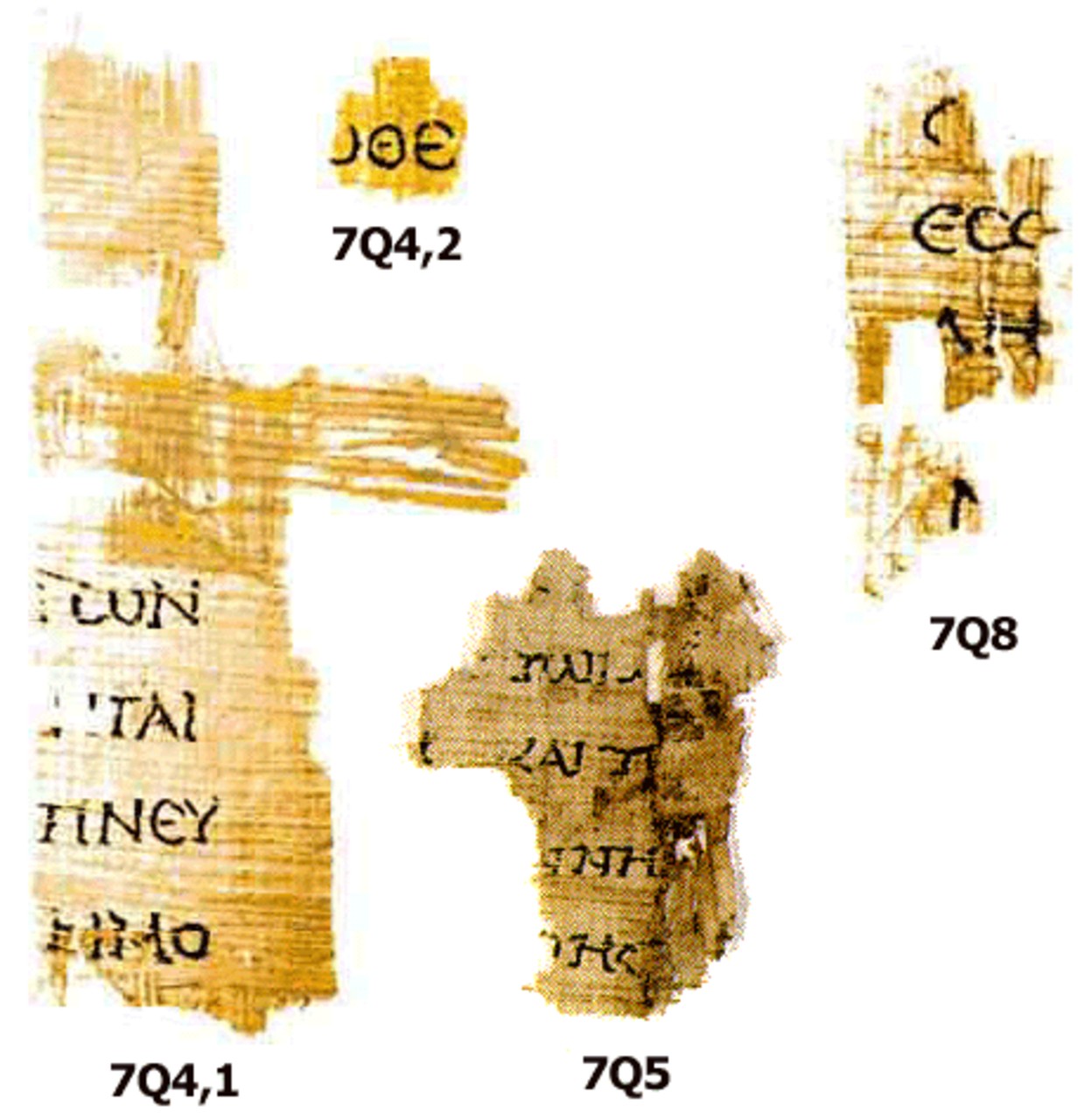
The Dead Sea Scrolls, discovered in caves near the Dead Sea, contain texts that have fascinated scholars for decades. Many fragments were too damaged to read, but multispectral imaging has now revealed previously invisible writings. This technology allows researchers to study religious practices, daily life, and historical events from the first century in unprecedented detail. By reading texts once thought lost, historians can better understand the cultural, religious, and social contexts of this era, deepening our knowledge of the ancient world.
8. The Construction of the Great Pyramid of Giza

For centuries, the Great Pyramid of Giza baffled historians and engineers alike, raising questions about how ancient Egyptians moved and positioned massive stone blocks with precision. Modern research and experimental archaeology suggest that a clever system of ramps, levers, and sledges allowed workers to transport stones from quarries to the pyramid site. Excavated remnants of these ramps, combined with tools and inscriptions, reveal the ingenuity, planning, and labor organization required. This technology shows that the pyramid was not built by mystery alone but through extraordinary engineering and human coordination.
9. Tutankhamun’s Golden Mask Restoration
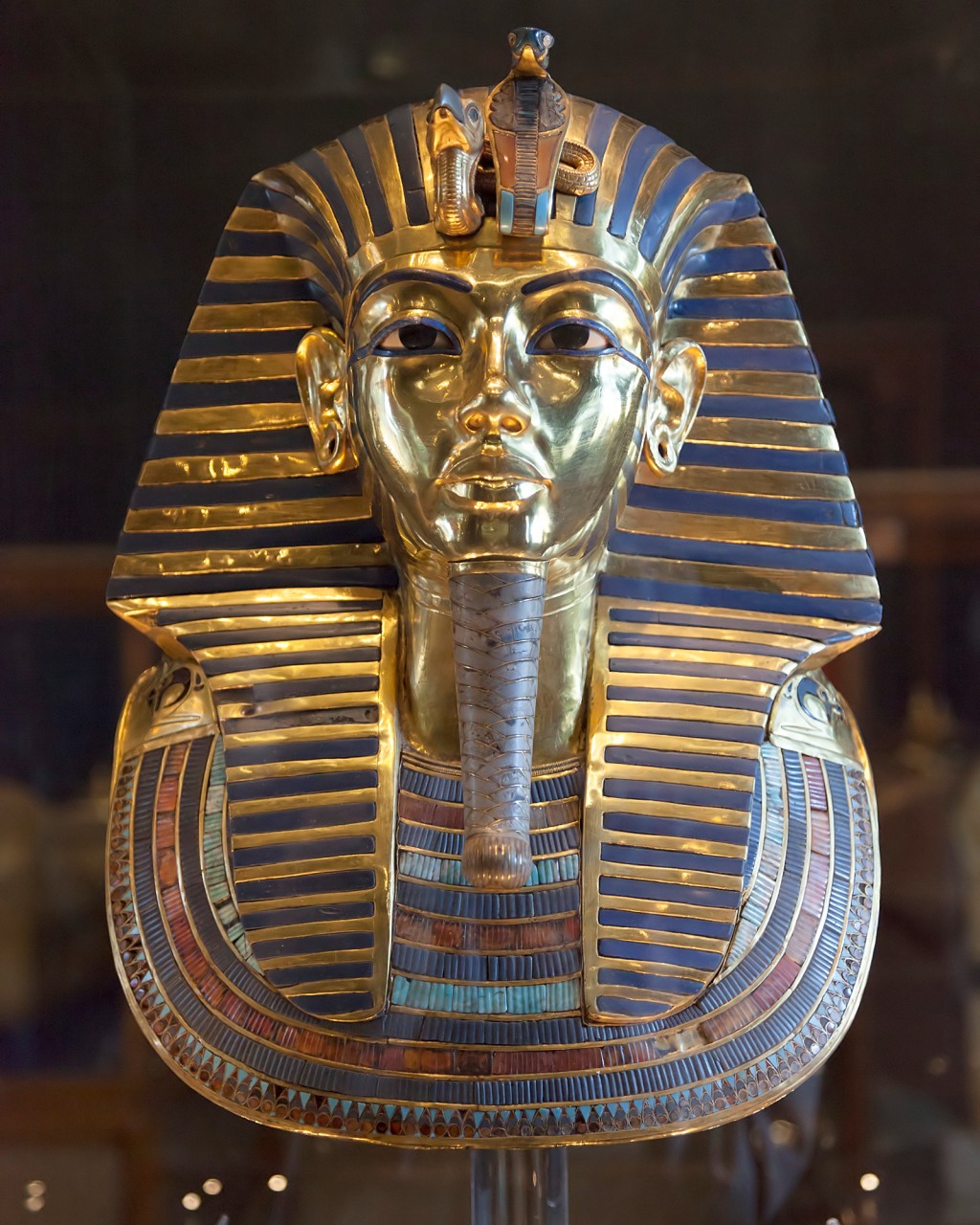
King Tutankhamun’s golden burial mask is one of history’s most famous artifacts. In 2014, its beard detached during cleaning, prompting a careful restoration. Using advanced imaging and conservation techniques, experts reattached the piece and revealed intricate inscriptions and details previously hidden. This restoration not only preserved the mask for future generations but also deepened understanding of ancient Egyptian craftsmanship, funerary practices, and the significance of royal iconography, highlighting how technology can protect and illuminate the past.